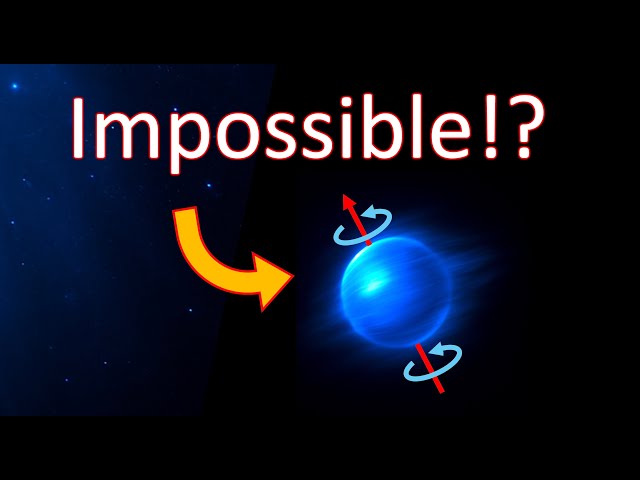
Have you ever wondered if an electron spinning uses up energy? It’s a question that might seem simple but hides a fascinating mystery about the tiny particles that make up everything around you.
Understanding whether an electron’s spin consumes energy can change how you see the world of physics and technology. If you’re curious about how the invisible forces inside atoms work and what they mean for your everyday life, keep reading. This article will clear up the confusion and reveal surprising facts about electron spin and energy.

Credit: inc42.com
Electron Spin Basics
Understanding electron spin is key to grasping many concepts in physics and chemistry. Electron spin is a fundamental property of electrons, similar to charge and mass. It affects how electrons behave in atoms and influences magnetic and electrical properties of materials.
This section breaks down the basics of electron spin. It explains what electron spin really means and how it differs from everyday spinning objects.
Nature Of Electron Spin
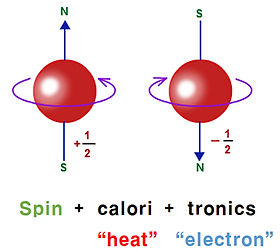
Electron spin is a quantum property, not a physical spin like a ball. It means electrons have an intrinsic form of angular momentum. Spin can have one of two values, often called “up” or “down.” This property helps determine how electrons pair up in atoms. Spin also plays a role in magnetism and quantum computing. It is a fixed property and does not change or consume energy on its own.
Spin Vs. Classical Rotation
Unlike classical rotation, electron spin is not about an object turning in space. Electrons do not physically spin like planets or tops. Spin is a quantum number used to describe electron states. Classical rotation involves energy and motion, but electron spin is an inherent trait. It cannot be explained by classical physics and requires quantum theory. This difference is why electron spin does not consume energy like spinning a wheel would.
Credit: flexbooks.ck12.org
Energy Concepts In Quantum Mechanics
Understanding energy in quantum mechanics can change how you think about particles like electrons. Unlike everyday objects, electrons don’t just move or stop; they exist in specific energy states shaped by complex quantum rules. This makes the idea of energy consumption by an electron’s spin a lot more interesting and less straightforward.
Quantum States And Energy Levels
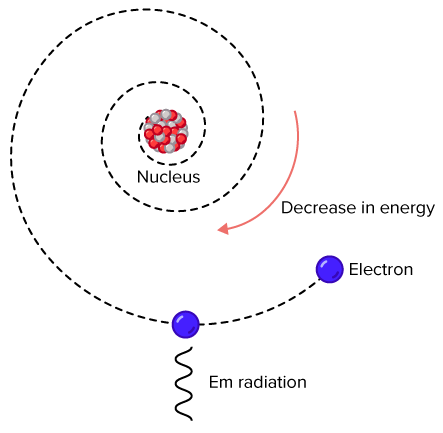
Every electron occupies a quantum state, which is like its unique energy address. These states are not continuous but come in fixed energy levels. When an electron jumps between these levels, it either absorbs or releases energy, usually in the form of light.
Think about an electron in an atom. It’s not spinning to use energy like a tiny motor. Instead, its spin is part of its quantum state, influencing how it fits into these energy levels. You might wonder: if the electron’s spin changes, does it consume energy? The answer lies in whether that change shifts the electron to a different energy level.
Intrinsic Properties And Energy
Electron spin is an intrinsic property, meaning it’s built into the electron itself and doesn’t require energy to maintain. It’s similar to charge or mass—qualities that just exist. This spin creates a tiny magnetic moment, but the electron doesn’t need to “work” to keep spinning.
However, when an electron’s spin interacts with external magnetic fields or other particles, it can cause shifts in energy. These interactions can lead to energy absorption or release, but the spin itself isn’t an energy consumer. This distinction is crucial if you’re trying to understand whether electron spin consumes energy.
Have you ever thought about how this intrinsic spin might affect technologies like MRI machines or quantum computers? The energy concepts in quantum mechanics help explain why these devices work without electrons burning energy just by spinning.
Does Spin Require Energy?
Understanding whether spin requires energy can change how you view the tiny world of electrons. Spin is a basic feature of electrons, but that doesn’t mean it behaves like something that spins in the everyday sense. You might wonder if making an electron spin or changing its spin direction uses energy.
Spin As A Fundamental Property
Spin is an intrinsic quality of electrons, similar to their charge or mass. It doesn’t involve physical rotation like a spinning top but is a quantum property built into the particle itself. Because it’s fundamental, an electron’s spin exists naturally without needing energy input to maintain it.
Think about it like the electron’s ID card—it carries spin as part of what it is. You don’t have to add energy just to keep that ID card active. So, in its natural state, spin doesn’t consume energy.
Energy Consumption In Spin Transitions
Energy does come into play when an electron changes its spin direction, known as a spin transition. This switch often happens in magnetic fields or during interactions with other particles. When spin flips, electrons absorb or release energy, usually seen as electromagnetic radiation or heat.
For example, in magnetic resonance imaging (MRI), radio waves provide energy to flip electron spins, causing detectable signals. This shows that while the spin itself doesn’t consume energy, changing spin states requires energy input.
Have you ever thought about how this principle affects technology around you? Devices relying on spin transitions need precise energy control to function well. Understanding this can help you appreciate how energy and spin work together in practical ways.
Experimental Evidence
Experimental evidence helps us understand if electron spinning uses energy. Scientists use different tests to observe electron spin and its effects. These experiments show how spin behaves without losing energy. They also reveal how spin reacts in magnetic fields.
Observing Spin Without Energy Loss
Scientists detect electron spin through special instruments. These tools measure spin without changing the electron’s energy. Electrons spin constantly, like tiny magnets. Experiments show spin lasts without energy drain. This means electron spinning does not consume energy.
One key experiment is electron spin resonance (ESR). It detects spin by applying radio waves. The electron absorbs and releases energy without losing spin. This proves spin itself does not require energy to keep going.
Spin In Magnetic Fields
Magnetic fields affect electron spin but do not consume its energy. Spin aligns with the magnetic field direction. Changing the field changes spin orientation but not its energy use. Scientists observe spin flipping in magnetic fields without energy loss.
In devices like MRI machines, electron spin helps create images. The spin changes in magnetic fields produce signals. These signals show spin is active but does not use energy continuously. This confirms spin’s stable nature in magnetic environments.
Implications For Technology
The spinning of electrons has deep effects on technology. Understanding whether electron spin consumes energy shapes how devices are designed. This knowledge affects the development of new tech that uses less power and works faster. The subtle energy changes in electron spin open doors to innovative solutions in electronics.
Spintronics And Energy Efficiency
Spintronics uses electron spin instead of charge to carry information. This approach can reduce energy use in devices. Traditional electronics waste energy as heat during operation. Spintronics can cut this waste by controlling spin states with minimal power. It helps make smaller and faster chips that last longer on batteries. Low energy consumption means better performance in smartphones and computers.
Future Applications
New devices will rely on electron spin for data storage and processing. Quantum computers use spin to handle complex calculations quickly. Medical imaging tools may improve by using spin-based sensors. Smart grids and IoT devices could run more efficiently with spintronics. Researchers explore spin for secure communication and advanced memory devices. The future holds many possibilities for energy-saving technology based on electron spin.
Credit: www.telab-postech.com
Frequently Asked Questions
Does Electron Spin Require Energy Input?
No, electron spin is an intrinsic property and does not consume energy. It is a quantum characteristic inherent to electrons, not a mechanical rotation that uses power.
How Does Electron Spin Affect Energy States?
Electron spin influences energy levels by splitting atomic orbitals. This splitting, called spin-orbit coupling, affects electron configurations and magnetic properties but does not consume energy.
Can Electron Spin Change Without Energy?
Electron spin can flip due to external magnetic fields, involving energy exchange. However, the spin itself is a fixed property and does not inherently consume energy.
Is Electron Spin Related To Electron Movement?
Electron spin is a quantum property, separate from electron orbital movement. Spin does not imply physical spinning or energy use; it describes angular momentum at the quantum level.
Conclusion
Understanding electron spin doesn’t require complex science. Electrons spin without using energy. They follow quantum mechanics rules. Many believe spinning consumes energy, but that’s a misconception. In physics, these tiny particles behave uniquely. Their spin is intrinsic, not energy-draining. This concept challenges common knowledge.
But it’s essential to grasp. Electrons always spin. They contribute to magnetic properties. This fundamental understanding is vital. It enhances our grasp of atomic structures. With this knowledge, one can appreciate the wonders of physics. Learning about electrons enriches scientific curiosity.
It opens doors to further exploration.
Leave a Reply