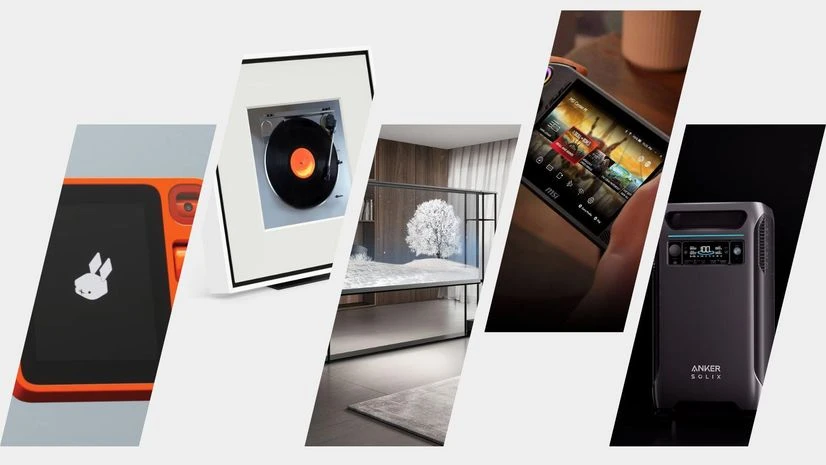
Have you ever wondered what makes your smartphone, TV, or headphones part of a special group called consumer electronics? Understanding what a consumer electronics product is can change the way you shop, use, and appreciate your gadgets.
These products are more than just devices—they shape how you connect, work, and entertain yourself every day. Keep reading, and you’ll discover the key features that define these products and how they impact your daily life in ways you might not expect.
Credit: www.minea.com
Consumer Electronics Basics
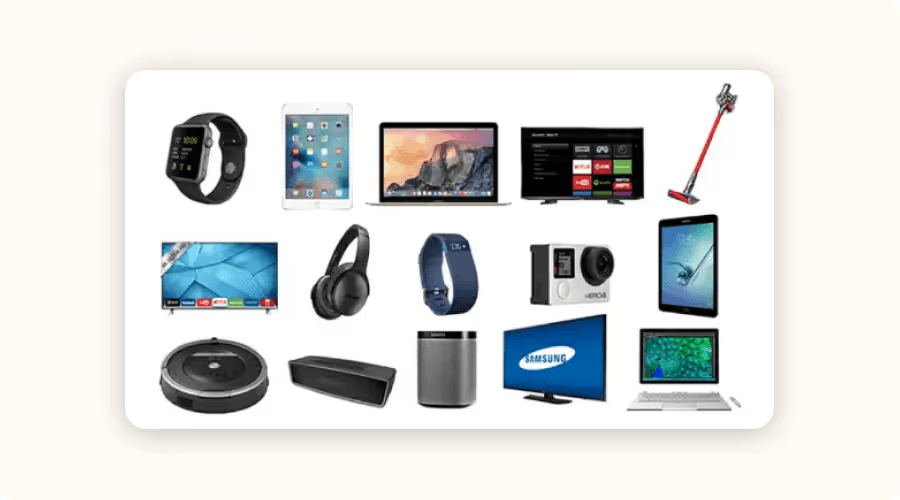
Consumer electronics are devices used daily for entertainment, communication, and work. They use electrical signals to perform tasks. These products make life easier and more fun. Understanding their basics helps you choose and use them wisely.
Common Types
- Smartphones: Portable devices for calls, messages, and apps.
- Tablets: Larger screens for browsing, reading, and videos.
- Laptops: Compact computers for work and play.
- Televisions: Screens for watching shows and movies.
- Wearables: Gadgets like smartwatches and fitness trackers.
- Audio Devices: Headphones, speakers, and sound systems.
Everyday Examples
Many people use consumer electronics daily. Smartphones help stay connected with friends and work. Televisions provide entertainment at home. Laptops support work, school, and hobbies. Smartwatches track health and time easily. Headphones offer private music listening. These examples show how electronics fit into daily life.
Key Features
Consumer electronics products have distinct features that set them apart from other devices. These features focus on blending the latest technology with user-friendly designs. They aim to offer convenience, efficiency, and style to everyday users.
Technology Integration
Consumer electronics combine various technologies to enhance functionality. They often include wireless connectivity like Bluetooth and Wi-Fi. Smart features such as voice control and AI assistance are common. These products stay up-to-date through regular software updates. Integration with other devices creates a seamless digital experience.
User Experience
Ease of use is a top priority. Interfaces are simple and intuitive. Touchscreens, buttons, and voice commands are designed for quick access. Feedback through sounds or vibrations improves interaction. Products often include customization options to suit individual preferences. Reliable performance ensures user satisfaction and trust.
Design Trends
Modern consumer electronics focus on sleek and compact forms. Minimalist designs with clean lines attract many buyers. Materials like glass and metal give a premium feel. Colors often lean towards neutral tones for broad appeal. Portability is key, with lightweight and ergonomic shapes. Designs also consider environmental impact, promoting sustainable materials.
Market Trends
The consumer electronics market is changing rapidly. New products and technologies appear every year. These changes affect how people buy and use electronic devices. Understanding market trends helps businesses meet customer needs and stay competitive.
Growth Drivers
Several factors push the consumer electronics market forward. Rising incomes in many countries increase buying power. Urbanization leads to higher demand for smart home devices. Easy internet access encourages online shopping and product research. Manufacturers focus on affordable, innovative products to attract more buyers.
Emerging Technologies
New technologies shape the future of consumer electronics. Artificial intelligence improves device performance and personalization. Wearable tech like smartwatches and fitness trackers grows in popularity. Voice assistants become common in homes and smartphones. Flexible displays and 5G connectivity offer better user experiences.
Consumer Preferences
People want devices that are simple and useful. Portability and design matter a lot. Consumers prefer products that last longer and save energy. Privacy and security features gain importance. Many buyers choose brands with good customer service and warranties.
Manufacturing Process
The manufacturing process of consumer electronics products is a complex journey that transforms raw materials into the gadgets you use daily. Every stage requires precision and care to ensure the final product works flawlessly and lasts long. Understanding how these products come to life can give you a new appreciation for the technology in your hands.
Material Selection
Choosing the right materials is crucial for both performance and durability. Manufacturers pick metals, plastics, and semiconductors based on factors like conductivity, strength, and cost. Ever wondered why your phone feels lightweight yet sturdy? That’s the result of carefully balancing these materials.
For instance, aluminum is often used for its lightweight and heat dissipation properties, while high-grade plastics protect internal components without adding extra weight. The choice of materials also affects the product’s environmental impact, pushing companies toward more sustainable options.
Assembly Techniques
The way parts come together defines the product’s reliability and user experience. Assembly can range from automated robotic systems to skilled manual labor, depending on the complexity and volume of production. Have you noticed how some devices have seamless finishes? That’s the outcome of precise assembly methods.
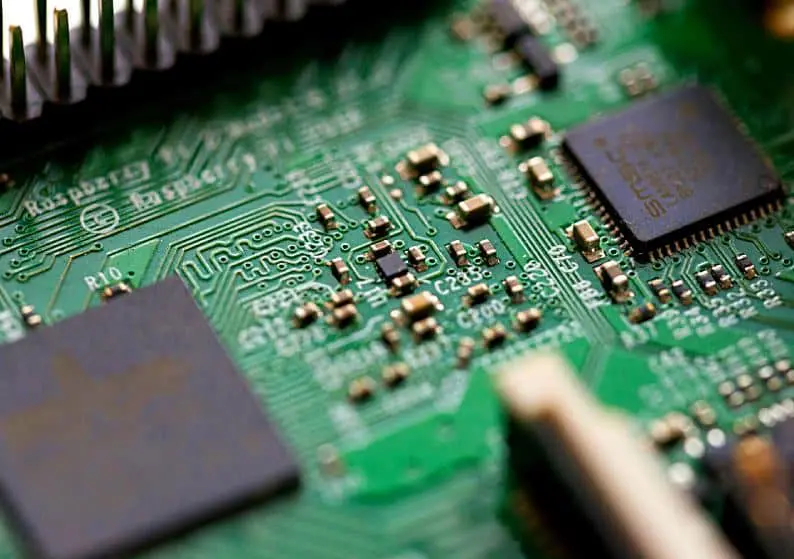
- Surface Mount Technology (SMT):This places tiny electronic components directly onto circuit boards with high accuracy.
- Soldering:Ensures strong electrical connections between components.
- Modular Assembly:Allows for easy repairs and upgrades by grouping components into sections.
Each technique impacts production speed and cost, but also affects how easy it is to fix or recycle your device later.
Quality Control
Quality control acts as the gatekeeper to your device’s performance and safety. Throughout manufacturing, products undergo rigorous testing to catch defects before reaching you. Imagine buying a gadget only to find it stops working after a week—quality control steps prevent that frustration.
Tests might include:
- Functionality checks to ensure all features work correctly.
- Stress testing to simulate real-world use and wear.
- Visual inspections to spot cosmetic flaws.
Quality control is not just about fixing problems but also about maintaining brand trust. Would you buy a product from a company known for cutting corners?
Popular Brands
Popular brands shape the consumer electronics market. They create products people trust and use daily. These brands set trends and push technology forward. Both well-known global leaders and fresh startups play key roles.
Global Leaders
Global leaders dominate the consumer electronics field. They have large customer bases worldwide. Their products often combine quality and innovation. Brands like Apple, Samsung, and Sony are top examples.
- Apple is famous for its iPhones and MacBooks.
- Samsung offers a wide range of smartphones and TVs.
- Sony excels in audio equipment and gaming consoles.
These companies invest heavily in research and development. They deliver products that meet high standards. Their strong brand names inspire confidence in buyers.
Innovative Startups
Innovative startups bring fresh ideas to the market. They focus on unique designs and new technology. Many startups create niche products for specific needs.
- Some startups develop smart home devices.
- Others work on wearable tech or eco-friendly gadgets.
- Many use crowdfunding to launch their products.
Startups often move faster than big companies. They experiment with bold concepts and features. This drives the entire industry forward.

Credit: appstle.com
Buying Tips
Buying consumer electronics can feel overwhelming with so many options and technical specs. Smart buying starts with clear priorities. Knowing what matters most to you saves time and money.
Budget Considerations
Set a realistic budget before you start browsing. Electronics often come with tempting features that push prices higher. Ask yourself what features you truly need versus nice-to-have extras.
Consider hidden costs like accessories, subscriptions, or necessary upgrades. Sometimes spending a bit more upfront avoids frequent replacements later. Have you ever bought a gadget only to regret paying for unused features?
Feature Comparison
List the key features that matter to you and compare different models side by side. For example, if you’re buying a smartphone, focus on battery life, camera quality, and storage capacity rather than just brand names.
Don’t overlook user reviews and expert opinions. They reveal real-world performance and durability. What features have you found most useful in your previous electronics?
Warranty And Support
Check the warranty period and what it covers before purchasing. A longer warranty can provide peace of mind, especially for high-priced items.
Also, research the brand’s customer support quality. Fast and helpful service can save you headaches when something goes wrong. Have you experienced the difference good support makes?
Future Outlook
The future of consumer electronics products is shaping up to be both exciting and challenging. Rapid innovation is pushing the boundaries of what these devices can do, while growing awareness about environmental impact is driving a shift towards greener solutions. How will these trends affect the gadgets you use every day?
Technological Advances
Smart devices are becoming smarter with the integration of AI and machine learning. This means your phone, TV, or wearable can anticipate your needs and adapt accordingly, making daily tasks easier.
Connectivity is another key area. The rollout of 5G and beyond will boost device performance, enabling faster downloads and real-time interactions. Imagine seamless video calls or instant cloud gaming without lag.
Wearable technology is also evolving. Health trackers are now more accurate and can monitor a wider range of conditions, giving you better control over your wellness. What new features would you want in your next gadget?
Sustainability Trends
Eco-friendly design is no longer optional. Manufacturers are using recycled materials and designing products that are easier to repair or upgrade. This approach helps reduce electronic waste significantly.
Energy efficiency is gaining priority too. New devices consume less power without sacrificing performance, which saves you money and supports environmental goals.
Some brands are even offering trade-in and recycling programs, encouraging you to return old devices instead of tossing them. How willing are you to participate in such initiatives for a cleaner planet?
Credit: www.fluxmagazine.com
Frequently Asked Questions
What Defines A Consumer Electronics Product?
A consumer electronics product refers to devices designed for personal use. These include gadgets like smartphones, TVs, and audio systems. They enhance daily life with entertainment, communication, and convenience features. These products are widely available and aimed at individual consumers.
How Do Consumer Electronics Impact Daily Life?
Consumer electronics simplify tasks and provide entertainment. They help with communication, information access, and home automation. These products improve productivity and leisure activities. Their integration boosts convenience and connectivity in everyday routines.
What Are Common Types Of Consumer Electronics?
Common types include smartphones, laptops, tablets, TVs, and wearable devices. Audio equipment like headphones and speakers also fall under this category. These products cater to communication, entertainment, and personal productivity needs.
Why Is Innovation Important In Consumer Electronics?
Innovation drives better features, improved performance, and enhanced user experience. It leads to new technologies that meet evolving consumer demands. Continuous innovation keeps products competitive and relevant in the market.
Conclusion
Consumer electronics shape our daily lives in many ways. They offer convenience. From smartphones to smart TVs, these gadgets are everywhere. They keep us connected and entertained. Innovations continue to drive this industry forward. User-friendly designs and affordability are key trends.
Understanding these products empowers informed purchasing decisions. Always research before buying new gadgets. This ensures you get the best value. Technology evolves rapidly. Staying updated helps you make smart choices. Embrace these devices for a more connected lifestyle. Remember, they are tools to enhance your life.
Choose wisely and enjoy the benefits they bring.
Leave a Reply