Imagine a workday where your health, focus, and productivity are boosted without extra effort. Wearable technology is making this possible, changing how you work in ways you might not expect.
From smart glasses that provide real-time information to wristbands that track your stress levels, these gadgets can help you stay sharp and efficient. Curious about how this tech can make your job easier and even safer? Keep reading to discover the surprising ways wearable technology could transform your workplace for the better.
Current Workplace Challenges
Workplaces today face a variety of challenges that slow down progress and affect employee well-being. These obstacles often hide in plain sight but have a real impact on your daily work experience. Understanding these issues is the first step toward finding solutions that can make your work life easier and more efficient.
Productivity Barriers
Many workplaces struggle with productivity due to distractions and inefficient workflows. Employees often spend too much time switching between tasks or searching for information. This constant interruption drains focus and energy, making it harder to complete important work on time.
Have you noticed how much time you lose to small disruptions during your day? Even simple delays in accessing tools or data can add up and stall your progress.
Communication Gaps
Clear communication remains a problem in many teams, especially when working remotely or across departments. Messages get lost, misunderstood, or delayed, causing confusion and errors. This can lead to duplicated efforts or missed deadlines that frustrate everyone involved.
Think about your last project—how often did you have to clarify instructions or follow up on unanswered questions? These gaps slow down teamwork and reduce overall effectiveness.
Health And Safety Concerns
Maintaining employee health and safety is more challenging than ever. Many jobs expose workers to physical strain or hazardous environments without real-time monitoring. This increases the risk of accidents and long-term health issues that affect both individuals and the company.
Imagine if you had a way to get immediate alerts about potential dangers or reminders to take breaks to avoid burnout. Wouldn’t that make your workplace safer and your workday more comfortable?
Types Of Wearable Technology
Wearable technology comes in many forms, each designed to fit different needs and environments in the workplace. Understanding the types available helps you decide which devices could improve your workday, boost productivity, or enhance safety. Let’s look at some of the most impactful wearables transforming how we work.
Smartwatches And Fitness Trackers
Smartwatches and fitness trackers are among the most popular wearable devices. They track your heart rate, steps, and sleep patterns, giving you insights into your health throughout the workday.
Beyond health, these devices keep you connected with notifications, calendar alerts, and quick replies. Imagine getting meeting reminders right on your wrist, so you never miss a beat.
Have you noticed how a quick glance at your watch can save you from constantly checking your phone? This simple change can help you stay focused and reduce distractions.
Augmented Reality Glasses
Augmented reality (AR) glasses overlay digital information onto the real world, offering hands-free access to data. In jobs requiring technical skills or detailed instructions, AR glasses can display step-by-step guides without interrupting your workflow.
For example, a technician repairing complex machinery can see schematics right in front of their eyes while keeping their hands free. This reduces errors and speeds up tasks.
Could your work benefit from seeing data and instructions directly in your line of sight? AR glasses might be the tool you didn’t know you needed.
Wearable Sensors And Health Monitors
Wearable sensors go beyond fitness by monitoring vital signs and environmental factors in real-time. These devices can alert you to fatigue, stress, or hazardous conditions before they impact your performance.
In physically demanding jobs, sensors can detect overexertion or poor posture, helping prevent injuries. Employers can use this data to create safer, healthier workplaces.
What if your wearable could tell you when to take a break or adjust your position to avoid strain? The right sensor could become your personal health assistant at work.
Boosting Productivity With Wearables
Wearable technology is changing how employees work every day. It helps workers stay focused and get tasks done faster. These devices provide tools that fit right on the body. This makes work smoother and less stressful. Productivity can rise with the right use of wearables.
Real-time Data Access
Wearables give instant access to important information. Workers do not need to stop and check a computer. Data appears on devices like smartwatches or glasses. This helps make quick decisions without delays. Real-time updates keep projects moving forward. Workers save time and avoid errors.
Task Automation And Reminders
Wearable devices can automate simple tasks automatically. They send alerts for meetings, deadlines, and breaks. This helps workers remember important duties. Automation reduces the chance of forgetting tasks. It also frees up mental space for harder work. Workers stay organized and focused throughout the day.
Enhanced Collaboration Tools
Wearables improve teamwork by connecting people instantly. Voice commands and messaging apps work hands-free. Teams can share updates without stopping work. This keeps everyone on the same page. Collaboration becomes easier even in different locations. Faster communication leads to better results and less downtime.
Improving Employee Wellbeing
Improving employee wellbeing is more than just a buzzword in today’s workplace—it’s a critical factor that impacts productivity, job satisfaction, and overall company success. Wearable technology offers a hands-on approach to support your health and safety during work hours. These devices do more than track steps; they provide real-time data to help you stay healthy, focused, and safe.
Health Monitoring And Alerts
Wearables can continuously monitor vital signs like heart rate, blood pressure, and sleep quality. Imagine getting an instant alert if your heart rate spikes unexpectedly during a stressful meeting. This early warning allows you to take a break or seek medical advice before symptoms worsen.
Many devices also track activity levels, encouraging you to move more throughout the day. This simple feedback can reduce the risks of prolonged sitting, a common issue in office jobs. How often do you really take breaks to stretch or walk around?
Stress Management Features
Stress is often invisible but can severely affect your performance and health. Some wearables come equipped with stress detection technology that measures physiological signs like skin temperature and heart rate variability. When stress levels rise, the device might suggest breathing exercises or mindfulness prompts.
This immediate support can help you reset your mental state before stress leads to burnout. Have you noticed how a quick breathing exercise can sometimes change your entire mood during a tough day?
Ergonomic And Safety Enhancements
Wearable tech can also help improve your posture and reduce the risk of repetitive strain injuries. Smart sensors detect when you’re slouching or using incorrect body mechanics and offer gentle reminders to adjust. This real-time feedback helps prevent long-term musculoskeletal issues.
For those in physically demanding roles, wearables can alert you to hazardous conditions or fatigue, reducing accidents. Could your workplace benefit from such safety measures that protect you before an injury occurs?
Challenges And Concerns
Wearable technology offers many benefits in the workplace, but it also brings challenges. Companies must address concerns to ensure smooth adoption. These issues range from privacy to technical problems and employee feelings. Understanding these challenges helps create better strategies for using wearables effectively.
Privacy And Data Security
Wearables collect a lot of personal data. This raises worries about who can see and use this information. Companies must protect data from leaks and misuse. Clear policies are needed to explain what data is collected and why. Workers should feel safe about their privacy at work.
Device Integration Issues
Wearable devices need to work well with existing systems. Many workplaces use multiple software and hardware platforms. Poor integration can cause delays and errors. It may also increase IT costs and require extra training. Smooth connections between devices and systems are essential for success.
Employee Acceptance
Not all employees welcome wearable technology. Some may feel uncomfortable or worried about being watched. Others might resist changes to their routine. Employers should communicate benefits clearly and listen to concerns. Offering training and support helps increase acceptance and use.

Credit: www.ishn.com
Future Trends In Workplace Wearables
The future of workplace wearables is not just about tracking steps or monitoring heart rates. It’s about creating smart, responsive tools that can enhance your productivity, safety, and well-being in real time. Imagine devices that learn from your habits, adjust to your needs, and provide insights before you even ask for them.
Ai And Machine Learning Integration
Wearables equipped with AI and machine learning can analyze your work patterns and predict when you might need a break or a boost in focus. These devices can offer personalized suggestions, such as adjusting your schedule or reminding you to hydrate.
Think about how much time you spend managing tasks manually. AI can handle this in the background, freeing you to concentrate on creative and critical thinking. Could your wearable become your most valuable work assistant?
Advanced Biometric Sensors
Next-gen wearables will come with sensors that track more than just your heart rate. They will monitor stress levels, fatigue, and even detect early signs of illness by analyzing subtle changes in your body.
This kind of data can help you prevent burnout and stay healthy, directly impacting your performance. Imagine getting a gentle alert before stress affects your decisions—how would that change your workday?
Customizable And Adaptive Devices
Future wearables will adapt not only to your body but also to your work environment. You’ll be able to customize features based on your role, whether you’re in a noisy factory or a quiet office.
These devices will learn from your feedback and adjust settings automatically. What if your wearable could shift from monitoring safety to enhancing collaboration just by recognizing your context?
Case Studies Of Wearable Success
Wearable technology is making a real impact in many workplaces. Companies across various fields use wearables to improve safety, productivity, and health. These case studies show how wearables help workers and businesses succeed.
Manufacturing Sector
In manufacturing, wearables track worker movements and monitor fatigue. Sensors in smart helmets alert workers to hazards. Smart gloves help with precision tasks, reducing errors and injuries. These devices also collect data that managers use to improve workflows.
Healthcare Industry
Healthcare workers use wearables to monitor patient vitals in real time. Smart watches and bands track heart rate and stress levels. This data helps nurses and doctors act faster during emergencies. Wearable tech also supports remote patient care, saving time and resources.
Corporate Offices
In offices, wearables encourage better posture and reduce stress. Devices remind employees to take breaks and stretch. Some companies use wearables for meeting analytics and space management. These tools help create a healthier, more focused work environment.
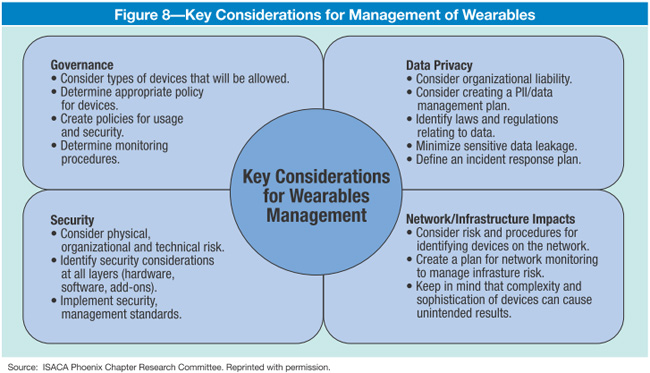
Credit: www.isaca.org

Credit: www.supplychainbrain.com
Frequently Asked Questions
How Can Wearable Technology Improve Workplace Productivity?
Wearable technology tracks real-time data to enhance worker efficiency. It helps monitor health, reduce downtime, and streamline tasks, boosting overall productivity.
What Are The Key Benefits Of Wearables In Offices?
Wearables improve safety, enable hands-free communication, and support health monitoring. They also facilitate remote collaboration and increase employee engagement.
Are Wearable Devices Secure For Workplace Use?
Many wearables use encryption and secure protocols to protect data. Employers must ensure compliance with privacy laws and implement strong security measures.
How Do Wearables Impact Employee Health And Safety?
Wearables detect fatigue, monitor vital signs, and alert users to hazards. This proactive approach reduces accidents and promotes a healthier workforce.
Conclusion
Wearable technology holds great promise for the workplace. It boosts productivity. Employees can track their health and well-being. This leads to fewer sick days. Increased safety is another benefit. Wearables can alert workers to potential hazards. They help create a safer environment.
Communication becomes easier too. Instant updates keep everyone informed. This tech can enhance collaboration. Teams work more efficiently together. Companies should consider adopting wearables. They can improve overall workplace dynamics. The future of work looks bright with wearables. Embracing this technology may lead to significant improvements.
Leave a Reply