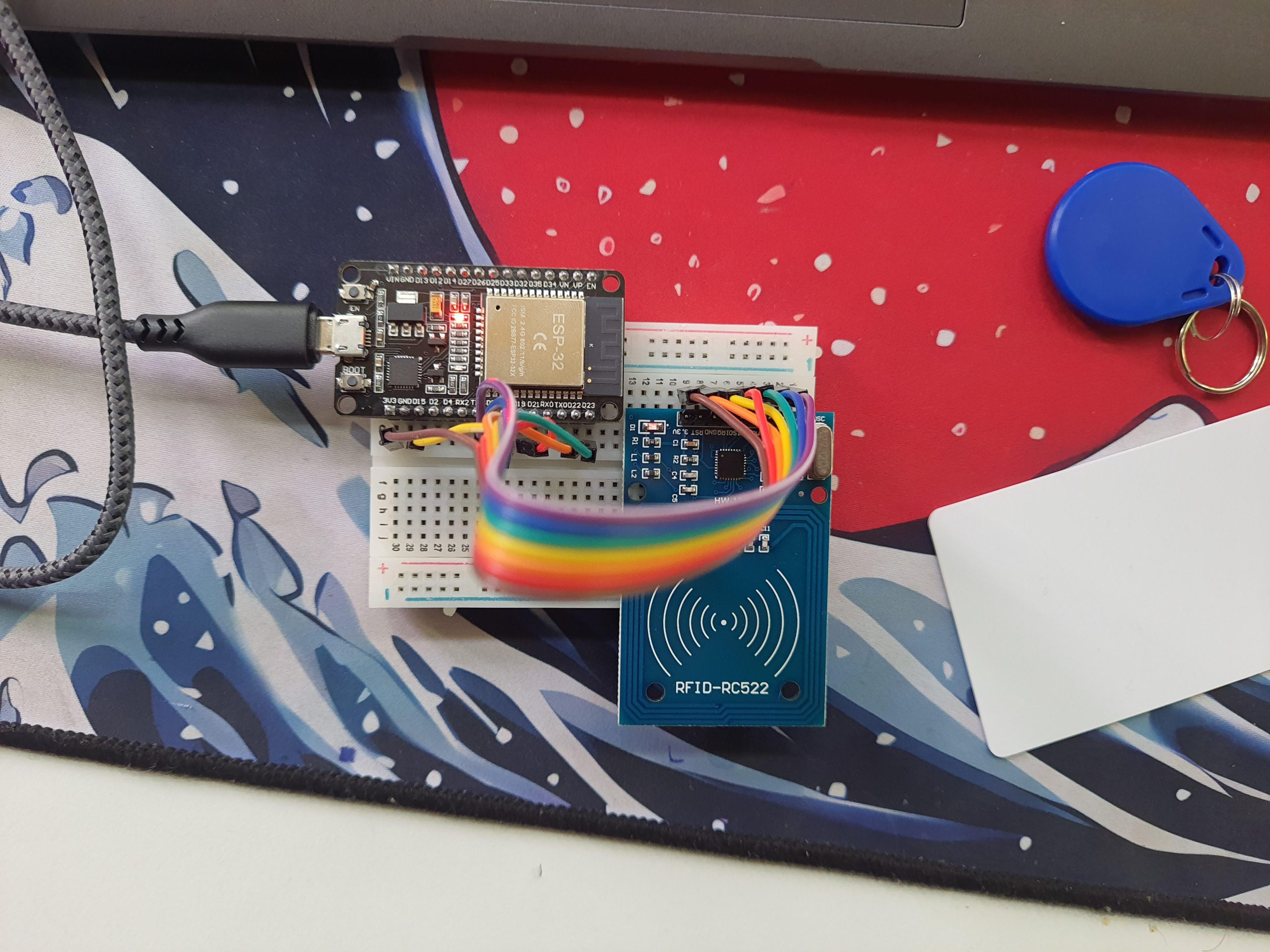
Are you curious about diving into DIY electronics but unsure where to begin? You don’t need to be a tech expert or have a big budget to start creating your own gadgets.
With just a few basic tools and some simple guidance, you can turn your ideas into real projects. This article will show you exactly what you need to get started, step by step. By the end, you’ll feel confident and ready to build your first electronic device.
Keep reading to unlock the secrets that make DIY electronics easy and fun for you!
Basic Tools
Starting with DIY electronics requires a few basic tools. These tools help build, test, and fix circuits safely and easily. Having the right equipment makes projects smoother and more fun.
Even simple tools can improve your skills and results. Focus on quality and ease of use for better performance.
Soldering Equipment
Soldering irons join electronic parts by melting solder. A good soldering iron has adjustable temperature control. It helps prevent damage to sensitive components. Use solder wire with flux core for clean joints. A stand and sponge keep the iron safe and clean.
Multimeter Usage
A multimeter measures voltage, current, and resistance in circuits. It helps find faults and check connections. Digital multimeters are easy to read and use. Learn to test batteries, wires, and components accurately. Always start with the correct measurement mode to avoid errors.
Wire Strippers And Cutters
Wire strippers remove insulation without damaging wires. They come in different sizes for various wire thicknesses. Wire cutters trim wires to the right length. Sharp, precise cutters make clean cuts and prevent frayed ends. Using these tools speeds up wiring tasks and improves connections.
Essential Components
Starting with DIY electronics means knowing the essential parts. These components form the base of every project. Understanding their roles makes building easier and more fun.
Each part has a unique function and works with others to create a working circuit. Collecting the right components helps avoid delays and mistakes.
Resistors And Capacitors
Resistors control the flow of electric current. They protect parts from damage by limiting current.
Capacitors store and release electric charge. They smooth out power supply changes and filter signals.
- Resistors come in different values, measured in ohms.
- Capacitors vary by capacitance, measured in farads.
- Both are small and inexpensive but very important.
Transistors And Diodes
Transistors act like switches or amplifiers in circuits. They control larger currents with smaller signals.
Diodes allow current to flow in one direction only. They protect circuits from damage by blocking reverse current.
- Transistors can amplify signals or switch devices on/off.
- Diodes prevent current from flowing backward.
- Both are vital for controlling electrical flow.
Microcontrollers And Sensors
Microcontrollers are small computers in a chip. They run programs to control other parts of the project.
Sensors detect changes in the environment like light, temperature, or motion. They send information to microcontrollers.
- Popular microcontrollers include Arduino and Raspberry Pi.
- Sensors vary from simple buttons to advanced motion detectors.
- They bring projects to life with smart responses.
Power Supplies
Power supplies are the heart of any DIY electronics project. They provide the energy needed for circuits and devices to work. Choosing the right power source ensures safety and performance. Different projects need different types of power supplies. Understanding these options helps beginners start with confidence.
Batteries And Chargers
Batteries are simple and portable power sources. They come in many sizes and voltages. Rechargeable batteries save money and reduce waste. Chargers help keep batteries ready to use. Always match the charger to the battery type. Batteries are great for projects that need mobility.
Bench Power Supplies
Bench power supplies deliver stable and adjustable voltage. They are ideal for testing and development work. You can change the voltage and current to fit your project needs. These supplies often have safety features like overload protection. A good bench power supply improves project accuracy and safety.
Voltage Regulators
Voltage regulators keep power steady inside circuits. They protect components from voltage spikes or drops. Regulators come in many forms, such as linear or switching types. Using a regulator ensures your device runs smoothly. They are essential for sensitive electronic parts.

Credit: www.youtube.com
Prototyping Gear
Getting started with DIY electronics means having the right prototyping gear at your fingertips. Prototyping gear helps you bring your ideas to life quickly and without fuss. It lets you test circuits, make adjustments, and avoid costly mistakes before finalizing your design.
Breadboards And Jumper Wires
Breadboards are the heart of quick prototyping. They let you build circuits without soldering, so you can change connections anytime. Jumper wires connect components on the breadboard and come in different lengths and colors, making your setup neat and easy to troubleshoot.
Using a breadboard is like having a reusable playground for your circuits. Have you ever found yourself stuck because you soldered something wrong? Breadboards save you from that headache by letting you test and tweak endlessly.
Pcbs And Etching Kits
Once your prototype works on a breadboard, making a printed circuit board (PCB) gives your project a professional touch. You can order PCBs online or create your own using etching kits at home. Etching kits involve transferring your circuit design onto a copper board and then chemically removing unwanted copper.
Homemade PCBs teach you precision and patience. They might take a few tries, but the satisfaction of holding a custom board is worth it. Are you ready to move beyond temporary setups and make something that lasts?
Enclosures And Mounting
Protecting your electronics with enclosures is often overlooked but crucial. A sturdy case keeps your components safe from dust, moisture, and accidental bumps. You can use project boxes, 3D-printed cases, or even repurpose everyday items.
Mounting your circuit inside an enclosure also makes it easier to handle and use. Think about how your project will be used—does it need buttons, displays, or ports accessible? Designing the enclosure with these in mind saves frustration later.
Safety Equipment
Safety is the foundation of every successful DIY electronics project. Without the right safety gear, even simple tasks can turn risky. Protecting yourself not only prevents injuries but also helps you stay focused and confident while working.
Eye Protection
Electronics work often involves soldering, cutting wires, or handling small components that can unexpectedly fly toward your eyes. Safety glasses or goggles act as a barrier against sparks, solder splashes, and debris. Have you ever felt a tiny sharp piece land near your eye? Wearing eye protection stops that from becoming a painful experience.
Ventilation And Fume Extraction
Soldering produces fumes that can irritate your lungs and eyes. Good ventilation is essential to keep the air clean and breathable. A small fan or fume extractor placed near your workspace can pull away harmful smoke before you even notice it. Can you imagine working hours in a closed room filled with solder fumes? That’s a health risk you don’t want to take.
Proper Handling Techniques
Handling electronic components and tools safely reduces the chance of accidents. Avoid touching live circuits, and always use insulated tools when working with electricity. Learning the right grip and angle for tools like wire strippers or pliers can prevent slips and cuts. Have you ever dropped a delicate component because you weren’t holding it correctly? Mastering these techniques saves both your fingers and your project.

Credit: www.reddit.com
Learning Resources
Starting DIY electronics needs good learning resources. These help you understand basics and grow skills. Easy and clear materials make learning fun and less confusing.
Choose resources that fit your style and pace. Some learn better by reading, others by doing or asking questions. Mix different types to get better results.
Books And Tutorials
Books provide detailed info on electronics topics. Look for beginner-friendly titles with clear explanations. Step-by-step tutorials guide you through projects and concepts.
- Basic electronics theory
- Simple circuit designs
- Common components and tools
- Hands-on project instructions
Tutorials often include pictures and diagrams. These make hard ideas easier to understand.
Online Communities
Online groups connect you with other learners and experts. Ask questions, share projects, and get advice. Many forums and social media groups focus on DIY electronics.
- Fast answers to problems
- Support from experienced makers
- Project inspiration and feedback
- Access to tutorials and resources
Participating in communities builds confidence and knowledge over time.
Project Kits For Beginners
Project kits come with parts and instructions. They help you build real circuits step-by-step. Kits teach practical skills and basic electronics concepts.
- Clear, simple projects
- Tools and components included
- Immediate hands-on experience
- Fun and satisfying results
Using kits speeds up learning by doing, not just reading.

Credit: www.reddit.com
Frequently Asked Questions
What Tools Do You Need For Diy Electronics?
To start with DIY electronics, you’ll need a soldering iron, multimeter, wire cutters, and a breadboard. These basic tools will help you build and troubleshoot electronic circuits. As you advance, consider adding a power supply and oscilloscope to your toolkit for more complex projects.
How Do You Choose Electronic Components?
Select components based on your project’s requirements and specifications. Start with resistors, capacitors, and transistors. Research each component’s function and compatibility. Ensure they meet the project’s voltage and current needs. Reading datasheets and consulting online forums can provide valuable insights into choosing the right components.
Where Can You Find Diy Electronics Kits?
DIY electronics kits are available at online retailers like Amazon, SparkFun, and Adafruit. These kits often include all necessary components and instructions. They are perfect for beginners looking to build simple circuits. Local electronics stores may also carry kits, providing a hands-on shopping experience.
How Do You Learn Basic Electronics Concepts?
Learning basic electronics is possible through online tutorials, courses, and books. Websites like Khan Academy and Coursera offer free courses. Books like “Make: Electronics” provide practical knowledge. Engage in hands-on projects to reinforce your understanding. Joining forums and communities can also provide support and inspiration.
Conclusion
Starting DIY electronics needs some basic tools and simple knowledge. A small workspace and patience help a lot. Begin with easy projects to build your skills step by step. Practice often and learn from mistakes along the way. Reading guides and watching videos can make learning clearer.
Keep your goals clear and enjoy the process. Soon, you will feel more confident and ready for bigger projects. Simple steps lead to great results in DIY electronics.
Leave a Reply