Imagine having a tool that understands your needs before you even say a word. For many autistic people, daily challenges can feel overwhelming and isolating.
What if wearable technology could change that? This isn’t just about gadgets—it’s about transforming lives in ways you might never have expected. If you want to discover how a simple device could bring comfort, support, and independence to someone you care about—or even to yourself—keep reading.
This could be the breakthrough you’ve been waiting for.
Rise Of Wearable Technology
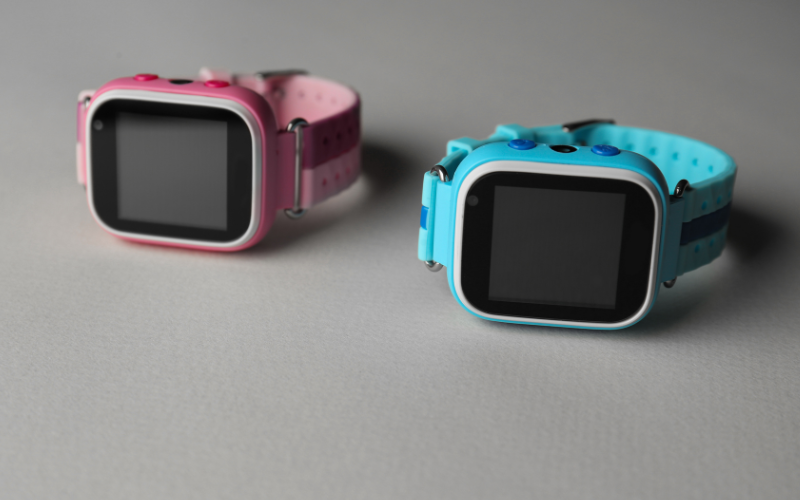
Wearable technology is growing fast and changing how people manage health. Small devices worn on the body now do much more than just tell time. They track movements, monitor heart rates, and even detect stress levels. This rise in wearable tech offers new chances to support people with autism. These devices can help users understand their feelings and stay calm. The technology’s growth makes it more common and affordable for daily use.
Types Of Wearables
Wearable devices come in many forms. Some are wristbands that track physical activity and sleep patterns. Others include smart glasses that help with social cues. There are also devices with sensors for monitoring body temperature and stress. These wearables provide real-time feedback to users. They can alert users or caregivers when help is needed. Many are designed to be comfortable and easy to use all day.
Growth In Healthcare Use
Healthcare is one of the fastest areas adopting wearable technology. Doctors and therapists use these devices to gather data outside clinics. This data helps understand behaviors and needs better. Wearables can detect early signs of anxiety or sensory overload. They support personalized care plans for autistic individuals. The technology also allows for remote monitoring, reducing the need for frequent visits. This growth improves care quality and user independence over time.
Credit: godsownchild.com
Challenges Faced By Autistic People
Autistic individuals often navigate a world that isn’t designed with their needs in mind. The challenges they face can impact everyday activities, from simple conversations to managing overwhelming environments. Understanding these difficulties is crucial if wearable technology aims to make a real difference in their lives.
Communication Barriers
Many autistic people find it hard to express their thoughts and feelings clearly. This can lead to frustration, especially when others misinterpret their intentions. Imagine trying to share something important, but the words just don’t come out right or at all.
Wearable devices that support alternative communication methods could offer timely help. But you might wonder, how can technology truly grasp the nuances of human expression?
Sensory Sensitivities
Sensory overload is a common struggle. Loud noises, bright lights, or certain textures might cause distress or even panic attacks. For someone sensitive to touch, wearing typical gadgets might feel uncomfortable or unbearable.
Could wearable technology be designed to adapt to these sensitivities? Customizable settings and gentle materials might be key to making devices usable and helpful.
Social Interaction Difficulties
Social cues like facial expressions or tone of voice often don’t come naturally to autistic people. This can lead to misunderstandings or feelings of isolation. You might have experienced moments where you didn’t know what to say or how to react in a social setting—imagine feeling that way all the time.
Wearables that provide real-time feedback on social environments could guide users through tricky interactions. Would you find it helpful to have a device gently alert you when someone’s mood changes or when it’s your turn to speak?
Wearables Enhancing Communication
Wearable technology offers new ways to improve communication for autistic people. These devices provide support that helps express thoughts and feelings more clearly. Wearables can reduce frustration and make social interaction easier.
Small, easy-to-use gadgets fit into daily routines. They work quietly and help people connect with others better. This support can boost confidence and independence.
Speech Assistance Devices
Speech assistance wearables help users speak or communicate without words. They use symbols, pictures, or text to create messages. These devices translate thoughts into clear speech sounds.
Many come with touchscreens or buttons for simple use. Users can select phrases or build sentences quickly. This helps in classrooms, homes, and social settings.
Some devices offer voice output that sounds natural. They reduce the stress of speaking and help others understand better. This technology supports both non-verbal and verbal autistic individuals.
Real-time Emotion Recognition
Wearables can detect emotions through facial expressions or body signals. They analyze heart rate, skin conductance, or muscle tension. This data helps identify feelings like stress or excitement.
Real-time feedback lets users notice emotions early. It gives time to calm down or prepare for social interaction. Caregivers and teachers can also respond better to needs.
Emotion recognition wearables improve self-awareness and social skills. They promote understanding between autistic people and those around them. This leads to stronger, more positive connections.
Managing Sensory Overload
Sensory overload affects many autistic people daily. Bright lights, loud sounds, and crowded spaces can cause stress and discomfort. Managing these challenges helps improve their quality of life. Wearable technology offers new ways to ease sensory overload. These devices can detect environmental triggers and provide real-time support. They empower users to stay calm and focused in difficult situations.
Noise-cancelling And Sensory Alerts
Wearable devices with noise-cancelling features help reduce overwhelming sounds. They create a quieter environment by blocking or softening loud noises. Some wearables send alerts about sudden loud sounds nearby. This warning gives users time to prepare or move away. These tools make public places and social events more manageable. They support better concentration and reduce anxiety caused by noise.
Biofeedback And Stress Monitoring
Biofeedback wearables track physical signs of stress like heart rate or skin response. These devices detect when sensory overload is starting. They can alert users to take a break or use calming techniques. Some wearables offer guided breathing or relaxation exercises. Monitoring stress helps autistic people understand their body’s signals. This awareness promotes self-regulation and prevents overload before it worsens.
Supporting Daily Routines
Supporting daily routines is vital for many autistic people. Wearable technology offers simple tools to help keep routines smooth and stress-free. These devices provide useful reminders and track important activities. They help users stay organized and motivated throughout the day.
Reminder And Scheduling Features
Wearables can send gentle alerts for tasks and appointments. These reminders reduce anxiety about forgetting important activities. Users can set custom notifications for:
- Taking medication
- Starting school or work tasks
- Meal and break times
- Therapy sessions or social events
Visual and vibration cues are easy to notice without being disruptive. This helps users follow their daily plans more independently.
Activity Tracking And Motivation
Wearables monitor daily physical and mental activities. They track steps, sleep, and heart rate to provide feedback. Users see progress in simple charts or scores.
This tracking encourages small goals and rewards. It builds motivation through clear, achievable targets. Regular feedback boosts confidence and routine consistency.
Credit: medium.com
Promoting Social Engagement
Wearable technology offers new ways to support social engagement for autistic people. These devices can help users understand social cues and improve interaction skills. Technology can provide real-time feedback and guidance, making social situations less stressful.
Social Cue Detection
Wearables can detect facial expressions, tone of voice, and body language. They alert the user about others’ emotions through simple signals. This helps users recognize feelings like happiness, anger, or confusion. Understanding these cues can improve communication and reduce misunderstandings.
Some devices use vibration or visual prompts to share this information. This feedback is subtle and easy to follow. It allows autistic people to respond more appropriately in conversations.
Guided Interaction Tools
Wearable tools guide users step-by-step during social interactions. They offer suggestions on what to say or do next. These tools can boost confidence and reduce anxiety.
For example, a smartwatch might suggest greetings or topic changes. It can also remind users to maintain eye contact or listen actively. Such support helps users practice social skills in real time.
Case Studies And Success Stories
Case studies and success stories show real impacts of wearable technology on autistic lives. These examples reveal how devices improve daily experiences and support growth. Both personal stories and research trials highlight the benefits clearly.
Individual Experiences
Many autistic individuals share how wearables help them communicate better. Some use smartwatches to track emotions and reduce anxiety. Others find sensors useful for managing sensory overload. These tools offer independence and confidence in daily tasks.
Parents and caregivers report fewer meltdowns and easier routines. Wearables also help recognize early signs of distress. This allows timely support and calmer responses. Real-life feedback shows these devices can make a big difference.
Clinical Trials And Research
Clinical trials test wearables on groups of autistic people. Researchers measure improvements in social skills and emotional regulation. Some studies focus on devices that monitor heart rate and stress levels. Data from these trials guide better product designs.
Research often shows positive changes in behavior and mood. Scientists track progress over weeks or months. Trials confirm that wearables support therapies and enhance quality of life. Ongoing studies continue to explore new uses and benefits.

Credit: www.youtube.com
Limitations And Ethical Concerns
Wearable technology holds great promise for improving the lives of autistic individuals, but it also brings important limitations and ethical questions that deserve your attention. Understanding these concerns helps you weigh the benefits against the potential risks. It’s not just about the technology’s capabilities but how it impacts privacy, access, and fairness.
Privacy And Data Security
Wearables collect sensitive information about your behavior, emotions, and health. This data is valuable but also vulnerable. Imagine a device that tracks your stress levels or social interactions—if that data falls into the wrong hands, it could lead to misuse or discrimination.
You should ask: How is your data protected? Are companies transparent about who can see or use your information? Strong encryption and strict privacy policies are crucial but not always guaranteed.
Accessibility And Affordability
Even the best wearable device means little if you or a loved one can’t afford it or find it difficult to use. Many devices come with high price tags and complex interfaces, which can exclude those who need them most.
Think about whether the technology fits diverse needs and budgets. Can you customize it for different sensory sensitivities or communication styles? Affordable and user-friendly options matter if wearables are to truly make a difference.
Future Directions
The future of wearable technology for autistic individuals holds promising potential. As devices become smarter and more personalized, they can better support daily challenges and enhance communication. Understanding where this field is heading helps you stay informed about tools that might make a real difference in your life or the life of someone you care about.
Technological Innovations
Wearables are evolving beyond simple tracking. New sensors can detect subtle changes in heart rate, skin conductance, and eye movement to better understand emotional states in real time. Imagine a device that alerts you or a caregiver when anxiety is rising, allowing immediate support before a meltdown occurs.
Advances in AI are also making wearables more intuitive. They learn your unique patterns and preferences over time, offering personalized feedback rather than generic advice. This shift from reactive to proactive support can empower you to manage stress and sensory overload more effectively.
Integration With Other Therapies
Wearables are increasingly designed to work alongside traditional therapies, not replace them. For example, combining data from a wearable with speech therapy apps can help track progress and adjust exercises based on real-time feedback. This synergy can make therapy more engaging and tailored to your needs.
Therapists and caregivers can also use wearable data to better understand triggers and responses throughout the day. This insight allows for more targeted interventions and improved communication strategies. Could this mean fewer frustrating moments and more positive interactions in your daily life?
Frequently Asked Questions
What Is Wearable Technology For Autistic People?
Wearable technology includes devices like smartwatches and sensors. These tools help track behaviors, monitor health, and improve communication for autistic individuals. They offer personalized support and can enhance daily living and independence.
How Can Wearables Improve Communication For Autism?
Wearables use apps and sensors to assist in expressing emotions. They provide real-time feedback and support social interactions. This technology bridges communication gaps, making social engagement easier for autistic people.
Are Wearable Devices Safe For Autistic Users?
Yes, most wearable devices are designed with safety in mind. They use non-invasive sensors and comply with health standards. However, users should consult professionals to ensure suitability and comfort for individual needs.
Can Wearables Help Manage Sensory Overload?
Wearable tech can detect stress signals and alert users to sensory overload. Some devices offer calming prompts or environmental adjustments. This helps autistic individuals manage anxiety and maintain comfort in various settings.
Conclusion
Wearable technology holds promising potential for autistic individuals. It offers assistance in daily tasks. Improves communication and social skills. Encourages independence in various activities. These devices can enhance quality of life. They provide real-time feedback and monitoring. Families and caregivers benefit from useful insights.
Technology bridges gaps in understanding and support. It’s crucial to focus on accessibility and affordability. This ensures everyone can benefit equally. Research and development must continue. As wearable tech evolves, it could significantly aid autistic communities. Positive change is on the horizon.
Leave a Reply