Are you curious about the qualifications you need to become a consumer electronic technician? Whether you’re passionate about gadgets, or just want to troubleshoot the latest devices, understanding the educational path to this career is crucial.
Imagine the thrill of knowing exactly how to repair or improve the devices we all rely on daily. We’ll uncover the essential educational steps you need to take. We’ll explore everything from formal degrees to hands-on training, giving you a clear roadmap to your future in this exciting field.
Dive in to discover how you can transform your interest in electronics into a fulfilling career.
Credit: oftc.edu
Career Pathways
Choosing the right career path as a consumer electronic technician depends largely on the education and skills you acquire early on. Your starting point can shape the opportunities available to you in the industry. Understanding the typical roles and how they evolve will help you plan your growth effectively.
Entry-level Roles
Most consumer electronic technicians begin their careers in entry-level positions. These roles usually require a high school diploma combined with specialized training or an associate degree in electronics technology.
Common job titles include:
- Electronics Repair Technician
- Field Service Technician
- Assembly Technician
In these roles, you’ll gain hands-on experience fixing devices, performing diagnostics, and learning manufacturer-specific software. This practical knowledge is crucial for building confidence and technical skill.
Have you thought about how on-the-job learning could complement your formal education? Sometimes, employers value experience almost as much as credentials.
Advanced Positions
With additional education and experience, you can move into advanced roles that demand deeper technical knowledge and leadership abilities. Many technicians pursue certifications or a bachelor’s degree in electronics or electrical engineering to stand out.
Examples of advanced positions include:
- Senior Electronics Technician
- Technical Support Specialist
- Product Development Engineer
- Service Manager
These roles often involve troubleshooting complex systems, leading teams, or contributing to the design and improvement of new electronic products. If you enjoy solving problems and mentoring others, these positions offer both challenge and reward.
What extra skills could you develop now that would prepare you for these higher-level jobs? Think about certifications, advanced courses, or even soft skills like communication and project management.
Core Educational Requirements
Understanding the core educational requirements for a consumer electronic technician is essential if you want to build a strong foundation in this field. The right education equips you with the skills to diagnose, repair, and maintain complex electronic devices efficiently. Let’s break down the key educational steps that prepare you for this hands-on career.
High School Diploma Basics
A high school diploma is the minimum educational requirement to start a career as a consumer electronic technician.
Focus on courses like mathematics, physics, and computer science during high school. These subjects help you understand the principles behind electronic systems and circuits.
Have you noticed how much electronics rely on basic math and problem-solving? Strengthening these skills early makes technical training much easier later on.
Relevant Vocational Training
Vocational training programs provide specialized knowledge and hands-on experience crucial for this job.
- Look for courses in electronics technology, electrical systems, and circuit analysis.
- Many community colleges offer certificates or associate degrees tailored to consumer electronics repair.
- Apprenticeships or internships can also give you real-world experience, which is highly valued by employers.
Think about how working with actual devices during training can boost your confidence and speed up your learning curve. Wouldn’t you prefer learning by doing rather than just reading manuals?
Technical Skills And Certifications
Technical skills and certifications form the backbone of a consumer electronic technician’s education. These skills ensure the technician can diagnose, repair, and maintain a wide range of electronic devices. Certifications prove expertise and increase job opportunities.
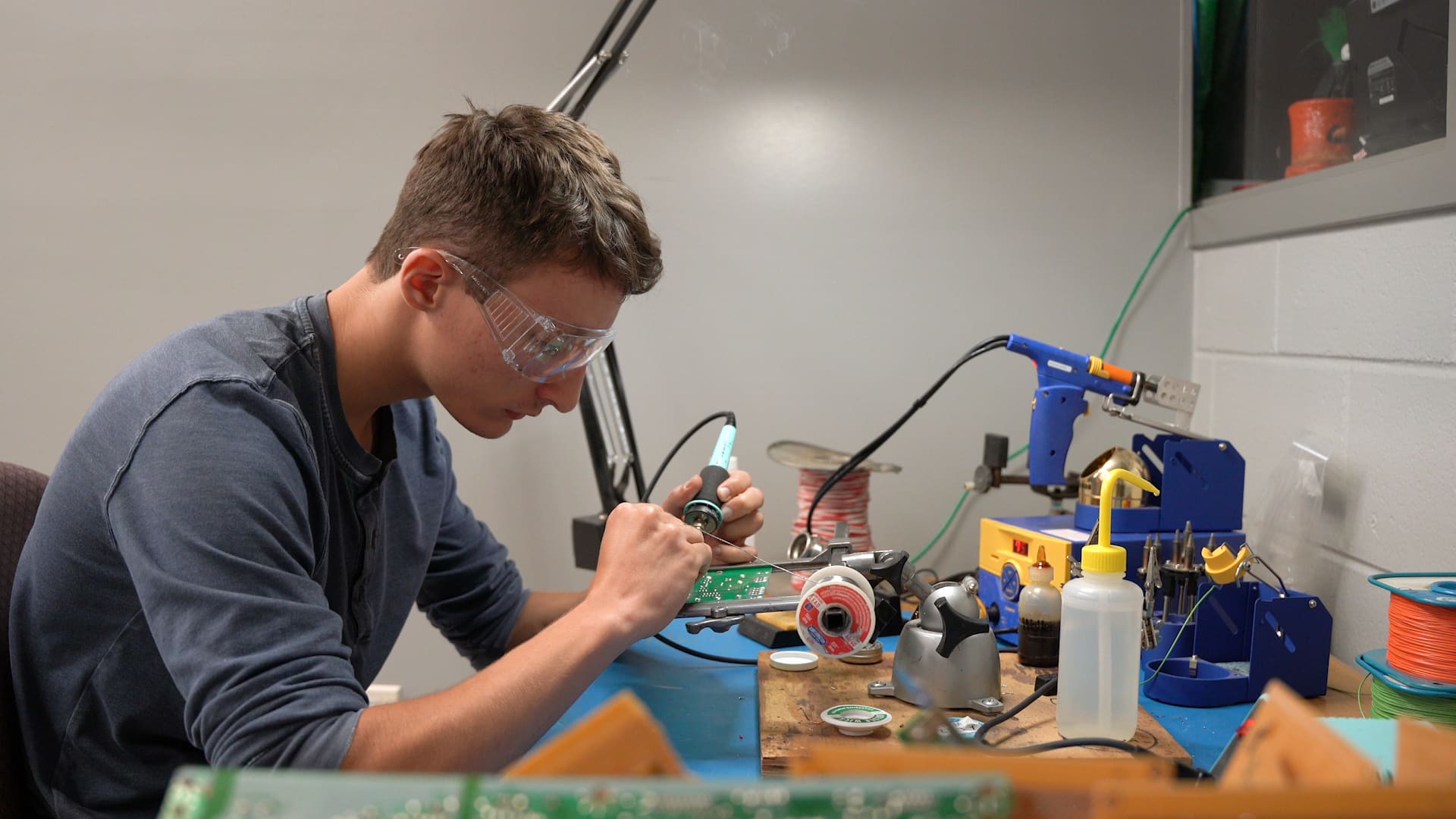
Technicians learn to read schematics, use diagnostic tools, and solder circuit boards. They must keep up with new technology and industry standards. Certifications validate this knowledge and show a commitment to the profession.
Popular Certification Programs
- CompTIA A+ – Covers basic hardware and software skills.
- Certified Electronics Technician (CET) – Focuses on electronics theory and practical skills.
- IPC Soldering Certification – Ensures proper soldering techniques.
- Manufacturer-specific certifications – For brands like Samsung or Sony.
- EPA 608 Certification – Required for handling refrigerants in some electronics.
These certifications enhance a technician’s credibility and job prospects. Many employers prefer certified technicians for technical roles.
Importance Of Hands-on Experience
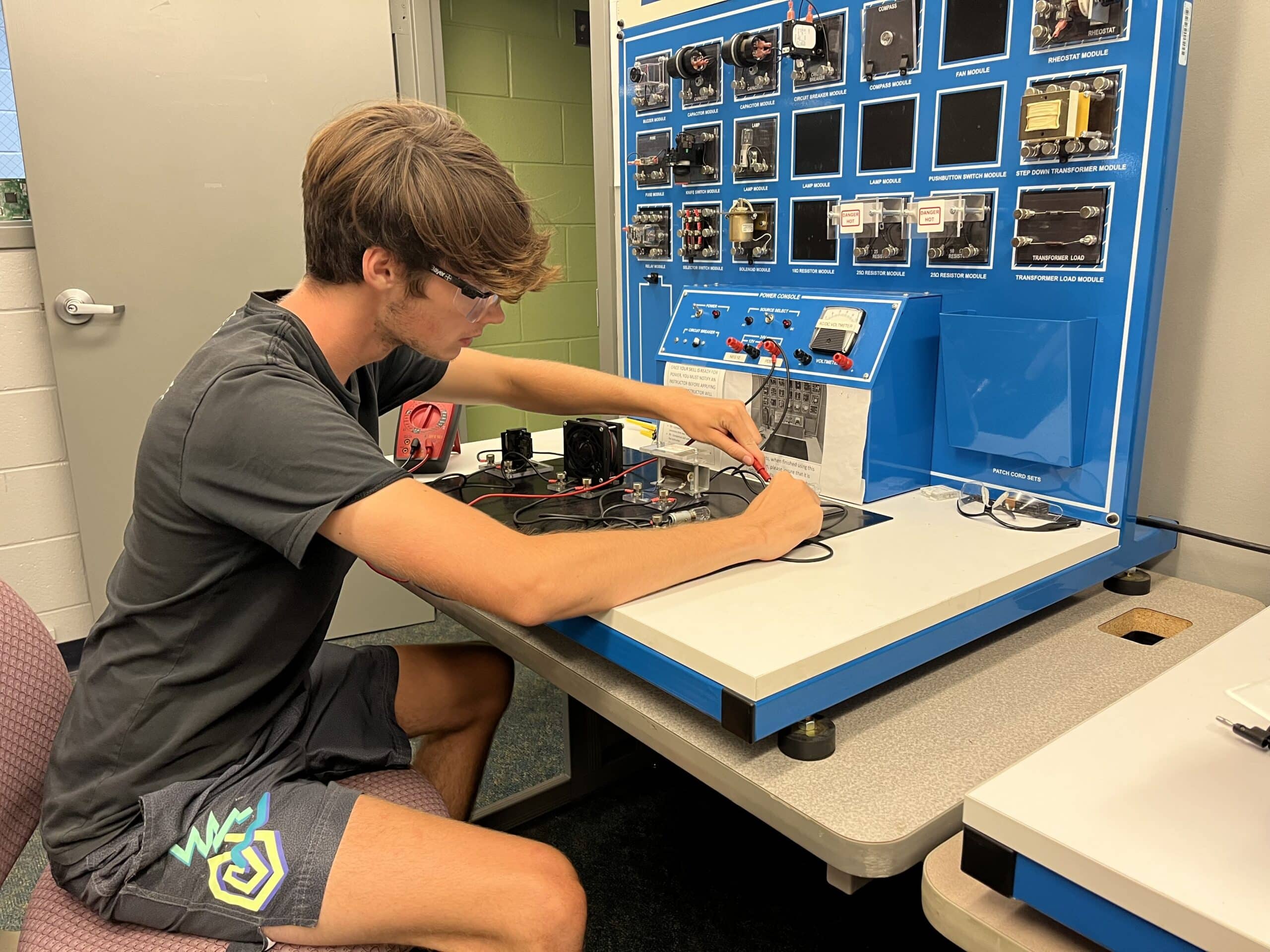
Practical experience is crucial. It builds confidence and sharpens problem-solving skills. Working on real devices teaches what textbooks cannot.
Hands-on training helps technicians understand device components and common faults. It also improves speed and accuracy in repairs. Apprenticeships, internships, and lab work provide valuable experience.
Employers value technicians who combine certifications with real-world skills. This mix leads to better career growth and job security.
Specialized Knowledge Areas
Consumer electronic technicians need a strong foundation in specific knowledge areas. These specialized skills help them repair, maintain, and improve electronic devices. Understanding these areas is key for success in the field.
Circuitry And Electronics
Technicians must understand how electronic circuits work. This includes learning about resistors, capacitors, and transistors. They study how these parts connect and function together. This knowledge helps them fix broken devices accurately and safely.
Troubleshooting Techniques
Technicians learn to find and solve problems quickly. They use tools like multimeters and oscilloscopes to test devices. They follow systematic steps to identify faults. These skills reduce repair time and improve efficiency.
Software And Firmware Basics
Many devices run on software and firmware. Technicians need to know how to update or reinstall these programs. Understanding basic coding and operating systems helps with complex repairs. This knowledge keeps devices running smoothly and up to date.
Continuing Education
Continuing education is vital for consumer electronic technicians. Technology changes fast. Keeping skills updated ensures technicians stay effective and employable. Learning never stops in this field. New tools, devices, and repair methods require ongoing study. This section covers key ways technicians can continue their education.
Workshops And Seminars
Workshops and seminars offer hands-on learning experiences. They focus on specific tools or new technologies. Attending these events helps technicians practice new skills. Experts often lead these sessions. Technicians can ask questions and get direct feedback. These gatherings also provide chances to network with peers. They keep technicians informed about industry trends.
Online Courses
Online courses provide flexible learning options. Technicians can study at their own pace. These courses cover a wide range of topics. From basic electronics to advanced troubleshooting techniques. Many platforms offer certifications after course completion. This adds credibility to a technician’s resume. Online courses often include videos, quizzes, and practical assignments. They suit those who balance work and education.
Industry Updates
Staying updated with industry news is crucial. New products and software appear regularly. Following trade magazines, blogs, and forums helps technicians keep informed. Manufacturers also release technical bulletins and manuals. These documents explain changes and new repair procedures. Subscribing to newsletters from electronics companies offers direct updates. Awareness of industry shifts improves job performance and safety.

Credit: www.ivytech.edu
Soft Skills And Professional Development
Soft skills and professional development are just as crucial as technical know-how for a consumer electronic technician. These abilities help you interact smoothly with customers, troubleshoot efficiently, and manage your workload effectively. They shape your reputation and open doors for career growth.
Communication Skills
Clear communication can make or break your workday. You need to explain technical issues to customers who might not understand electronics jargon. Being able to listen carefully and respond with simple, direct answers builds trust and reduces misunderstandings.
Think about a time when you had to explain a repair cost or timeline. How did your choice of words affect the customer’s reaction? Practice speaking calmly and confidently, whether in person, on the phone, or via email. This skill also helps when collaborating with team members or suppliers.
Problem-solving Abilities
Electronics often don’t come with a clear manual for every issue. Your job is to think critically and find solutions when things go wrong. Developing strong problem-solving skills means you can diagnose faults faster and avoid repetitive errors.
Try breaking problems down into smaller parts and testing different fixes systematically. Ask yourself: What’s the simplest explanation? What have I not checked yet? These questions push you to dig deeper and improve your troubleshooting process over time.
Time Management
Juggling multiple repair jobs or customer requests requires smart time management. You must prioritize tasks to meet deadlines without sacrificing quality. Good time management lets you stay calm under pressure and deliver consistent results.
Use tools like checklists or digital calendars to track your appointments and progress. Setting realistic goals for each day prevents last-minute rushes. How often do you pause to plan your day versus just reacting to tasks? Making time management a habit gives you control over your workload and career.
Choosing The Right Educational Program
Choosing the right educational program is a crucial step in becoming a skilled consumer electronic technician. Your choice impacts not only the quality of your training but also your career opportunities and how quickly you enter the workforce. Let’s break down the key differences to help you decide which path fits your goals and lifestyle best.
Community Colleges Vs Trade Schools
Community colleges often offer comprehensive programs that combine theory with hands-on practice. These programs usually last two years and may provide an associate degree alongside technical certificates.
Trade schools focus more narrowly on practical skills and typically have shorter programs, sometimes just a few months long. This fast-track approach can get you job-ready quickly but may lack the broader academic foundation that community colleges provide.
Think about how much time you want to invest and whether you prefer a program with general education courses included. Also, check if the program offers internships or partnerships with local electronics companies, which can be a big boost to your career start.
Online Vs In-person Learning
Online programs offer flexibility, letting you study at your own pace and from anywhere. This is great if you need to balance school with work or family commitments.
However, consumer electronics require hands-on experience. In-person classes give you direct access to lab equipment and real-time instructor feedback, which can be hard to replicate online.
Some programs blend both formats, providing virtual lectures alongside scheduled lab sessions. Ask yourself: How comfortable are you learning technical skills without immediate hands-on practice? Choosing the right mix can shape how confident you feel when starting your job.
Credit: oftc.edu
Job Market And Salary Expectations
The job market for consumer electronic technicians shows steady growth. Technology advances create new devices requiring skilled technicians. This trend increases job opportunities across many industries. Salary expectations vary based on experience, location, and skill set. Understanding the demand and salary factors helps in career planning.
Demand For Technicians
Consumer electronic technicians are needed in repair shops, retail stores, and manufacturing plants. The rise of smart devices fuels demand for maintenance and troubleshooting. Many companies seek technicians who can handle complex electronics and software. Job openings often increase in urban areas with more businesses and consumers. Technicians with up-to-date skills have better job security and options.
Factors Influencing Salary
Salary depends on education, certifications, and years of experience. Technicians with specialized training in new technologies earn higher wages. Location affects pay; urban centers usually offer better salaries than rural areas. Employers may offer bonuses or benefits based on performance and skills. Working for large companies often pays more than small businesses.
Frequently Asked Questions
What Education Is Needed To Become A Consumer Electronic Technician?
A consumer electronic technician typically needs a high school diploma and specialized technical training. Many complete vocational courses or associate degrees in electronics or related fields. Hands-on experience and certifications enhance job readiness and career prospects.
Are There Specific Degrees Required For Consumer Electronic Technicians?
While a specific degree isn’t mandatory, an associate degree in electronics or electrical technology is beneficial. Technical diplomas or certificates in consumer electronics repair also improve skills. Practical training is crucial for understanding electronic systems.
How Important Is Certification For Consumer Electronic Technicians?
Certification is highly valued as it validates skills and knowledge. Certifications from recognized bodies, like IPC or ETA, boost employability. They demonstrate professionalism and expertise in consumer electronics repair and troubleshooting.
Can On-the-job Training Replace Formal Education?
On-the-job training is essential but usually complements formal education. It offers practical experience with real devices and repair scenarios. Combining both education and training ensures comprehensive technical competence and career growth.
Conclusion
A consumer electronic technician needs solid technical training. Vocational schools and community colleges offer great programs. Hands-on experience is just as important as classroom learning. Staying updated with new technology helps improve skills. Certificates can boost job chances and show expertise.
This education path prepares you well for the job. It opens doors to many career opportunities. Remember, dedication and practice lead to success.
Leave a Reply