Imagine having a device that not only tracks your health but also makes your daily tasks easier and keeps you connected wherever you go. Wearable IoT technology is doing just that, transforming the way you live, work, and stay healthy.
But how can you make the most of this powerful technology in your everyday life? You’ll discover practical ways to use wearable IoT devices that can boost your productivity, improve your well-being, and even save you time and money. Ready to unlock the full potential of wearable tech?
Let’s dive in.
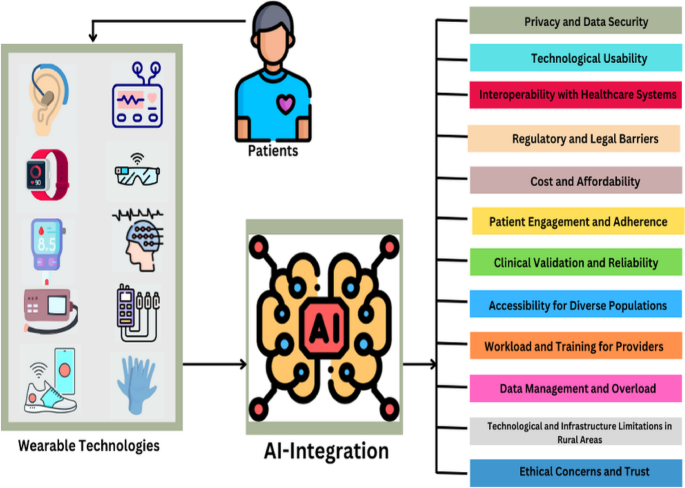
Credit: journalofcloudcomputing.springeropen.com
Wearable Iot Technology Basics
Wearable IoT technology links devices directly to the internet. These wearables collect and share data in real time. They help monitor health, track fitness, and enhance daily life. Understanding their basics is key to using them well.
Core Components
Wearable IoT devices have several main parts. Sensors detect physical signals like heart rate or movement. A processor handles data and runs software. A power source keeps the device working. A user interface lets users interact with the device. These parts work together to gather and process information.
Data Collection Methods
Wearables gather data through different sensors. Optical sensors measure blood flow and heart rate. Accelerometers track motion and steps. Gyroscopes detect orientation and balance. Temperature sensors monitor body heat. These sensors capture data continuously or at set times.
Connectivity Options
Wearables use various ways to connect to the internet or other devices. Bluetooth is common for short-range connections. Wi-Fi allows faster data transfer over longer distances. Cellular networks provide internet access anywhere. Some devices use NFC for quick data exchange. Good connectivity ensures timely data syncing and alerts.
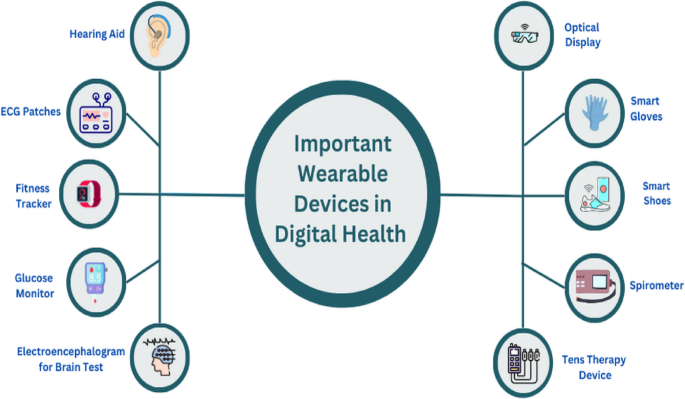
Credit: journalofcloudcomputing.springeropen.com
Key Applications In Healthcare
Wearable IoT technology plays a vital role in healthcare today. It helps doctors and patients stay connected without physical visits. This technology provides real-time data that improves care quality. It also supports healthier lifestyles and better disease control. Here are some key applications where wearable IoT makes a difference in healthcare.
Remote Patient Monitoring
Wearable devices collect health data from patients outside hospitals. This data includes heart rate, blood pressure, and oxygen levels. Doctors receive updates instantly and can spot problems early. Patients avoid frequent hospital trips, saving time and money. Remote monitoring helps keep patients safe at home.
Fitness And Wellness Tracking
Wearables track daily activities like steps, sleep, and calories burned. Users get feedback to improve their fitness levels. This tracking encourages healthy habits and regular exercise. It also helps detect irregular patterns that need medical attention. Fitness tracking supports overall well-being and mental health.
Chronic Disease Management
Wearable IoT devices assist patients managing chronic illnesses. Continuous monitoring helps control conditions like diabetes and asthma. Alerts notify patients and doctors about dangerous changes. Data trends guide treatment adjustments for better results. This technology empowers patients to take control of their health.
Enhancing Workplace Efficiency
Enhancing workplace efficiency is a challenge every organization faces. Wearable IoT technology offers practical tools that directly impact how safely and effectively your team works. By integrating these devices, you can create a smarter, more responsive work environment that supports both safety and productivity.
Employee Safety Solutions
Wearable IoT devices can act as your frontline defense against workplace accidents. Smart helmets and vests equipped with sensors detect hazardous conditions like gas leaks or extreme temperatures instantly. Imagine receiving real-time alerts about a potential risk before it becomes an emergency—this isn’t just technology; it’s a lifeline.
These devices also track workers’ vital signs to prevent fatigue-related incidents. If your team is working in physically demanding roles, wearables can notify supervisors when someone needs a break. This proactive approach reduces downtime caused by injuries and keeps your workforce healthier.
Productivity Monitoring
Tracking productivity doesn’t have to feel intrusive. Wearable IoT tools provide objective data on movement, task completion, and time spent on activities without constant supervision. You can identify bottlenecks and optimize workflows based on real insights instead of guesswork.
For example, wrist-worn devices can measure the time workers spend on specific tasks and their physical activity levels. This helps managers understand which tasks take longer and why. Have you considered how transparent data could help your team self-manage and improve performance?
Wearable Devices In Industrial Settings
In industries like manufacturing and construction, wearables are transforming daily operations. Devices such as smart glasses offer hands-free access to manuals or remote expert support, cutting down errors and downtime. This practical use of technology keeps your team focused on the task, not on searching for information.
Another example is location tracking wearables, which ensure workers remain within safe zones and allow quick responses if someone enters a restricted area. These devices make your workplace safer and operations smoother without adding complexity.
Smart Wearables In Daily Life
Smart wearables have become an essential part of our daily routines, blending technology seamlessly into everyday tasks. These devices do more than just tell time—they assist, guide, and entertain you throughout the day. Understanding how to use their full potential can enhance your productivity and overall lifestyle.
Personal Assistants And Notifications
Your smartwatch or fitness band can act as a personal assistant, managing notifications so you never miss important messages or calls. Imagine attending a meeting without pulling out your phone; discreet vibrations alert you to urgent emails or reminders. This hands-free approach helps you stay focused while staying connected.
Many smart wearables also support voice commands, allowing you to set alarms, check the weather, or control smart home devices without lifting a finger. How often do you find yourself fumbling for your phone when you could simply speak to your wrist?
Location Tracking And Navigation
Wearables with GPS capabilities offer real-time location tracking and turn-by-turn navigation right on your wrist. Whether you’re jogging through a new park or exploring a city, these devices provide directions without the need to pull out your phone.
Parents and caregivers can use location tracking features to keep an eye on loved ones, enhancing safety and peace of mind. Have you considered how this technology might simplify your daily travels or improve security for your family?
Lifestyle And Entertainment
Smart wearables also enrich your lifestyle by tracking fitness goals, monitoring sleep, and managing stress levels. They motivate you to move more and rest better, helping maintain a balanced routine.
On the entertainment side, you can control music playback, listen to podcasts, or receive news updates directly from your wrist. This convenience means you can enjoy your favorite content without interrupting your flow or reaching for your phone.
Challenges And Limitations
Wearable IoT technology offers many benefits, but it faces real challenges and limits. These barriers affect its use and growth. Understanding these issues helps in finding better solutions. Below are key challenges that impact wearable IoT devices today.
Privacy And Security Concerns
Wearable devices collect personal data constantly. This data can include health, location, and habits. Without strong protection, this sensitive information can be stolen or misused. Many users worry about who accesses their data and how it is used. Weak security in devices or networks increases risk. Developers must focus on encryption and secure data handling.
Battery Life And Device Durability
Wearable IoT gadgets need to work for long hours without frequent charging. Short battery life frustrates users and limits device use. Making batteries last longer without increasing size is tough. Devices also face wear and tear from daily use. They must resist sweat, water, and drops. Durable materials and smart power management are vital.
Data Accuracy And Reliability
Users depend on wearables for precise data. Incorrect readings can cause wrong decisions or health risks. Sensors can be affected by movement, placement, or environment. Ensuring consistent and accurate data is challenging. Developers need to improve sensor quality and use smart algorithms. Reliable data builds user trust and device value.
Future Trends And Innovations
Wearable IoT technology is evolving fast. New trends and innovations promise to change how we use these devices daily. These advances will improve accuracy, usability, and the range of functions. The future holds exciting possibilities for both consumers and industries.
Integration With Ai And Machine Learning
AI and machine learning help wearables understand user habits better. Devices can analyze data in real-time to provide smarter feedback. This integration allows personalized health tips and alerts. It also improves decision-making for fitness and medical monitoring.
Advancements In Sensor Technology
Sensors are becoming smaller and more sensitive. They can track more health metrics like blood pressure and hydration. New materials make sensors more comfortable to wear for long periods. Improved battery life supports continuous data collection without frequent charging.
Emerging Use Cases
Wearable IoT is expanding beyond fitness and health. Industries like manufacturing use wearables for worker safety and productivity. Smart clothing and accessories offer new ways to interact with technology. Education and entertainment sectors also explore immersive experiences with wearables.
Steps For Practical Implementation
Practical implementation of wearable IoT technology requires clear steps. These steps ensure devices work well and users benefit. A smooth process helps avoid issues and boosts success.
Each step focuses on a key part of the project. From choosing devices to managing data and training users, every element matters.
Selecting The Right Wearable Devices
Choose devices that fit the specific needs of your project. Look for features like battery life, comfort, and data accuracy. Ensure devices can connect easily to your existing systems. Check compatibility with software and hardware already in use. Consider user feedback and device reviews before final decisions.
Data Management And Analysis
Collect data securely and store it efficiently. Use cloud services or local servers based on your needs. Clean and organize data to avoid errors. Apply analysis tools to gain useful insights from raw data. Protect user privacy by following data regulations strictly.
User Adoption And Training
Make users comfortable with new wearable technology. Provide simple training sessions to explain device use. Share clear instructions and troubleshooting tips. Encourage users to ask questions and give feedback. Regular updates and support improve long-term adoption.

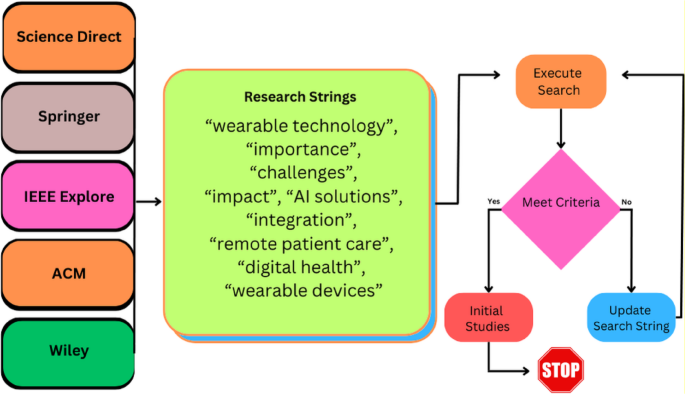
Credit: www.mdpi.com
Frequently Asked Questions
What Are Common Uses Of Wearable Iot Technology?
Wearable IoT devices track health, fitness, and sleep patterns. They also enable real-time monitoring and notifications. Industries use them for safety and productivity improvements. These practical uses enhance daily life and work efficiency.
How Does Wearable Iot Improve Healthcare?
Wearable IoT monitors vital signs continuously and alerts users and doctors. It helps in early disease detection and chronic condition management. This technology supports remote patient monitoring, reducing hospital visits and improving care quality.
Can Wearable Iot Boost Personal Fitness Tracking?
Yes, wearable IoT tracks steps, heart rate, and calories burned. It provides personalized workout recommendations and progress reports. This helps users stay motivated and achieve fitness goals effectively.
What Industries Benefit Most From Wearable Iot?
Healthcare, manufacturing, logistics, and sports industries benefit greatly. Wearables enhance worker safety, monitor health, and improve operational efficiency. This technology supports real-time data collection and decision-making.
Conclusion
Wearable IoT technology improves our daily lives. It offers health monitoring, fitness tracking, and more. These devices make life easier and more efficient. Users gain valuable insights into their health and activities. This helps in making informed decisions. Industries also benefit from real-time data and analytics.
As technology advances, the potential grows. More practical applications will emerge. Wearables will continue to evolve and integrate. The future holds exciting possibilities for everyone. Embrace this technology and explore its benefits. It’s a step towards a smarter, more connected world.
Leave a Reply