Are you passionate about electronics and eager to share your knowledge with others? You’ve spent hours tinkering, learning, and creating—now it’s time to let your voice be heard.
But where can you publish your electronics hobby articles so they reach the right audience? Finding the perfect platform can boost your confidence, grow your network, and even open doors to new opportunities. Keep reading to discover the best places where your electronics articles can shine and make an impact.
Credit: medium.com
Popular Electronics Platforms
Finding the right platform to publish your electronics hobby articles can boost your reach and connect you with fellow enthusiasts. Popular electronics platforms offer a variety of ways to share your knowledge, from interactive discussions to formal publications. Choosing the right one depends on your content style and the audience you want to engage.
Electronics Forums
Electronics forums are vibrant communities where hobbyists and professionals exchange ideas and troubleshoot problems. Sites like EEVblog and All About Circuits let you post detailed articles, ask questions, and get instant feedback from experienced members.
Sharing your articles here can spark conversations and improve your writing through peer input. Have you ever received unexpected insights just by posting a simple question? Forums make that possible and help you build a loyal following.
Diy Electronics Websites
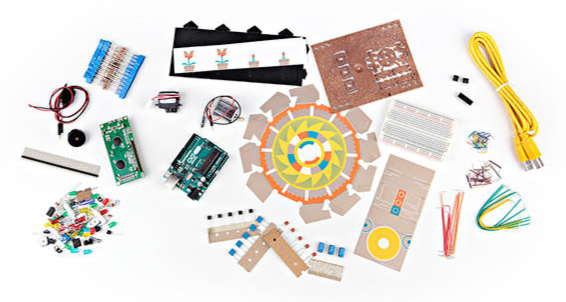
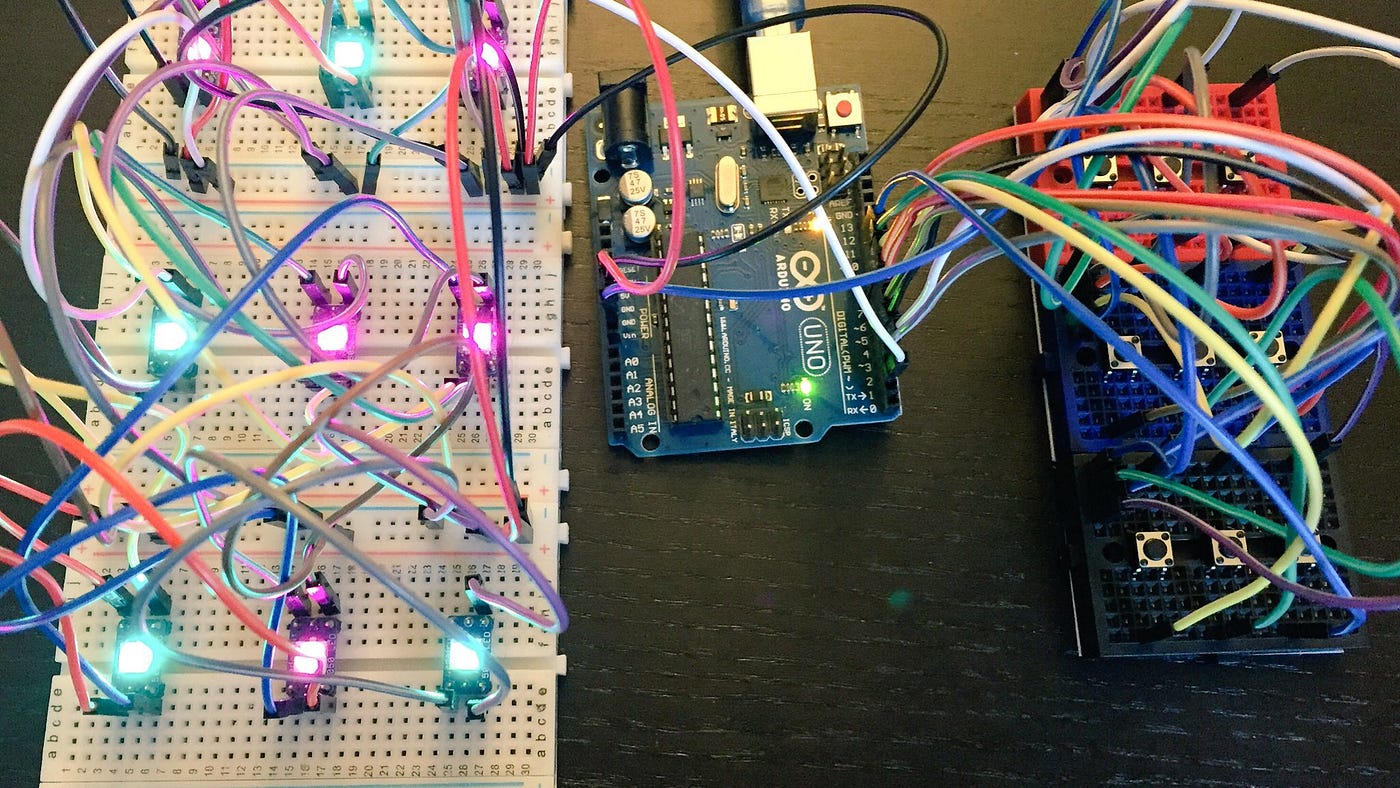
DIY electronics websites cater specifically to makers who love hands-on projects. Platforms like Instructables and Hackaday allow you to publish step-by-step tutorials, complete with photos and schematics.
These sites attract readers eager to try new projects, so your article can inspire real-world applications. Imagine your project being replicated by thousands—these websites make that happen by connecting you directly with the DIY community.
Electronics Magazines
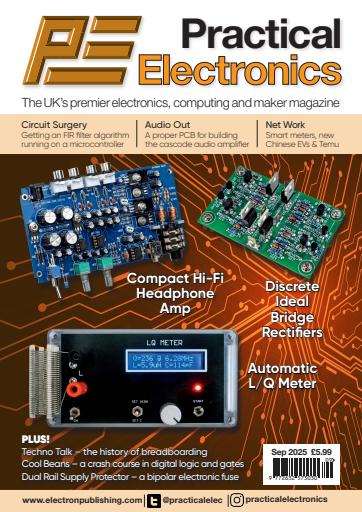
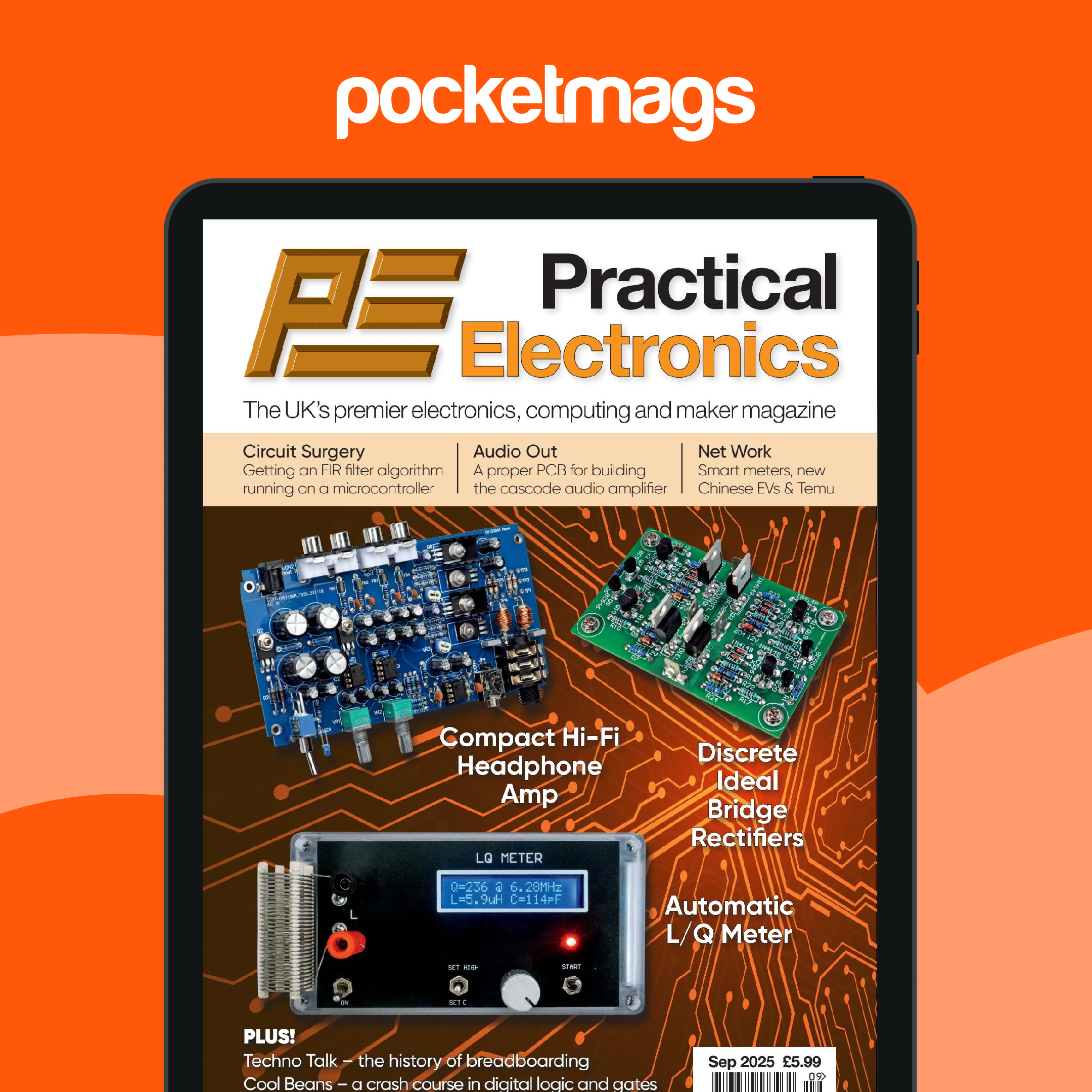
Traditional and digital electronics magazines offer a more formal avenue for your articles. Magazines such as Make: Magazine and Nuts and Volts accept submissions and reach dedicated readers who value in-depth analysis.
Publishing here can add credibility to your work and open doors to collaborations. Would you like your article to appear alongside industry leaders? Magazines help position your voice among the experts.
Credit: medium.com
General Content Platforms
General content platforms offer a wide range of options for electronics hobbyists to share their knowledge and projects. These platforms reach diverse audiences and allow you to present your ideas in different formats. Choosing the right one depends on how you want to engage with readers and what kind of content you prefer to create.
Blogging Sites
Blogging sites like Medium, WordPress, and Blogger provide simple ways to publish detailed articles. You can write step-by-step tutorials, reviews, or opinion pieces about your electronics projects. These platforms often come with built-in communities interested in technology, which helps your articles get noticed.
When I started sharing my soldering tips on Medium, I found readers asking questions and sharing their own experiences. This back-and-forth made my posts more valuable and encouraged me to write more. You can also customize your blog’s look to reflect your personal style, making your content stand out.
Social Media Channels
Social media platforms such as Facebook, Twitter, and LinkedIn let you share shorter, more frequent updates about your projects. You can join groups or pages dedicated to electronics hobbies, where members actively discuss ideas and troubleshooting tips. These channels are great for quick tips, photos, and links to longer articles.
Have you ever noticed how a well-timed tweet or a Facebook post can spark a lively discussion? Using hashtags related to electronics can increase your post’s visibility to people who share your interests. You can also use polls and questions to involve your audience and learn what topics they want next.
Video Sharing Platforms
Video platforms like YouTube and TikTok offer powerful ways to demonstrate your electronics projects visually. Showing your hands soldering a circuit or assembling components can help others understand complex steps better than text alone. Videos also tend to attract more engagement and can build a loyal following over time.
When I uploaded a video explaining how to build a simple radio, the comments section became a mini forum. Viewers shared modifications and troubleshooting tips that enriched the original content. You don’t need fancy equipment to start; even a smartphone with clear audio can make your videos effective.
Niche Hobbyist Communities
Niche hobbyist communities offer a perfect platform for electronics enthusiasts. These spaces bring together people who share the same passion. They provide a focused audience eager to read and share your articles. Publishing here helps you connect with like-minded hobbyists and gain valuable feedback. Such communities value detailed, practical content that sparks discussions and learning.
Maker Spaces And Networks
Maker spaces are physical or online hubs for creators and tinkerers. They provide tools and resources for hands-on projects in electronics. Many maker spaces host blogs or newsletters where members publish articles. Sharing your work here reaches people actively building and experimenting. Articles about project guides, troubleshooting, and new ideas fit well. Maker networks also include forums and social media groups. These channels allow article sharing and lively interaction with readers.
Open Source Electronics Groups
Open source electronics groups focus on collaborative projects and shared knowledge. These communities encourage transparency and free access to designs and code. Publishing articles here helps spread innovative ideas and useful hacks. Members appreciate detailed tutorials, open hardware reviews, and coding tips. Platforms like GitHub, Hackaday, and dedicated forums host such content. Articles that invite contributions and improvements gain strong engagement. Open source groups form a supportive space for continuous learning.
Academic And Technical Journals
Academic and technical journals offer a credible platform for electronics hobbyists. These publications focus on detailed research, technical insights, and practical applications. Articles published here reach readers who value in-depth knowledge and innovation in electronics. It is a great way to share new ideas and contribute to the field’s growth.
Trade Journals
Trade journals target professionals and enthusiasts in the electronics industry. They publish articles on the latest trends, product reviews, and hands-on projects. These journals often accept well-researched hobby articles that offer useful tips and technical know-how.
Publishing in trade journals helps hobbyists connect with a wider audience. It can improve your credibility and open doors for collaboration. Some popular trade journals include:
- Electronics Weekly
- EE Times
- Embedded Systems Design
University Publications
University publications provide a platform for academic and student writers. They include research papers, project reports, and review articles related to electronics. These publications encourage clear, well-structured writing supported by evidence.
Submitting articles to university journals can boost your academic profile. It also allows you to share innovative ideas with students and faculty. Look for opportunities in engineering department newsletters or student-run science magazines.
Tips For Choosing The Right Platform
Choosing the right platform to publish your electronics hobby articles can make a huge difference in how your work is received and how much impact you can create. It’s not just about putting your content out there; it’s about connecting with the right audience, using the best format for your ideas, and sometimes even earning from your passion. Understanding what matters most to you will help you pick a platform that truly fits your goals.
Audience Reach
Think about who you want to read your articles. Are you targeting beginners who need simple explanations or experts looking for detailed technical insights? Platforms like Instructables or Hackaday attract hobbyists who love step-by-step guides and project ideas.
Consider the size and engagement of the platform’s community. A large audience doesn’t always mean your article will get attention. Sometimes smaller, niche forums or specialized blogs have readers who value quality content more deeply.
Ask yourself: where do people interested in electronics already hang out online? Joining communities like Reddit’s r/electronics or specialized Facebook groups can boost your article’s visibility quickly.
Content Format
Different platforms support different types of content. Do you prefer writing detailed text articles, or do you want to include lots of images, videos, or even interactive schematics? Sites like Medium are great for clean, text-focused articles, while YouTube or embedded video blogs help explain complex projects visually.
Some platforms let you add downloadable files such as code or circuit diagrams, which can be a big plus for electronics hobbyists. Check if the platform supports these formats before committing.
Think about how you like to communicate your ideas. Would a long-form article or a quick tutorial fit your style better? Pick a platform that matches your content style to keep your readers engaged.
Monetization Options
If earning from your hobby is important, look for platforms that offer monetization tools. Some websites allow ad revenue sharing, sponsored posts, or even paid subscriptions. For example, Medium’s Partner Program pays writers based on reader engagement.
Other platforms might let you sell your own projects, kits, or eBooks directly to your audience. Sites like Etsy or Tindie can complement your article publishing by providing a marketplace for your creations.
Consider whether you want full control over your income or are okay with sharing revenue with the platform. Weigh the pros and cons to find the best financial fit for your work.
Credit: pocketmags.com
Frequently Asked Questions
Where Can I Publish My Electronics Hobby Articles?
You can publish electronics hobby articles on platforms like Instructables, Hackaday, and Medium. These sites attract tech enthusiasts and offer easy publishing options. Joining electronics forums with article sections, like EEVblog, also helps share your work with a targeted audience.
Are Electronics Hobby Articles Accepted On Popular Blogging Sites?
Yes, popular blogging sites like Medium and WordPress welcome electronics hobby articles. These platforms provide wide reach and customization. You can also use LinkedIn to share articles with professional networks interested in electronics topics.
What Websites Pay For Electronics Hobby Articles?
Websites like Hackaday, Make: Magazine, and Circuit Cellar pay for quality electronics hobby articles. These platforms seek well-researched, original content. Payment terms vary, so check submission guidelines before pitching your article.
How To Increase Visibility Of My Electronics Articles?
Use SEO-friendly titles, keywords, and meta descriptions in your articles. Share your content on social media and electronics forums. Engaging visuals and step-by-step guides boost reader interest and sharing potential.
Conclusion
Finding the right platform boosts your electronics hobby articles. Choose websites that match your interests. Consider platforms like Medium, Hackster. io, or personal blogs. These options offer a space to share your projects. Engage with fellow enthusiasts and gain feedback.
Consistent posting helps build your audience. Stay curious and keep exploring new ideas. Your passion for electronics can inspire others. Make your voice heard in the community. Share, connect, and grow. Keep creating and sharing your electronic projects with the world.
Your journey can be both rewarding and fun. Happy writing!
Leave a Reply