
Have you ever wondered how wearable technology can make your life easier? These smart devices are more than just gadgets—they solve real problems you face every day.
From keeping track of your health to boosting your productivity, wearables are designed to help you in ways you might not expect. You’ll discover the surprising challenges wearable technology tackles and how it can improve your daily routine. Keep reading to find out how these tiny devices can make a big difference for you.
Health Monitoring
Wearable technology helps people keep track of their health easily. It offers real-time data that helps users understand their body better. This tech is useful for everyone, from fitness enthusiasts to patients with health issues.
Wearables make health monitoring simple and accessible. They provide important information that helps prevent serious problems. The devices are small but deliver powerful insights about the user’s health.
Tracking Vital Signs
Wearables track key vital signs like heart rate, temperature, and oxygen levels. They collect data continuously, giving a clear picture of health trends. Users can see changes and take action quickly.
This constant monitoring helps spot irregularities early. It supports daily wellness and helps avoid emergencies. The data is easy to access on smartphones or other devices.
Managing Chronic Conditions
Wearable devices help people manage conditions like diabetes and asthma. They remind users to take medicine and monitor symptoms. This reduces hospital visits and improves quality of life.
Data collected helps doctors make better treatment decisions. It allows for personalized care based on real-time information. Users feel more in control of their health every day.
Early Disease Detection
Wearables can detect signs of illness before symptoms appear. They notice small changes in vital signs that indicate health problems. Early detection leads to faster treatment and better outcomes.
Devices alert users to seek medical advice promptly. This reduces risks and increases chances of recovery. Wearable technology supports proactive health care for everyone.
Fitness And Activity
Wearable technology has become a game-changer for fitness and activity tracking. It helps you stay motivated and informed about your physical health. You no longer have to guess if you’re meeting your fitness goals—you get precise data right on your wrist.
Encouraging Regular Exercise
Wearables remind you to move, even when your day feels packed. They send gentle nudges if you’ve been sitting too long, encouraging short walks or stretches. These small prompts can add up, helping you build a steady exercise habit without feeling overwhelmed.
Think about the last time you ignored a reminder to stand or walk—did it make you more aware of your activity level? That awareness alone often sparks action.
Personalized Workout Plans
Not all workouts suit everyone. Wearables use your data to tailor exercises that fit your fitness level and goals. Whether you want to lose weight, build strength, or improve endurance, your device can suggest workouts that challenge you just right.
Some devices even adjust plans based on how well you recover, preventing burnout. This personalized approach keeps your routine effective and enjoyable.
Sleep Quality Improvement
Good fitness isn’t just about active hours—it includes rest. Wearables track your sleep patterns and highlight issues like frequent waking or insufficient deep sleep. Knowing these details helps you make changes to improve your rest.
Better sleep means better energy for workouts and daily activities. Have you noticed how a poor night’s sleep affects your motivation to exercise the next day? Wearables can help you break that cycle.
Safety And Security
Wearable technology plays a vital role in enhancing safety and security for users. These devices offer features that help people respond quickly during emergencies and keep their loved ones safe. The constant connection to wearable gadgets provides peace of mind in many situations.
Emergency Alerts
Wearables can send immediate alerts to emergency contacts or services. This feature works well for sudden health issues or accidents. A simple button press or automatic trigger notifies help instantly. Quick alerts can save lives by reducing response time.
Location Tracking
Location tracking allows users to share their real-time position with trusted contacts. Parents use this to monitor children’s whereabouts for added safety. Caregivers track elderly family members to prevent wandering. This feature helps find people quickly in case of danger.
Fall Detection
Fall detection sensors identify hard falls and unusual movements automatically. The device then sends alerts to emergency contacts without user action. This feature is especially helpful for seniors or people with health risks. Immediate assistance can be provided even if the person cannot call for help.
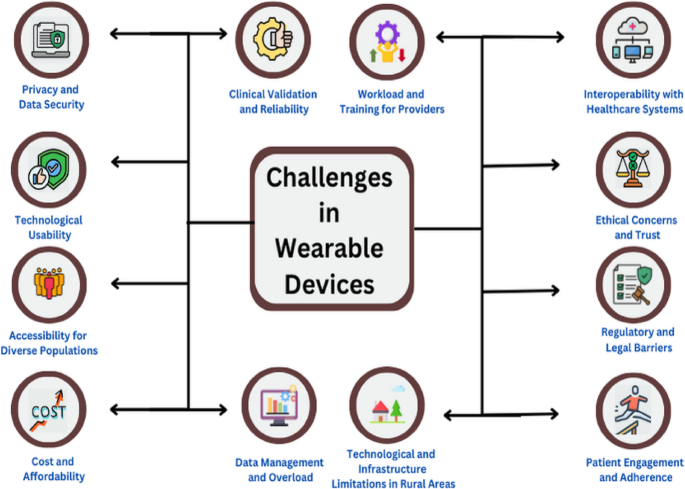
Credit: journalofcloudcomputing.springeropen.com
Productivity Enhancements
Wearable technology boosts productivity by making daily tasks easier and faster. It helps users stay connected, manage time, and focus better. These devices fit seamlessly into routines, cutting down delays and interruptions.
Hands-free Communication
Wearables like smartwatches and earbuds allow calls without using hands. This lets users talk while doing other tasks. Quick responses keep work moving smoothly. Voice commands reduce the need to pull out phones. This saves time and keeps attention on important activities.
Time Management Tools
Many wearables include alarms, timers, and calendar alerts. These tools remind users about meetings and deadlines. They help break work into smaller, manageable parts. Users track progress and stay on schedule easily. This lowers stress and increases efficiency throughout the day.
Reducing Distractions
Wearable devices filter notifications to only show what matters. This stops constant interruptions from less important alerts. Focus improves as users control when to check messages. Some devices offer “Do Not Disturb” modes for deep work periods. The result is better concentration and faster task completion.
Accessibility Solutions
Wearable technology plays a key role in making daily life easier for people with disabilities. It offers accessibility solutions that help overcome challenges in vision, hearing, and movement. These devices improve independence and communication.
Assisting The Visually Impaired
Wearables help visually impaired individuals navigate spaces safely. Smart glasses and wristbands use sensors to detect obstacles. They provide audio feedback or vibrations to alert users. Some devices convert text to speech, making reading possible. These tools increase confidence and freedom.
Supporting Hearing Loss
Wearable technology supports those with hearing loss through advanced hearing aids and cochlear implants. These devices enhance sound clarity and reduce background noise. Some smart earbuds translate speech into text on a connected screen. They also connect to phones for calls and messages. This helps users stay connected and understand conversations better.
Enhancing Mobility
Mobility wearables assist people with movement difficulties. Exoskeletons and smart braces provide support and strength. They help users walk or perform daily tasks more easily. Fitness trackers monitor physical activity and health metrics. This encourages better movement and independence.
Mental Health Support
Mental health support is a key benefit of wearable technology. These devices help users manage stress, stay mindful, and track moods easily. They offer real-time data and gentle nudges to improve emotional well-being.
Wearables bridge the gap between mental health needs and everyday life. They provide tools that promote calmness and self-awareness. This support can make a big difference for many people.
Stress Monitoring
Wearable devices measure signs of stress like heart rate and skin temperature. They alert users when stress levels rise. This early warning helps people take action before stress worsens.
Users can see patterns of stress throughout their day. This insight helps identify triggers and plan better responses. Wearables turn invisible stress into visible data.
Mindfulness Reminders
Wearables send gentle reminders to pause and breathe. These short breaks encourage mindfulness during busy days. Such prompts help reduce anxiety and improve focus.
Some devices guide users through breathing exercises or meditation. This support makes mindfulness easy and accessible. Regular practice can boost mood and calm the mind.
Mood Tracking
Wearables allow users to log their moods quickly. This tracking shows emotional trends over time. Patterns in mood can reveal what helps or harms mental health.
Users gain better understanding of their feelings. This knowledge aids communication with doctors or therapists. Mood tracking empowers users to take control of their mental health.
Lifestyle Convenience
Wearable technology makes daily life easier and more efficient. These devices offer convenience in many ways. They help save time and reduce effort in simple tasks. Smartwatches and fitness bands do more than track health. They connect to other devices and services. This connection helps people manage their routines smoothly. Here are some key conveniences wearable technology provides.
Contactless Payments
Wearables allow quick payments without cash or cards. Just a tap of the wrist completes a purchase. This reduces the need to carry a wallet. Payments become faster at stores, cafes, and transit. It also adds security by using encryption and tokenization. Users avoid sharing card details directly. This convenience fits busy lifestyles and on-the-go moments.
Smart Home Integration
Wearable devices can connect with smart home systems. Users control lights, temperature, and locks from their wrist. This remote access adds comfort and saves time. Adjust settings before arriving home or from the couch. Voice commands and simple taps make it easy. Integration helps create a seamless living environment. It also supports energy saving by managing devices smartly.
Personalized Notifications
Wearables deliver alerts tailored to individual needs. Users get messages, calls, and reminders instantly. Notifications can be filtered to reduce distractions. Important updates reach the user without pulling out a phone. Health alerts, calendar events, and news are easy to track. This feature keeps people organized and informed throughout the day. Notifications on the wrist help maintain focus and flow.
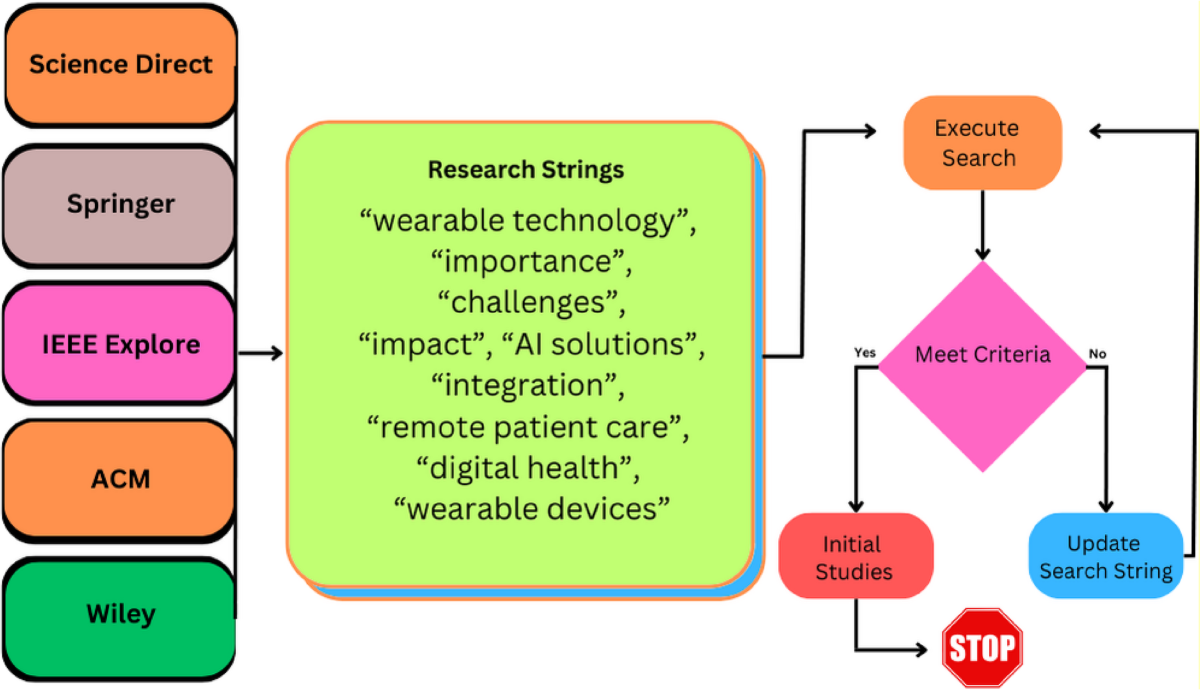
Credit: journalofcloudcomputing.springeropen.com
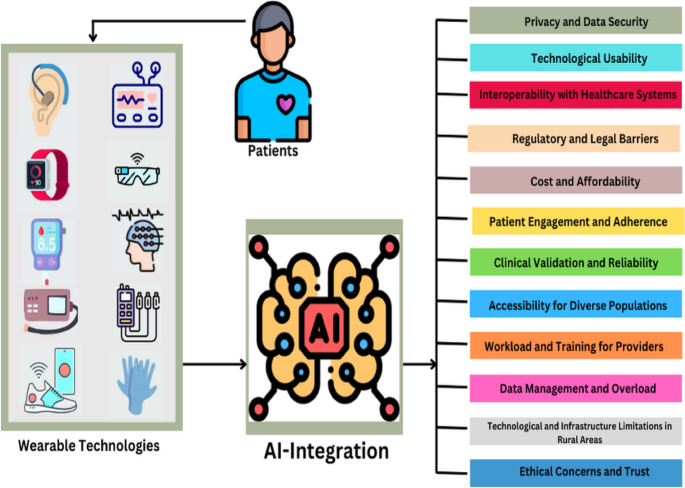
Credit: journalofcloudcomputing.springeropen.com
Frequently Asked Questions
What Problems Does Wearable Technology Address?
Wearable technology solves issues like health monitoring, fitness tracking, and real-time data access. It improves convenience and personal safety by offering instant notifications and emergency alerts, enhancing user lifestyle and productivity.
How Do Wearables Improve Health Monitoring?
Wearables track vital signs such as heart rate, sleep patterns, and activity levels. They provide early warnings for health risks and help users maintain healthier habits through continuous feedback and personalized insights.
Can Wearable Devices Enhance Fitness Performance?
Yes, wearables motivate users by tracking workouts, calories, and progress. They offer personalized coaching and goal-setting features, helping individuals improve fitness efficiently and stay consistent with their exercise routines.
Do Wearables Solve Communication Problems?
Wearable devices enable hands-free calls, message alerts, and quick responses. They keep users connected without needing their phones, offering convenience and improving communication efficiency during busy or active moments.
Conclusion
Wearable technology addresses many modern-day challenges effectively. Health monitoring becomes easier with wearables. They track heart rates and daily steps. This helps in early detection of health issues. Fitness goals become more achievable. Wearables also enhance communication. They keep us connected without constant phone use.
Safety is another area improved by wearables. They can send alerts in emergencies. Productivity also increases with wearable tech. Notifications and reminders are always within reach. Wearables offer convenience and efficiency. They integrate seamlessly into daily life. As technology advances, wearables will continue solving problems.
A smarter, healthier future awaits.
Leave a Reply