Have you ever stopped to think about what really counts as wearable technology? It’s easy to assume that any gadget you carry or use daily fits the bill.
But not everything you strap on or carry qualifies as wearable tech. Understanding what isn’t an example of wearable technology can help you make smarter choices about the devices you use—and why they matter to your life. Keep reading, and you’ll discover surprising facts that will change how you see your everyday gadgets.
Common Wearable Devices
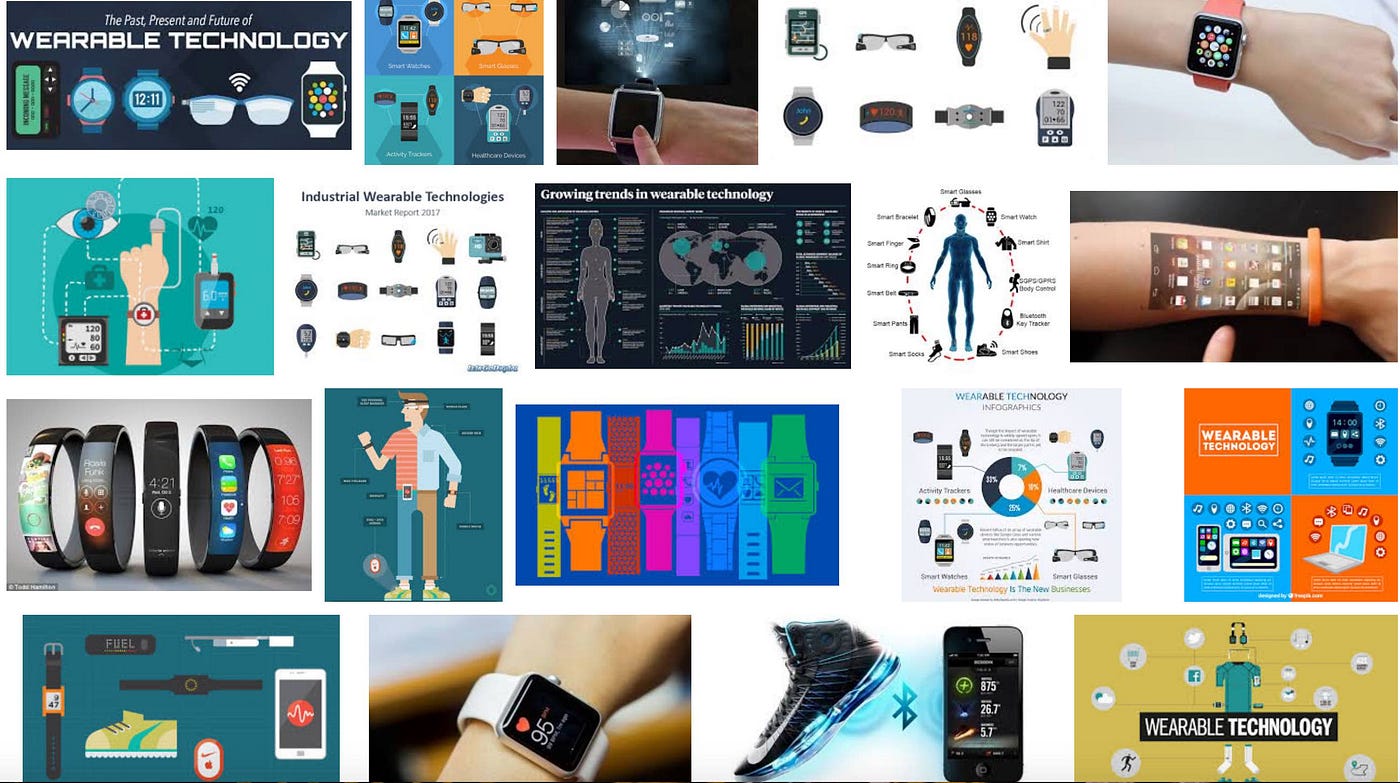
In today’s tech-savvy world, wearable devices have become a part of our daily lives, seamlessly integrating technology into our everyday activities. These gadgets are not just about style or convenience—they’re about enhancing your lifestyle, tracking your health, and even augmenting your reality. But what exactly qualifies as a wearable device, and what doesn’t? Let’s delve into some common examples to clarify.
Smartwatches And Fitness Trackers
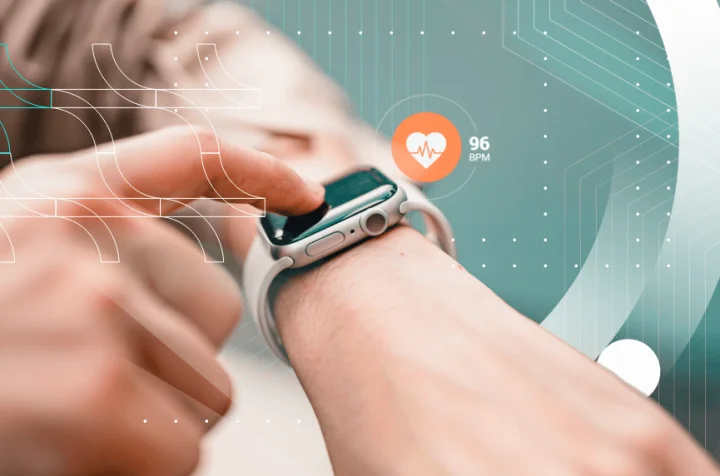
Smartwatches and fitness trackers are arguably the most popular types of wearable technology. They sit comfortably on your wrist, offering a plethora of features that go beyond simply telling time. From counting steps and monitoring heart rate to receiving notifications and even making calls, these devices are designed to keep you connected and health-conscious. Have you ever wondered how much more productive you could be with such a powerful tool right on your wrist?
Wearable Health Monitors
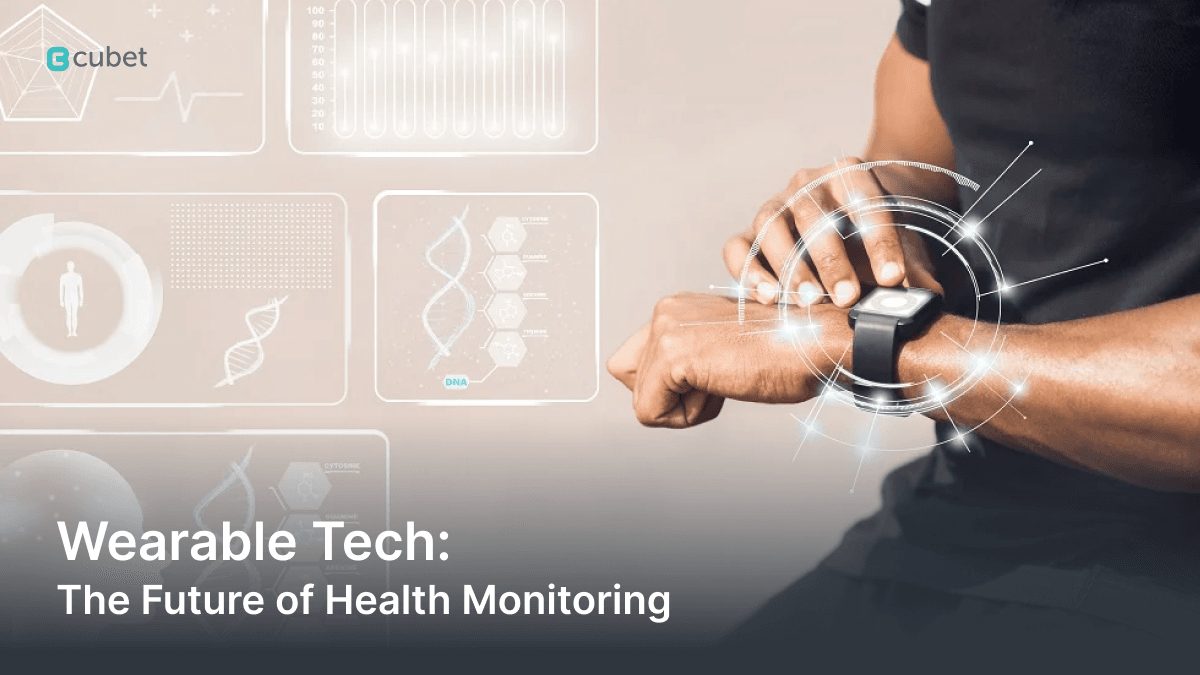
Wearable health monitors are revolutionizing how we manage personal health. These devices are equipped to track vital health metrics like blood pressure, glucose levels, and even sleep patterns. Imagine having the ability to keep tabs on your health stats without the need for frequent doctor visits. It’s like having a mini health clinic strapped to your body, providing real-time data at your fingertips.
Augmented Reality Glasses
Augmented reality glasses bring a whole new dimension to wearable technology. Unlike conventional eyewear, these glasses overlay digital information onto the real world, offering an immersive experience. Whether you’re navigating a busy street or exploring a new city, AR glasses can provide directions, translate signs, and even identify landmarks. Isn’t it fascinating how these glasses can transform your perception of reality with just a glance?
While these are common examples of wearable technology, it’s crucial to differentiate them from non-wearable tech items like smartphones or tablets. So, next time you strap on a device, consider its functionality and how it enhances your life.
Credit: cubettech.com
Devices Often Mistaken As Wearables
Many devices are confused with wearable technology but do not fit the category. These gadgets are often carried or used near the body but lack key wearable features. Understanding what is not wearable helps clarify the true meaning of wearable tech.
Wearable technology must be worn on the body and perform specific functions like tracking health or providing notifications. Some popular devices, though close to the body, do not fully meet these criteria.
Smartphones And Tablets
Smartphones and tablets are not wearable technology. They are handheld devices that users carry, not wear. Although they offer many smart features, they do not attach to or stay on the body during use.
These devices require hands to operate and do not offer continuous tracking or monitoring without being held. They serve as communication and entertainment tools but lack the constant interaction typical of wearables.
Traditional Hearing Aids
Traditional hearing aids are often mistaken for wearable tech but differ greatly. They assist hearing but do not usually have smart features like fitness tracking or notifications. Most hearing aids focus solely on sound amplification.
Modern smart hearing aids may blend into wearable technology, but basic models do not provide the interactive or connected functions wearables offer.
Wireless Earbuds
Wireless earbuds fit in or on the ears but are not considered wearable technology. They provide audio playback and hands-free calling but lack health monitoring or smart alerts. Their primary function is sound delivery.
Earbuds are accessories rather than interactive devices that track or analyze data. They do not continuously monitor the wearer’s status, which is a key trait of wearable tech.
Criteria For Wearable Technology
Understanding what qualifies as wearable technology can be tricky. Not every gadget you carry or use fits the definition. To clarify, wearable technology must meet specific criteria that distinguish it from regular devices.
Form Factor And Portability
Wearable technology is designed to be worn on the body. It should be lightweight and compact enough to move with you comfortably. Think about a smartwatch versus a bulky handheld device—only the watch truly fits the wearable category.
If a device requires you to hold it or doesn’t easily attach to your body, it probably isn’t wearable technology. Portability means more than just being small; it means the device integrates seamlessly into your daily routine without causing inconvenience.
Continuous User Interaction
Wearables usually involve ongoing interaction or data exchange with the user. This means the device collects or provides information in real-time, like fitness trackers monitoring your heart rate throughout the day.
Devices that only work when you actively operate them, such as a camera or a handheld game console, don’t count. Wearables often run in the background, keeping you connected or informed without constant manual input.
Integration With The Body
True wearable technology closely integrates with your body. It can be worn on the skin, like smart patches, or as accessories like glasses and rings. This close contact allows for better data collection and enhances user experience.
Devices that you simply carry in your bag or pocket lack this physical integration, which is essential. Ask yourself: Does the device interact directly with your body to improve or monitor your daily life? If not, it’s likely not wearable tech.
Unexpected Non-wearable Tech Examples
Wearable technology blends seamlessly with our daily life. Some devices look like they fit the category but do not qualify as wearable tech. These unexpected examples often confuse people. They offer smart features but lack direct wearability on the body.
Home Assistants And Smart Speakers
Home assistants and smart speakers respond to voice commands and control smart homes. They sit on tables or shelves. These devices are not worn on the body. They lack the personal mobility that wearable tech provides.
Laptop Computers
Laptops offer portability and powerful computing. People carry them everywhere but do not wear them. The size and design prevent direct body wear. They do not track health or motion like wearable devices.
Standalone Virtual Reality Headsets
Standalone VR headsets provide immersive experiences. They sit on the head but are bulky and used temporarily. The lack of continuous wear and comfort sets them apart. They do not fit the daily use pattern of wearables.
Future Trends In Wearable Tech
Wearable technology is evolving fast and changing how we interact with devices. The future holds exciting possibilities beyond traditional gadgets. New materials and smarter designs will shape the next generation of wearables.
These trends show how wearables will blend more naturally into daily life. The focus will shift towards comfort, seamless integration, and health monitoring. Let’s explore some key future trends in wearable tech.
Emerging Smart Fabrics
Smart fabrics are textiles embedded with sensors and electronics. They can monitor body temperature, heart rate, and movement. These fabrics feel like normal clothing but offer real-time data.
Imagine shirts that track your fitness or jackets that adjust to temperature changes. Smart fabrics will make wearables less bulky and more comfortable. This trend will expand wearable tech beyond watches and bands.
Implantable Devices
Implantable devices are small gadgets placed inside the body. They can monitor health conditions or deliver treatments. These devices provide continuous data without needing external gadgets.
Examples include chips tracking glucose levels or implants helping with hearing. Implantables will offer precise health insights and improve quality of life. Their use will grow as technology becomes safer and more reliable.
Wearables In Healthcare
Healthcare wearables help doctors monitor patients remotely. They track vital signs like blood pressure and oxygen levels. These devices support early diagnosis and better treatment plans.
Wearables will assist in managing chronic diseases and recovery. They make healthcare more accessible and personalized. This trend will transform how patients and doctors interact daily.

Credit: www.access-healthcare.net
Credit: www.bgosoftware.com
Frequently Asked Questions
What Devices Are Not Considered Wearable Technology?
Devices like smartphones, tablets, and laptops are not wearable technology. Wearables are designed to be worn on the body. These devices must offer hands-free use and continuous data tracking, unlike handheld gadgets.
Why Are Traditional Wristwatches Not Wearable Tech?
Traditional wristwatches lack smart features like sensors or connectivity. Wearable technology usually tracks health data or syncs with other devices. A basic watch only tells time and doesn’t collect or transmit data.
Is A Smartphone An Example Of Wearable Technology?
No, a smartphone is not wearable technology. It is handheld and not designed to be worn on the body. Wearables must be wearable accessories that provide continuous monitoring or interaction.
Can Fitness Trackers Be Considered Wearable Technology?
Yes, fitness trackers are prime examples of wearable technology. They monitor physical activity, heart rate, and sleep patterns. These devices are worn on the wrist for continuous data collection and health insights.
Conclusion
Wearable technology means devices you can wear on your body. Not all gadgets fit this category. For example, smartphones or laptops are not wearable. They do not stay on your body all the time. Wearable tech usually tracks health or helps with daily tasks.
Understanding what is not wearable helps you choose the right devices. It also clears up confusion about technology types. Keep this in mind when exploring new gadgets. This way, you pick tools that truly fit your needs. Simple and clear.
Leave a Reply