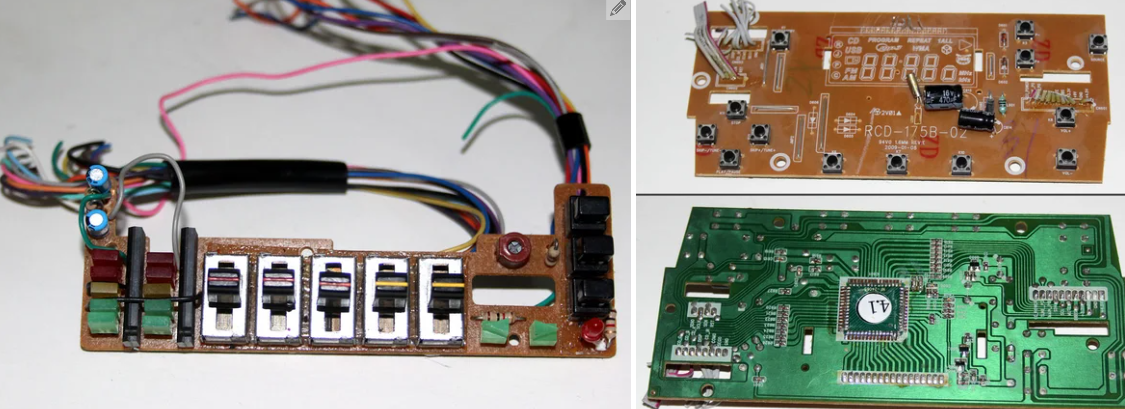
Looking for a smart way to save money and find quality electronic parts? You’re in the right place.
Knowing where to salvage electronic components can open up a world of possibilities for your projects. Whether you’re fixing gadgets, building something new, or just love tinkering, finding reliable sources can make all the difference. You’ll discover the best spots to hunt for those hard-to-find parts, how to spot valuable components, and tips to make your salvage missions successful every time.
Ready to turn scraps into gold? Let’s dive in.

Credit: www.reddit.com
Online Marketplaces
Online marketplaces offer a vast and convenient source for salvaging electronic components. They bring together sellers from around the world, giving you access to rare parts and competitive prices. Whether you’re repairing a vintage gadget or building a new project, these platforms can be a treasure trove.
Popular Websites
- eBay:Known for auctions and “Buy It Now” options, eBay hosts countless listings for electronic parts, including obsolete components.
- AliExpress:Great for bulk buying and affordable new components straight from manufacturers, especially if you don’t mind longer shipping times.
- Amazon:Offers a wide range of new and used components, with reliable customer reviews to help gauge quality.
- Octopart:A specialized search engine that helps locate electronic parts from multiple distributors quickly.
- Reddit’s r/hardwareswap and r/electronicsmarket:Community-driven marketplaces where enthusiasts sell used and salvaged components.
Buyer Tips
Always check the seller’s ratings and read previous buyer reviews before making a purchase. This helps avoid counterfeit or damaged parts that could waste your time and money.
Ask for detailed photos or specifications if the listing is vague. Sometimes, what looks like a working part might have hidden defects you can’t spot without closer inspection.
Consider shipping costs and delivery times carefully. A cheap part might become expensive if shipping is slow or costly, especially for international orders.
Have you ever bought a component that didn’t match the description? Sharing your experience in the comments could help others avoid the same mistake.
Local Electronics Stores
Local electronics stores often hold untapped potential for salvaging electronic components. These shops, especially the smaller or family-owned ones, may have surplus parts, returned items, or outdated stock that they’re willing to sell at a discount. Visiting these stores can lead you to find components that aren’t easily available online or at big retail chains.
Hidden Gems
Not every local electronics store advertises its full inventory online. You might discover rare or discontinued components by simply walking in and asking. Some stores keep older stock in the back or in storage areas that aren’t displayed on the shelves.
In one visit, I found a box of vintage capacitors that were perfect for a restoration project. These hidden gems can save you money and time searching elsewhere. Have you ever checked the shelves behind the counter or asked about older items that might not be out in the open?
Negotiation Strategies
Local stores often have more flexible pricing compared to large chains. You can negotiate prices, especially if you’re buying in bulk or combining multiple items. Building a friendly relationship with the store owner can also open doors to better deals or early access to new stock.
Try asking questions like:
- “Are there any damaged or returned items you’re willing to sell at a discount?”
- “Do you offer discounts for regular customers or bulk purchases?”
- “Can you hold items for me if I come back with more cash?”
Negotiation isn’t just about lowering the price—it’s about creating a win-win situation. How comfortable are you with asking for a better deal next time you visit a local electronics store?
Electronic Recycling Centers
Electronic recycling centers offer a reliable way to salvage electronic components. These centers collect old devices and sort valuable parts. They help reduce electronic waste and support reuse. Many centers accept items like computers, phones, and other gadgets. Salvaging parts here ensures safe handling and environmental care.
Finding Local Centers
Start by searching online for electronic recycling centers near you. Use terms like “e-waste recycling” and your city name. Local government websites often list authorized centers. Some stores also provide drop-off points for old electronics. Community events may offer temporary collection sites. Check their hours and accepted items before visiting.
What To Expect
Most centers have clear drop-off rules. Staff may ask about the device’s condition. Some parts can be removed by you before dropping off. Centers may sort items for reuse or recycling. You might receive small compensation or coupons. Expect staff to handle hazardous materials carefully. Some centers offer workshops on safe component removal.
Surplus And Salvage Stores
Surplus and salvage stores are treasure troves for anyone looking to find electronic components without breaking the bank. These stores collect excess, returned, or unused electronics and parts from various industries, making them a goldmine for DIY enthusiasts, hobbyists, and even professionals. Shopping at these stores not only saves money but also supports recycling and reduces electronic waste.
Types Of Surplus Stores
Surplus stores come in different shapes and sizes, each offering unique opportunities:
- Military Surplus Stores:These often carry rugged electronic parts designed for durability. You might find connectors, switches, and even circuit boards that were once used in defense equipment.
- Industrial Surplus Stores:These stores stock components from factories and manufacturing plants. Look here for specialized sensors, motors, and control units.
- Consumer Electronics Surplus:These stores handle returns and overstock from retailers. You can find a wide range of parts like cables, adapters, and replacement screens.
- Recycling Centers and Salvage Yards:Electronics discarded by consumers or businesses often end up here. Salvaging parts requires a bit of patience but can yield valuable components like capacitors, resistors, and ICs.
Best Practices For Shopping
Knowing how to shop smartly at surplus stores can save you time and money. Start by making a list of the components you need to avoid impulse buys.
Inspect items closely for damage or corrosion. Sometimes a little cleaning can revive a part, but severe damage means it’s better left behind.
Ask the staff about any warranties or return policies. Some stores offer limited guarantees, which can be valuable if you’re testing parts in your projects.
Don’t hesitate to negotiate prices, especially if you’re buying in bulk. Many stores appreciate customers who return frequently and may offer discounts.
Have you ever found a rare component that seemed impossible to source online? Surplus stores might just be where your next electronic treasure is waiting.
E-waste Collection Events
E-Waste Collection Events are a fantastic resource if you want to find usable electronic components without spending a lot of money. These events bring communities together to responsibly dispose of outdated or broken electronics. Not only do you help reduce landfill waste, but you can also discover valuable parts for your projects.
I’ve often found rare components at these events that are no longer available in stores. One time, I picked up an old radio circuit board with perfectly intact capacitors and resistors. It saved me hours of searching and opened up new possibilities for my DIY electronics.
Event Locations
You can find E-Waste Collection Events in various places, such as:
- Community centers or local government facilities
- School or university campuses hosting tech drives
- Special recycling hubs or electronic stores partnering with manufacturers
- City-organized environmental fairs and green markets
Many municipalities list upcoming events on their websites or social media pages. Signing up for local newsletters or joining community groups online can help you stay informed. Have you checked if your town has a scheduled e-waste drop-off day soon?
Items Commonly Found
At these events, you’ll come across a wide variety of electronics that often contain salvageable parts. Typical items include:
- Old computers and laptops with hard drives, RAM, and motherboards
- Broken printers and scanners full of motors and circuit boards
- Outdated phones and tablets with screens and connectors
- Household appliances like microwaves and stereos with switches and transformers
Sometimes, you can even find vintage electronics, which are goldmines for unique components. What might seem like junk to others could be your next treasure trove of parts. Are you ready to dig through and discover what hidden gems await?

Credit: www.allpcb.com
Community Groups And Forums
Community groups and forums offer a rich source for salvaging electronic components. These spaces bring together enthusiasts, hobbyists, and experts who share tips, parts, and advice. Engaging with these groups can lead to discovering rare components and helpful guidance on reuse.
Joining The Right Groups
Choose groups that focus on electronics repair, DIY projects, or recycling. Platforms like Facebook, Reddit, and specialized forums host many active communities. Look for groups with clear rules and active members. This ensures a positive experience and access to quality information.
Some groups organize local meetups or swap events. Joining these can help find components nearby. Online groups often share sources for bulk or rare parts. Participation increases chances of finding exactly what you need.
Leveraging Community Knowledge
Members often share detailed advice about salvaging parts safely and effectively. You can ask about testing components or identifying usable items. Community feedback helps avoid common mistakes and saves time.
Discussion threads may include tutorials, photos, and step-by-step guides. These resources help you learn how to dismantle devices properly. Experienced members sometimes offer free or low-cost parts. Engaging actively builds trust and access to more resources.
University And College Labs
University and college labs often house a treasure trove of electronic components waiting to be salvaged. These labs regularly update their equipment and discard older parts, which can be a goldmine for anyone looking to source affordable and varied electronics. Tapping into this resource requires a bit of initiative but can yield components that are both high quality and unique.
Contacting Institutions
Start by identifying local universities or colleges with engineering or electronics programs. Reach out to department heads or lab managers via email or phone to inquire about surplus or outdated equipment. Many institutions have policies for donating or selling unused components, but you need to ask directly.
Be clear about what you’re looking for and explain how you intend to use the components. This personal approach often opens doors that a generic request wouldn’t. Also, don’t hesitate to visit during lab sales or equipment clear-outs, which are common at the end of academic terms.
Potential Finds
University labs often discard items like resistors, capacitors, microcontrollers, sensors, and even specialized modules. Sometimes, you’ll find circuit boards pulled from old projects or prototypes that can be repurposed.
One time, I found a batch of unused Arduino boards and a box full of assorted ICs just sitting in a storage room waiting to be thrown away. Imagine what you could discover if you ask around regularly or build relationships with lab staff. Could your next project’s key component be hidden in an old lab closet?
Corporate And Industrial Auctions
Corporate and industrial auctions offer a unique opportunity to find electronic components at competitive prices. These auctions often feature surplus or decommissioned equipment from large companies, giving you access to parts that might be hard to find elsewhere. If you’re willing to invest a bit of time researching and bidding, you can score valuable components that fit your projects perfectly.
Understanding Auction Processes
Auction formats can vary widely. Some are live events, while others run online with timed bidding. It’s important to familiarize yourself with the auction rules before you participate to avoid surprises.
Many auctions require registration and sometimes a refundable deposit. Once you’re registered, you can preview items, which helps you decide how much to bid. Keep in mind that winning the bid means you’re committed to purchasing, so set a clear budget.
Have you ever been caught up in a bidding war? It’s easy to get carried away, but staying disciplined will save you money in the long run. Watch the auction closely and place bids strategically rather than emotionally.
Types Of Components Available
Corporate and industrial auctions often feature a broad range of electronic components. You can find:
- Printed circuit boards (PCBs) from various devices
- Power supplies and transformers
- Semiconductors like transistors and integrated circuits
- Connectors, switches, and relays
- Old servers and networking hardware with reusable parts
Some auctions even include specialized test equipment and tools that can be valuable for repair or prototyping. It’s worth checking the detailed listings because sometimes rare or obsolete parts appear unexpectedly.
Imagine finding a batch of unused microcontrollers that fit your exact requirements at a fraction of retail cost. That’s the kind of win corporate auctions can offer if you keep an eye out and act fast.
Diy Salvaging From Old Devices
Salvaging electronic components from old devices can be a rewarding way to both save money and reduce waste. It allows you to recover valuable parts that can be reused in new projects or repairs. Have you ever wondered what hidden treasures lie inside that old laptop or broken radio gathering dust?
Tools And Safety
Before you start pulling apart devices, make sure you have the right tools. A good set usually includes screwdrivers (Phillips and flathead), wire cutters, pliers, and a soldering iron if you plan to remove components from circuit boards.
Safety is crucial. Wear safety glasses to protect your eyes from flying debris and use gloves to avoid cuts and contact with harmful substances. Always unplug devices and discharge capacitors before working on them to prevent electric shock.
Common Components To Salvage
Some parts are especially useful and easy to harvest. Look for resistors, capacitors, transistors, LEDs, and switches—they come in handy for many electronics projects.
Motors and transformers from old appliances can be reused in robotics or power supplies. Don’t overlook connectors and wires; they’re often expensive to buy new and can save you time in wiring your next project.

Credit: www.circuitrework.com
Frequently Asked Questions
Where Can I Find Electronic Components To Salvage?
You can salvage electronic components from old gadgets, computers, and TVs. Local repair shops and recycling centers also offer discarded electronics for parts.
What Tools Do I Need To Salvage Electronics Safely?
Essential tools include a soldering iron, multimeter, screwdrivers, and pliers. Safety goggles and gloves protect you during the salvage process.
Is It Legal To Salvage Electronic Components From Devices?
Salvaging is legal if you own the device or have permission. Avoid taking parts from property you don’t own to prevent legal issues.
How Do I Test Salvaged Electronic Components?
Use a multimeter to check resistance, continuity, and voltage. Testing ensures the components work before reuse or resale.
Conclusion
Salvaging electronic components saves money and reduces waste. Visit local repair shops, electronics markets, or recycling centers. Old devices often hold useful parts waiting to be reused. Always test components before use to ensure they work well. Patience and care help find the best parts.
This practice supports both your projects and the environment. Start exploring these places to find quality components today.
Leave a Reply