Have you ever wondered which electronic device in your home is secretly driving up your electricity bill? Knowing which gadgets use the most power can help you save money and reduce waste.
You’ll discover the surprising truth about everyday devices and their energy consumption. By understanding this, you’ll be able to make smarter choices that keep your wallet and the planet happy. Ready to find out which devices are the biggest energy hogs?
Keep reading!
Factors Influencing Electricity Consumption
Understanding what drives electricity consumption in your electronic devices can help you manage your energy use better. Several factors determine how much power a device draws. Recognizing these can guide your choices and habits to save on your electricity bill.
Device Power Ratings
Every electronic device comes with a power rating, usually shown in watts (W). This number tells you how much energy the device uses when running at full capacity. For example, a 100W light bulb consumes more electricity than a 10W LED bulb.
Devices with higher power ratings naturally consume more electricity. Think about your air conditioner versus a phone charger—the AC’s rating is much higher, so it uses more power. Checking these ratings before buying or using a device gives you an idea of its potential energy impact.
Usage Duration
The length of time you use a device directly affects its total electricity consumption. Running a small appliance for hours can sometimes use more energy than a high-power device used briefly. For instance, leaving a laptop on for 8 hours might consume more power than a microwave used for 10 minutes.
Do you keep devices plugged in even when not in use? Standby power, often called “phantom load,” quietly adds up over time. Being mindful of how long you use each device can lead to significant savings.
Energy Efficiency
Not all devices use power equally, even if their ratings are similar. Energy-efficient models use advanced technology to perform the same tasks using less electricity. For example, energy-star-rated refrigerators consume less power than older models.
Choosing energy-efficient devices can reduce your overall electricity use without changing how you use them. You might find that an initial investment in efficient tech pays off in lower bills and a smaller environmental footprint. What energy-saving upgrades could you make today?

Credit: lowendmac.com
High-consumption Household Appliances
High-consumption household appliances often account for the largest chunk of your electricity bill. Knowing which devices use the most power helps you make smarter choices about usage and upgrades. Let’s look closely at some common appliances that tend to consume more electricity in most homes.
Refrigerators And Freezers
Refrigerators and freezers run 24/7, which means they are always drawing power. Older models can be real energy guzzlers, sometimes using twice as much electricity as newer, energy-efficient versions. If your fridge is more than 10 years old, you might want to check its energy rating or consider an upgrade.
Did you know that keeping your fridge too cold wastes energy? Setting your fridge temperature between 37°F and 40°F (3°C to 4°C) can save electricity without risking food safety. Also, placing your fridge away from heat sources like ovens or direct sunlight helps it run more efficiently.
Air Conditioners And Heaters
Heating and cooling systems are notorious for their high electricity use, especially during extreme weather. Running an air conditioner or electric heater for several hours daily can quickly spike your energy consumption. Using a programmable thermostat can reduce this by adjusting temperatures when you’re not home.
Have you ever noticed how quickly your energy bill rises during summer or winter? That’s largely due to your HVAC system working overtime. Regular maintenance, such as cleaning filters and sealing leaks, keeps these units running efficiently and saves you money.
Washing Machines And Dryers
Washing machines and dryers consume a lot of electricity, especially during the drying cycle. Dryers use more power than washers because they generate heat. Choosing air drying when possible can significantly reduce your energy use.
Running full loads instead of small ones is another simple way to cut down on electricity use. Modern washing machines with energy-saving settings also make a noticeable difference. Have you tried washing clothes in cold water? It uses less energy and still gets your laundry clean.
Surprising Power Hogs
Many electronic devices use more electricity than expected. Some gadgets quietly drain power even when not in active use. Knowing which devices consume the most energy helps reduce your electricity bill. It also lowers your environmental impact.
Gaming Consoles
Gaming consoles consume a lot of power, especially during gameplay. Modern consoles have powerful processors and graphics cards. These parts need more electricity to run smoothly.
Consoles also use energy in standby mode. Features like instant-on increase power use. Turning off the console completely saves energy.
Desktop Computers
Desktop computers often use more electricity than laptops. High-performance desktops with multiple components draw more power. This includes the CPU, GPU, and cooling systems.
Leaving a desktop on all day can significantly raise energy use. Turning off or using sleep mode helps lower consumption. Monitors also add to the total power use.
Televisions And Streaming Devices
Large televisions consume more electricity, especially older models. Bright screens and sound systems need extra energy. Smart TVs running apps and streaming content use additional power.
Streaming devices also use power continuously during use. Even when paused, some devices keep running in the background. Unplugging or using power strips can stop unnecessary energy use.

Credit: www.amazon.ca
Emerging Energy-intensive Devices
Emerging electronic devices have changed how much electricity homes and businesses use. New technology often demands more power. This shift impacts energy bills and environmental footprints.
Understanding these devices helps manage electricity consumption better. Some devices use power constantly. Others require huge energy bursts. Below are key examples of energy-intensive devices gaining popularity.
Smart Home Devices
Smart home devices include thermostats, lights, and security systems. They run on electricity 24/7 to stay connected. Many devices use standby power even when not active. The total energy use adds up with multiple devices in one home.
Smart speakers and cameras also need constant internet connection. This keeps them working but raises power use. Energy-efficient models help reduce electricity consumption. Regular updates improve their performance and energy use.
Electric Vehicles
Electric vehicles (EVs) consume large amounts of electricity during charging. Charging at home can increase monthly power bills. Fast chargers use more energy over a short time. EV batteries need full charges for longer trips.
Energy use varies by vehicle size and battery capacity. Public charging stations also draw significant power. As EV adoption grows, overall electricity demand rises. Managing charging times can help balance grid load.
Cryptocurrency Mining Equipment
Cryptocurrency mining requires powerful computers running non-stop. These machines solve complex math problems to earn coins. High performance means high electricity use. Mining rigs often consume more power than typical home appliances.
Cooling systems add to total energy demand. Miners locate in areas with cheap electricity. This practice increases local energy consumption sharply. Awareness of mining energy impact is growing worldwide.
Tips For Reducing Electricity Usage
Reducing electricity usage helps lower bills and protect the environment. Small changes can make a big impact. Focus on smart choices and habits to save energy daily.
Choosing Energy-efficient Models
Pick devices with high energy ratings. Look for labels like Energy Star or similar. These products use less power without losing performance. Investing in efficient models pays off over time.
- Check power consumption before buying
- Choose LED lights over incandescent bulbs
- Use modern appliances designed for low energy use
Implementing Smart Usage Habits
Turn off devices when not in use. Unplug chargers and electronics that draw power even when off. Use timers or smart plugs to control device operation. Adjust settings to lower brightness or power.
- Limit screen brightness on computers and TVs
- Avoid leaving devices in standby mode
- Run appliances like washing machines during off-peak hours
Utilizing Renewable Energy Sources
Consider solar panels or small wind turbines. These sources reduce reliance on the grid. Install solar chargers for small devices. Support clean energy options from your utility provider when available.
- Use solar-powered outdoor lights
- Explore community renewable energy programs
- Combine renewable energy with energy-efficient devices
Impact On Energy Bills And Environment
Electronic devices vary widely in how much electricity they consume, and this difference has a direct impact on both your energy bills and the environment. Understanding which devices draw the most power helps you make smarter choices at home and reduces hidden costs. It also challenges you to think about your role in conserving resources and lowering your carbon footprint.
Cost Implications For Households
Some devices like air conditioners, refrigerators, and electric heaters use significantly more electricity than others. This means your monthly energy bill can spike unexpectedly if these devices run frequently or inefficiently.
Have you ever noticed a sudden jump in your electricity bill after using a new gadget? That’s often because high-consumption electronics quietly add up over time.
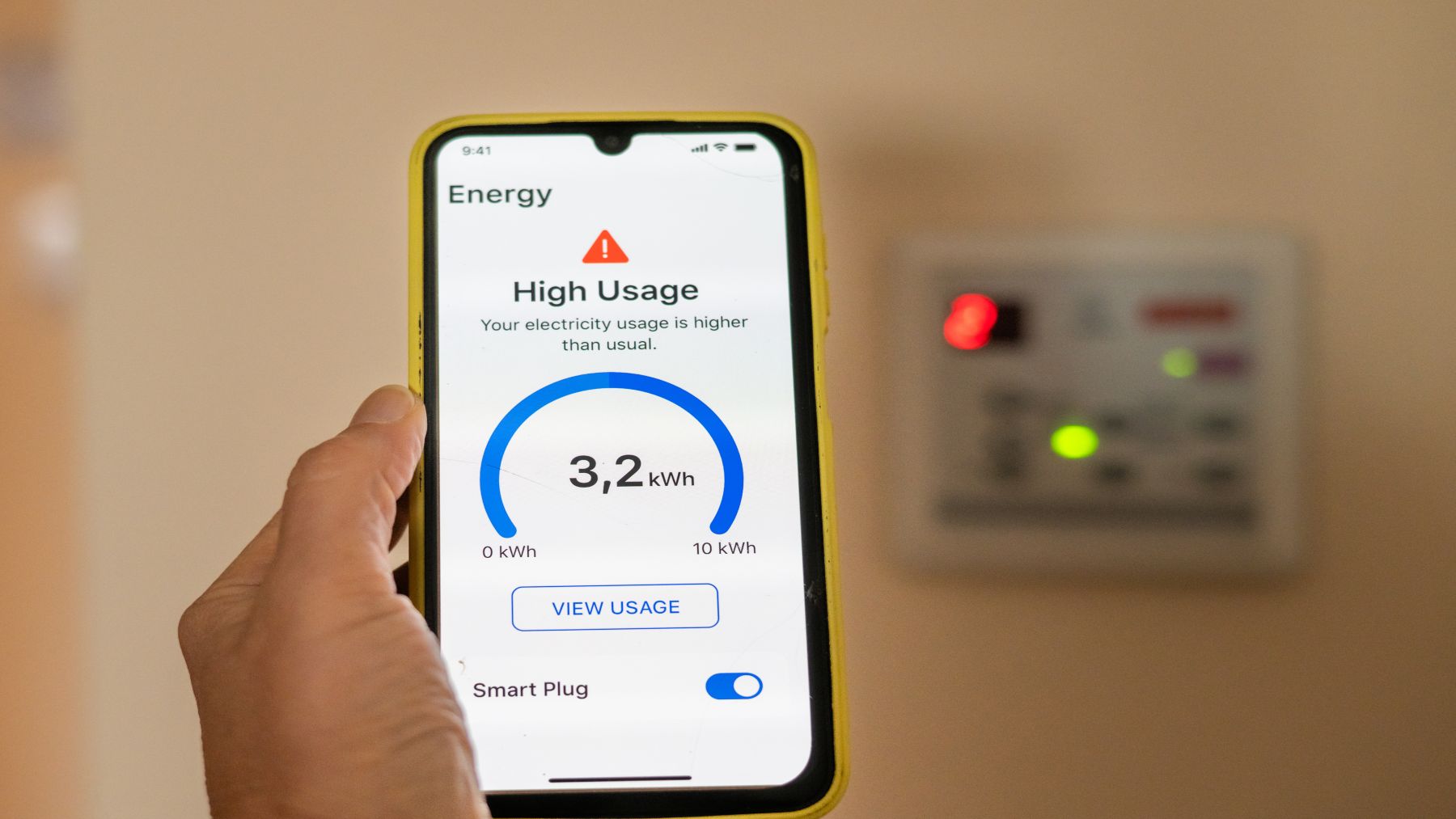
Tracking which devices consume the most energy can save you money. For example:
- Replacing an old fridge with an energy-efficient model can cut your electricity use by up to 20%.
- Using LED TVs instead of plasma screens can reduce power consumption by half.
Environmental Consequences
Electricity production often relies on fossil fuels, which release greenhouse gases. The more electricity your devices use, the bigger your environmental impact.
Think about your daily habits: leaving lights or devices on when not needed may seem small, but it adds up across millions of homes. This contributes to increased carbon emissions and faster depletion of natural resources.
Reducing power consumption on high-energy devices helps lower demand on power plants and decreases pollution. It’s a way to take responsibility without making drastic lifestyle changes.
The Role Of Consumer Awareness
Knowing which devices use more electricity empowers you to make informed decisions. Labels like ENERGY STAR provide guidance, but awareness goes beyond labels.
Ask yourself: Are you using your electronics efficiently? Could you unplug chargers when not in use or switch to energy-saving modes?
Sharing your knowledge about energy consumption with family and friends encourages collective action. Small changes in your household can inspire others to think about energy use differently.
What steps can you take today to balance comfort with energy savings? Your choices shape not only your bills but also the planet’s future.
Credit: pedirayudas.com
Frequently Asked Questions
Which Electronic Device Uses The Most Electricity At Home?
Air conditioners generally consume the most electricity among household devices. They run for long hours and require high power to cool spaces. Other high consumers include heaters, water heaters, and refrigerators.
How Much Electricity Does A Tv Typically Consume?
A standard LED TV consumes between 30 to 100 watts per hour. Larger or older models may use more power. Usage depends on screen size, technology, and settings like brightness.
Do Laptops Use Less Electricity Than Desktops?
Yes, laptops consume significantly less electricity than desktop computers. They use around 15 to 60 watts, while desktops can use 100 to 300 watts. Laptops are designed for energy efficiency and portability.
Which Kitchen Appliance Consumes The Most Electricity?
Electric ovens and microwaves generally consume the most electricity in kitchens. They require high power to generate heat quickly. Refrigerators also use considerable energy but operate continuously at lower power.
Conclusion
Electronic devices use different amounts of electricity every day. Some devices, like heaters and air conditioners, use much more power. Smaller devices, such as phones and laptops, use less energy. Knowing which devices consume more helps save money on bills.
It also helps protect the environment by reducing waste. Simple habits, like turning off devices when not in use, make a big difference. Understanding energy use is smart and useful for everyone. Keep track of your devices and use energy wisely.
Small changes can lead to big savings.
Leave a Reply