Have you ever wondered what DIY really means in electronics? Whether you’re looking to fix a gadget, build your own device, or simply understand how things work, knowing the true meaning of DIY can unlock a world of creativity and skill for you.
This isn’t just about saving money—it’s about empowering yourself to take control of your technology. Keep reading, and you’ll discover how DIY in electronics can transform your approach to projects, boost your confidence, and maybe even spark a new passion.
Ready to dive in? Let’s explore what DIY really means for you.

Credit: www.circuitbasics.com
Diy In Electronics
DIY in electronics means building, fixing, or modifying electronic devices yourself. It allows hobbyists and learners to explore how electronics work. DIY projects can range from simple circuits to complex gadgets. It encourages creativity and practical skills in electronics.
Origins And Evolution
DIY electronics started in the early 20th century with radio enthusiasts. People built radios and other devices at home using basic parts. The rise of personal computers in the 1970s boosted DIY culture. Affordable components and tools made DIY electronics more accessible. Online communities and tutorials now help beginners learn easily. The movement grew from hobbyists to a global community of makers.
Key Concepts And Practices
DIY electronics involves:
- Understanding basic electronic components like resistors and capacitors
- Reading circuit diagrams and schematics
- Using tools such as soldering irons and multimeters
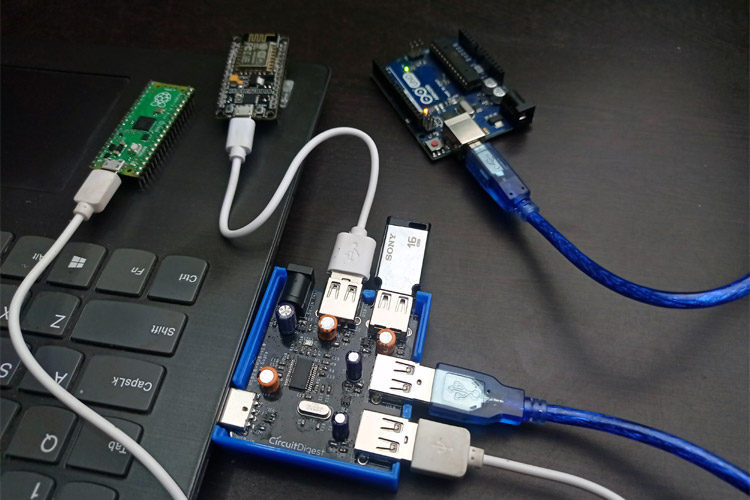
- Programming microcontrollers like Arduino or Raspberry Pi
- Testing and troubleshooting circuits step by step
Practice and patience are essential. Learning by doing helps people gain confidence and skills. Many start with simple kits before trying custom projects. Sharing ideas and solutions builds a supportive DIY community.
Essential Tools And Components
DIY in electronics means building or fixing devices by yourself. This requires some tools and parts. Having the right tools makes the work easier and safer. The components help create or repair electronic circuits. Knowing the essential tools and parts is key for any beginner or hobbyist.
Basic Tools For Beginners
- Soldering iron – for joining wires and parts
- Wire cutters – to trim wires cleanly
- Needle-nose pliers – to bend and hold small parts
- Multimeter – to measure voltage, current, and resistance
- Screwdrivers – for assembling or opening devices
- Desoldering pump – to remove solder from joints
- Helping hands – to hold components steady
- Wire stripper – to remove insulation from wires
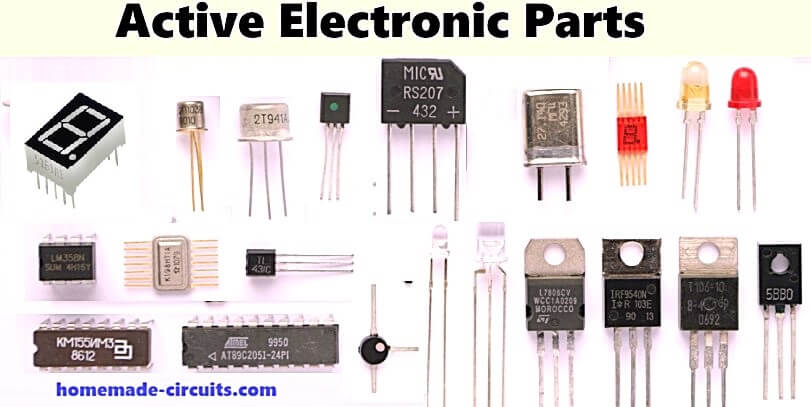
Common Electronic Components
| Component | Function | Example Use |
|---|---|---|
| Resistor | Limits electric current | Control LED brightness |
| Capacitor | Stores electric charge | Filter power supply noise |
| Diode | Allows current in one direction | Protect circuits from reverse voltage |
| Transistor | Amplifies or switches signals | Control motor speed |
| LED (Light Emitting Diode) | Produces light when powered | Indicator lights |
| Microcontroller | Small computer on a chip | Control robots or gadgets |
Popular Diy Electronics Projects
Popular DIY electronics projects offer a hands-on way to learn and have fun with technology. These projects range from simple setups that anyone can try, to more advanced challenges that push your skills further. Whether you want to fix a gadget or build something new, there’s a project that fits your level and interests.
Simple Circuits To Start With
Starting with simple circuits helps you understand basic concepts without feeling overwhelmed. You can build a basic LED circuit using a battery, resistor, and LED. This project teaches you about current flow and component connections.
Another easy project is a buzzer circuit that makes noise when powered. It’s a practical way to see how electricity activates devices. These simple builds give you confidence and set a foundation for more complex work.
- LED blinking circuits
- Basic buzzer alarms
- Battery-powered flashlights
Advanced Projects For Enthusiasts
Once you feel comfortable with the basics, advanced projects let you apply what you’ve learned in exciting ways. You might create a home automation system using Arduino or Raspberry Pi. This teaches programming alongside electronics.
Robotics is another thrilling area. Building a small robot that can navigate obstacles combines sensors, motors, and coding skills. These projects challenge your problem-solving and open doors to new technology fields.
- Arduino-based weather stations
- DIY drones and remote-controlled vehicles
- Smart home lighting systems
What project will you choose to push your skills next? Each build is a step toward mastering electronics and creating something uniquely yours.

Credit: www.homemade-circuits.com
Benefits Of Diy Electronics
DIY electronics offers many benefits. It allows people to explore technology with hands-on projects. Beginners and experts alike find value in creating and fixing electronic devices. The process encourages curiosity and builds useful skills. It also gives the chance to design unique gadgets that fit personal needs.
Skill Development And Learning
Working on DIY electronics improves problem-solving abilities. It teaches basic concepts of circuits, soldering, and programming. Each project builds confidence and knowledge. Mistakes become lessons that deepen understanding. This learning is practical and directly applicable to real-world tasks.
Cost Savings And Customization
DIY electronics can save money on repairs and devices. Building parts yourself often costs less than buying new ones. It also lets you tailor projects to exact preferences. Custom designs mean gadgets do exactly what you want. This flexibility is hard to find in store-bought products.
Creative Power Through Diy
Creative power through DIY in electronics means taking control of your ideas and turning them into real, functioning projects. It’s about more than just following instructions; it’s about experimenting, learning, and solving problems on your own terms. When you dive into DIY electronics, you unlock a world where your creativity meets practical skills.
Innovative Problem Solving
DIY electronics pushes you to think differently. Instead of buying a ready-made device, you figure out how to build it or improve it yourself. This process sharpens your ability to troubleshoot and innovate.
Imagine trying to fix a broken radio. You don’t just replace parts blindly; you test circuits, read schematics, and understand the flow of electricity. This hands-on approach makes you a better problem solver in all areas of life.
Have you ever encountered a challenge you couldn’t solve with a simple search online? That’s the moment DIY teaches you to create new solutions from scratch.
Community And Collaboration
DIY electronics thrives on sharing knowledge. Communities online and offline bring people together to exchange ideas, tips, and support. You’re never truly working alone.
Joining a DIY group can boost your skills faster than working solo. People share resources like code snippets, circuit diagrams, and troubleshooting advice, speeding up your learning curve.
Collaborating with others also sparks new ideas you might not discover on your own. What’s your experience with DIY groups? Could connecting with others help you tackle your next project?
Safety Tips For Diy Electronics
Working on DIY electronics projects can be exciting. Safety should be the top priority in every step. Following safety tips helps avoid accidents and damage. These tips protect both you and your electronic components.
Handling Components Safely
Always handle electronic parts with care. Avoid touching metal leads with bare hands. Use anti-static wrist straps to prevent static damage. Keep components in anti-static bags when not in use. Use tweezers or pliers for small parts. Store components in organized containers to prevent loss or damage.
Preventing Common Hazards
- Unplug devices before starting any work.
- Work in a well-lit, clean area free of clutter.
- Use insulated tools to avoid electric shock.
- Keep liquids away from your workspace.
- Avoid loose clothing or jewelry that can catch wires.
- Double-check connections before powering devices.
- Use a fuse or circuit breaker to protect circuits.
- Follow instructions and datasheets closely.
Credit: circuitdigest.com
Frequently Asked Questions
What Does Diy Mean In Electronics?
DIY in electronics means building or repairing electronic devices yourself. It involves hands-on work with circuits, components, and tools. This approach saves money and enhances learning. It promotes creativity and problem-solving skills by making custom electronic projects at home.
Why Is Diy Electronics Popular?
DIY electronics is popular because it is cost-effective and educational. It allows hobbyists to customize devices and learn practical skills. The availability of affordable components and online tutorials also boosts its popularity. People enjoy the satisfaction of creating functional gadgets independently.
What Tools Are Essential For Diy Electronics?
Essential tools for DIY electronics include a soldering iron, multimeter, wire cutters, and screwdrivers. These tools help in assembling, testing, and repairing circuits accurately. Having a breadboard and jumper wires also aids in prototyping electronic projects easily.
How Can Beginners Start With Diy Electronics?
Beginners should start with simple kits and easy projects. Learning basic circuit theory and safety is crucial. Online tutorials and community forums provide valuable guidance. Gradually, beginners can experiment with more complex components and designs to improve skills.
Conclusion
Exploring DIY in electronics offers exciting opportunities for creativity and learning. It empowers individuals to build and understand gadgets from scratch. Enthusiasts can tackle projects at their own pace. Resources and communities online provide abundant support. With DIY, you gain valuable skills and confidence.
Dive into the world of electronics and enjoy the journey. Each project brings unique challenges and rewards. Embrace the process, and watch your skills grow. The satisfaction of creating something on your own is unparalleled. Start small, dream big, and let curiosity guide your way.
Enjoy the endless possibilities DIY in electronics offers.
Leave a Reply