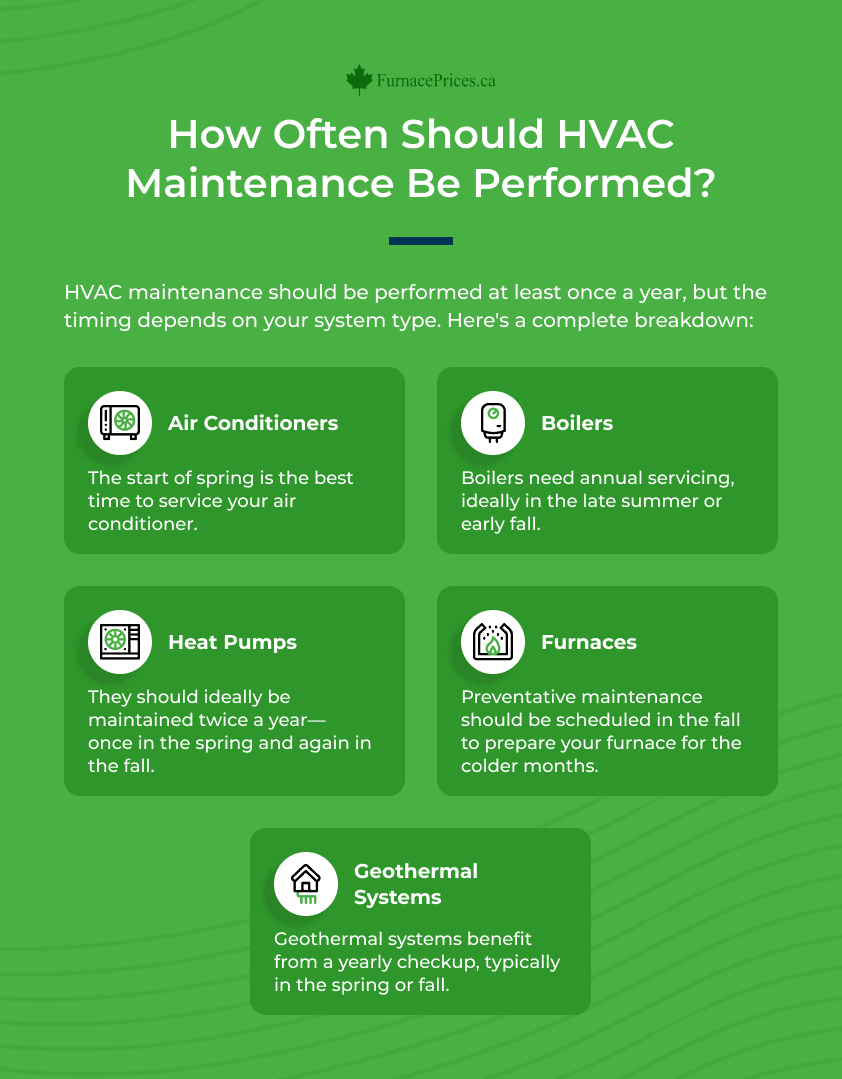
Your HVAC system works hard to keep your home comfortable all year round. But how often do you really need to schedule maintenance to keep it running smoothly?
If you’re like most people, this question might not cross your mind until something goes wrong. Yet, regular maintenance can save you money, prevent breakdowns, and extend the life of your system. You’ll discover the ideal maintenance schedule for your HVAC, simple tips to keep it in top shape, and how staying on track can make a big difference in your comfort and energy bills.
Keep reading—your HVAC system will thank you.
Importance Of Regular Hvac Maintenance
Regular maintenance of your HVAC system is essential to keep it running efficiently and reliably. Neglecting routine check-ups can lead to unexpected breakdowns and higher energy bills. You might think skipping a service here and there saves money, but it often costs more in the long run.
Think about the last time your HVAC failed during extreme weather. Could regular maintenance have prevented that discomfort? Most likely, yes. Paying attention to your system now helps avoid inconvenient and costly repairs later.
Extends The Lifespan Of Your Hvac System
Regular maintenance helps your HVAC system last longer by catching small issues early. Components like filters, belts, and coils need frequent checks to avoid wear and tear. When these parts work smoothly, your system doesn’t have to work as hard, reducing the risk of breakdowns.
Improves Energy Efficiency And Lowers Bills
Dirty filters and clogged parts force your HVAC to use more energy. Cleaning and tuning your system regularly can reduce energy consumption significantly. You’ll notice a difference in your monthly utility bills, and your home stays comfortable without overworking the system.
Enhances Indoor Air Quality
Your HVAC system affects the air you breathe every day. Dust, mold, and allergens build up quickly if you skip maintenance. Regular service means cleaner filters and ducts, which help keep your indoor air fresh and healthier for you and your family.
Prevents Costly Repairs And Unexpected Breakdowns
Routine inspections spot problems before they turn into expensive repairs. Fixing a worn-out part early is much cheaper than replacing an entire system. Plus, you avoid the stress of sudden failures when you need your HVAC the most.
Maintains Manufacturer’s Warranty
Many HVAC warranties require proof of regular maintenance. Skipping check-ups might void your warranty, leaving you responsible for repair costs. Staying on top of maintenance ensures you’re protected if something goes wrong.

Credit: www.searshomeservices.com
Recommended Maintenance Frequency
Knowing how often to schedule maintenance for your HVAC system can save you from unexpected breakdowns and high repair costs. Regular upkeep keeps your system running efficiently and extends its lifespan. But what maintenance schedule fits best with your needs and lifestyle?
Seasonal Check-ups
Seasonal check-ups are essential. Ideally, you should schedule one before the cooling season starts and another before the heating season begins. This ensures your system is ready for the temperature swings ahead.
During these visits, you or a technician can check for issues like dirty filters, refrigerant leaks, or worn-out parts. Have you noticed your system struggling during temperature extremes? That’s often a sign seasonal maintenance was missed.
Annual Professional Inspection
Even if you perform monthly upkeep, a yearly professional inspection is vital. Experts can spot hidden problems and fine-tune your HVAC system for peak performance. This inspection usually covers cleaning coils, testing electrical components, and verifying airflow.
Think of it like a health check for your HVAC system. Skipping this can lead to costly repairs later. Have you ever thought about what a technician might find that you can’t?
Monthly Diy Tasks
Doing simple monthly tasks yourself can make a big difference. Replace or clean your air filters every 30 days to keep air flowing smoothly. Check for any unusual noises or smells, which can signal trouble early.
Keeping your outdoor unit clear of leaves and debris is another easy step. These small actions can improve your system’s efficiency and prevent minor issues from turning into major headaches.
Factors Influencing Maintenance Schedule
Scheduling maintenance for your HVAC system isn’t a one-size-fits-all task. Various factors influence how often your system needs a check-up to keep running efficiently and avoid costly repairs. Understanding these factors helps you tailor a maintenance plan that fits your specific situation and environment.
Climate And Weather Conditions
The climate you live in plays a major role in how often your HVAC system needs maintenance. If you’re in an area with extreme temperatures, your system works harder and requires more frequent attention.
For example, in hot, humid regions, your air conditioner runs almost daily during summer, which means filters and coils need cleaning more often. On the other hand, in milder climates, you might get away with less frequent service.
Have you noticed how your system performs differently during seasonal changes? That’s a clue that weather affects your maintenance schedule.
Type And Age Of Hvac System
The kind of HVAC system you have matters a lot. Newer models often have advanced technology that helps them stay efficient longer, but they still need regular check-ups.
Older systems tend to break down more often and may need maintenance every few months. For instance, a 10-year-old furnace might require more frequent inspections than a brand-new heat pump.
Think about your system’s age and type—are you working with outdated equipment that demands extra care?
Usage Patterns And Occupancy
How often and how many people use your HVAC system affects the maintenance frequency. A home with a large family or a busy office building will put more strain on the system.
If you use your heating or cooling system around the clock, scheduling maintenance twice a year might be necessary. Conversely, a vacation home that’s only used seasonally may only need annual check-ups.
Consider your usage patterns carefully—are you overworking your system without realizing it?
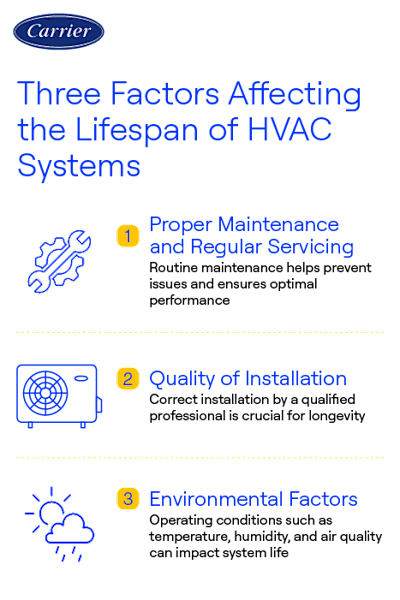
Credit: www.carrier.com
Benefits Of Consistent Maintenance
Consistent maintenance of your HVAC system offers many benefits. Regular check-ups keep your system running smoothly. This helps avoid sudden breakdowns and costly repairs. You save money and energy by taking care of your equipment. Your home stays comfortable all year long. Here are some key benefits of regular HVAC maintenance.
Enhanced System Efficiency
Regular maintenance helps your HVAC system work at its best. Cleaning filters and coils improves airflow. This reduces the energy your system uses. Efficient systems cool or heat your home faster. You get better comfort without high energy bills. Simple tasks like checking refrigerant levels keep efficiency high.
Extended Equipment Lifespan
Maintenance prevents wear and tear on important parts. Lubricating moving pieces stops damage from friction. Fixing small issues early avoids bigger problems later. Systems that get regular care last longer. You delay the need for a new HVAC system. This saves money over time and reduces hassle.
Improved Air Quality
Clean filters trap dust, pollen, and allergens. This makes the air in your home healthier. Regular maintenance prevents mold growth in ducts. It also reduces odors and bacteria in the system. Better air quality means fewer allergies and breathing problems. Your home feels fresher and more comfortable.
Signs Your Hvac System Needs Immediate Attention
Knowing the signs of trouble can save your HVAC system from serious damage. Immediate attention stops small problems from turning into costly repairs. Watch for clear signals that your system needs a check-up now.
Unusual Noises Or Smells
Strange sounds like banging, rattling, or squealing show a problem inside the system. Odd smells, such as burning or moldy odors, can mean electrical issues or mold growth. These signs require quick action to prevent damage or health risks.
Inconsistent Temperatures
Rooms that are too hot or too cold suggest the system is not working right. Uneven airflow or sudden temperature changes show it may be time for maintenance. Fixing these issues keeps your home comfortable year-round.
Increased Energy Bills
A sudden rise in your energy bill often means the HVAC is working harder than normal. This can result from dirty filters, blocked ducts, or failing parts. Early repair can reduce energy costs and improve efficiency.
Diy Maintenance Tips
Performing simple maintenance tasks yourself keeps your HVAC system running smoothly. Regular care helps avoid costly repairs and extends system life. These easy steps save energy and improve air quality.
Changing Air Filters
Replace air filters every 1 to 3 months. Dirty filters block airflow and reduce efficiency. Use the right filter size for your system. Slide the old filter out carefully. Insert the new filter with the arrow pointing in the airflow direction.
Cleaning Vents And Ducts
Dust and debris build up in vents and ducts over time. Use a vacuum cleaner with a brush attachment to clean vent covers. Wipe down vents with a damp cloth. Clear obstructions near vents to improve airflow. Professional duct cleaning may be needed every few years.
Checking Thermostat Settings
Verify thermostat settings match your comfort needs. Set temperatures to save energy when no one is home. Replace batteries regularly in battery-powered thermostats. Consider upgrading to a programmable thermostat for better control. Ensure the thermostat is away from heat sources or direct sunlight.
Choosing The Right Hvac Professional
Choosing the right HVAC professional is key to keeping your system running smoothly. The right expert not only saves you money but also extends the life of your equipment. How do you separate a true professional from just someone who can turn a wrench?
Credentials And Certifications
Start by checking the credentials of any HVAC professional you consider. Valid certifications like NATE (North American Technician Excellence) show they have passed rigorous tests and keep up with industry standards.
Licensing is equally important because it ensures the technician meets your state’s legal requirements. Don’t hesitate to ask for proof before scheduling maintenance—your system deserves qualified hands.
Customer Reviews And Testimonials
Reading reviews from previous customers can reveal a lot about reliability and service quality. Look for patterns in feedback—are customers happy with punctuality, pricing, and problem-solving skills?
Sometimes, a glowing testimonial might highlight a technician’s attention to detail, which directly affects how well your HVAC system performs after maintenance. Would you trust a professional with mixed or few reviews?
Service Guarantees And Warranties
A strong service guarantee shows confidence in the work provided. Ask if the technician offers warranties on parts and labor to protect you from unexpected costs.
Guarantees can also motivate the professional to do a thorough job, knowing you expect lasting results. Would you rather pay once for quality service or repeatedly fix the same issue?

Credit: www.thinkclimatecare.com
Frequently Asked Questions
How Often Should I Schedule Hvac Maintenance?
You should schedule HVAC maintenance at least twice a year. Ideally, once in spring for cooling and once in fall for heating. Regular checkups ensure efficiency, reduce energy costs, and prevent breakdowns. This routine helps extend your system’s lifespan and maintains indoor comfort.
What Are Signs My Hvac Needs Maintenance?
Signs include unusual noises, weak airflow, inconsistent temperatures, and higher energy bills. Frequent cycling or strange odors also indicate issues. Early maintenance can fix problems before they worsen. Monitoring these signs helps avoid costly repairs and keeps your HVAC system running smoothly.
Can Regular Hvac Maintenance Save Money?
Yes, regular maintenance improves efficiency and reduces energy consumption. It prevents major breakdowns, lowering repair costs. Well-maintained systems last longer, delaying expensive replacements. Routine checks help maintain optimal performance, saving money on utility bills and unexpected repairs over time.
Is Professional Hvac Maintenance Necessary?
Professional maintenance ensures thorough inspection and proper servicing. Technicians have specialized tools to identify hidden issues. DIY checks can miss critical problems, risking damage or inefficiency. Hiring experts maximizes system performance, safety, and longevity, providing peace of mind.
Conclusion
Regular HVAC maintenance keeps your system running smoothly. Schedule check-ups at least twice a year. This helps catch small problems before they grow. Clean filters and parts improve air quality and save energy. Consistent care extends your system’s life and reduces costs.
Don’t wait for a breakdown to act. Stay ahead with simple, routine maintenance. Your comfort and wallet will thank you.
Leave a Reply