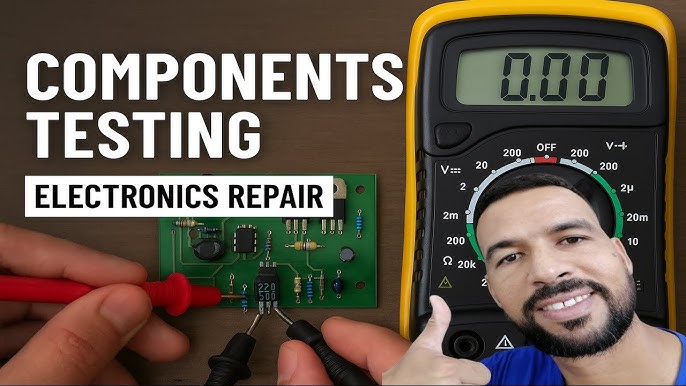
Have you ever struggled to figure out if an electronic part is working properly? Whether you’re fixing gadgets, building circuits, or just curious about how electronics work, knowing the health of each component is key.
That’s where an Electronic Components Tester comes in. This handy tool can save you time, money, and frustration by quickly identifying faulty parts and helping you understand their functions. Keep reading, and you’ll discover how this simple device can make a big difference in your electronic projects and repairs.
Credit: www.temu.com
Introduction To Electronic Components Testers
Electronic components testers help check the health and function of electronic parts. These devices identify if components like resistors, capacitors, and transistors work properly. They save time and reduce mistakes in electronics repair and assembly.
Using an electronic components tester is simple. Connect the component to the tester, and it gives a reading or result. This helps users avoid faulty parts and ensures circuits work as expected.
What Is An Electronic Components Tester?
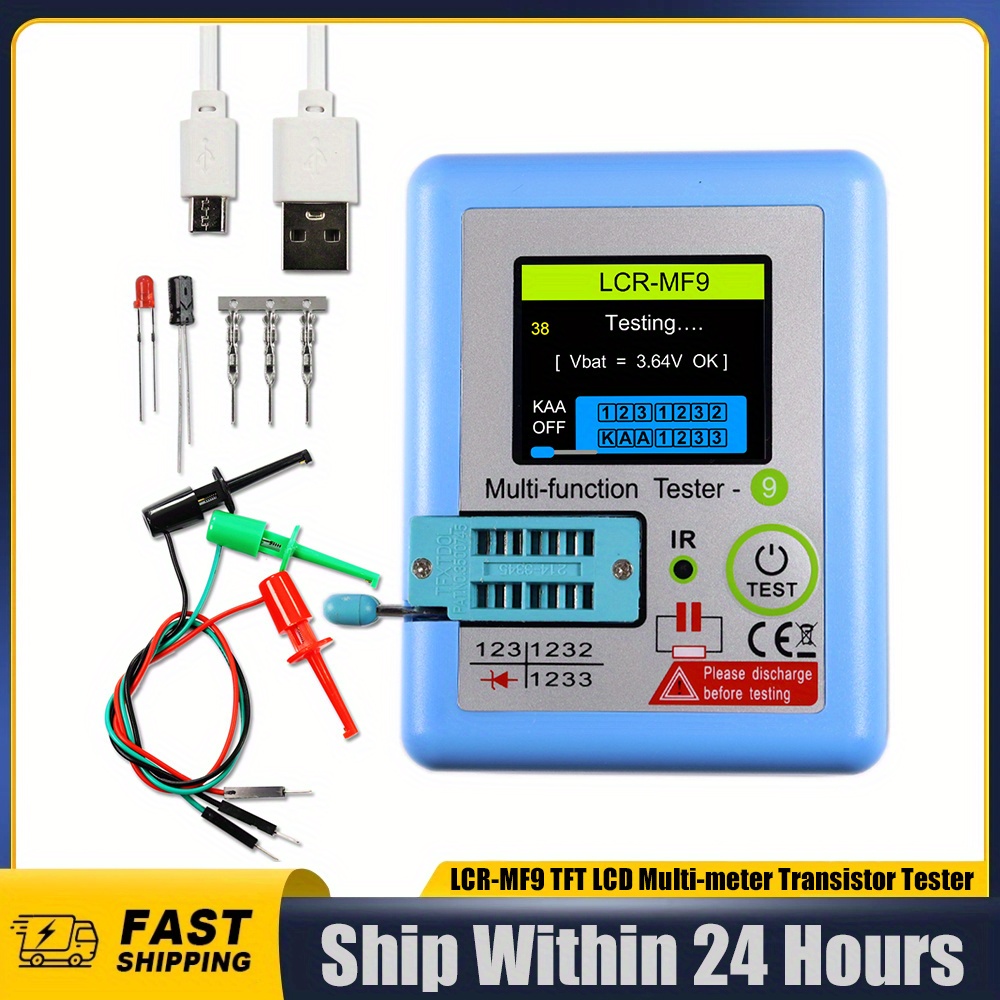
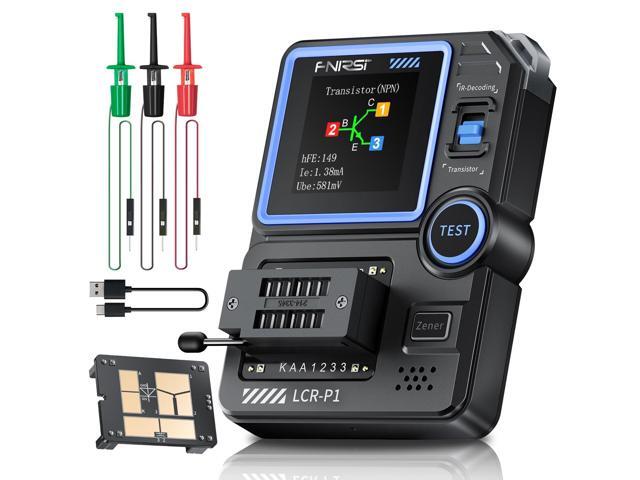
An electronic components tester is a tool for measuring and testing electronic parts. It shows values such as resistance, capacitance, and diode forward voltage. Many testers also identify the type of component automatically.
Common Types Of Electronic Components Tested
- Resistors
- Capacitors
- Inductors
- Diodes
- Transistors
- Thyristors and Triacs
Why Use An Electronic Components Tester?
- Quickly find defective parts
- Verify component values
- Save time during repairs
- Improve circuit reliability
- Assist beginners in learning electronics
Types Of Electronic Components Testers
Electronic components testers come in various types, each designed to check specific characteristics of components and circuits. Understanding these types helps you choose the right tool for your project or repair task. Let’s look at some common testers and what they do.
Multimeters
Multimeters are the most versatile and widely used electronic testers. They measure voltage, current, and resistance, making them essential for basic troubleshooting. If you’ve ever tried fixing a gadget, chances are you’ve used a multimeter to check if a battery or wire is working correctly.
Some multimeters also test diodes and continuity, helping you quickly identify broken connections. They are portable, affordable, and perfect for beginners and professionals alike.
Oscilloscopes
Oscilloscopes visualize electrical signals as waveforms on a screen. This allows you to see how voltage changes over time, revealing issues like noise, distortion, or timing errors. If you want to understand how a circuit behaves dynamically, an oscilloscope is your go-to device.
Using an oscilloscope requires some practice, but it gives you detailed insights beyond what a multimeter can offer. Ever wondered why a circuit isn’t working despite correct voltage readings? The oscilloscope might show a fluctuating signal that explains the problem.
Lcr Meters
LCR meters measure inductance (L), capacitance (C), and resistance (R) of components. These testers are specialized for checking passive components like coils, capacitors, and resistors. If you want to verify a capacitor’s exact value or check if an inductor is damaged, an LCR meter gives precise readings.
Unlike multimeters, LCR meters provide frequency-dependent measurements, which are crucial for high-frequency applications. Have you ever been unsure about a capacitor’s health? This tester can tell you more than just a pass or fail.
Function Generators
Function generators produce electrical waveforms such as sine, square, and triangle waves. They are used to test how circuits respond to different signals. If you’re designing or repairing audio devices or signal processing circuits, a function generator helps simulate real-world inputs.
By adjusting frequency and amplitude, you can observe circuit behavior under various conditions. Have you considered how your circuit reacts to different frequencies? A function generator lets you find out easily.
Key Features To Consider
Choosing the right electronic components tester can make your work faster and more reliable. But what should you look for to ensure you get the best tool? Here are some key features that can guide your decision and improve your testing experience.
Accuracy And Precision
Accuracy is crucial when testing electronic components. A tester that provides precise readings helps you avoid mistakes that could damage your circuits or lead to faulty repairs.
Look for devices with clear specifications on measurement accuracy. Some testers offer calibration options, which keep your readings consistent over time.
Range Of Measurements
Your tester should handle a variety of components, from resistors and capacitors to diodes and transistors. A wide range of measurement functions lets you use one tool for many tasks.
Consider testers that can measure resistance, capacitance, voltage, and even transistor gain. This versatility saves you the hassle of switching between multiple devices.
Ease Of Use
How simple is the tester to operate? A user-friendly interface can reduce errors and speed up your workflow.
Look for features like clear displays, intuitive buttons, and automatic component identification. These make testing straightforward, even if you’re new to electronics.
Portability
Think about where you’ll use your tester. If you often work in different locations, a compact and lightweight device can be a big advantage.
Some testers run on batteries and fit easily in a toolbox or pocket. This convenience lets you troubleshoot on the spot without lugging heavy gear.
Credit: www.neweggbusiness.com
How To Use An Electronic Components Tester
Using an electronic components tester is simple and effective. This device helps check parts like resistors, capacitors, diodes, and transistors. Understanding how to use it properly ensures accurate results and saves time during repairs or projects.
Start by preparing the component and tester for the process. Follow safety rules to avoid damage or injury. Learn to read the tester’s screen to know the component’s condition clearly.
Basic Testing Procedures
Connect the tester’s probes to the component leads carefully. Make sure the component is not powered or connected to a circuit. Turn on the tester and select the correct mode for the component type. Wait a moment for the tester to display the value or status. Repeat the test if needed for confirmation.
Safety Precautions
- Always disconnect components from power sources before testing.
- Handle probes carefully to avoid short circuits.
- Use insulated tools and wear safety glasses if necessary.
- Do not test components that are damaged or leaking.
- Keep the tester dry and away from extreme temperatures.
Interpreting Results
Check the display for numeric values or symbols indicating the component’s health. A normal resistor shows a stable resistance value. Capacitors may show capacitance or a quick charging pattern. Diodes and transistors display forward voltage or gain levels. Abnormal readings often mean a faulty or damaged part. Compare results with the component’s datasheet for accuracy.
Common Applications
Electronic components testers find use in many areas. They help check and analyze small parts in electronic devices. These testers save time and avoid errors in work. Their applications range from simple repairs to complex quality checks.
Troubleshooting Circuits
Electronic components testers quickly find faults in circuits. They test resistors, capacitors, and transistors for damage. This speeds up repairs and reduces guesswork. Technicians use testers to identify broken parts easily. It helps restore devices to working order fast.
Component Verification
Testers confirm if parts match their specifications. This is important when building or fixing electronics. They measure values like resistance and capacitance accurately. Users ensure parts are correct before installation. This prevents errors and improves device reliability.
Quality Assurance
Manufacturers use testers to check product quality. They test batches of components before assembly. This avoids faulty parts reaching customers. Testers ensure products meet industry standards. They help maintain consistency in production lines.
Top Brands And Models
Choosing the right electronic components tester depends on trusted brands and reliable models. Top brands offer tools with accuracy, durability, and user-friendly features. These tools help both beginners and professionals test components quickly and precisely.
Here are some popular and well-regarded testers in different categories.
Popular Multimeters
- Fluke 117 – Known for its precision and rugged design.
- Extech EX330 – A budget-friendly option with multiple functions.
- Amprobe AM-570 – Offers easy-to-read displays and good accuracy.
Leading Oscilloscopes
- Rigol DS1054Z – Affordable with excellent waveform clarity.
- Tektronix TBS1052B – User-friendly and reliable for beginners.
- Siglent SDS1104X-E – Offers high bandwidth and detailed signal analysis.
Best Lcr Meters
- DER EE DE-5000 – Highly accurate with wide measurement range.
- Extech LCR200 – Compact and easy to use.
- BK Precision 889B – Durable with fast measurement response.
Maintenance Tips For Longevity
Keeping your electronic components tester in top shape ensures it delivers accurate results every time. Simple maintenance habits can extend its life and save you from unexpected breakdowns. How often do you think about caring for your tester beyond just using it?
Regular Calibration
Calibration keeps your tester’s measurements precise. Without it, your readings can drift, causing errors in identifying components. Check the manufacturer’s guidelines on how frequently calibration should be done—some models require it every six months.
If you don’t have the tools to calibrate yourself, consider sending it to a professional service. I once skipped calibration for a year and ended up misidentifying a resistor value, which cost me extra time fixing my circuit. Don’t let that happen to you.
Proper Storage
Where you store your tester affects its performance. Keep it in a dry, cool place away from direct sunlight and dust. High humidity or extreme temperatures can damage internal circuits or the display.
Use a protective case or pouch to avoid physical damage. Avoid tossing it into a cluttered drawer where it might get scratched or dropped. Think of your tester as a precision tool that deserves a safe home.
Cleaning And Care
Keep the tester clean to avoid dirt interfering with buttons, ports, and screen readability. Use a soft, dry cloth to wipe the surface regularly. For stubborn grime, slightly dampen the cloth with water—never use harsh chemicals.
Inspect the test leads for cracks or frays and replace them if necessary. Clean connectors gently with a dry brush or compressed air to maintain good contact. Small care steps like these prevent malfunctions and keep your tester reliable.

Credit: www.amazon.ca
Troubleshooting Common Issues
Troubleshooting common issues with an electronic components tester can save you time and frustration. These devices are valuable tools, but like any gadget, they can sometimes give you trouble. Understanding the typical problems and how to fix them helps keep your testing accurate and efficient.
Inaccurate Readings
If your tester shows unusual or inconsistent results, start by checking the test leads. Damaged or worn-out leads often cause poor contact and false readings.
Make sure the component you’re testing is clean and free of corrosion. Even small dirt particles can interfere with accurate measurement.
Have you noticed your tester gives different values for the same component? Try testing a known working component to compare results. This helps determine if the issue is with the tester or the component itself.
Device Malfunctions
Sometimes your tester may fail to power on or freeze during use. Check the batteries first; low power can cause erratic behavior.
Inspect the device for any visible damage, especially around buttons and the screen. If the tester has a reset function, use it to clear minor glitches.
Consider the environment too. Excessive heat or moisture can affect electronic components inside the tester. Store and use the device in recommended conditions to avoid malfunctions.
Connectivity Problems
Issues with connecting to a computer or other devices can limit your tester’s capabilities. Verify that all cables and connectors are firmly attached and undamaged.
Software compatibility matters. Ensure your tester’s firmware and related software are up to date to avoid communication errors.
If you rely on Bluetooth or wireless connections, interference from other devices might disrupt the signal. Try moving to a different location or turning off nearby electronics to improve connectivity.
Frequently Asked Questions
What Is An Electronic Components Tester Used For?
An electronic components tester identifies and measures electronic parts like resistors, capacitors, and transistors. It helps troubleshoot, verify, and repair circuits by providing accurate component values and conditions.
How Does An Electronic Components Tester Work?
It applies small voltages and currents to components, then measures responses. The tester interprets these signals to determine component type, value, and functionality quickly and accurately.
Which Components Can An Electronic Tester Analyze?
Common components include resistors, capacitors, diodes, transistors, and inductors. Advanced testers may also identify MOSFETs, thyristors, and other semiconductor devices.
Why Is An Electronic Components Tester Important For Electronics?
It saves time by quickly identifying faulty parts and verifying new components. This ensures reliable circuit operation and reduces troubleshooting errors in electronic projects and repairs.
Conclusion
An electronic components tester helps check parts quickly and easily. It saves time and reduces errors in repairs or projects. Anyone working with electronics finds it useful and simple to use. Understanding how it works makes fixing devices less confusing.
This tool supports learning and improves your work quality. Using it often builds confidence and skills with electronics. Keep one handy for fast, reliable testing every time.
Leave a Reply