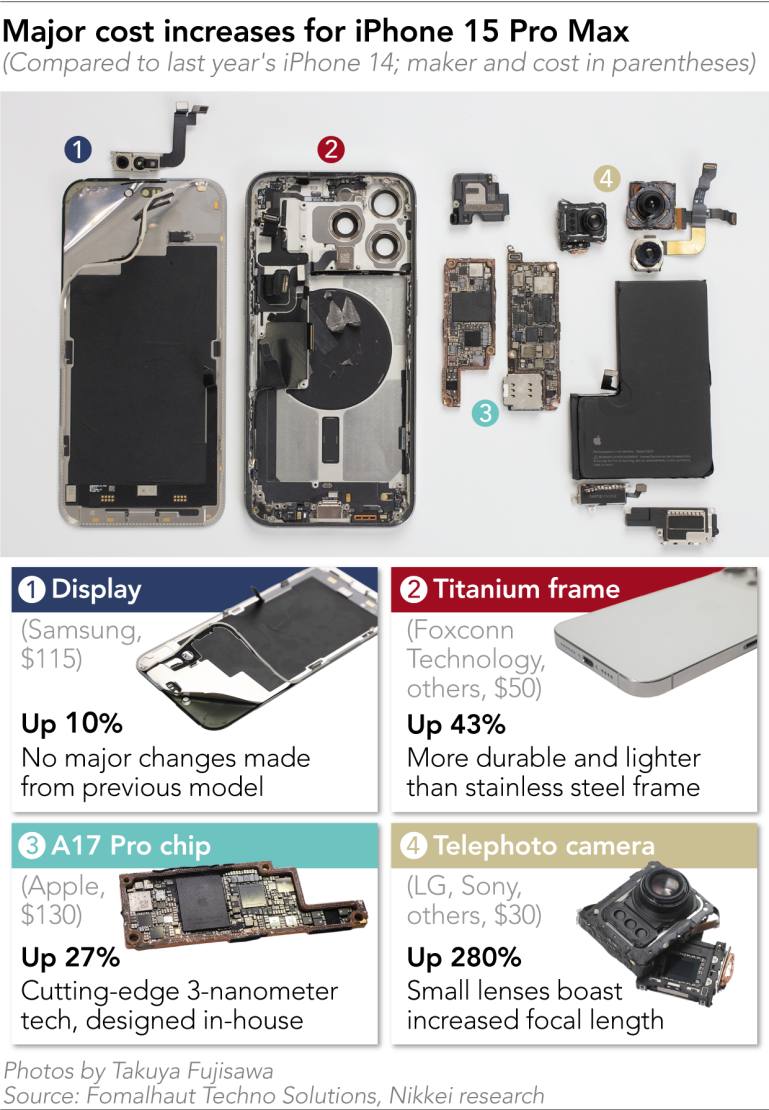
Have you ever wondered why buying individual electronic components often costs more than purchasing a fully assembled device? It might seem strange at first, but there are important reasons behind this pricing puzzle.
Understanding why component prices are higher can save you money and help you make smarter choices for your projects. Keep reading to discover the surprising factors that affect costs and how they impact what you pay. This knowledge will give you an edge whether you’re building, repairing, or just curious about electronics.

Credit: www.boardera.ca
Economies Of Scale
Economies of scale explain why component prices often cost more than assembled electronics. When businesses produce items in large quantities, the cost per unit drops. This happens because fixed costs spread over many units. As a result, manufacturers can sell products cheaper.
For individual components, production runs tend to be smaller. Small orders mean higher costs per piece. Assembled electronics, however, are mass-produced in factories. They benefit from buying parts in bulk and automated assembly lines.
Bulk Purchasing Reduces Costs
Assembled electronics makers buy thousands of parts at once. Suppliers offer discounts for large orders. This reduces the price of each component. Buyers of single components miss out on these savings.
Automated Production Lowers Expenses
Factories use machines to build electronics fast. Automation cuts labor costs and speeds up production. This lowers the overall expense of assembled products. Buying parts alone does not offer this benefit.
Spreading Fixed Costs Over Many Units
Equipment, design, and setup costs are high. Factories divide these costs among all items made. This makes each item cheaper. Small component producers cannot spread costs this way.
Higher Inventory And Handling Costs For Components
Components must be stored and managed individually. This adds to their price. Assembled electronics come ready to sell, reducing extra costs. Handling many small parts is less efficient.
Supply Chain Dynamics
Supply chain dynamics play a crucial role in the cost difference between components and assembled electronics. The journey from raw materials to finished products involves several stages. Each stage adds costs that impact component prices more than fully assembled devices.
Logistics And Distribution Costs
Transporting individual components requires careful handling and special packaging. This increases shipping expenses compared to bulk shipping of assembled electronics. Components often come from different suppliers worldwide. Coordinating their delivery adds complexity and cost.
Storage costs also rise because components need controlled environments to avoid damage. Multiple shipments mean higher customs fees and taxes. These factors raise the price of components significantly.
Raw Material Sourcing
Components depend on high-quality raw materials like metals and semiconductors. These materials face price fluctuations due to market demand and supply shortages. Small quantities for each component increase per-unit costs.
Manufacturers often buy raw materials in bulk for assembled products, reducing expenses. Component makers cannot always access these bulk discounts. This difference in procurement drives component prices up.
Manufacturing Processes
Manufacturing processes play a key role in the cost difference between components and fully assembled electronics. Each step in making electronics impacts the final price. Components are often priced higher due to how they are made and handled before assembly.
Mass production allows companies to lower costs by making many units quickly and efficiently. On the other hand, customizing parts or small batch production increases costs due to extra labor and setup.
Mass Production Benefits
Mass production uses automated machines to produce large quantities. This process reduces the cost per unit. Machines work fast and require less human labor. Bulk purchasing of materials also lowers prices. Assembly lines speed up production and cut waste. Standardized components fit together easily, saving time and money.
Customization Costs
Custom parts need special tools and skilled workers. Creating unique designs slows down production. Small orders do not benefit from bulk discounts. More testing is needed to ensure quality. Manual handling increases the risk of defects. These factors raise the price of individual components compared to mass-produced items.
Research And Development Expenses
Research and development (R&D) costs play a major role in why individual electronic components often come with a higher price tag compared to fully assembled devices. These expenses cover the work needed to design, test, and improve each component before it reaches the market.
When you buy a single component, you are essentially paying for the years of effort and expertise that went into making that part reliable and efficient. Companies invest heavily in prototyping, refining designs, and ensuring components meet strict quality standards.
Investment In Innovation
Creating a new electronic component requires a substantial investment in innovation. Engineers spend months or even years developing cutting-edge technology that pushes performance boundaries.
This level of innovation costs money, and that cost is reflected in the price you pay for the component. It’s not just a physical item; it’s a piece of advanced engineering.
Testing And Quality Assurance
Before components can be sold, they undergo rigorous testing to guarantee they work perfectly under various conditions. This process includes stress tests, environmental checks, and compliance with industry standards.
These quality assurance steps add to the overall cost, but they protect you from failures down the line. Would you rather pay a bit more upfront or risk costly replacements?
Prototyping And Iteration Costs
Each component goes through multiple design iterations to fix flaws and improve functionality. Prototyping requires specialized equipment and skilled labor, which adds to expenses.
These repeated cycles ensure you get a component that performs as expected. This trial-and-error approach might seem costly, but it saves you money by avoiding defects.
Why Assemblies Can Be Cheaper
When components are assembled into a finished product, some R&D costs are spread over many units, lowering the price per item. Manufacturers also benefit from economies of scale.
This explains why buying an assembled device often seems less expensive than purchasing individual parts. But remember, the initial R&D investment for those parts is still hidden inside the final price.
Packaging And Branding
Packaging and branding play a big role in the cost difference between components and assembled electronics. Components often come in simple packaging with minimal branding. Assembled electronics, on the other hand, have attractive packaging designed to catch buyers’ attention. This adds to the final price but also increases perceived value.
Good packaging protects the product and makes it easier to sell. It also allows companies to include useful information and instructions. Branding helps build trust and loyalty. Buyers often pay more for products with strong, recognizable brands.
Marketing Strategies
Companies use packaging and branding as part of their marketing plan. Bright colors, logos, and unique designs make products stand out on shelves. They create a consistent look across all items to build brand identity.
Special packaging can highlight features and benefits. It can also include promotions or warranties. These strategies help justify a higher price for assembled electronics compared to bare components.
Consumer Perception
Packaging and branding influence how buyers see the product. Well-packaged electronics appear more reliable and valuable. Consumers often believe branded products will perform better and last longer.
Components with plain packaging look less important or lower quality. Many buyers prefer to pay more for a complete, branded product rather than assemble parts themselves. This perception drives up the cost of assembled electronics.

Credit: www.grandviewresearch.com
Market Demand And Pricing
Market demand plays a big role in the pricing of electronic components. Components often cost more than fully assembled electronics because of how buyers and sellers interact in the market.
Components serve a smaller group of buyers. These buyers are usually manufacturers or hobbyists who need specific parts. The demand for these parts is less steady and more specialized. This can raise prices.
Assembled electronics attract a wider audience. They are ready to use and appeal to general consumers. The higher volume of sales often lowers the price per unit.
Supply And Demand Imbalance
Component markets can face shortages or surpluses easily. A small change in supply or demand can cause big price swings. Limited availability of certain materials also pushes prices up.
Bulk Buying And Discounts
Manufacturers buy assembled products in bulk. This allows them to negotiate better prices. Components are often sold in smaller quantities, leading to higher per-item costs.
Customization And Low Volume Production
Components may need special customization. Custom parts cost more due to extra work and lower production scale. Assembled electronics are mass-produced, spreading costs over many units.
Market Competition
The assembled electronics market is very competitive. Companies lower prices to attract customers. Component suppliers may have less competition, keeping prices higher.
Impact Of Technology Advancements
Technology advances quickly in the electronics world. These changes affect component prices significantly. New features and smaller sizes need complex designs and materials. This complexity raises production costs. Components require more precise manufacturing to meet higher standards.
Advanced technology also demands new testing and quality checks. These steps ensure components work well in modern devices. The cost of research and development adds to the price. Companies spend a lot to create innovative parts. These investments reflect in the final cost of components.
Miniaturization And Its Cost Effects
Components become smaller with each new generation. Tiny parts need special tools and skills to produce. Small size increases the difficulty of manufacturing. Higher precision machines and clean rooms are necessary. These requirements increase production expenses, pushing prices up.
Use Of Advanced Materials
New components use advanced materials like rare metals and special plastics. These materials improve performance and durability. They cost more than traditional materials. Sourcing and processing these materials add to component prices. The result is more expensive but better-quality parts.
Increased Testing And Quality Control
Modern components must pass strict quality tests. These tests catch defects and ensure reliability. Testing requires expensive equipment and time. Quality control adds labor costs and slows production. These factors raise the price of individual components.
Research And Development Investment
Creating advanced components involves heavy research. Companies invest in new designs and technologies. This process takes time and money. The cost of R&D is included in component pricing. Buyers pay more to cover these development expenses.
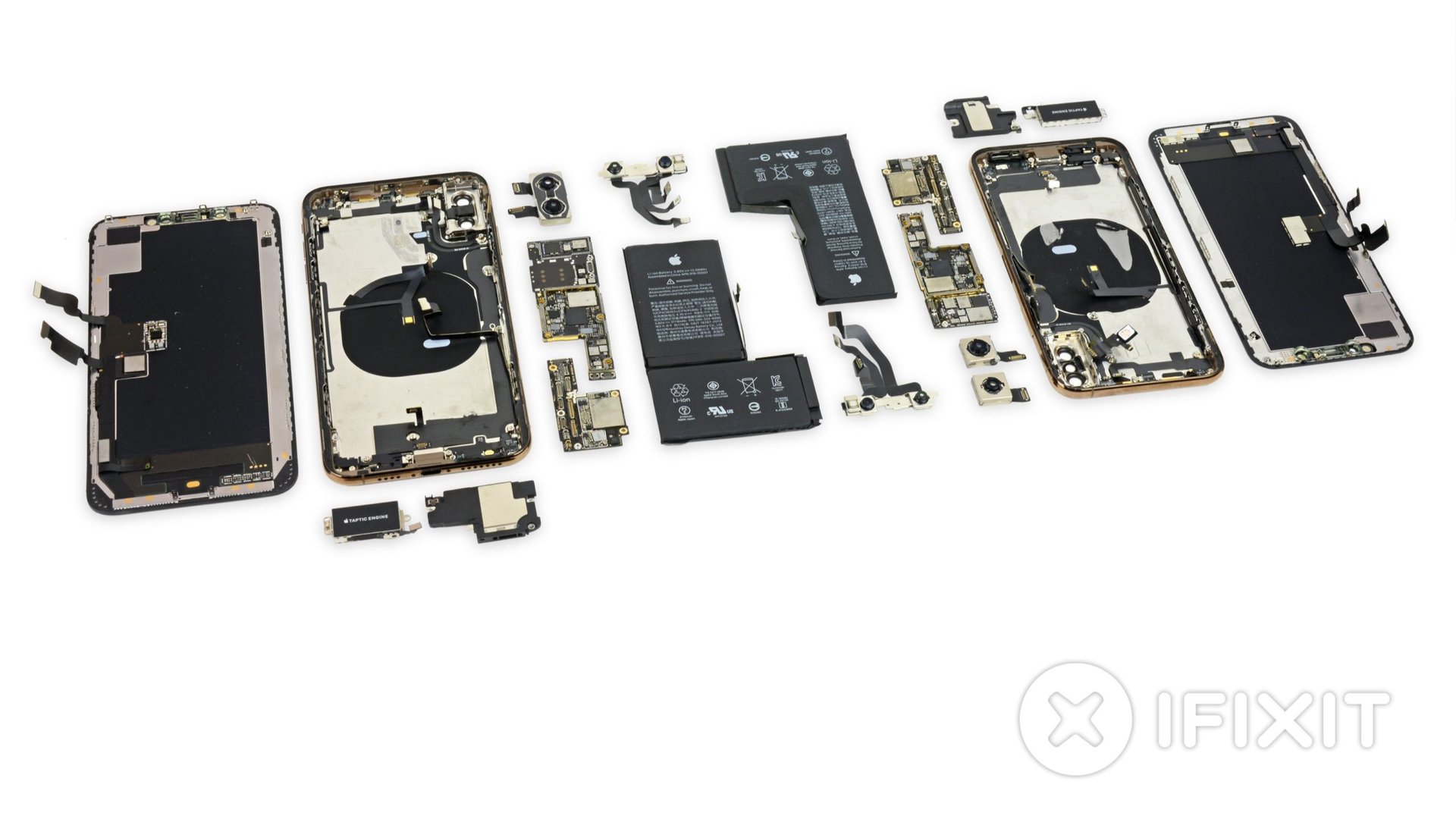
Credit: www.androidauthority.com
Frequently Asked Questions
Why Are Individual Components Priced Higher Than Assembled Electronics?
Individual components often cost more due to smaller purchase volumes and higher packaging costs. Assembled electronics benefit from bulk manufacturing and streamlined assembly, reducing overall costs.
How Does Manufacturing Scale Affect Component Prices?
Larger production runs lower costs by spreading fixed expenses. Components made in small batches lack these economies of scale, making each unit more expensive.
Does Assembly Complexity Influence Component Pricing?
Yes, components designed for easy assembly often cost less. Complex or specialized parts require more precise manufacturing, increasing their individual prices.
Are Supply Chain Factors Responsible For Component Cost Differences?
Supply chain variations, like sourcing and logistics, impact component prices. Assembled products often have optimized supply chains, lowering costs compared to individual parts.
Conclusion
Component prices often seem higher than assembled electronics for clear reasons. Buying parts individually means fewer discounts and higher costs. Assembly spreads costs across many units, lowering the price per item. Also, components require extra work, tools, and knowledge to use.
Assembled products save time and effort for buyers. Understanding these factors helps explain the price gap. Choosing parts or ready products depends on your needs and skills. Knowing why prices differ makes buying decisions easier and smarter.
Leave a Reply