
If you rely on hydraulic systems, you know how crucial it is to keep them running smoothly. But are you doing everything you can to extend their lifespan?
Small maintenance tasks can make a huge difference in preventing costly breakdowns and keeping your system efficient. You’ll discover the essential steps you need to take to protect your investment and avoid unexpected downtime. Keep reading to learn how simple actions can save you time, money, and frustration.
Importance Of Regular Maintenance
Regular maintenance is vital for hydraulic systems to work well over time. It helps avoid breakdowns and costly repairs. Keeping the system in good shape ensures smooth and safe operation. Maintenance also improves efficiency and saves energy.
Without regular checks, small problems can grow into bigger issues. Dirt, leaks, and worn parts reduce system life. Timely maintenance keeps parts clean and lubricated. It finds issues early before they cause damage.
Early Detection Of Problems
Regular maintenance helps spot problems early. Checking fluid levels and filter condition reveals wear and contamination. Finding leaks or unusual noises prevents system failure. Early detection saves money and downtime.
Improved System Efficiency
Clean filters and fresh hydraulic fluid keep the system efficient. Properly maintained parts work smoothly and use less power. This reduces energy costs and increases productivity.
Extended Equipment Lifespan
Routine care prevents rust, corrosion, and wear. Lubrication and cleaning protect parts from damage. Well-maintained systems last longer and need fewer replacements.
Safety And Reliability
Hydraulic systems under regular care run safely. Maintenance reduces risks of leaks and failures. Reliable equipment protects workers and avoids accidents.
Fluid Management
Fluid management plays a crucial role in extending the life of your hydraulic system. The right fluid keeps components moving smoothly and protects against wear and tear. Neglecting this aspect can lead to costly breakdowns and reduced system efficiency.
Selecting The Right Hydraulic Fluid
Choosing the correct hydraulic fluid is more than just picking a liquid from the shelf. You need to consider factors like temperature range, pressure conditions, and compatibility with system materials.
Using a fluid with inadequate viscosity can cause poor lubrication or overheating. Have you checked if your current fluid matches your equipment’s specifications? Sometimes, switching to a fluid designed for extreme conditions can significantly improve performance.
Regular Fluid Analysis
Testing your hydraulic fluid regularly can reveal hidden problems before they become serious. Look for signs of contamination, oxidation, and breakdown of additives.
Simple tests can detect water content, particle counts, and acidity levels. This data helps you decide when to change the fluid and avoid unexpected failures. How often do you send fluid samples for analysis? More frequent checks might save you from major repairs.
Effective Fluid Filtration
Even the best fluid can get contaminated if your filtration system isn’t up to par. Filters trap dirt, metal particles, and other debris that cause damage to pumps and valves.
Check filter ratings and replace them according to the manufacturer’s schedule. Installing inline filters or breathers can further reduce contamination risks. Have you ever tracked the condition of your filters to see if they’re catching enough debris? This simple step can protect your entire hydraulic system.
System Inspection
Regular system inspection is vital for keeping a hydraulic system in good shape. It helps spot problems early and prevents costly breakdowns. Checking key components ensures the system runs smoothly and lasts longer.
Checking For Leaks
Leaks waste hydraulic fluid and lower system pressure. Look for wet spots or puddles around fittings and hoses. Catching leaks early stops damage and keeps the system efficient. Use a clean cloth to wipe areas, then check again for new fluid. Small leaks can turn into big problems fast.
Inspecting Seals And Hoses
Seals and hoses wear out over time. Look for cracks, bulges, or hardening. Damaged seals let fluid escape and allow dirt inside. Replace any parts showing wear to avoid failures. Pay close attention to hose connections and bends. Proper condition of seals and hoses keeps the system tight and clean.
Monitoring Pressure Levels
Pressure needs to stay within set limits. Use a pressure gauge to check readings regularly. Low pressure may mean leaks or pump issues. High pressure can cause damage or burst hoses. Track pressure trends to find problems early. Maintaining correct pressure helps the system perform well and last longer.
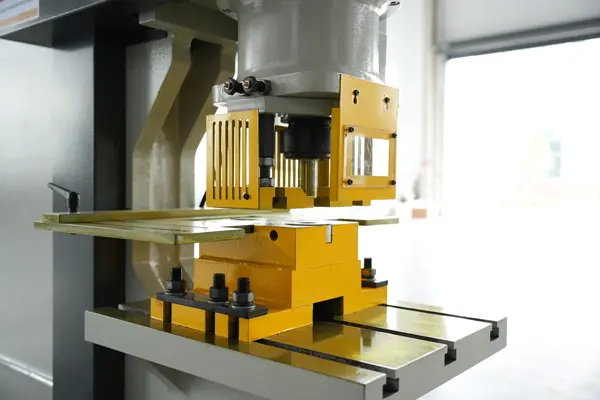
Credit: www.sshlmachinery.com
Component Care
Proper care of hydraulic system components extends their lifespan and improves system performance. Regular checks and maintenance prevent costly breakdowns and ensure smooth operation. Focus on the pump, valves, and cylinders as these parts face the most stress.
Pump Maintenance
Keep the pump clean and free from dirt or debris. Check oil levels and quality regularly to avoid damage. Listen for unusual noises that indicate wear or leaks. Replace worn seals and bearings promptly to maintain pressure and flow.
Valve Adjustments
Valves control fluid flow and pressure. Inspect valves for leaks and corrosion. Adjust valve settings to match system requirements. Use the correct tools to avoid damage during adjustments. Tighten loose connections to prevent fluid loss.
Cylinder Inspection
Examine cylinders for scratches, dents, or cracks on the surface. Check piston rods for straightness and smooth movement. Replace damaged seals to stop leaks and contamination. Lubricate moving parts to reduce friction and wear.
Contamination Control
Contamination control is vital for extending hydraulic system life. Dirt, water, and other particles cause wear and damage. These contaminants reduce system efficiency and increase repair costs. Keeping the system clean prevents breakdowns and improves performance. A solid contamination control plan protects internal parts and fluid quality.
Using Quality Filters
Filters stop harmful particles from circulating in the system. Choose filters with the right micron rating for your system. Replace filters regularly to maintain flow and cleanliness. High-quality filters trap more contaminants and last longer. Proper filtration reduces component wear and fluid degradation.
Implementing Cleanliness Protocols
Cleanliness protocols prevent dirt from entering the system during maintenance. Use clean tools and work in dust-free areas. Wear gloves to avoid introducing contaminants. Store hydraulic fluid and parts in clean containers. Regularly inspect seals and hoses for leaks or damage.
Regular System Flushing
Flushing removes old fluid and contaminants from the system. Schedule flushing based on manufacturer guidelines or contamination levels. Use the correct flushing fluid to avoid damage. Flushing restores fluid cleanliness and improves system reliability. It also helps detect hidden issues early.

Credit: hanmalt.com
Temperature Regulation
Temperature regulation is vital for hydraulic systems to operate efficiently. Excess heat damages components and breaks down hydraulic fluid. Controlling temperature extends system life and reduces costly repairs. Regular checks and maintenance keep temperatures within safe limits.
Monitoring Operating Temperatures
Tracking the system’s temperature helps detect overheating early. Use temperature sensors placed near critical parts. Check readings often during operation and record data for trends. Sudden spikes signal potential problems like fluid breakdown or blocked filters. Maintaining steady temperatures prevents wear and keeps pressure stable.
Cooling System Efficiency
The cooling system removes heat from hydraulic fluid. Clean radiators, fans, and heat exchangers regularly. Check coolant levels and top up with recommended fluids. Inspect hoses for leaks or cracks that reduce cooling. Efficient cooling prevents fluid from thinning or losing lubrication power. Replace worn parts to keep the system working well.
Troubleshooting Common Issues
Troubleshooting is key to keeping hydraulic systems running longer. Early detection of problems stops damage and costly repairs. It also improves safety and system efficiency.
Knowing how to spot common issues helps maintain smooth operations. This section covers typical problems and simple fixes to try.
Identifying Noisy Operations
Noises often signal trouble in hydraulic systems. Listen for whining, knocking, or grinding sounds. These may mean air is trapped or parts are worn out.
- Check fluid levels and quality.
- Look for loose or damaged components.
- Inspect filters for clogging.
Fixing noise early avoids bigger failures and extends system life.
Addressing Slow Performance
Slow response or movement can reduce system productivity. It usually relates to low fluid pressure or dirty fluid.
- Test the pressure levels regularly.
- Replace or clean hydraulic fluid and filters.
- Examine hoses and valves for blockages.
Timely action restores speed and efficiency.
Fixing Inconsistent Movements
Jerky or uneven motions indicate internal leaks or faulty controls. These cause poor performance and wear.
- Inspect seals and cylinders for leaks.
- Test control valves for proper function.
- Tighten or replace loose fittings.
Correcting these issues ensures smooth, reliable operation.
Training And Documentation
Training and documentation are crucial for extending the life of hydraulic systems. Proper training equips staff with skills to handle equipment safely and efficiently. Clear documentation guides maintenance and helps track system performance over time. Together, they reduce errors and prevent costly breakdowns.
Staff Training Programs
Well-trained staff understand the hydraulic system’s needs and limits. Training covers routine checks, troubleshooting, and emergency responses. Hands-on sessions improve skills and confidence. Regular refreshers keep knowledge current and prevent bad habits.
- Understanding system components
- Performing scheduled maintenance
- Identifying signs of wear or leaks
- Safe handling of fluids and pressure
- Responding to common faults
Maintaining Accurate Records
Accurate records track maintenance tasks and system conditions. They help spot trends and predict failures early. Records should include:
- Dates of inspections and repairs
- Parts replaced and fluid changes
- Operational hours and load conditions
- Staff responsible for tasks
Organized records improve communication and decision-making. They support compliance with safety and quality standards. Proper documentation saves time and reduces unexpected downtime.
Utilizing Technology
Technology plays a key role in keeping hydraulic systems running longer. It helps detect problems early and fix them before damage occurs. Using technology makes maintenance smarter and more effective. It reduces downtime and saves money.
Implementing Predictive Maintenance
Predictive maintenance uses data to forecast when parts might fail. Sensors collect information on temperature, pressure, and vibration. This data helps spot issues before they grow serious. Maintenance happens only when needed, not on a fixed schedule.
Benefits include:
- Reducing unexpected breakdowns
- Extending component life
- Lowering maintenance costs
Predictive tools alert technicians to take action early. This keeps the system healthy and efficient.
Using Diagnostic Tools
Diagnostic tools check the condition of hydraulic parts quickly. They measure fluid cleanliness, pressure levels, and system performance. These tools identify wear, leaks, or blockages.
Common diagnostic methods:
- Fluid analysis to detect contamination
- Pressure testing for leaks or drops
- Thermal imaging to find hot spots
Regular diagnostics help maintain optimal system function. They prevent minor problems from causing major failures.
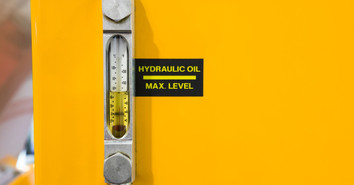
Credit: santiemidwest.com
Frequently Asked Questions
What Are The Key Hydraulic System Maintenance Tasks?
Regular fluid checks, filter replacements, leak inspections, and component lubrication are essential. These tasks prevent wear and ensure smooth system operation.
How Often Should Hydraulic Fluid Be Changed?
Hydraulic fluid should be changed every 1,000 to 2,000 operating hours or as recommended by the manufacturer. Clean fluid prevents contamination and system damage.
Why Is Filter Replacement Important In Hydraulic Systems?
Filters remove contaminants that can cause system failure. Regular replacement ensures clean fluid flow and protects valves, pumps, and actuators from damage.
How Can Leaks Affect Hydraulic System Lifespan?
Leaks reduce fluid levels, causing overheating and increased wear. Detecting and fixing leaks early prevents costly repairs and extends system life.
Conclusion
Regular checks keep hydraulic systems running smoothly. Clean filters and oil prevent damage and wear. Tighten fittings to avoid leaks that reduce efficiency. Replace worn parts before they cause bigger problems. Keep systems cool to stop overheating issues. Simple tasks save time and money in the long run.
A well-maintained system lasts longer and works better. Small efforts every day make a big difference. Take care of your hydraulic system for reliable performance.
Leave a Reply