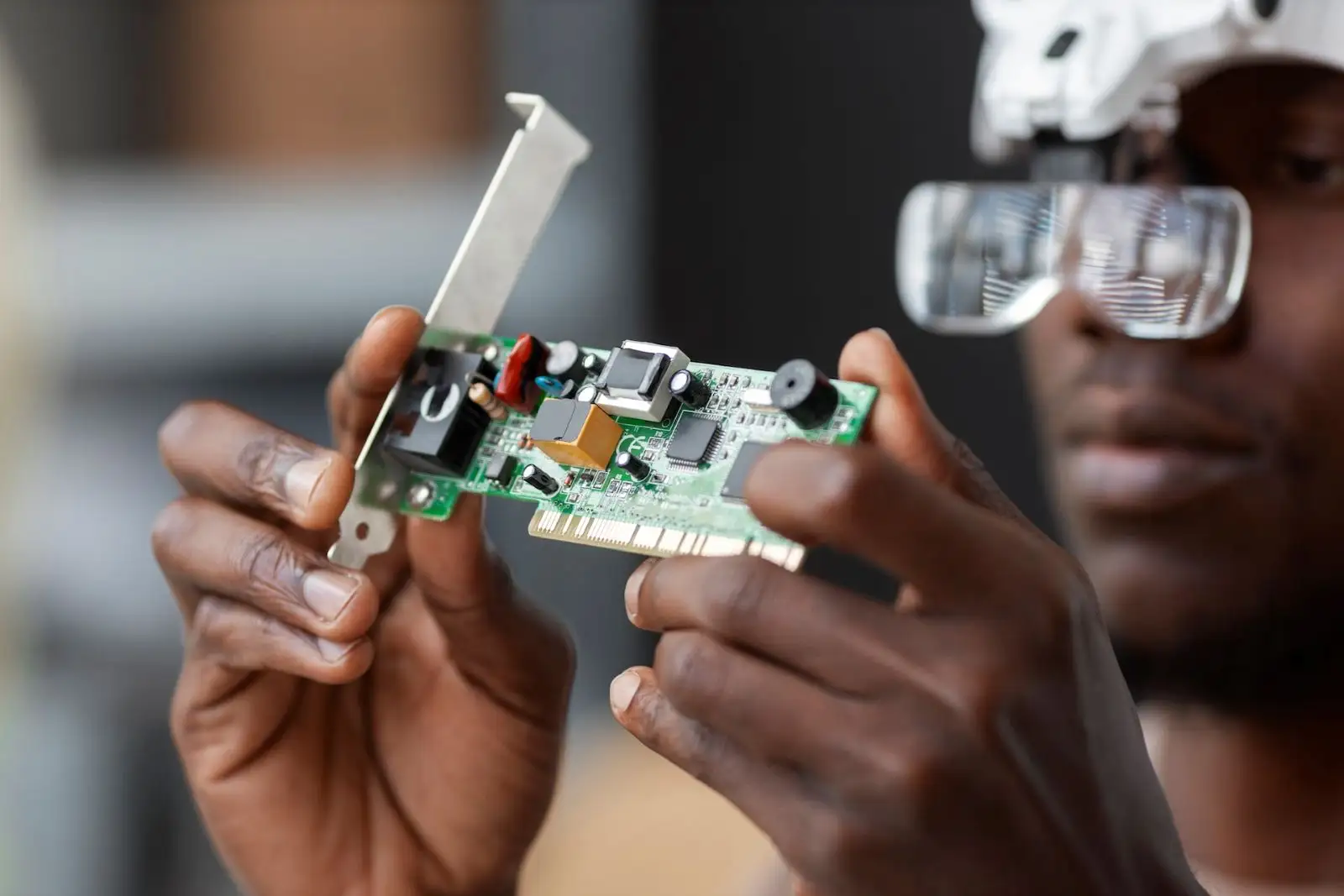
Are you fascinated by the gadgets and devices that make life easier and more fun? If you’ve ever wondered how these amazing products come to life, becoming a consumer electronics engineer might be your perfect path.
This career lets you turn ideas into real technology that millions use every day. You’ll discover clear steps to start your journey, practical tips to build your skills, and the key knowledge you need to stand out. Ready to unlock the secrets behind the devices you love?
Keep reading, and let’s make your dream a reality.

Credit: www.chitkara.edu.in
Understanding Consumer Electronics
Understanding consumer electronics is key if you want to build a career in this dynamic field. These devices shape how we live, work, and communicate every day. Knowing their history and current trends helps you stay ahead and design products that truly matter.
Evolution Of Consumer Electronics
Consumer electronics have come a long way from the bulky radios and black-and-white TVs of the past. Early devices focused mainly on basic functions like audio and video playback.
As technology advanced, products became smaller, smarter, and more connected. Think about how smartphones replaced multiple gadgets by combining a camera, phone, and computer in one device.
Understanding this evolution gives you insight into why certain features became popular and how user needs have shifted over time.
Current Trends And Innovations
Today’s consumer electronics emphasize connectivity, convenience, and customization. Smart home devices, wearable tech, and AI-powered assistants dominate the market.
As an engineer, you should focus on integrating sensors, improving battery life, and enhancing user interfaces. For example, voice control is no longer just a novelty—it’s expected by many users.
Ask yourself: How can your designs make technology easier and more intuitive for everyday users? That question can guide your innovation and problem-solving efforts.
Educational Pathways
Choosing the right educational path is crucial if you want to become a consumer electronics engineer. Your education lays the foundation for understanding the complex technologies that drive consumer electronics. It also shapes your problem-solving skills and prepares you for the fast-changing industry.
Relevant Degree Programs
Degrees in electrical engineering, electronics engineering, or computer engineering are the most common routes. These programs cover the basics of circuits, signals, and systems, which are essential for consumer electronics design.
Some universities offer specialized courses or tracks specifically in consumer electronics or embedded systems. Look for programs that provide hands-on projects or internships with electronics companies. This real-world experience can make a big difference when you start job hunting.
Essential Courses And Subjects
Certain courses will be crucial for your success as a consumer electronics engineer. Focus on subjects like digital electronics, microprocessors, and circuit design. These give you the skills to create and improve electronic devices you use daily.
Don’t overlook software-related courses such as programming and embedded systems. Consumer electronics often require close integration between hardware and software. Understanding both sides will make you a more versatile engineer.
- Signal processing – helps in improving device performance and user experience
- Power electronics – essential for managing energy in portable devices
- Communication systems – important for wireless technologies in gadgets
What courses have you found most challenging or rewarding in your studies? Reflecting on this can guide you in choosing the right classes to focus on.
Skill Development
Developing the right skills is crucial for anyone aiming to thrive in consumer electronics engineering. The field demands a blend of technical expertise and interpersonal abilities. Strengthening these skills can set you apart and help you tackle real-world challenges effectively.
Technical Skills
Your foundation in technical skills needs to be solid. Focus on mastering circuit design, embedded systems, and software programming. Hands-on experience with tools like oscilloscopes and simulation software can deepen your understanding.
Don’t just learn theory—build projects that push your knowledge. For instance, designing a smart home device can teach you about sensors, microcontrollers, and wireless communication all at once. How often do you challenge yourself with projects that simulate real industry problems?
Stay updated with the latest technologies. Consumer electronics evolve fast, so learning about IoT, AI integration, and power management can keep you relevant. Online courses and certifications can help you gain these skills without waiting for formal education.
Soft Skills For Success
Technical skills alone won’t take you far without strong soft skills. Communication plays a big role in explaining your ideas clearly to team members or clients. Practice writing reports and presenting your work to build confidence.
Problem-solving is another must-have skill. You need to think critically and adapt quickly when a design doesn’t work as expected. Have you ever found a solution by looking at a problem from a completely different angle?
Collaboration is key in engineering projects. Working well with others, accepting feedback, and managing time efficiently will boost your productivity. Try to engage in group projects or internships where you can sharpen these interpersonal skills.
Gaining Practical Experience
Gaining practical experience is vital for anyone aiming to become a consumer electronics engineer. It bridges the gap between theory and real-world application. Hands-on work helps build skills, understand industry standards, and improve problem-solving abilities. Practical experience also boosts confidence and makes resumes stand out to employers.
Internships And Apprenticeships
Internships and apprenticeships offer direct exposure to the electronics field. These opportunities allow you to work with experienced engineers on real projects. You learn about circuit design, testing, and troubleshooting in a professional setting.
Internships often last a few months and provide valuable networking chances. Apprenticeships can be longer and include structured training programs. Both paths help you develop technical skills and understand workplace dynamics.
Seek internships at electronics companies or research labs. Prepare a strong resume and show eagerness to learn. Such experiences can lead to job offers after graduation.
Project-based Learning
Project-based learning lets you apply knowledge through creating and building electronics devices. It encourages creativity and critical thinking. Projects can include designing gadgets, assembling circuits, or programming embedded systems.
Working on projects teaches you to solve real problems and face challenges. You learn to test, debug, and improve your designs. This approach also strengthens teamwork and communication skills if done in groups.
Start with small, manageable projects and gradually increase complexity. Use online tutorials, kits, and forums to support your learning. Documenting your projects builds a portfolio to show potential employers.
Certifications And Training
Certifications and training play a key role in becoming a consumer electronics engineer. They prove your skills to employers and help you stay current in the fast-changing tech world. Proper training improves your knowledge and boosts your career prospects.
Choosing the right certifications and continuing education can set you apart. They provide hands-on experience and theoretical knowledge. This section covers essential certifications and learning opportunities for aspiring engineers.
Industry-recognized Certifications
Certifications show that you meet industry standards. They prove your expertise to companies and clients. Some popular certifications for consumer electronics engineers include:
- Certified Electronics Technician (CET)
- IPC Specialist Certification
- CompTIA A+ for hardware basics
- Project Management Professional (PMP) for managing projects
These certifications focus on different skills such as circuit design, troubleshooting, and project management. Earning them increases your value in the job market.
Continuing Education Opportunities
Technology evolves fast, so learning never stops. Continuing education keeps your skills sharp and knowledge fresh. You can find courses online or at local colleges.
- Online platforms like Coursera and Udemy
- Technical workshops and bootcamps
- University extension programs
- Industry conferences and seminars
These options help you learn new tools and technologies. Regular training ensures you stay competitive and ready for new challenges.

Credit: kluniversityindia.weebly.com
Building A Professional Network
Building a professional network is essential for anyone aiming to thrive in consumer electronics engineering. Your network offers more than just contacts—it provides support, knowledge, and opportunities that can shape your career. How well you connect with others in the field can influence your growth, project collaborations, and even job prospects.
Joining Professional Associations
Professional associations give you a platform to meet experts and peers who share your interests. Groups like the IEEE Consumer Electronics Society or the Society of Women Engineers offer resources, workshops, and mentorship programs tailored to your field.
Being part of these associations means you get access to exclusive job boards, industry research, and newsletters. Have you considered how a membership might open doors to projects you wouldn’t find elsewhere?
Networking Events And Conferences
Attending conferences and networking events puts you face-to-face with industry leaders and innovators. These gatherings let you learn about the latest trends and technologies while building meaningful relationships.
Make a habit of preparing thoughtful questions or sharing your own work during these events. This approach makes you memorable and positions you as an engaged professional rather than just a visitor.
- Plan your event schedule around key speakers relevant to your interests.
- Follow up with new contacts within 24 hours to reinforce your connection.
- Offer help or share useful resources to build genuine rapport.
Networking is not just about collecting business cards—it’s about creating lasting relationships that can guide your career forward. Are you ready to put yourself out there and grow your professional circle?
Career Opportunities
Choosing a career in consumer electronics engineering opens a wide range of paths you can take. The field is dynamic and constantly evolving, so your skills remain in demand. Understanding the types of roles available and where the industry is heading can help you plan your career effectively.
Job Roles And Responsibilities
Consumer electronics engineers work on designing, developing, and testing devices like smartphones, wearable gadgets, and home automation systems. Your daily tasks might include circuit design, software integration, and troubleshooting hardware issues.
You could be involved in:
- Creating new product prototypes and improving existing designs
- Collaborating with cross-functional teams including software developers and marketing
- Ensuring products meet safety and quality standards
Would you prefer a hands-on role building devices or a design-focused position improving user experience? Identifying your interest can guide your job search and skill development.
Emerging Fields In Electronics
The consumer electronics sector is expanding into areas like Internet of Things (IoT), wearable technology, and smart home devices. These fields offer exciting opportunities to work on cutting-edge technologies that shape daily life.
For example, engineers are now developing health-monitoring wearables that provide real-time data to users and doctors. This blend of electronics and data science creates room for specialists who can bridge both areas.
Are you ready to learn new skills like AI integration or wireless communication protocols? Staying current with emerging trends ensures you remain valuable in this fast-changing industry.
Staying Updated With Industry Trends
Staying updated with industry trends is vital for anyone wanting to become a consumer electronics engineer. The technology field changes fast. New tools, materials, and methods appear regularly. Keeping up helps you work smarter and stay relevant. It also opens doors to new ideas and opportunities.
Reading Industry Publications
Industry publications offer valuable information about recent advances and market shifts. They contain articles, reports, and expert opinions. Subscribing to well-known magazines and journals keeps you informed. You learn about new technologies, design strategies, and product launches.
Many publications are available online. This makes it easy to access the latest news anytime. Set aside time each week to read these sources. It builds your knowledge and sharpens your skills.
Following Technology Influencers
Technology influencers share insights and updates on social media and blogs. These experts often discuss trends and innovations in consumer electronics. Following them gives you direct access to fresh ideas and analysis.
Influencers can also answer questions and provide practical advice. Engaging with their content helps you stay connected to the tech community. Choose influencers who focus on consumer electronics engineering or related fields.
Challenges And How To Overcome Them
Becoming a consumer electronics engineer comes with its share of challenges. These obstacles test your knowledge, creativity, and persistence. Understanding common industry hurdles and learning how to tackle them can make your journey smoother and more rewarding.
Common Industry Challenges
The consumer electronics field moves fast. You will face rapid technology changes that require continuous learning.
Design constraints often limit what you can do. Balancing cost, size, and performance is a constant struggle.
Working in teams with different expertise can lead to communication gaps. Misunderstandings may cause delays or errors.
Regulatory standards and safety requirements add complexity. You must stay updated and compliant with evolving rules.
Strategies For Problem Solving
Keep learning every day. Follow industry news, attend workshops, and experiment with new tools to stay ahead.
Break down big problems into smaller, manageable parts. This makes solutions clearer and easier to test.
Communicate actively with your team. Asking questions and sharing updates can prevent costly mistakes.
Use prototypes and simulations to test your ideas early. This reduces risks and uncovers hidden issues.
Seek feedback from users or mentors. Fresh perspectives often reveal simple fixes or better approaches.
Have you ever faced a design challenge that seemed impossible at first? Often, the key is patience and a fresh angle. What steps will you take next time you hit a roadblock?

Credit: www.umu.ac.in
Frequently Asked Questions
What Qualifications Are Needed For Consumer Electronics Engineering?
A bachelor’s degree in electronics, electrical engineering, or related fields is essential. Strong math and physics skills help. Specialized courses in consumer electronics boost your expertise. Certifications and internships improve job prospects and practical knowledge.
How To Gain Practical Experience In Consumer Electronics?
Internships and co-op programs provide hands-on experience. Working on projects or DIY electronics kits builds skills. Participating in tech workshops and competitions enhances practical learning. Volunteering for electronics repairs or development also helps.
Which Skills Are Crucial For Consumer Electronics Engineers?
Strong analytical and problem-solving skills are vital. Proficiency in circuit design, programming, and CAD tools is needed. Communication skills aid teamwork and client interactions. Staying updated with emerging technologies ensures career growth.
What Career Opportunities Exist In Consumer Electronics Engineering?
Roles include design engineer, test engineer, and product developer. Opportunities also exist in R&D, quality control, and technical support. You can work with manufacturers, tech companies, or startups. Career growth depends on skills and experience.
Conclusion
Becoming a consumer electronics engineer takes time and effort. Start by learning the basics of electronics and technology. Gain hands-on experience through projects and internships. Keep updating your skills with new tools and trends. Stay curious and solve problems with creativity.
Building a strong foundation helps you grow in this field. Remember, patience and practice lead to success. Your journey in consumer electronics engineering begins with small steps today.
Leave a Reply