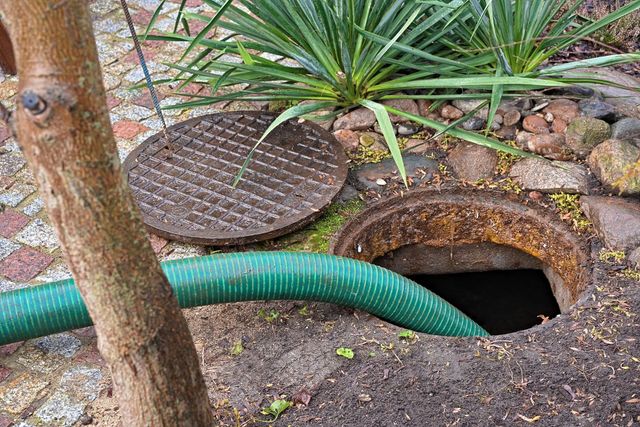
If you own or manage a commercial property, you know how important it is to keep everything running smoothly. One key part of that is your septic system.
But how often do commercial septic systems actually need maintenance? Ignoring this question could lead to costly repairs or even business interruptions. You’ll discover the ideal maintenance schedule to protect your investment and avoid unexpected problems. Keep reading to learn exactly what you need to do to keep your septic system in top shape.
Importance Of Regular Maintenance
Regular maintenance of your commercial septic system is not just a routine task—it’s essential for keeping your business running smoothly. Neglecting this upkeep can lead to costly repairs, unpleasant odors, and even health hazards. Understanding the importance of consistent care helps you avoid unexpected downtime and protects your investment.
Preventing Costly Repairs
Skipping maintenance might save money today but can lead to expensive breakdowns later. When septic tanks overflow or pipes clog, repairs can disrupt your business operations and drain your budget. Regular inspections catch small issues early, preventing them from turning into major problems.
Ensuring Health And Safety
Your septic system handles wastewater, so any failure can expose your staff and customers to harmful bacteria. Routine maintenance keeps the system functioning properly, reducing the risk of contamination and foul smells. Are you confident your system is protecting everyone on your property?
Extending System Lifespan
Just like any equipment, your septic system needs care to last. Regular cleaning and servicing can add years to its life, saving you from premature replacement costs. Imagine how much you could save by simply sticking to a maintenance schedule.
Maintaining Compliance With Regulations
Local health departments often require businesses to maintain their septic systems. Failing to comply can result in fines or forced shutdowns. Staying on top of maintenance helps you meet legal requirements and keeps your business running without interruptions.
Improving Efficiency And Performance
A well-maintained septic system processes waste more efficiently, preventing backups and slow drains. Regular servicing ensures all parts function properly, helping your system handle the demands of your business. Could your system be working harder than it needs to?
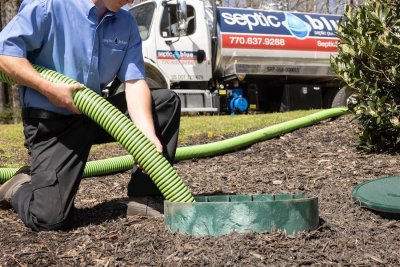
Credit: www.septicblue.com
Factors Affecting Maintenance Frequency
Understanding the factors that affect how often your commercial septic system needs maintenance can save you time, money, and headaches. Not every system is the same, and several key elements influence the maintenance schedule. Knowing these factors helps you plan better and avoid unexpected failures.
System Size And Capacity
The size of your septic system plays a huge role in determining maintenance frequency. Larger systems with higher capacity can handle more waste and often require less frequent attention.
However, if the system is undersized for your business, it will fill up faster and need more regular pumping and inspections. For example, a small café with a large septic tank might only need maintenance every three years, while a busy restaurant with a smaller tank could require service twice a year.
Usage Patterns
Your daily usage impacts how quickly the septic system fills up. A system serving an office with minimal restroom use won’t need maintenance as often as one serving a restaurant or hotel with high water and waste output.
Think about peak periods in your business. If you experience sudden increases in customer numbers or long operating hours, your septic system will work harder. It’s smart to adjust your maintenance schedule based on these patterns rather than sticking to a fixed timeline.
Local Regulations
Local laws often dictate minimum maintenance requirements for commercial septic systems. These rules vary widely depending on your location and environmental concerns.
Some areas require annual inspections and pumping, while others allow longer intervals. Check with your local health department or environmental agency to ensure you meet these legal obligations. Ignoring regulations can result in fines or forced system upgrades, which are costly and disruptive.
Signs Your Septic System Needs Attention
Knowing the signs that your commercial septic system needs attention can save you from costly repairs and operational downtime. Ignoring early warning signals often leads to bigger problems that disrupt your business and the environment. Let’s look at some clear indications that your septic system requires maintenance right away.
Unpleasant Odors
If you notice foul smells around your property, especially near the septic tank or drain field, don’t ignore them. These odors usually mean that wastewater is not being properly treated or is leaking. Such smells can impact your customers and employees, signaling a need for immediate inspection.
Slow Drains And Backups
Are sinks, toilets, or floor drains backing up or draining slowly in your facility? This is a warning that your septic system might be clogged or full. Acting quickly to address slow drainage can prevent sewage from backing up into your building, which can cause health hazards and disrupt operations.
Lush Green Patches In The Yard
Have you noticed unusually green or soggy patches on your lawn near the septic area? This could mean that the drain field is saturated with wastewater. While a green lawn might seem positive, it often indicates a leak or system failure that needs professional evaluation to prevent soil contamination.
Recommended Maintenance Schedule
Maintaining a commercial septic system regularly is essential to avoid costly repairs and health hazards. A clear maintenance schedule helps keep the system working efficiently. It also extends the system’s life and prevents unpleasant blockages or leaks.
Following a routine of monthly, bi-annual, and annual care ensures the system stays in good condition. Each type of maintenance targets specific parts of the septic system. This approach reduces breakdown risks and keeps the environment safe.
Monthly Checks
Monthly checks involve simple inspections of the septic system components. Look for signs of leaks or unusual smells near the tank area. Check that drainage fields are not waterlogged or damaged. These quick checks catch early problems before they grow.
Record observations and any minor issues. This helps track the system’s health over time. Monthly monitoring avoids surprises and keeps the septic system running smoothly.
Bi-annual Pumping
Septic tanks fill with sludge and scum that block pipes and reduce tank capacity. Pumping out the tank every six months clears these solids. This prevents clogs and system backups.
The frequency may vary based on tank size and business wastewater volume. Businesses producing more waste might need more frequent pumping. Regular pumping protects the tank and soil absorption areas.
Annual Professional Inspections
Hire a septic professional yearly to inspect the entire system. They check mechanical parts, tank integrity, and drain field health. Professionals use cameras and tools to find hidden problems.
Annual inspections identify repairs before they become serious. Experts can also advise on maintenance adjustments. This yearly review helps maintain compliance with local health rules.
Diy Maintenance Tips
DIY maintenance of commercial septic systems helps prevent costly repairs. Small actions by property owners keep the system working well. Regular care extends the life of the septic system and avoids blockages or leaks.
Simple checks and habits reduce risks. These tips save money and help maintain a healthy system. Learn how to spot problems early and protect your investment.
Regular Visual Inspections
Look for signs of trouble around the septic tank. Check for wet spots or foul odors near the drain field. Notice any slow drains inside the building. Inspect the tank lid and surrounding area for cracks or damage. Early detection helps avoid major repairs later.
Proper Waste Disposal Practices
Only flush toilet paper and human waste. Avoid flushing wipes, grease, or chemicals. These items can clog or damage the system. Use septic-safe cleaning products to protect helpful bacteria. Dispose of fats and oils in the trash, not drains.
Monitoring Water Usage
Excess water overloads the septic system and causes failure. Fix leaks and drips quickly. Spread out laundry loads over several days. Use water-saving fixtures and appliances. Controlling water use keeps the system balanced and healthy.

Credit: allbetterapp.com
Hiring Professional Services
Hiring professional services for maintaining your commercial septic system is essential to keep it running smoothly. Professionals bring expertise that helps catch issues early, preventing costly repairs and system failures. You might think routine checks are simple, but a trained eye makes all the difference in preserving your system’s health.
Choosing A Qualified Service Provider
Not all septic service companies offer the same quality or range of services. Look for providers with proper licensing and good reviews from other commercial clients. Ask if they have experience with systems similar to yours, as commercial setups vary widely.
Don’t hesitate to request references or proof of insurance. A provider who values transparency is likely to offer reliable service. What questions will you ask to ensure they understand your system’s specific needs?
What To Expect During A Service Visit
During a professional service visit, expect a thorough inspection of your septic tank and drain field. The technician will check for leaks, blockages, and signs of wear. They often use specialized tools to measure sludge levels and test system function.
You may also see tasks like pumping the tank to remove waste buildup or repairing damaged components. A good technician will explain what they find and suggest any necessary follow-up actions. How would you feel knowing your system is inspected with such care?
Cost Considerations
Costs for septic system maintenance can vary based on the size of your system and the services needed. Routine inspections might be affordable, but pumping and repairs can increase expenses. It’s smart to get detailed quotes upfront to avoid surprises.
Think of maintenance as an investment that reduces the risk of expensive emergencies. Ask providers about any service packages or maintenance plans they offer to spread out costs. Could a planned maintenance schedule help you budget better?
Benefits Of Proper Maintenance
Proper maintenance of your commercial septic system brings more than just peace of mind. It actively protects your investment and the environment around you. Taking care of your system regularly prevents unexpected problems that can disrupt your business operations.
Extended System Lifespan
Regular maintenance helps your septic system last longer by preventing buildup and blockages. When you clean and inspect the system routinely, you avoid damage that can shorten its life. Imagine avoiding a costly replacement simply by scheduling a few check-ups each year.
Cost Savings In The Long Run
Fixing small issues early saves you from expensive repairs later. Neglecting maintenance can lead to major problems like system backups or failures, which can cost thousands to fix. Investing a little time and money now means you won’t face surprise expenses that hurt your budget.
Environmental Protection
A well-maintained septic system keeps harmful waste from leaking into the soil and water. This protects local ecosystems and ensures compliance with health regulations. You have a direct role in preventing pollution and keeping your community safe by staying on top of maintenance.

Credit: crewsenvironmental.com
Frequently Asked Questions
How Often Should Commercial Septic Systems Be Inspected?
Commercial septic systems should be inspected every 1 to 3 years. Regular inspections help identify issues early and prevent costly repairs. The inspection frequency depends on system size, usage, and local regulations. Timely checks ensure the system functions efficiently and extends its lifespan.
What Maintenance Is Required For Commercial Septic Systems?
Maintenance includes pumping the tank every 3 to 5 years, checking for leaks, and inspecting mechanical parts. Avoid flushing harmful chemicals and excessive water use. Routine care prevents blockages and system failures, ensuring long-term performance and environmental safety.
Can Neglecting Septic Maintenance Cause Costly Damage?
Yes, neglecting septic maintenance can lead to system failure and expensive repairs. Blockages and leaks can contaminate soil and groundwater. Regular upkeep reduces risks, protects property value, and avoids health hazards, making it a smart investment for businesses.
How Does Commercial Usage Affect Septic System Maintenance?
Higher commercial usage increases waste volume, requiring more frequent inspections and pumping. Heavy water flow and waste types impact system wear. Adjusting maintenance schedules based on usage helps maintain system efficiency and prevents premature failures.
Conclusion
Regular maintenance keeps commercial septic systems working well. Check your system at least every three years. Pump the tank as needed to avoid clogs and damage. Keep an eye on water usage to prevent overload. Small problems can grow if left alone.
A well-maintained system saves money and prevents health risks. Trust experts for inspections and repairs. Stay proactive to protect your business and property. Simple care goes a long way.
Leave a Reply