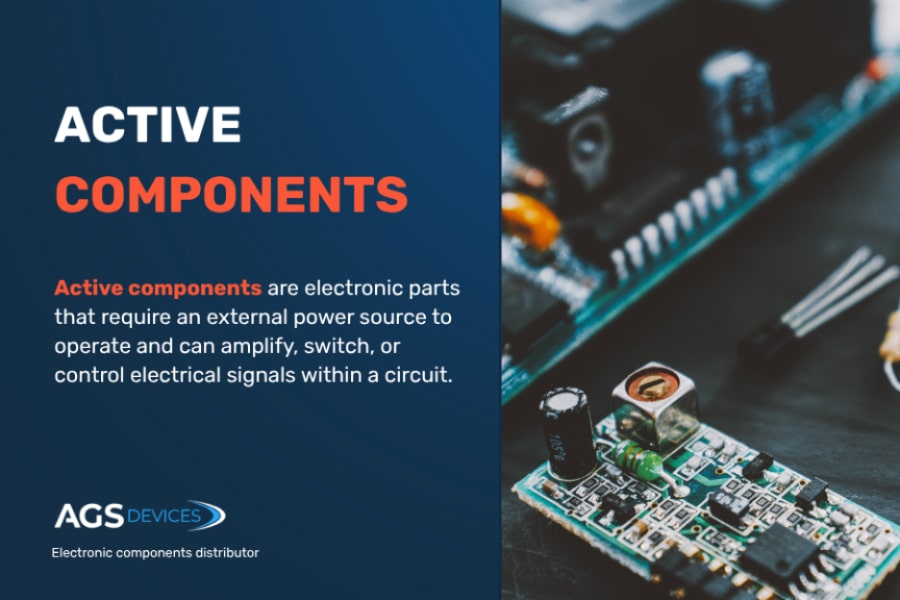
Are you curious about the systems behind the electronic components that generate power, signals, or data? Understanding how these systems work can open up new possibilities for your projects, whether you’re into tech, engineering, or just love learning how things function.
This article will break down these systems in a simple and clear way, helping you see the magic behind the electronics you use every day. Keep reading—you’ll discover insights that can spark your creativity and deepen your knowledge.
History Of Electronic Power Systems
The history of electronic power systems reveals a journey of innovation and discovery. These systems convert and control electrical energy for various uses. Early developments laid the foundation for modern electronics and power management.
Understanding this history helps appreciate how far technology has come. It shows how simple components evolved into complex systems powering today’s devices.
Early Beginnings Of Electronic Power Systems
The first electronic power systems appeared in the late 19th century. Inventors like Thomas Edison and Nikola Tesla worked on electrical generation and distribution. Their efforts created the basis for power systems used in homes and industries.
Early systems were simple, using direct current (DC) or alternating current (AC). These systems powered basic lighting and machinery.
Development Of Semiconductor Devices
The invention of the transistor in 1947 marked a turning point. Transistors replaced bulky vacuum tubes and improved efficiency. This led to smaller, more reliable electronic components.
Semiconductor devices allowed better control of electrical power. They enabled advances in power conversion and regulation.
Rise Of Integrated Circuits
Integrated circuits (ICs) appeared in the 1960s. ICs combined many transistors into a single chip. This innovation reduced size and cost of electronic power systems.
ICs made complex power control possible for computers and consumer electronics. They boosted system performance and reliability.
Modern Electronic Power Systems
Today’s systems use advanced components like microcontrollers and power MOSFETs. These parts improve efficiency and allow precise power management.
Renewable energy sources and electric vehicles drive new developments. Electronic power systems continue evolving to meet modern needs.

Credit: www.microcontrollertips.com
Key Components In Power Systems
Understanding the key components in power systems is essential for anyone working with or interested in electronics. These components work together to control, convert, and manage electrical energy efficiently. Knowing how each part functions can help you troubleshoot issues and optimize your designs effectively.
Semiconductors
Semiconductors are the backbone of modern power systems. They control the flow of electrical current with precision, acting like electronic switches or amplifiers.
Devices such as diodes, transistors, and thyristors fall under this category. Have you ever wondered how your computer’s power supply adjusts voltage so smoothly? Semiconductors make that possible by rapidly turning current on and off.
Resistors And Capacitors
Resistors and capacitors help regulate voltage and current in circuits. Resistors limit current flow, protecting sensitive parts from damage.
Capacitors store and release electrical energy, smoothing out fluctuations. Imagine trying to watch a video with a shaky internet connection—capacitors act like a buffer, keeping the power steady so your devices run smoothly.
Transformers And Inductors
Transformers change voltage levels to match the needs of different devices. Inductors store energy in magnetic fields and help filter out noise in electrical signals.
Think about charging your phone: the transformer adjusts the high voltage from the outlet down to a safe level. Inductors then help maintain clean, stable power so your phone charges reliably without overheating.
Types Of Power Generation Systems
Power generation systems convert various energy sources into electricity. These systems differ based on the energy type and technology used. Each system has unique features and applications. Understanding these types helps grasp how electricity reaches homes and industries.
Thermal Power Systems
Thermal power systems use heat to produce electricity. They burn fuels like coal, oil, or natural gas. The heat turns water into steam. Steam spins turbines connected to generators. These systems are common worldwide and provide large amounts of power.
Hydroelectric Power Systems
Hydroelectric systems use water flow to generate electricity. Water from rivers or dams moves turbines. The turbines drive generators to produce power. This method is clean and renewable. It depends on water availability and terrain.
Nuclear Power Systems
Nuclear power systems use nuclear reactions to create heat. The heat generates steam that spins turbines. These plants produce large energy amounts with low emissions. Safety and waste management are important concerns for this system.
Renewable Energy Systems
Renewable systems use natural sources that replenish quickly. Solar panels convert sunlight into electricity. Wind turbines capture wind energy. Biomass and geothermal also provide renewable power. These systems reduce pollution and support sustainability.
Role Of Power Electronics
Power electronics play a crucial role in systems of electronic components that generate, convert, and control electrical energy. They ensure that electrical power is efficiently managed, making devices and systems more reliable and adaptable to varying conditions. Understanding the role of power electronics helps you appreciate how modern technologies deliver consistent performance in everything from renewable energy setups to everyday appliances.
Converters And Inverters
Converters change electrical energy from one form to another. For example, a DC-DC converter adjusts voltage levels within devices like laptops or electric cars, ensuring the right power reaches each component.
Inverters, on the other hand, turn direct current (DC) into alternating current (AC). This is essential in solar power systems where the energy collected from panels (DC) needs to be converted to AC for home use.
Have you ever wondered how your smartphone charger adapts to different voltage sources worldwide? That’s the work of converters ensuring safe and efficient charging everywhere.
Regulators And Controllers
Regulators maintain a steady output voltage or current despite fluctuations in input or load. This protects sensitive electronics from damage and keeps performance stable.
Controllers manage the operation of power electronic devices, adjusting parameters to optimize efficiency and response. They play a key role in applications like motor drives, where precise speed and torque control are necessary.
Think about how your air conditioner maintains a comfortable temperature no matter the weather outside. Behind the scenes, power electronic controllers adjust the compressor’s power to match cooling needs perfectly.
Advancements In Power Technology
Advancements in power technology are reshaping how we generate, store, and distribute electricity. These innovations not only improve efficiency but also make energy systems more reliable and sustainable. By understanding these developments, you can better appreciate the future of electronic component systems and their impact on daily life.
Smart Grids
Smart grids use digital technology to manage electricity more efficiently. They allow real-time monitoring and control, helping balance supply and demand instantly. Imagine your power system automatically adjusting when you turn on a heavy appliance, preventing outages and saving energy.
Smart grids also enable better integration of renewable sources like solar and wind. This means your home could use cleaner energy without you even noticing a change. Could your neighborhood be ready for this smarter, greener future?
Energy Storage Solutions
Energy storage is key to making power systems more flexible. Modern batteries and other storage devices hold energy when it’s plentiful and release it during shortages. This prevents waste and keeps your devices running smoothly, even during power dips.
Technologies like lithium-ion batteries are becoming cheaper and more efficient, supporting everything from electric cars to home energy systems. Have you considered how energy storage might change the way you use power every day?
Wireless Power Transfer
Wireless power transfer eliminates the need for cords and plugs, making charging devices more convenient. You might soon charge your phone by simply placing it near a power source or even while walking through certain spaces. This technology is growing fast and starting to appear in public places and vehicles.
Wireless power can also improve safety by reducing exposed wires and connectors. What new possibilities could wireless charging open up in your daily routine?
Challenges In Power Generation
Power generation faces many challenges that affect its reliability and sustainability. These challenges impact the environment, the efficiency of energy conversion, and the durability of infrastructure. Understanding these issues helps us improve future power systems.
Environmental Impact
Power generation often relies on burning fossil fuels, which releases harmful gases. These gases pollute the air and contribute to climate change. Water use in cooling systems can harm aquatic life. Noise and land use can disrupt local ecosystems. Cleaner energy sources like solar and wind reduce these problems but have their own limits.
Efficiency And Losses
Energy conversion is never 100% efficient. Some energy is lost as heat during generation and transmission. Older power plants tend to have lower efficiency. Electrical resistance in wires causes energy loss during distribution. Improving technology can reduce these losses but costs remain a barrier.
Infrastructure And Maintenance
Power plants and grids require constant upkeep to operate well. Aging equipment can fail and cause outages. Harsh weather damages infrastructure and increases repair needs. Maintenance costs rise as systems grow older. Investing in modern materials and smart grids helps reduce downtime.
Future Of Power Systems
The future of power systems is shaping up to be smarter, cleaner, and more efficient. As technology advances, the way we generate, distribute, and consume electricity is evolving rapidly. You might wonder how these changes will affect your everyday life and the environment around you.
Integration Of Artificial Intelligence
Artificial intelligence (AI) is transforming power systems by making them more responsive and reliable. AI helps predict energy demand and adjust supply in real time, reducing waste and costs. Imagine your home energy system automatically optimizing usage based on your habits—that’s the power of AI at work.
AI also improves maintenance by spotting potential failures before they happen. This means fewer outages and longer-lasting equipment. Have you ever experienced a sudden blackout? AI could help prevent that by catching issues early.
Sustainable And Green Technologies
Green technologies are becoming central to power systems as the world pushes for lower carbon emissions. Solar panels, wind turbines, and energy storage solutions are getting better and more affordable every year. This shift lets you tap into cleaner energy sources without sacrificing convenience or cost.
Energy companies are also mixing traditional grids with renewable sources to create hybrid systems. This blend offers stability while reducing environmental impact. How prepared is your local grid to handle more green energy?
- Solar farms paired with battery storage for nighttime use
- Smart grids that balance supply from multiple renewable sources
- Electric vehicle integration to act as mobile energy storage
These innovations are not just good for the planet—they can also lower your energy bills and increase resilience during outages. Are you ready to embrace this cleaner, smarter energy future?

Credit: www.electronicsandyou.com
Credit: www.electronics-lab.com
Frequently Asked Questions
What Are Systems Of Electronic Components That Generate Signals?
Systems of electronic components that generate signals produce electrical waveforms. These signals control devices or transmit data. Examples include oscillators and signal generators used in communication and testing equipment.
How Do Electronic Signal Generation Systems Work?
They convert electrical energy into specific signal patterns. Components like transistors and capacitors shape frequency and amplitude. The system outputs consistent signals for various applications.
What Are Common Uses For Electronic Signal Generators?
They test circuits, calibrate instruments, and simulate signals. Signal generators help design and troubleshoot electronic devices. They are essential in labs, communication, and audio industries.
What Components Form A Basic Signal Generation System?
Key components include oscillators, amplifiers, resistors, and capacitors. Oscillators create waveforms, amplifiers increase signal strength. Together, they produce stable electrical signals.
Conclusion
Systems of electronic components that generate energy play a key role today. They help power many devices we use daily. Understanding how they work can make technology less confusing. These systems show how science and technology connect to real life.
Knowing their basics helps us appreciate modern tools better. Keep exploring to learn more about electronics and energy. The future depends on these systems growing and improving. Small parts, big impact.
Leave a Reply