Have you ever wondered what keeps machines, buildings, and equipment running smoothly day after day? The answer lies in a maintenance system.
But what exactly is a maintenance system, and why is it so important for your business or home? Understanding this can save you time, money, and a lot of headaches. You’ll discover the clear definition of a maintenance system, how it works, and why it should matter to you.
Keep reading to unlock the key to keeping everything in your life working perfectly.

Credit: facilio.com
Maintenance System Basics
A maintenance system is a set of processes to keep equipment and facilities working well. It helps prevent breakdowns and extends the life of machines. Understanding the basics of a maintenance system is key to managing assets efficiently.
Maintenance systems organize tasks and schedules to fix or check equipment regularly. They reduce unexpected failures and improve safety. A good maintenance system saves time and money by avoiding costly repairs.
Definition Of A Maintenance System
A maintenance system is a planned approach to keep assets in good condition. It includes all actions to inspect, repair, and maintain equipment. The goal is to ensure smooth operation and reduce downtime.
- Preventive Maintenance: Scheduled checks and repairs to prevent problems.
- Corrective Maintenance: Fixing equipment after a failure occurs.
- Predictive Maintenance: Using data to predict when maintenance is needed.
- Condition-Based Maintenance: Maintenance triggered by equipment condition monitoring.
Key Components Of A Maintenance System
- Planning: Setting maintenance schedules and tasks.
- Execution: Performing maintenance activities on time.
- Monitoring: Tracking equipment performance and maintenance results.
- Documentation: Recording all maintenance work and inspections.
Benefits Of Using A Maintenance System
- Reduces unexpected equipment failures.
- Improves safety for workers.
- Extends the life of machines and equipment.
- Increases productivity by avoiding downtime.
- Helps manage maintenance costs effectively.
Types Of Maintenance Systems
Maintenance systems come in various types, each designed to keep equipment and machinery running smoothly. Choosing the right type for your needs can save time, reduce costs, and prevent unexpected breakdowns. Let’s look at the main types of maintenance systems and how they work in practical settings.
Preventive Maintenance
Preventive maintenance means you perform regular checks and servicing before any problems appear. It’s like changing the oil in your car every few thousand miles to avoid engine trouble. This approach helps you avoid costly repairs by fixing small issues early.
Think about a factory where machines are cleaned and inspected every month. This routine stops minor wear from turning into major breakdowns. Have you noticed how your own equipment lasts longer when you stick to a schedule?
Predictive Maintenance
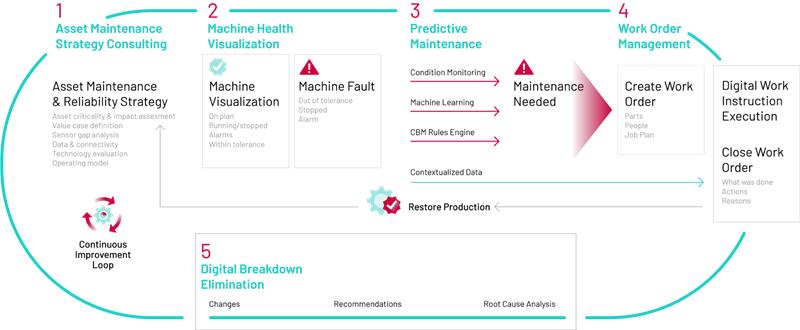
Predictive maintenance uses data and tools to forecast when a machine might fail. Sensors and software track things like vibration or temperature to spot early warning signs. This means you only fix something when it actually needs attention, saving unnecessary work.
Imagine a conveyor belt that alerts you before a motor overheats. You get a chance to fix it during downtime, not in the middle of a busy shift. Wouldn’t you prefer this smarter, less disruptive way of maintaining your machines?
Corrective Maintenance
Corrective maintenance happens after a problem occurs. You wait until something breaks, then you fix or replace it. While this can be cheaper upfront, it risks longer downtimes and higher repair costs.
For example, if a pump stops working suddenly, production may halt until it’s repaired. Have you experienced costly delays because a piece of equipment was allowed to run until failure?
Condition-based Maintenance
Condition-based maintenance checks the actual condition of equipment to decide when maintenance is needed. This means you monitor parameters like oil quality or wear levels and act only when those indicators reach a certain point.
This method helps you avoid unnecessary maintenance while preventing unexpected failures. How often do you think your equipment’s condition tells you more than a fixed schedule?
Components Of A Maintenance System
A maintenance system relies on several key components to work effectively. These components help keep equipment running smoothly and prevent breakdowns. Understanding each part helps improve maintenance practices and reduce downtime.
Each component plays a unique role in the system. Together, they create a structured approach to maintenance tasks. Let’s explore the essential elements that make up a maintenance system.
Tools And Equipment
Tools and equipment are the physical resources needed to perform maintenance tasks. They include hand tools, power tools, diagnostic devices, and safety gear. Having the right tools ensures tasks are done quickly and correctly. Proper tool maintenance also extends their lifespan and keeps workers safe.
Software And Technology
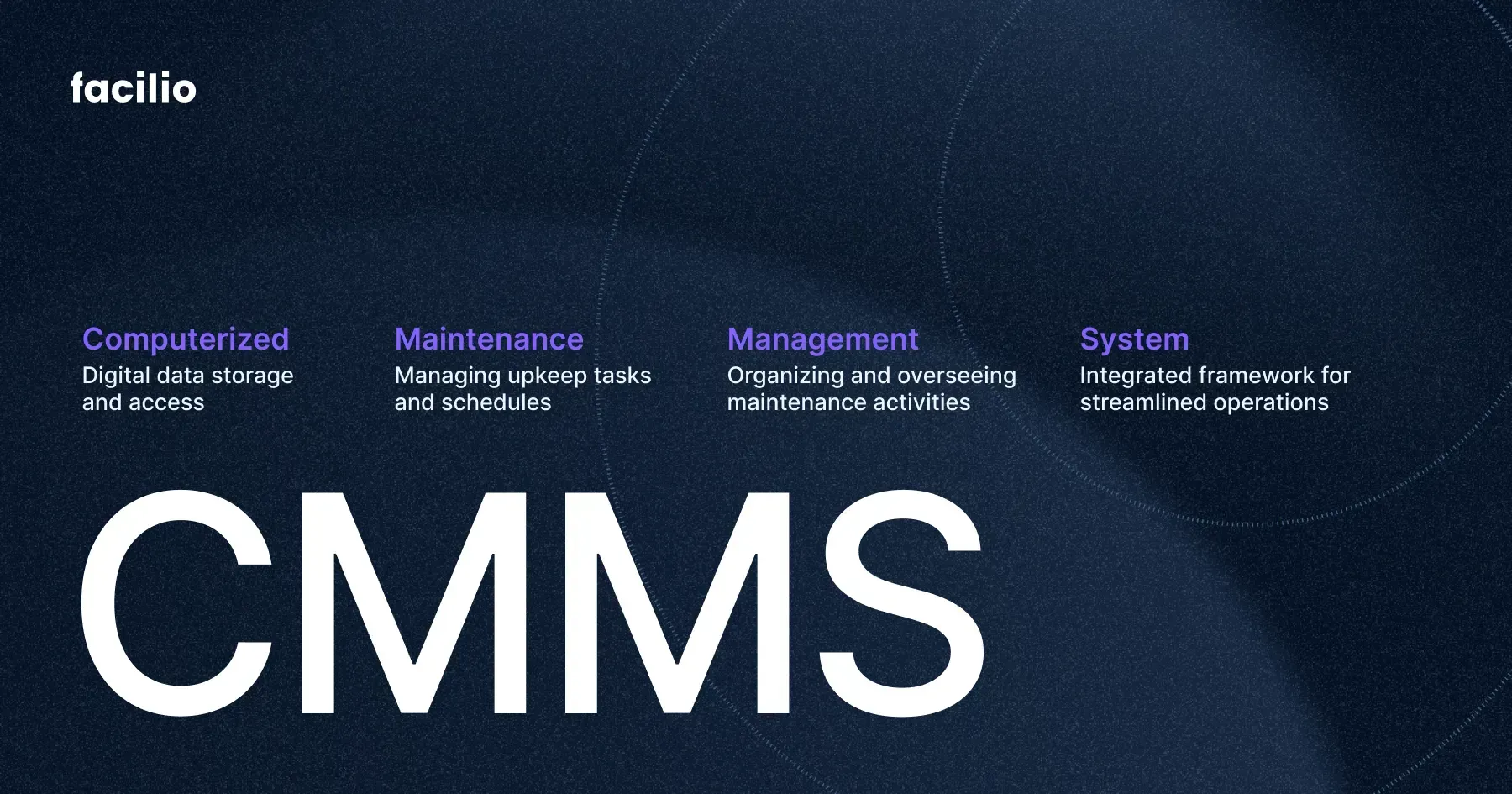
Software and technology organize and track maintenance activities. Computerized Maintenance Management Systems (CMMS) schedule work, store records, and monitor asset health. Sensors and IoT devices provide real-time data on equipment conditions. Using technology helps prevent failures and plan repairs efficiently.
Personnel And Training
Skilled personnel are essential to perform maintenance tasks. Training ensures workers understand equipment and safety procedures. Regular updates improve skills and keep teams aware of new techniques. Well-trained staff reduce errors and increase the system’s reliability.
Benefits Of An Effective Maintenance System
Implementing an effective maintenance system can transform how you manage your equipment and assets. It’s not just about fixing things when they break; it’s about keeping everything running smoothly to save time, money, and stress. Let’s look at some clear benefits that might change how you view maintenance altogether.
Increased Equipment Lifespan
Regular maintenance helps your equipment last longer by preventing small issues from turning into major problems. When you consistently check and service machinery, you avoid the wear and tear that leads to early breakdowns.
Think about a time when you ignored a minor noise from a machine, only to face a costly repair later. That experience shows how extending equipment life depends on timely care.
Reduced Downtime
Downtime can bring your whole operation to a halt, costing you valuable hours and lost productivity. An effective maintenance system schedules inspections and repairs before failures occur, minimizing unexpected stops.
Have you ever had to wait days for a broken machine to be fixed? Proper maintenance reduces these frustrating delays by keeping everything in good working order.
Cost Efficiency
Spending on maintenance might seem like an extra expense, but it actually saves money in the long run. Fixing small issues early prevents expensive repairs and replacements down the line.
By avoiding emergency fixes and reducing downtime, you also keep your team productive and your budget on track. How much could you save if you stopped reacting to problems and started preventing them?
Challenges In Implementing Maintenance Systems
Implementing a maintenance system can be a game-changer for your operations, but it comes with its own set of challenges. These obstacles can slow down progress or even cause setbacks if not handled properly. Understanding these challenges upfront helps you prepare better and make informed decisions.
Initial Costs
The upfront cost of setting up a maintenance system can be significant. You need to invest in software licenses, hardware, and possibly new tools. It’s easy to get discouraged by these expenses, but think about the long-term savings from reduced downtime and fewer emergency repairs.
Have you considered how much unexpected downtime might cost your business each day? Sometimes, the initial investment pays for itself faster than you expect.
Training Requirements
Introducing a new maintenance system means your team must learn how to use it effectively. Training can take time and pull your staff away from their regular duties. However, skipping or rushing training often leads to errors and frustration later on.
Providing hands-on training and ongoing support helps your team gain confidence. What strategies could you use to keep your team motivated during this learning phase?
Integration With Existing Systems
Maintenance systems rarely work in isolation. You need to connect them with your current software, machines, and workflows. This integration can be tricky, especially if your existing systems are outdated or incompatible.
Take time to map out how the new system will fit with what you already have. Have you identified potential technical roadblocks before starting the implementation?

Credit: safetyculture.com
Future Trends In Maintenance Systems
The future of maintenance systems is rapidly evolving, driven by new technologies and changing business needs. Staying ahead means understanding how these trends can impact your operations and improve efficiency. Let’s look at some key areas shaping the next generation of maintenance.
Automation And Ai
Automation and artificial intelligence are transforming how maintenance tasks are performed. AI can analyze vast amounts of data to predict equipment failures before they happen, saving you costly downtime.
Imagine your system automatically scheduling repairs based on real-time machine health reports. This reduces manual work and helps your team focus on critical issues. Have you thought about which repetitive tasks in your maintenance process could be automated?
Iot Integration
The Internet of Things (IoT) connects machines, sensors, and systems to provide continuous monitoring. This means you get instant updates on equipment status from anywhere, enabling faster decision-making.
For example, sensors on a production line can alert you to temperature changes that might cause damage. This proactive approach prevents failures and extends asset life. Could your current maintenance system benefit from real-time data feeds?
Sustainability Practices
Environmental concerns are pushing maintenance systems toward greener practices. Using energy-efficient equipment and scheduling maintenance to minimize waste are becoming standard goals.
Adopting sustainability in maintenance not only reduces costs but also meets regulatory demands and improves your company’s reputation. What steps can you take today to make your maintenance approach more eco-friendly?
Credit: www.plantengineering.com
Frequently Asked Questions
What Is A Maintenance System In Simple Terms?
A maintenance system is a structured approach to keep equipment and assets in good working order. It helps prevent breakdowns and extends asset life. The system includes scheduled inspections, repairs, and monitoring to ensure operational efficiency and safety.
Why Is A Maintenance System Important For Businesses?
A maintenance system reduces downtime and repair costs by addressing issues early. It improves equipment reliability and productivity. This system also enhances safety, complies with regulations, and extends the lifespan of assets, benefiting overall business operations.
What Are The Common Types Of Maintenance Systems?
Common maintenance systems include preventive, corrective, predictive, and condition-based maintenance. Preventive maintenance schedules regular checks, while corrective fixes issues after failure. Predictive and condition-based use data to anticipate problems, making maintenance more efficient and cost-effective.
How Does A Maintenance System Improve Asset Lifespan?
A maintenance system identifies and fixes minor issues before they escalate. Regular upkeep prevents wear and tear, reducing breakdowns. This proactive care ensures assets operate smoothly longer, maximizing their useful life and minimizing replacement costs.
Conclusion
A maintenance system keeps machines and equipment working well. It helps prevent breakdowns and saves money. Regular checks and repairs extend the life of assets. Everyone benefits from a clear plan and timely actions. Understanding how a maintenance system works is important.
It supports safety and smooth operations every day. Simple steps can make a big difference. A good system means fewer problems and less stress. Maintenance is not just a task; it’s a smart approach. Keep it organized, consistent, and easy to follow.
This way, your tools and machines stay reliable longer.
Leave a Reply