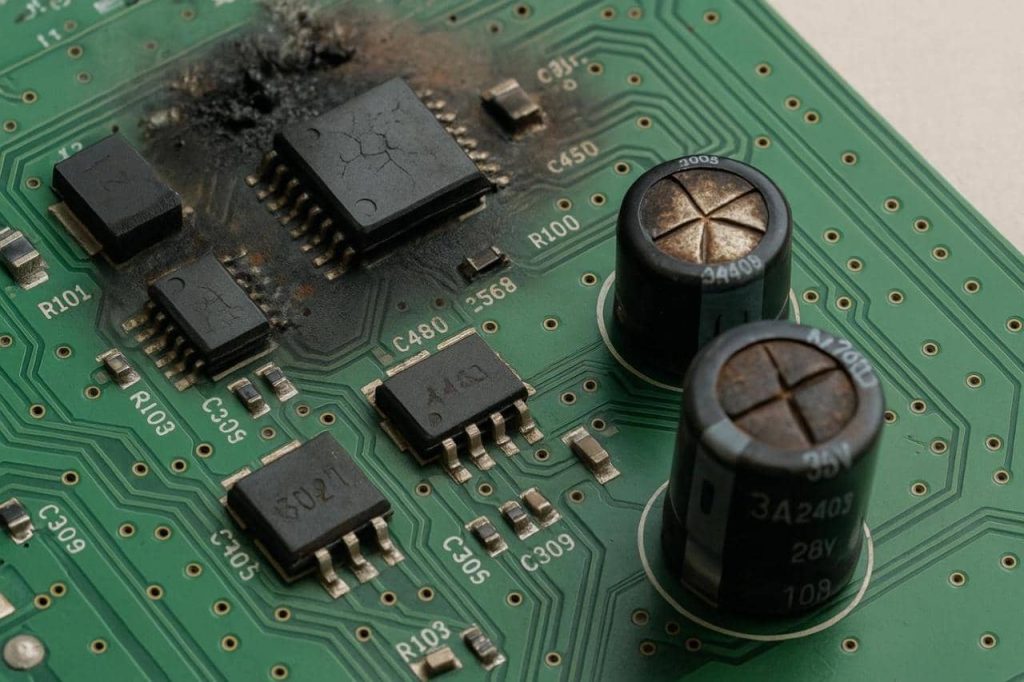
Have you ever wondered how heat affects the tiny electronic parts inside your devices? If you’re dealing with heat diodes, it’s crucial to know which electronic components can get damaged by them.
Understanding this can save you from costly repairs and keep your gadgets running smoothly. You’ll discover exactly which components are at risk and how heat impacts their performance. Keep reading to protect your electronics and make smarter choices when working with heat diodes.
Heat Impact On Electronic Components
Heat can quietly sabotage your electronic devices without much warning. It affects the tiny components inside, sometimes causing permanent damage that’s hard to detect until failure strikes. Understanding how heat impacts these parts helps you protect your electronics better and extend their lifespan.
How Heat Affects Diodes
Diodes are sensitive to temperature changes because heat increases the current flowing through them. Excessive heat can cause the diode to leak current or fail completely by breaking down its semiconductor junction. Have you noticed your device overheating and then suddenly not working? That’s often the diode giving up.
Vulnerabilities Of Transistors To Heat
Transistors control current flow and amplify signals but get easily damaged when overheated. Heat can alter their internal structure, leading to reduced performance or total failure. You might see your gadget’s performance drop if the transistor is stressed by heat over time.
Capacitors And Heat Damage
Capacitors store and release electrical energy, but heat makes their internal electrolyte dry out faster. This drying causes the capacitor to lose its ability to hold charge, resulting in malfunction. If your device shows power instability, faulty capacitors due to heat might be the cause.
Heat Effects On Resistors
Resistors regulate current flow, but high temperatures can change their resistance values. This change disrupts circuit balance and causes erratic behavior. Ever wondered why an electronic device sometimes behaves unpredictably? Heat-altered resistors might be the culprit.
Protecting Your Electronics From Heat Damage
- Ensure proper ventilation around your devices.
- Use heat sinks or cooling fans where possible.
- Keep devices away from direct sunlight and hot environments.
- Regularly check and replace aging components prone to heat damage.
How often do you inspect your devices for signs of heat stress? Small steps can save you from costly repairs.
Role Of Diodes In Electronics
Diodes play a vital role in electronics by controlling the direction of current flow. They act like one-way valves, allowing current to pass in only one direction. This property helps protect circuits and manage electrical signals efficiently.
Diodes are found in many electronic devices. They convert alternating current (AC) to direct current (DC), regulate voltage, and prevent damage from voltage spikes. Their simple design makes them reliable and essential for many applications.
Basic Function Of Diodes
A diode allows current to flow forward while blocking it backward. This helps control the flow of electricity in circuits. This basic function is crucial for powering devices safely and correctly.
Types Of Diodes
- Standard diodes for rectification
- Zener diodes for voltage regulation
- Light-emitting diodes (LEDs) for indication
- Schottky diodes for fast switching
Each type serves a specific purpose, improving circuit performance.
Protection Role Of Diodes
Diodes protect sensitive components from voltage spikes. They prevent current from flowing in the wrong direction, which can cause damage. This protection extends the life of electronic devices.
Temperature Sensitivity Of Diodes
Diodes are sensitive to temperature changes. High heat can affect their performance and reliability. Understanding the temperature sensitivity of diodes helps prevent damage and extends their lifespan.
Heat changes the electrical properties inside a diode. This can cause the diode to conduct incorrectly or even fail. Many electronic circuits rely on stable diode behavior. Excessive heat can disrupt this stability.
How Heat Affects Diode Function
Heat increases the movement of charge carriers in a diode. This leads to higher leakage current. Leakage current reduces efficiency and may cause malfunction.
At high temperatures, the diode’s forward voltage drops. This changes the voltage needed for the diode to conduct. Circuits designed for a fixed voltage may stop working properly.
Common Diode Failures Due To Heat
- Thermal runaway causing permanent damage
- Increased leakage leading to short circuits
- Breakdown of the semiconductor junction
- Reduced lifespan due to material degradation
Temperature Ranges And Diode Ratings
Manufacturers specify safe temperature ranges for diodes. Exceeding these ranges risks damage. Typical diodes operate safely up to about 150°C.
Operating diodes beyond their maximum temperature can cause irreversible harm. It is important to check datasheets before use.
Common Heat-induced Failures In Diodes
Diodes are essential components in electronic circuits, but they are vulnerable to damage from excessive heat. Heat can cause several types of failures, affecting their performance and reliability. Understanding these common heat-induced failures can help you protect your circuits and extend the life of your diodes.
Breakdown Of Semiconductor Material
Heat can cause the semiconductor material inside a diode to break down. This breakdown changes the diode’s internal structure, leading to permanent damage.
You might notice sudden failure or erratic behavior in circuits after overheating. Have you ever experienced a diode that stops conducting properly after a device overheats? That’s a classic sign of material breakdown.
Increased Leakage Current
When diodes get too hot, they often start leaking current even when they shouldn’t. This increased leakage current reduces efficiency and can cause unwanted power loss in your circuit.
Even a slight rise in leakage can lead to significant issues in sensitive electronics. Are you monitoring leakage current in your designs to catch early signs of heat damage?
Changes In Forward Voltage
Heat affects the forward voltage drop of diodes, often lowering it. This change can disrupt voltage regulation and signal processing in your circuit.
When the forward voltage shifts, your diode may not perform as expected, causing timing or power issues. Have you checked the forward voltage specs of your diodes under different temperature conditions?
Factors Influencing Diode Heat Damage
Understanding what causes heat damage in diodes is key to protecting your electronic components. Several factors play a role in how much heat a diode can handle before it starts to fail. Knowing these can help you design circuits that last longer and perform better under stress.
Operating Environment
The environment where your diode operates greatly affects its heat tolerance. High ambient temperatures make it harder for the diode to cool down, increasing the risk of damage.
Humidity and dust can also worsen heat effects by interfering with heat dissipation. Have you checked if your device’s location is contributing to quicker diode wear?
Think about devices you use outdoors or near heat sources. These often face greater heat stress and need extra care in design.
Thermal Management Practices
How you manage heat in your circuit can make a big difference to diode life. Simple steps like adding heat sinks or improving airflow can keep temperatures in check.
Applying thermal paste or using heat spreaders helps move heat away from the diode faster. Have you tried these methods in your projects?
Even layout matters: spacing components to avoid heat buildup around the diode reduces damage risk. Small changes here can save big headaches later.

Credit: pcbaodmoem.com
Preventing Heat Damage In Diodes
Heat can silently wreck your diodes, cutting their lifespan and performance short. Protecting these components is crucial if you want your electronic devices to run smoothly and last longer. You don’t need to overhaul your entire setup; sometimes small changes can make a huge difference in managing heat effectively.
Effective Cooling Techniques
Cooling your diodes starts with improving airflow around them. Using fans or placing your components in well-ventilated areas can reduce heat buildup significantly.
Another smart move is to add heat sinks. These metal attachments draw heat away from the diode and spread it out, preventing hotspots.
Have you tried thermal paste? It improves the connection between the diode and the heat sink, making heat transfer more efficient. Even a thin layer can lower temperatures noticeably.
Using Heat-resistant Materials
Choosing the right materials around your diodes helps them resist heat damage better. Look for components with high thermal stability to surround your diodes.
Silicone-based coatings or ceramic substrates can protect diodes from overheating by providing insulation and heat resistance.
Think about your wiring too. Using wires with heat-resistant insulation reduces the risk of melting and short circuits that can arise from diode heat.
Innovations In Heat-resistant Diodes
Heat can damage many electronic components, especially diodes. Diodes control current flow and are sensitive to high temperatures. Recent innovations focus on making diodes stronger against heat. These improvements help diodes last longer and work better in tough conditions.
New materials and designs make heat-resistant diodes more reliable. Engineers create diodes that maintain performance even at high temperatures. These advancements reduce failures and improve safety in electronics exposed to heat.
Advanced Semiconductor MaterialsUsing materials like silicon carbide (SiC) and gallium nitride (GaN) improves heat resistance. These materials have higher thermal tolerance than traditional silicon. They allow diodes to operate at higher temperatures without damage.
Innovative Packaging TechniquesNew packaging designs help dissipate heat quickly. Improved heat sinks and ceramic packages reduce thermal stress. These methods protect diodes from overheating during operation.
Improved Thermal Management SystemsIntegration of heat spreaders and cooling systems enhances diode durability. These systems maintain safe temperatures and prevent hotspots. Better thermal management extends diode lifespan in harsh environments.
Enhanced Circuit DesignsDesigners optimize circuits to reduce heat buildup around diodes. Using current limiting and proper spacing helps lower temperature. Smart circuit design complements material and packaging advances.
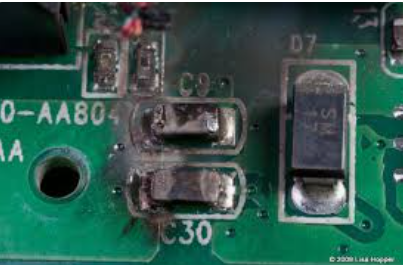
Credit: www.efactorys.com
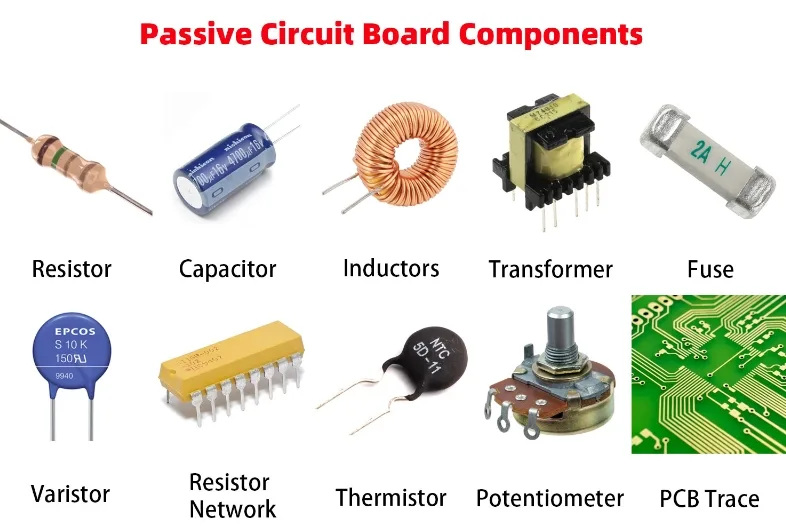
Credit: www.lstpcb.com
Frequently Asked Questions
Which Electronic Components Are Most Heat Sensitive?
Semiconductors like diodes, transistors, and integrated circuits are highly sensitive to heat. Excessive heat can cause permanent damage and failure in these components.
How Does Heat Damage Diodes Specifically?
Heat can alter a diode’s junction properties, causing leakage currents and reduced efficiency. Prolonged exposure may lead to complete diode failure.
Can Heat Damage Other Electronic Components Besides Diodes?
Yes, heat can also damage resistors, capacitors, and ICs by causing material degradation and altered electrical properties, reducing their lifespan.
What Temperature Range Typically Damages Electronic Components?
Most electronic components get damaged above 85°C to 125°C. Exceeding these temperatures risks permanent damage and reduced component reliability.
Conclusion
Heat can easily damage electronic components like diodes. Diodes may fail or lose function due to high temperatures. Other parts such as resistors and capacitors also suffer heat damage. Protecting electronics from heat extends their life and performance. Use proper cooling and avoid overheating devices.
Understanding heat effects helps prevent costly repairs. Stay aware of heat risks in your electronic projects. Heat damage is common but avoidable with care.
Leave a Reply