If you have an aquaponics system or are thinking about starting one, you probably wonder how much work it really takes to keep it running smoothly. You want your plants to thrive and your fish to stay healthy, but what kind of maintenance does that involve?
Knowing what to expect can save you time, stress, and even money. You’ll discover the simple daily, weekly, and monthly tasks that keep your aquaponics system balanced and productive. Stick with me, and you’ll learn how easy it can be to enjoy fresh, home-grown food with just the right amount of care.
Understanding Aquaponics Systems
Understanding your aquaponics system is key to maintaining it effectively. If you know how the system works and what each part does, you’ll spot problems early and keep your setup thriving. Let’s break down the basics and the main components so you feel confident managing your own aquaponics garden.
Basics Of Aquaponics
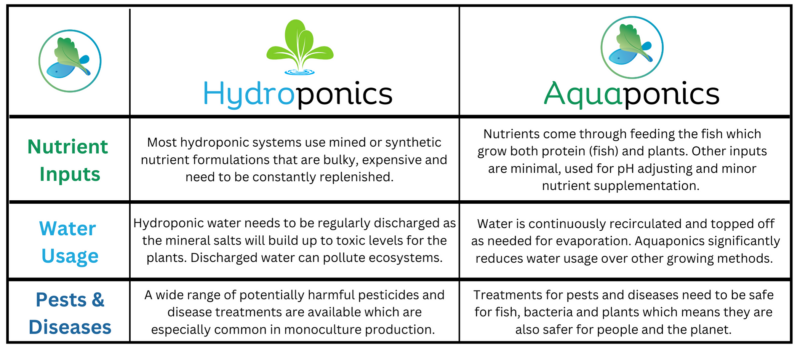
Aquaponics combines fish farming (aquaculture) and growing plants without soil (hydroponics) in one system. Fish produce waste that turns into nutrients for the plants. The plants, in turn, clean the water for the fish.
This creates a natural cycle that recycles water and nutrients efficiently. You don’t have to add chemical fertilizers, which is great for growing healthy, organic food. Have you ever thought about how balancing fish and plants can save you time and money on feeding and watering?
Components Of A System
Every aquaponics system has a few key parts working together:
- Fish Tank:Where your fish live and produce waste.
- Grow Beds:Where your plants grow, absorbing nutrients from fish waste.
- Water Pump:Circulates water from the fish tank to the grow beds and back.
- Filter:Removes solid waste to keep water clean for both fish and plants.
- Biofilter:Converts fish waste into nutrients plants can absorb.
Each part plays a vital role in keeping the system balanced. If one component fails, the whole cycle can break down quickly. Have you checked all your system parts recently to make sure they’re working together?
Credit: www.theaquaponicsource.com
Daily Maintenance Tasks
Daily maintenance tasks are essential to keep your aquaponics system running smoothly and ensure a healthy environment for both fish and plants. These small, consistent actions prevent problems before they start and help you catch any issues early. Paying attention to the system every day can save you time and money in the long run.
Monitoring Water Levels
Water levels in your system must be checked every day. Low water can stress fish and stunt plant growth, while too much water might overflow or dilute nutrients. I once overlooked this for a day, and my plants started wilting quickly.
Keep a simple gauge or mark on your tank to track levels easily. Top up with fresh water as needed, but make sure it’s dechlorinated and at the right temperature. Have you noticed how even a small drop in water can affect your fish’s behavior?
Feeding The Fish
Feeding your fish is not just about quantity but timing and quality too. Feed them small portions that they can consume within a few minutes to avoid leftover food polluting the water. I learned this the hard way when excess food created a bad smell and cloudy water.
Use high-quality fish food suitable for your species and adjust feeding amounts based on their activity and size. Watch your fish during feeding—are they eating eagerly or ignoring the food? This can tell you a lot about their health.
Checking System Components
Daily inspection of pumps, filters, pipes, and grow beds helps prevent breakdowns. Look for clogs, leaks, or unusual noises that might indicate a problem. Early detection is key; a small clog today can lead to a major disruption tomorrow.
Keep a checklist and mark off each component as you inspect. If you spot algae buildup or debris, clean it promptly to keep everything flowing smoothly. How often do you find surprises during your daily checks?
Weekly Maintenance Checklist
Keeping an aquaponics system healthy needs regular weekly care. A checklist helps track important tasks. This keeps plants and fish happy and the system working well. Simple steps each week prevent big problems later.
Water Quality Testing
Check water quality every week to keep fish and plants safe. Test these key levels:
- pH: Should stay between 6.8 and 7.2
- Ammonia: Must be near zero
- Nitrite: Also should be near zero
- Nitrate: Keep under 40 ppm
- Temperature: Ideal range varies by species
Use simple test kits for fast results. Adjust conditions if numbers are off. Good water quality stops disease and supports plant growth.
Inspecting Plant Health
Look over plants closely each week. Check for:
- Yellow or brown leaves
- Wilting or drooping stems
- Signs of pests like holes or spots
- Slow or uneven growth
Remove dead leaves and weak plants. Healthy plants improve system balance and fish well-being.
Cleaning System Parts
Clean system parts to avoid clogs and buildup. Focus on:
- Fish tank walls and bottom
- Water pumps and filters
- Grow beds and pipes
Use soft brushes and clean water. Avoid harsh chemicals. Clean parts keep water flowing and reduce disease risk.
Monthly Maintenance Routines
Monthly maintenance routines are essential to keep your aquaponics system running smoothly and your plants and fish thriving. These checkups help you catch small issues before they turn into costly problems. By dedicating some time each month, you ensure a balanced environment that supports healthy growth and productivity.
Adjusting Ph Levels
Maintaining the right pH level is crucial for both fish health and plant nutrient absorption. You should test your water’s pH every month using a reliable test kit. If the pH drifts outside the ideal range—usually between 6.8 and 7.2—it’s time to adjust it.
Adding pH adjusters like potassium hydroxide or phosphoric acid in small amounts can bring levels back to normal. Keep track of your adjustments in a log to notice any patterns or sudden changes. Have you ever noticed how slight pH variations affect your plant growth? Monitoring this closely can give you better control over your system’s health.
Checking Fish Health
Healthy fish are the heart of your aquaponics system. Each month, observe your fish for signs of stress or illness, such as unusual swimming patterns, discoloration, or loss of appetite. Catching these symptoms early can prevent disease outbreaks.
Maintain clean water and a stable environment to support fish immunity. If you spot any issues, consider quarantining the affected fish and adjusting water parameters immediately. How often do you spend time just watching your fish? This simple habit can save you a lot of trouble.
Reviewing System Efficiency
Reviewing the overall efficiency of your system involves checking pumps, filters, and water flow rates. Ensure all equipment is functioning correctly and clean any clogged filters or pipes. Even minor blockages can reduce oxygen levels and nutrient delivery.
Look for signs of wear and tear or leaks that might affect performance. Keeping a maintenance checklist helps you track what’s been done and what needs attention. Have you measured the growth rates of your plants recently? Comparing these with system performance can reveal hidden issues before they worsen.
Seasonal Maintenance Considerations
Seasonal maintenance plays a crucial role in keeping your aquaponics system running smoothly all year round. Changes in weather and temperature can directly affect both the fish and plants, so being prepared for these shifts is essential. Paying attention to seasonal details helps you avoid surprises and ensures a healthy environment for your system’s inhabitants.
Managing Temperature Fluctuations
Temperature swings can stress fish and slow plant growth. Monitor water temperature daily using a reliable thermometer. If you notice temperatures dropping, consider adding a small aquarium heater or insulating your fish tank to maintain a steady climate.
On hotter days, shade your system or install cooling fans to prevent overheating. Remember, sudden temperature changes can cause fish to become sick or plants to wilt. Have backup plans ready for extreme weather—your system’s balance depends on it.
Preparing For Seasonal Changes
Before the seasons shift, take time to check your system’s components. Clean filters, inspect pipes for cracks, and ensure pumps are working efficiently. This preparation minimizes breakdowns during critical times.
Adjust your feeding schedule and plant choices based on seasonal light and temperature variations. Some plants thrive better in cooler months, while others need more warmth. Have you considered rotating crops to match the season? This can optimize growth and yield.
Also, plan for water quality checks more frequently during seasonal transitions. Changes in temperature and organic waste levels can affect ammonia and nitrate concentrations. Keeping these in balance protects your fish and plants alike.

Credit: www.frontiersin.org
Troubleshooting Common Issues
Troubleshooting is a key part of aquaponics maintenance. Problems can affect plant growth and fish health. Quick identification and fixing keeps the system balanced. Knowing common issues helps prevent bigger problems later. Regular checks save time and resources.
Identifying Algae Problems
Algae often appears as green slime or spots on surfaces. It grows faster in bright light and warm water. Too much algae uses nutrients needed by plants. Watch for cloudy water or slimy plant roots. Excess algae can reduce oxygen for fish and plants.
- Check water clarity daily.
- Reduce light exposure if algae grows fast.
- Clean surfaces gently to remove algae buildup.
- Use a shade or cover to limit sunlight.
Addressing Nutrient Deficiencies
Plants may show yellowing or poor growth from lack of nutrients. Deficiencies in nitrogen, potassium, or iron are common. Test water regularly to monitor nutrient levels. Add supplements only if tests confirm low nutrients.
- Look for pale or yellow leaves.
- Use water test kits to check nutrient levels.
- Add natural supplements like fish feed or liquid nutrients.
- Balance fish feeding to maintain nutrient supply.
Resolving Water Flow Issues
Water must flow evenly through the system for healthy plants and fish. Blocked pipes or pumps cause poor circulation. Low flow can create dead zones where waste builds up. High flow might stress fish or wash away plants.
- Inspect pipes and pumps for clogs or damage.
- Clean filters and tubing regularly.
- Adjust pump settings to control flow speed.
- Ensure water reaches all parts of the grow bed.
Tools And Supplies Needed
Maintaining an aquaponics system means having the right tools and supplies at your fingertips. Without them, even a small issue can turn into a big problem fast. Knowing what to keep on hand saves time and helps your system run smoothly every day.
Essential Maintenance Equipment
Some tools are non-negotiable for keeping your aquaponics system in top shape. A reliable water pump is crucial since it keeps water circulating between your fish tank and grow beds. Without steady flow, fish can suffer and plants won’t get the nutrients they need.
You’ll also need basic cleaning supplies like brushes and scrapers to prevent algae buildup on pipes and grow trays. A sturdy bucket or siphon helps with water changes and removing debris. Don’t forget gloves to protect your hands during these tasks.
- Water pump:Ensures consistent water flow.
- Cleaning brushes:Keeps pipes and tanks clear.
- Siphon or bucket:Used for water changes and cleaning.
- Protective gloves:Keeps your hands safe while working.
- Spare tubing and fittings:Quick replacements prevent downtime.
One time, I ignored a small leak in a fitting. It caused a drop in water levels that stressed my fish for days. Having spare parts ready could have avoided that stress altogether. What small maintenance oversight could be costing your system health?
Recommended Testing Kits
Regular testing is the backbone of a healthy aquaponics setup. Water quality impacts everything from fish health to plant growth. Testing kits help you catch problems before they spiral out of control.
Test kits for pH, ammonia, nitrites, and nitrates are vital. These levels tell you how well your biofilter is working and if your fish are safe. Many kits come with easy-to-read color charts, making it simple to track changes daily.
- pH Test Kit:Keeps water acidity in check.
- Ammonia Test Kit:Detects toxic ammonia levels.
- Nitrite Test Kit:Checks nitrite, harmful to fish.
- Nitrate Test Kit:Measures nutrient availability for plants.
- Dissolved Oxygen Meter (optional):Ensures fish have enough oxygen.
Have you ever wondered why your plants suddenly stop thriving? Skipping water tests might mean missing a critical shift in nutrient or toxicity levels. Regular checks give you control and confidence in your system’s health.
Best Practices For System Longevity
Keeping your aquaponics system running smoothly over time requires attention to detail and consistent care. Best practices for system longevity focus on proactive actions that prevent issues before they arise. These simple habits not only save you time but also ensure your plants and fish thrive for years.
Regular System Inspections
Check your system every day for any signs of leaks, clogs, or unusual noises. Look closely at pumps, pipes, and filters to catch small problems early. You might be surprised how often a loose connection or a slow drip can cause bigger headaches if left unattended.
Keep a checklist handy to track your observations and maintenance tasks. This helps you spot patterns, like recurring blockages or fluctuating water levels, which can point to underlying issues. Have you ever discovered a tiny crack that was slowly draining your system? Catching it early saved me a costly repair.
Maintaining A Balanced Ecosystem
Your aquaponics system depends on a delicate balance between fish, plants, and beneficial bacteria. Regularly test water parameters such as pH, ammonia, nitrites, and nitrates. Adjust these as needed to avoid stressing your aquatic life or stunting plant growth.
Feed your fish the right amount to prevent leftover food from polluting the water. Uneaten food can cause harmful spikes in ammonia, which hurt both fish and plants. Are you monitoring your feeding habits closely enough to maintain this balance?
Introduce beneficial bacteria supplements if your system shows signs of imbalance. These microbes break down waste and keep the water clean. Remember, a healthy ecosystem means less maintenance and more productivity.

Credit: sustainenvironres.biomedcentral.com
Frequently Asked Questions
What Regular Tasks Maintain An Aquaponics System?
Regular tasks include checking water quality, cleaning filters, and monitoring fish health. Also, inspect plants for pests and trim dead leaves. These steps keep the system balanced and thriving.
How Often Should Water Be Tested In Aquaponics?
Water should be tested weekly for pH, ammonia, nitrites, and nitrates. Maintaining proper levels ensures fish and plants stay healthy and grow well.
What Equipment Requires Routine Maintenance In Aquaponics?
Pumps, filters, and aerators need regular cleaning and inspection. Proper maintenance prevents clogs and mechanical failures, supporting a stable environment.
How To Prevent Algae Growth In Aquaponics Systems?
Control light exposure, avoid overfeeding fish, and clean surfaces regularly. These methods reduce excess nutrients that cause algae blooms, keeping the system clean.
Conclusion
Maintaining an aquaponics system takes regular care and attention. Check water quality and fish health often. Clean filters and tanks to keep water clear. Feed fish the right amount daily. Watch plants for signs of stress or pests. Small tasks done consistently keep the system healthy.
This care helps plants grow strong and fish stay well. A well-maintained system saves time and avoids problems later. Simple steps lead to a thriving aquaponics garden. Keep it steady, and enjoy fresh fish and vegetables.
Leave a Reply