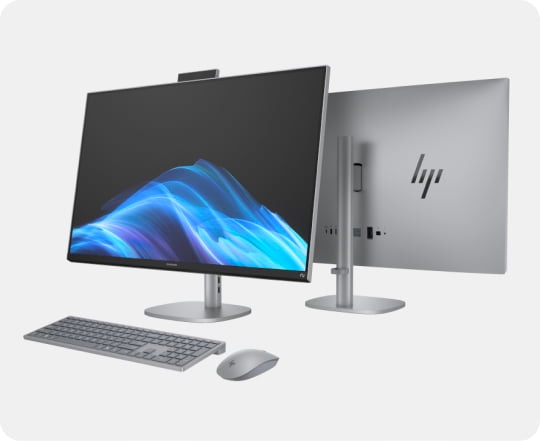
Imagine walking into a huge event filled with the latest gadgets and technology, only to find it struggling to keep up. That’s exactly what was happening to the Consumer Electronics Show (CES) not long ago.
But something incredible happened—computers stepped in and turned the whole event around. If you love discovering cool tech and want to know how computers made CES exciting and unforgettable again, keep reading. This story will change the way you see technology and its power to save even the biggest shows.

Credit: www.hp.com
The Evolution Of Ces
The Consumer Electronics Show (CES) has transformed dramatically since its inception, reflecting the rapid pace of technological progress. Understanding the evolution of CES helps you appreciate how computers played a pivotal role in saving and reshaping this iconic event. Let’s dive into the origins and how CES shifted focus over the decades.
Origins And Early Years
CES began in 1967 as a small trade show primarily showcasing radios, televisions, and other home appliances. It started in New York City with just over 200 exhibitors. Back then, the event was about introducing innovations that made everyday life easier and more enjoyable.
Early CES was a straightforward industry gathering, but it set the stage for future technological breakthroughs. It’s fascinating to imagine how the first shows looked compared to today’s massive conventions filled with futuristic gadgets.
Shifts In Focus Over Decades
As technology evolved, so did CES. By the 1980s, personal computers began to dominate the scene. This shift marked a turning point where CES started highlighting the digital revolution.
In the 1990s and 2000s, mobile devices, gaming, and digital media took center stage. The event became a global platform for unveiling cutting-edge consumer tech. This evolution wasn’t just about new products—it reflected changing lifestyles and how technology became central to everyday life.
Have you noticed how your own tech interests align with these changes at CES? The event’s focus mirrors what consumers value, showing how closely tied innovation is to real-world needs.
The Role Of Computers In Ces
Computers have played a crucial role in shaping the Consumer Electronics Show (CES). They transformed the event from a simple showcase to a hub of innovation. Their influence touched every part of CES, making it vital for the industry’s growth.
Integration With Electronics
Computers brought new possibilities to electronic devices showcased at CES. They enabled smarter gadgets with better performance. Many products rely on computer chips to function efficiently.
This integration helped devices communicate and work together. It allowed manufacturers to create connected systems and smart homes. These advances attracted more visitors and exhibitors to CES.
Pioneering Innovations
Computers sparked many breakthroughs presented at CES. They powered advancements in artificial intelligence, virtual reality, and robotics. These innovations captured the attention of the public and media.
Leading companies used computer technology to develop new products. This pushed CES to become a platform for cutting-edge ideas. The event grew as a place where future trends first appeared.
Key Moments Of Technological Breakthroughs
The Consumer Electronics Show (CES) has always been a stage for innovation. Over the years, it faced challenges but computers brought new life to the event. Key breakthroughs changed how people see technology and reshaped the show’s future.
These moments marked the rise of new ideas and products. They helped CES stay relevant and exciting for millions worldwide.
Introduction Of Personal Computers
The arrival of personal computers at CES was a turning point. Early models showed how tech could fit into homes and offices. Visitors saw devices that were smaller, faster, and user-friendly. This sparked interest in computing beyond large businesses.
Manufacturers displayed laptops, desktops, and software that made computers accessible. The buzz around these products helped CES grow bigger each year. Personal computers started a wave of tech adoption that shaped daily life.
Rise Of Mobile Technology
Mobile technology took center stage as smartphones and tablets appeared. CES showcased gadgets that connected people anywhere. These devices changed communication, entertainment, and work habits.
Wireless tech, apps, and portable devices attracted huge attention. The rise of mobile tech kept CES fresh and relevant. It showed how computers evolved to fit new lifestyles.
Influence Of Ai And Machine Learning
The rise of artificial intelligence (AI) and machine learning reshaped the Consumer Electronics Show (CES). These technologies brought fresh energy to the event, helping it stay relevant and exciting. AI and machine learning influenced many areas, from product design to user interaction, making CES a hub of innovation.
By integrating AI, companies could showcase smarter devices. Machine learning allowed products to learn and adapt to users’ needs, offering personalized experiences. These advancements kept attendees curious and engaged, proving the importance of AI at CES.
Smart Devices And Automation
Smart devices stole the spotlight with AI-powered features. They automated daily tasks, making life simpler and more efficient. Examples included:
- Voice-controlled assistants managing home appliances
- Smart thermostats adjusting temperatures based on habits
- AI cameras enhancing security with facial recognition
Automation reduced manual effort and increased convenience. Devices learned from user behavior, improving performance over time. This shift towards intelligent gadgets attracted many visitors eager to explore new technology.
Impact On Consumer Experience
AI enhanced the consumer experience by making products more intuitive. Machine learning helped devices understand preferences and predict needs. This led to:
- Faster response times in smart gadgets
- Customized recommendations for entertainment and shopping
- Seamless integration across multiple devices
Consumers enjoyed smoother interactions and greater satisfaction. The event highlighted how AI could transform everyday technology into helpful companions. This impact helped CES regain its status as a must-visit tech show.
Virtual And Augmented Reality
Virtual and augmented reality (VR and AR) have become the unexpected heroes of the Consumer Electronics Show (CES). These technologies brought the show back to life by offering immersive experiences that captivated audiences worldwide. With physical attendance limited, VR and AR allowed you to step into new worlds without leaving your home.
Transforming Entertainment
VR and AR are changing how you experience entertainment. Instead of watching a movie or playing a game on a flat screen, you can now be inside the story. Imagine attending a live concert from your living room or exploring a fantasy world with friends across the globe.
At CES, companies showcased VR headsets that provide crystal-clear visuals and spatial audio, making you feel truly present. This shift challenges you to rethink your home entertainment setup and what immersive experiences you want to try next.
Applications Beyond Gaming
While gaming remains a major driver of VR and AR, these technologies are proving valuable in many other areas. Education, healthcare, real estate, and retail are just a few fields where VR and AR create practical solutions.
For example, doctors can practice surgeries in a virtual environment before operating on patients. You can tour a property virtually, saving time and travel costs. Retailers use AR to let you try on clothes or see how furniture fits in your space.
What uses of VR or AR could make your daily life easier or more exciting? The CES demonstrations show that these technologies are no longer just for entertainment—they are tools that can enhance many aspects of your world.
The Internet Of Things Revolution
The Internet of Things (IoT) changed the game at the Consumer Electronics Show (CES). It brought a fresh wave of innovation that kept the event alive and buzzing with excitement. From smart gadgets to interconnected systems, IoT made technology more personal and practical for everyday life.
Connected Homes And Cities
Your home is no longer just a place to live; it’s becoming a smart hub. Devices like thermostats, lights, and even refrigerators now talk to each other. This creates convenience—you can control everything with a simple app or voice command.
Imagine walking into a room where the lights adjust to your mood or your coffee maker starts brewing as you wake up. Cities are also getting smarter with IoT. Traffic lights, public transport, and waste management systems are connected to improve efficiency and reduce pollution.
This means less waiting, smoother commutes, and cleaner environments. Have you noticed how much easier life gets when your devices work together seamlessly?
Security And Privacy Challenges
With all these connected devices, security becomes a top concern. Every gadget linked to the internet is a potential target for hackers. This raises questions about how safe your personal information really is.
Many people don’t realize that their smart devices collect sensitive data. This data could be misused if not properly protected. It’s crucial to ask: Are you confident in the security of your smart home or city systems?
Manufacturers and users must work together to improve security measures. Simple actions like updating software regularly and using strong passwords can make a big difference. Staying informed and cautious is your best defense in this connected world.
Sustainability And Green Tech
Sustainability and green technology took center stage at the Consumer Electronics Show, transforming the event into a platform for change. With growing concerns about the environment, tech companies showcased how innovation can meet eco-friendly goals. This shift not only saved the show but also sparked new hope for the future of electronics.
Eco-friendly Innovations
Many companies revealed products designed with the planet in mind. From solar-powered gadgets to devices made from recycled materials, the focus was clear: reduce waste and energy use.
- Solar-charging backpacks that keep your devices powered without electricity.
- Smart thermostats that learn your habits to save energy and cut costs.
- Phones with biodegradable cases, reducing plastic pollution.
These innovations demonstrate that sustainability doesn’t mean sacrificing performance. They prove you can have cutting-edge technology while supporting the environment. Have you thought about how your daily tech choices impact the planet?
Future Of Sustainable Electronics
The future points to even more breakthroughs in green technology. Companies are investing in longer-lasting batteries and energy-efficient chips to minimize electronic waste and power consumption.
Recycling programs and modular designs are gaining traction, allowing users to repair or upgrade devices instead of discarding them. This approach encourages you to think differently about your electronics’ lifecycle.
What if your next device could last twice as long and leave a smaller carbon footprint? The CES green tech movement shows that this future is closer than you might think.
Credit: www.hp.com
The Future Of Ces And Consumer Electronics
The Future of CES and Consumer Electronics looks promising, driven by rapid advancements in computer technology. CES has always been a platform that reflects the cutting edge of innovation, and computers have played a crucial role in shaping this evolution. As you follow the trends and challenges ahead, consider how these changes will affect your experience with technology and the products you choose.
Emerging Trends
One clear trend is the rise of artificial intelligence integrated directly into consumer devices. Smart assistants, personalized recommendations, and intelligent home systems are becoming standard features. Have you noticed how your gadgets seem to understand your habits better every day?
Another important trend is the growing emphasis on sustainability. More companies showcase eco-friendly materials and energy-efficient designs at CES. This shift not only helps the environment but also influences your buying decisions.
Wearable technology and health monitoring are also expanding rapidly. From smartwatches to health trackers, these devices offer new ways to manage your well-being. Imagine having real-time health data at your fingertips—how would that change your daily routine?
Potential Challenges Ahead
Despite the exciting innovations, CES and the consumer electronics industry face significant challenges. Privacy concerns top the list, especially as devices collect more personal data. You might wonder how much control you really have over your information.
Supply chain disruptions remain a hurdle, affecting product availability and pricing. This situation can delay the release of the latest gadgets you’re eager to try. How do you plan your tech purchases knowing this uncertainty?
Finally, the rapid pace of technological change can overwhelm consumers. Keeping up with constant updates and new features demands time and effort. What strategies do you use to stay informed without feeling lost in the tech wave?
Credit: www.hp.com
Frequently Asked Questions
How Did Computers Impact The Consumer Electronics Show?
Computers revolutionized CES by enabling real-time demos, virtual presentations, and digital marketing. They boosted innovation and audience engagement, making CES more dynamic and accessible.
Why Were Computers Crucial During Ces Challenges?
Computers helped overcome logistical and technical challenges by streamlining communication, managing schedules, and supporting virtual events. This ensured CES could continue despite disruptions.
What Technologies At Ces Relied On Computers?
CES showcased advancements like AI, IoT devices, and smart home systems, all powered by computing technologies. Computers enabled these innovations to be demonstrated effectively.
How Did Computers Improve Attendee Experience At Ces?
Computers facilitated interactive exhibits, personalized recommendations, and seamless registration. This enhanced visitor engagement and made CES more user-friendly and efficient.
Conclusion
Computers helped the Consumer Electronics Show stay alive and strong. They made the event easier to manage and more exciting. Attendees could explore new tech without confusion or delay. Exhibitors shared their products smoothly and clearly. This boost kept the show popular year after year.
Technology and events work well together. The future of such shows looks bright with computers. It’s clear how vital they became to success. Simple tools, big impact.
Leave a Reply