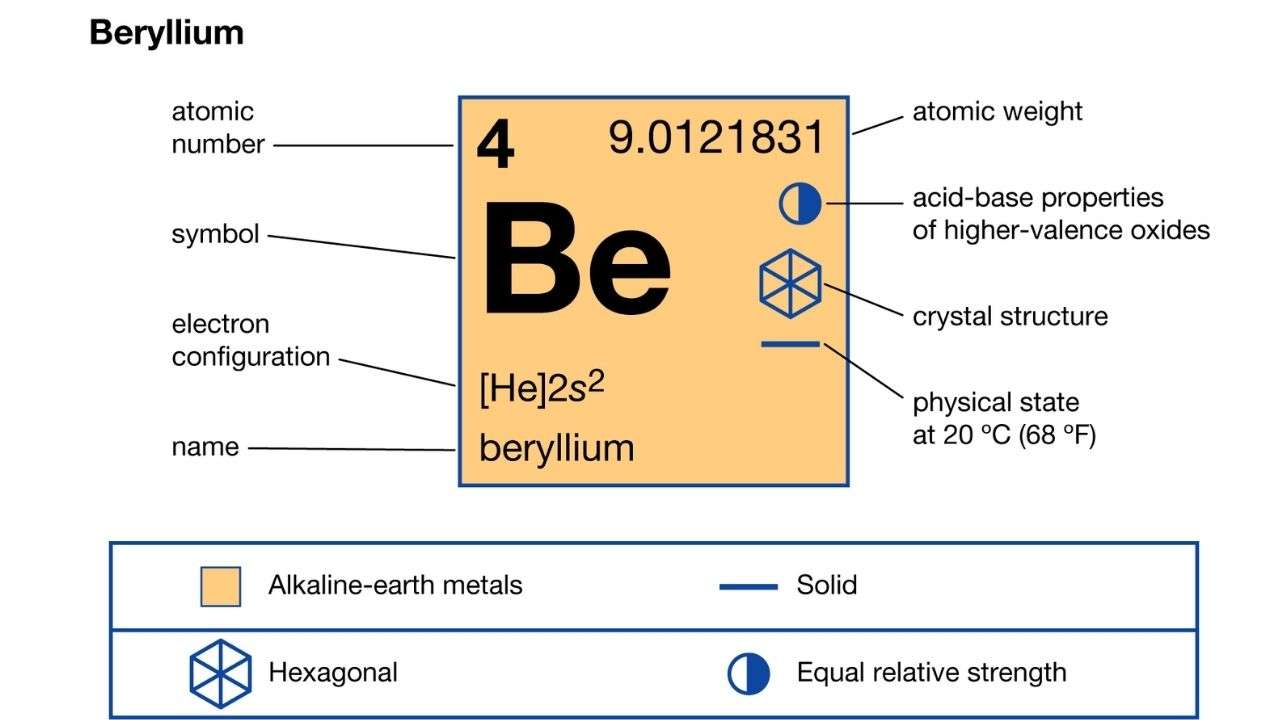
Have you ever wondered what makes your smartphone, laptop, or other gadgets so reliable and fast? There’s a hidden element working behind the scenes that you probably haven’t heard of—beryllium.
This tiny metal plays a big role in the performance and safety of many consumer electronics you use daily. If you want to know how beryllium affects your devices and why it matters to you, keep reading. Understanding this could change the way you think about the technology in your hands.
Credit: domadia.net
Beryllium Basics
Beryllium is a metal you might not hear about often, yet it plays a subtle but crucial role in many consumer electronics. Understanding the basics of beryllium can help you appreciate why manufacturers use it and how it impacts the devices you use every day.
What Is Beryllium?
Beryllium is a lightweight metal known for its stiffness and high melting point. It’s rare in nature and often found in minerals like beryl and bertrandite. Despite being lightweight, it’s stronger than many other metals, making it valuable for precise and durable components.
Why Use Beryllium In Electronics?
Beryllium’s unique properties make it perfect for parts that need to conduct heat and electricity efficiently. It also resists corrosion and doesn’t expand much when heated, which keeps electronic parts stable during use. This means your gadgets can perform better and last longer with beryllium inside.
Common Forms Of Beryllium In Devices
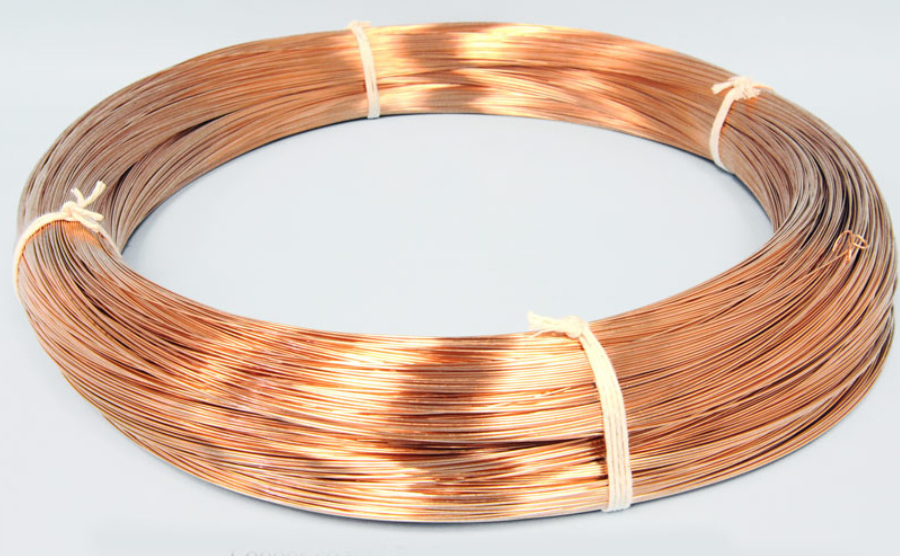
- Beryllium Copper Alloys:These combine beryllium with copper to create a material that’s strong and conductive, often used in connectors and switches.
- Beryllium Oxide Ceramics:Used for heat dissipation in chips and circuit boards, helping devices stay cool.
- Pure Beryllium:Sometimes used in specialized applications like aerospace electronics, but less common in everyday gadgets.
Is Beryllium Safe In Your Gadgets?
You might wonder if having beryllium in your phone or laptop is risky. In solid form inside devices, beryllium is stable and generally safe. The main concern arises when it becomes dust or fumes during manufacturing, which is why factories have strict safety rules.
Have you ever thought about what’s inside your electronics beyond the usual metals? Beryllium is a hidden hero, quietly enhancing the performance and reliability of many devices you rely on daily.

Credit: hometheaterreview.com
Role In Consumer Electronics
Beryllium plays a small but important role in consumer electronics. Its unique properties make it useful in many devices we use daily. Electronics need materials that handle heat well and conduct electricity efficiently. Beryllium meets these needs, improving device performance and durability.
Electrical Conductivity And Heat Resistance
Beryllium has excellent electrical conductivity. It allows electric signals to pass quickly and with little loss. It also resists heat well, which helps prevent devices from overheating. This makes beryllium ideal for components that carry electric current and face high temperatures.
Use In Connectors And Switches
Many connectors and switches in electronics contain beryllium copper alloys. These parts need to be strong, flexible, and reliable. Beryllium copper offers these qualities, ensuring connectors maintain good contact over time. This keeps devices working smoothly and avoids connection failures.
Role In Aerospace And High-end Electronics
Beryllium is common in aerospace electronics due to its light weight and strength. It helps reduce device weight without sacrificing durability. High-end consumer electronics, like advanced smartphones and laptops, also use beryllium parts for better performance and longevity.
Impact On Device Lifespan
Using beryllium in key parts extends the life of electronic devices. It prevents wear and corrosion that reduce device function. This makes electronics more reliable and lowers the need for repairs or replacements.
Strength And Durability
Beryllium plays a key role in making consumer electronics strong and durable. Its unique properties improve the lifespan and reliability of many devices. This metal’s strength helps parts resist damage and wear. Durability is crucial for electronics that face daily use and rough handling.
High Strength-to-weight Ratio
Beryllium is very strong but also very light. This quality makes devices easier to carry and more durable. Electronics with beryllium parts stay sturdy without becoming heavy. This balance helps in making portable gadgets like laptops and smartphones tough yet lightweight.
Resistance To Wear And Tear
Parts made with beryllium resist scratches and dents better than many metals. This resistance keeps devices looking new longer. It also prevents damage that can affect performance. Beryllium’s durability helps maintain the quality of electronics over time.
Improved Thermal Stability
Beryllium can handle heat without losing strength. Electronics often get warm during use. Beryllium parts keep their shape and function well despite temperature changes. This stability prevents breakdowns caused by heat stress.
Enhanced Longevity Of Components
Using beryllium extends the life of electronic parts. It reduces the need for frequent repairs or replacements. Devices last longer and perform consistently. Consumers benefit from reliable electronics that stand the test of time.
Heat Resistance Advantages
Beryllium offers important heat resistance benefits in consumer electronics. It helps devices handle high temperatures without damage. This feature supports better performance and longer device life.
Beryllium’s ability to withstand heat makes it ideal for small, powerful parts. These parts often get very hot during use. Using beryllium reduces the risk of overheating and failure.
High Melting Point Supports Durability
Beryllium melts at about 1,287°C (2,349°F). This high melting point lets it resist heat better than many metals. Electronic components with beryllium stay stable at elevated temperatures.
Improved Thermal Conductivity
Beryllium conducts heat efficiently. It moves heat away from sensitive parts fast. This helps keep devices cool and prevents overheating problems.
Maintains Structural Integrity Under Heat
Beryllium keeps its shape even when hot. It does not warp or weaken easily. This reliability is crucial for tiny electronic parts under stress.
Lightweight And Heat-resistant
Beryllium is light yet strong against heat. This reduces the weight of gadgets without losing heat resistance. Lighter devices are easier to carry and use.
Electrical Conductivity Benefits
Beryllium’s role in consumer electronics is often tied to its remarkable electrical conductivity. This property makes it a preferred choice for components where efficient electrical flow is crucial. Understanding how beryllium enhances device performance can help you appreciate the subtle engineering behind your favorite gadgets.
Why Electrical Conductivity Matters In Electronics
Electrical conductivity determines how easily electric current passes through a material. Higher conductivity means less energy loss and better device efficiency. When you use electronics daily, improved conductivity can translate into longer battery life and faster processing speeds.
How Beryllium Improves Conductivity
Beryllium has a unique ability to conduct electricity while remaining lightweight and strong. This combination allows manufacturers to create smaller, more reliable parts without sacrificing performance. Imagine a smartphone that feels lighter but runs cooler and faster—that’s part of beryllium’s impact.
Practical Examples Of Beryllium In Electronics
- Connectors and Switches:Beryllium copper alloys are common in connectors, ensuring stable signals and reducing power loss.
- High-frequency Devices:Its conductivity supports components in radios and satellite equipment, where signal clarity is essential.
- Heat Dissipation:Beryllium helps manage heat in circuit boards, preventing damage and extending device lifespan.
What This Means For You As A User
Have you noticed your devices running smoother or lasting longer between charges? Beryllium’s conductivity benefits might be part of the reason. Choosing products that use beryllium-enhanced parts can give you a subtle but meaningful boost in everyday tech performance.
Lightweight Properties
Beryllium’s lightweight nature makes it valuable in consumer electronics. Devices need to be small and light. Beryllium helps meet these needs without losing strength or durability.
Its low density means less weight. This improves portability and comfort for users. Lighter devices are easier to carry and use all day. Beryllium components keep gadgets slim and sleek.
Low Density And Weight
Beryllium weighs about one-third as much as aluminum. This allows manufacturers to reduce device weight significantly. Using beryllium parts helps create thin, light electronics that feel less bulky.
Strength-to-weight Ratio
Despite being light, beryllium is very strong. It supports heavy internal components without adding much weight. This balance makes it perfect for delicate electronics that need durability.
Impact On Battery Life
Lighter electronics require less power to move or hold. This can improve battery life as less energy is used during handling. Beryllium’s lightweight properties indirectly help extend device usage time.
Enhancing User Experience
Lightweight devices feel easier to handle and less tiring. Beryllium helps make smartphones, laptops, and tablets more comfortable. Users can carry gadgets longer without strain or discomfort.
Impact On Device Performance
The impact of beryllium on device performance is more significant than you might expect. This lightweight metal plays a key role in enhancing how your gadgets operate daily. Its unique properties help boost efficiency and reliability, which can directly affect your user experience.
Enhanced Battery Life
Beryllium’s excellent thermal conductivity helps manage heat inside electronic devices. By dissipating heat efficiently, it protects battery components from overheating. This means your device’s battery can last longer during use and maintain its capacity over time.
Devices using beryllium alloys often show improved energy efficiency. Reduced heat means less power wasted on cooling, so more energy goes toward actual device operation. Have you noticed your phone or laptop running cooler and lasting longer on a single charge? Beryllium could be behind that improvement.
Improved Signal Quality
Beryllium’s strength and conductivity make it ideal for components like connectors and springs in electronics. These parts require stable, low-resistance paths for signals. Using beryllium helps maintain clear and strong signal transmission, reducing interference.
This improvement is crucial for devices relying on wireless communication, such as smartphones and routers. Better signal quality means fewer dropped calls and faster data speeds. Think about the last time your call dropped unexpectedly—better materials like beryllium help prevent that frustration.
Safety Considerations
Safety considerations around beryllium in consumer electronics are crucial. While beryllium offers excellent properties like light weight and strength, its dust and fumes can pose serious health risks if mishandled. Understanding how beryllium is used and controlled can help you stay safe and make informed choices about the products you use.
What Makes Beryllium Risky?
Beryllium dust and particles are dangerous when inhaled. They can cause a lung condition called chronic beryllium disease (CBD), which leads to inflammation and breathing difficulties. Even tiny amounts can be harmful over time, so proper handling is essential.
How Is Beryllium Managed In Electronics?
Manufacturers use strict controls to minimize exposure during production. Beryllium is often enclosed or alloyed in a way that prevents dust from escaping. This means the risk to you as a consumer is extremely low under normal use.
What Should You Watch Out For?
- Avoid opening or damaging devices that contain beryllium components.
- Be cautious when recycling or disposing of old electronics.
- Look for products from companies that follow safety standards and regulations.
Can You Safely Handle Electronics With Beryllium?
Yes, if you don’t expose yourself to dust or fumes, handling electronics is safe. The beryllium inside is usually sealed away. Just don’t try to dismantle or grind components yourself.
Why Should You Care About Beryllium Safety?
Knowing about beryllium risks helps you protect your health and push for safer products. Next time you upgrade your device, consider how the materials inside might impact your safety and the environment. What steps will you take to stay informed and safe?
Environmental Impact
Beryllium is a rare metal used in many electronic devices. Its environmental impact raises concerns. This section explores how beryllium affects the planet and human health.
Sources Of Environmental Pollution
Beryllium is mainly released during mining and refining. Waste from factories can pollute air and water. Tiny particles may spread, harming nearby ecosystems.
Impact On Soil And Water
Contaminated soil can reduce plant growth. Beryllium in water harms aquatic life. It can build up in fish, affecting the food chain.
Health Risks From Environmental Exposure
People near beryllium sources risk lung diseases. Dust inhalation causes serious breathing problems. Long-term exposure may lead to chronic illness.
Recycling And Waste Management
Proper recycling reduces beryllium pollution. Safe waste disposal prevents environmental damage. Many companies now follow strict guidelines to limit harm.
Efforts To Reduce Environmental Harm
- Using cleaner production techniques
- Monitoring pollution levels regularly
- Improving worker safety standards
- Promoting responsible e-waste recycling

Credit: leadertechinc.com
Future Prospects
The future of beryllium in consumer electronics looks promising as industries seek materials that boost performance without adding bulk. This lightweight metal offers unique properties that could shape the next generation of gadgets. Let’s dive into where beryllium might be headed and what it means for your devices.
Advancements In Lightweight And Durable Components
Beryllium’s strength-to-weight ratio makes it ideal for parts that need to be both tough and light. Manufacturers are experimenting with beryllium alloys to create thinner yet more durable circuit boards and connectors. Imagine your smartphone lasting longer and feeling lighter, thanks to these tiny but powerful components.
Improved Thermal Management Solutions
Heat is a major enemy of electronics. Beryllium’s excellent thermal conductivity helps in dissipating heat quickly, preventing overheating. If your laptop or gaming console runs cooler in the future, beryllium-based materials might be the reason.
Challenges In Safety And Environmental Impact
Handling beryllium requires caution due to its toxicity when airborne particles are inhaled. Companies will need to improve safety protocols and recycling methods to ensure beryllium use remains responsible. Will your next device come with an environmental story about safer beryllium use?
Potential In Emerging Technologies
Emerging tech like 5G, wearable devices, and flexible electronics demand materials that perform under stress and space constraints. Beryllium’s unique properties could make it a key player in these fields. Could your smartwatch or VR headset benefit from beryllium-enhanced parts soon?
Cost And Supply Considerations
Beryllium is rare and expensive, which can limit its widespread adoption. However, new mining techniques and recycling efforts may bring down costs. Will affordability finally open the door for beryllium in everyday gadgets?
Frequently Asked Questions
What Is Beryllium Used For In Consumer Electronics?
Beryllium is used for its lightweight and strong properties. It improves heat dissipation and electrical conductivity in electronic components. This makes devices more efficient and durable.
Are Beryllium Components Safe In Electronics?
Yes, beryllium is safe when properly encased in electronics. Risks arise mainly during manufacturing from dust exposure, not from finished products.
Why Is Beryllium Preferred In Electronic Connectors?
Beryllium offers excellent conductivity and mechanical strength. This ensures reliable connections and long-lasting performance in electronic devices.
Does Beryllium Improve Device Performance?
Yes, beryllium enhances thermal management and signal integrity. This leads to faster, more reliable electronic devices.
Conclusion
Beryllium plays a small but important role in many electronics today. It helps devices work better by making parts stronger and lighter. Still, using beryllium requires care because it can be harmful if not handled right. Many companies balance safety with the benefits beryllium brings.
Consumers should know that this metal quietly supports their gadgets every day. Understanding its presence helps us appreciate how technology advances safely. Simple and strong, beryllium remains a key part of modern electronics.
Leave a Reply