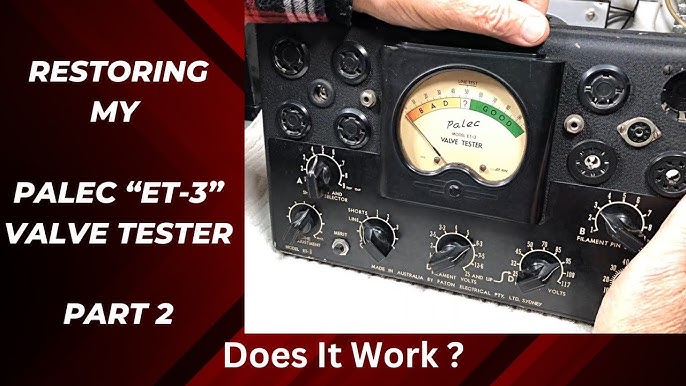
Have you ever wondered what happens when you plug a tiny device into your electronic component tester? How does it quickly tell you if that resistor, capacitor, or transistor is working properly?
Understanding how an electronic component tester works can save you time, money, and frustration when fixing or building circuits. You’ll discover the simple yet powerful process behind these testers and how they provide accurate results in seconds. Keep reading to unlock the secrets of your tester and become more confident in handling electronic parts.
Basics Of Electronic Component Testers
Understanding the basics of electronic component testers helps you make smarter choices when diagnosing or repairing circuits. These devices check if components like resistors, capacitors, and transistors are working properly without needing complex tools or deep technical knowledge.
Have you ever struggled to figure out why a gadget stopped working? Electronic component testers give you quick answers by measuring and identifying components, saving time and avoiding guesswork.
What Is An Electronic Component Tester?
An electronic component tester is a handheld or bench device that measures electrical properties of components. It tells you if a component is good, faulty, or what type it is. You simply connect the component, and the tester runs a series of tests automatically.
How Does It Identify Components?
The tester applies small electrical signals to the component and measures responses like resistance, capacitance, or voltage drop. It compares these readings to known values stored inside. This process allows the tester to figure out if the part is a resistor, capacitor, diode, transistor, or something else.
Common Features You’ll Find
- Auto Identification:Detects component type without you needing to select it manually.
- Display Screen:Shows measurement results clearly, sometimes even with graphs.
- Multiple Test Modes:Supports testing resistors, capacitors, diodes, transistors, and sometimes inductors or MOSFETs.
- Portability:Many testers are compact and battery-powered for use anywhere.
Why Accuracy Matters
Accuracy in these testers can vary depending on quality and calibration. A cheap tester might give you a rough idea, but a precise one helps avoid replacing perfectly good parts. If you rely on testing for repairs or building projects, investing in a reliable tester pays off.
Practical Tips For Using A Tester
- Always remove the component from the circuit if possible to avoid interference.
- Make sure the tester’s probes are clean and connected firmly.
- Check the tester’s manual for specific instructions on interpreting results.
- Use the tester regularly to get familiar with how different components behave.
Key Features
Understanding the key features of an electronic component tester helps you choose the right tool for your projects. These features directly impact how easily and accurately you can identify and measure components. Let’s look closely at what makes these testers effective and user-friendly.
Types Of Components Tested
Electronic component testers can identify a variety of parts, including resistors, capacitors, inductors, diodes, and transistors. Some advanced models even test more complex components like MOSFETs and triacs. Knowing which components your tester can handle saves you time and ensures compatibility with your work.
Have you ever struggled with guessing the value of an old resistor? A good tester removes that guesswork by providing clear, instant readings.
Accuracy And Precision
Accuracy is crucial for reliable measurements. A tester with high precision gives you exact values, which is essential when working with sensitive circuits. Look for testers that specify their measurement tolerance—ideally below 1% for resistors and capacitors.
Precision also means consistent results. If you test the same component multiple times, the readings should be almost identical. This consistency builds trust in your device and helps you avoid costly mistakes.
User Interface Design
The user interface of a tester affects how quickly you can get your results. Clear displays, intuitive menus, and simple button layouts make testing smooth and frustration-free. Some testers use LCD screens with backlighting to improve visibility in different lighting conditions.
Consider whether you prefer a touchscreen or physical buttons. The best interface matches your working style, so you spend less time navigating and more time testing.
Types Of Electronic Component Testers
Electronic component testers come in various forms, each designed to suit different testing needs and skill levels. Choosing the right type can save you time and ensure accurate results when working with components like resistors, capacitors, or transistors. Understanding these types helps you pick the best tool for your projects, whether you’re a hobbyist or a professional technician.
Analog Testers
Analog testers are the classic tools that many engineers and hobbyists have used for decades. They rely on a needle and dial display to show measurements like resistance or voltage. These testers are simple and often more durable, but they require you to interpret the needle position carefully.
If you enjoy hands-on testing and want to understand the basics of how your components behave, analog testers can be very educational. However, they might lack the precision and ease of reading that digital alternatives offer.
Digital Testers
Digital testers provide clear numeric readings on a screen, making it easier to get precise measurements quickly. They typically measure voltage, current, and resistance with better accuracy than analog testers. Many digital testers are portable and user-friendly, which makes them great for quick diagnostics.
Think about how much time you can save when you don’t have to guess needle positions. Yet, some digital testers might struggle with certain components or advanced measurements, so knowing their limits is key.
Advanced Multifunction Testers
Advanced multifunction testers combine several testing capabilities into one device. They can identify component types, measure values, test diodes, transistors, and sometimes even check batteries. These testers often include features like auto-ranging and component identification, which streamline your workflow.
Imagine having a single tool that can handle most of your testing needs, reducing clutter and confusion. But keep in mind, these testers can be more expensive and may require some learning to use all features effectively.

Credit: www.youtube.com
Working Principles
The working principles of an electronic component tester rely on measuring electrical properties. These testers apply small signals to components and observe responses. The data helps identify and evaluate components quickly. Understanding these core functions reveals how testers work efficiently.
Voltage And Current Measurement
Electronic component testers measure voltage and current by applying a known signal. The tester sends a small voltage to the component and measures the current flow. It uses these values to calculate electrical characteristics. This process helps detect if a component is working properly or faulty.
Resistance And Capacitance Testing
Resistance testing involves sending a low current through the component. The tester measures voltage drop to find resistance value. For capacitance, the tester applies a small AC signal and measures charge storage. These tests reveal if resistors and capacitors match their specifications or if they are damaged.
Inductance And Impedance Analysis
Inductance testing uses an AC signal to measure the magnetic field created by coils. The tester calculates inductance from the voltage and current phase difference. Impedance analysis combines resistance, inductance, and capacitance measurements. It shows how components behave in real circuits at different frequencies.
Step-by-step Testing Process
Understanding the step-by-step testing process of an electronic component tester can save you time and prevent mistakes. It’s not just about plugging things in; it’s about preparing the device properly, making the right connections, and knowing how to read the results accurately. Let’s break down each stage so you feel confident using your tester on any component.
Preparation And Setup
Before you start, make sure your tester is fully charged or connected to a power source. Turn on the device and allow it to complete its initial self-check—this ensures it’s functioning correctly.
Gather the components you want to test and clean their leads if needed. Dust or oxidation can affect the accuracy of your readings.
Adjust the tester settings based on the type of component you’re testing, whether it’s a resistor, capacitor, or transistor. Some testers have automatic detection, but manual setup can sometimes improve precision.
Connecting Components
Attach the component’s leads to the tester’s probes or slots carefully. If your tester uses clips, secure them firmly but avoid bending or damaging the leads.
Double-check the polarity for components like diodes and capacitors—reversing connections can give you false readings. Take your time here; rushing often leads to errors.
Keep your hands steady and avoid touching the leads during testing to prevent interference. A steady setup improves measurement reliability.
Interpreting Results
Once connected, the tester will display readings or codes. Look for clear indicators such as resistance values in ohms or voltage drops for diodes.
Compare these results with the component’s specifications, which you can usually find in datasheets or online. If the numbers fall outside the expected range, the component might be faulty.
Don’t overlook the tester’s additional signals like beeps or LED indicators—they often provide quick pass/fail feedback. Have you noticed how some testers can even identify component types automatically? This feature can speed up your work significantly.

Credit: www.reddit.com
Common Testing Challenges
Electronic component testers help check if parts work correctly. Yet, testing often faces several challenges. These can affect accuracy and reliability. Understanding common issues helps users get better results. Here are some frequent problems encountered during testing.
Identifying Faults
Finding exact faults can be tricky. Some defects are subtle and hard to spot. Testers may show normal readings even if parts are damaged. Components with internal issues might pass initial tests. Careful analysis and multiple tests are necessary. Comparing results with known good components helps too.
Dealing With Inconsistent Readings
Readings can change between tests. Loose connections or poor contact cause this. Battery levels in testers affect output stability. Some components react differently under test conditions. Temperature changes can also cause variations. Repeated measurements improve confidence in results.
Environmental Factors Impact
Testing environment influences accuracy greatly. Dust, humidity, and static electricity interfere with signals. Bright light or electromagnetic noise may affect readings. Clean, dry, and stable areas provide best conditions. Shielding and grounding reduce external interference. Always check environment before testing components.
Maintenance And Calibration
Maintaining and calibrating an electronic component tester ensures it provides accurate and reliable results. Proper care extends the device’s life and keeps measurements precise. Neglecting maintenance can lead to errors and faulty readings.
Regular Calibration Importance
Calibration checks the tester against known standards. It corrects deviations caused by use or aging. Regular calibration keeps the device accurate and trustworthy. It helps detect issues early, saving time and money. Calibration schedules depend on usage frequency and environment.
Cleaning And Storage Tips
Clean the tester gently with a soft, dry cloth. Avoid harsh chemicals or water that can damage parts. Keep connectors free of dust and debris for better contact. Store the device in a dry, cool place away from direct sunlight. Use a protective case to prevent physical damage during storage or transport.
Latest Innovations
The world of electronic component testers has seen remarkable changes recently. These latest innovations are not just about improving accuracy but also about making testing smarter and more convenient for you. Let’s look closely at how these new technologies can change the way you test components.
Smart Testers With Ai
Smart testers now use artificial intelligence to identify components faster and with greater accuracy. They learn from a vast database of components, helping you avoid guesswork during testing.
Imagine having a tester that suggests the type of component and its condition immediately after you connect it. This feature saves time, especially when you’re dealing with a mix of unknown parts.
These testers can also predict component failures by analyzing patterns over time. Have you ever wished your tester could warn you before a component breaks? AI-powered devices are making that possible.
Wireless Testing Technologies
Wireless technology has made electronic component testers more flexible and user-friendly. You no longer need to stay tethered to a bulky device; you can test components remotely using your smartphone or tablet.
This is particularly useful in tight spaces or when testing components on large circuit boards. The wireless connection also allows for easy data transfer and sharing, improving collaboration with your team.
Have you tried a wireless tester yet? They often come with apps that help you save and organize your test results, making your workflow smoother and more efficient.
Selecting The Right Tester
Choosing the right electronic component tester can make a big difference in your projects. With so many options available, understanding what fits your needs and budget is crucial. Let’s look at how you can narrow down your choices effectively.
Assessing Needs And Budget
First, think about the types of components you test most often. Are you working mainly with resistors, capacitors, or transistors? Some testers specialize in certain components, so matching the device to your regular tasks saves time and frustration.
Next, consider how much you want to spend. Testers range from under $20 for basic models to over $200 for advanced ones. Setting a clear budget upfront helps avoid overspending on features you might never use.
Ask yourself: Do you need a portable tester for fieldwork or a bench-top model for a workshop? Portability often means fewer features but greater convenience. Weigh your priorities carefully before deciding.
Comparing Popular Models
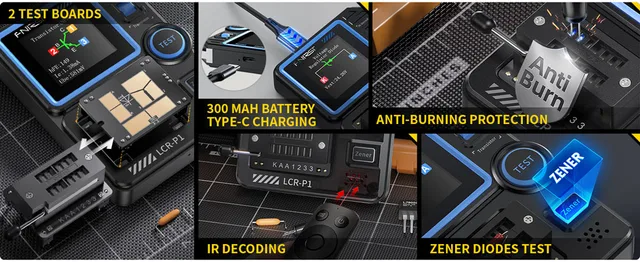
Look at reviews and specifications side by side. Some well-known models include the LCR-T4, the Mega328, and the M328 component testers. Each has strengths in accuracy, ease of use, and supported components.
| Model | Price Range | Component Coverage | Key Features |
|---|---|---|---|
| LCR-T4 | $20 – $40 | Resistors, Capacitors, Inductors, Diodes | Compact, Backlit display, Auto identification |
| Mega328 | $30 – $50 | Transistors, Diodes, Resistors, Capacitors | Arduino based, Open-source, Firmware upgradeable |
| M328 | $15 – $35 | Basic passive components | Simple interface, Budget-friendly |
Try to find a tester with clear instructions and reliable customer support. I once bought a cheap tester that lacked proper documentation, and it took me weeks to figure out how to use it effectively. Don’t let that happen to you.
What features do you value most in your testing? Accuracy, ease of use, or maybe expandability? Your answers will guide you to the best choice for your needs.
Credit: www.aliexpress.com
Frequently Asked Questions
What Is An Electronic Component Tester Used For?
An electronic component tester identifies and measures various components like resistors, capacitors, and transistors. It helps verify component functionality quickly and accurately. This tool is essential for troubleshooting and repairing electronic circuits efficiently.
How Does An Electronic Component Tester Measure Resistance?
The tester sends a small current through the resistor and measures voltage drop. It calculates resistance using Ohm’s Law. This method allows precise resistance values to be displayed instantly on the tester screen.
Can An Electronic Component Tester Identify Transistor Types?
Yes, it detects transistor types such as NPN or PNP and pin configuration. It measures gain and leakage current to ensure transistor functionality. This feature helps users avoid incorrect component placement.
Are Electronic Component Testers Suitable For Beginners?
Absolutely, testers are user-friendly with clear displays and simple interfaces. They provide fast, reliable results without complex setup. Beginners can quickly learn to test components and improve troubleshooting skills.
Conclusion
An electronic component tester helps check parts quickly and easily. It sends small signals to the component to see how it reacts. This process shows if the part works well or needs replacing. Anyone working with electronics can save time using this tool.
It makes testing simple without complex steps. Understanding how it works helps in fixing devices faster. Small, handy, and reliable—this tester is a useful tool. It brings clarity to electronic repairs and learning. A smart choice for beginners and pros alike.
Leave a Reply