Have you ever wondered how some electronic parts hold onto energy without using a battery? If you’re curious about which component can store energy in a magnetic field, you’re about to discover something fascinating.
This isn’t just a random fact—understanding this can change how you think about circuits and electronics. By the end of this article, you’ll know exactly which component does this job and why it matters for your projects or learning. Ready to unlock this secret?
Let’s dive in.
Understanding Magnetic Field Energy Storage
Magnetic field energy storage is a key concept in electronics. It allows devices to hold energy in a magnetic field for later use. This energy storage is essential in circuits, especially in power electronics and signal processing. Understanding how energy is stored magnetically helps in designing efficient components.
Energy stored in a magnetic field depends on the magnetic field strength and the volume of the field. This energy is not lost but held temporarily. The component that stores this energy is designed to create and maintain a magnetic field when electric current flows through it.
What Is Magnetic Field Energy?
Magnetic field energy is the energy stored in the space around a magnet or current-carrying conductor. It arises from the magnetic field created by moving electric charges. The stronger the current, the stronger the magnetic field and stored energy.
How Energy Is Stored In Magnetic Fields
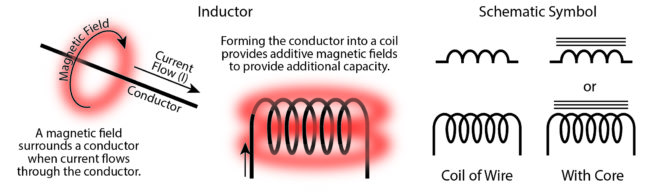
When current passes through a coil of wire, it generates a magnetic field. The magnetic field stores energy. If the current changes, the magnetic field changes too, releasing or absorbing energy. This process allows energy to be stored and used within circuits.
Role Of Inductors In Magnetic Energy Storage
Inductors are components made of coils of wire. They store energy in their magnetic field when current flows. The energy stored is proportional to the current and the coil’s inductance. Inductors release this energy when current decreases, making them vital in power regulation.
Factors Affecting Magnetic Energy Storage
- Inductance value of the coil
- Current flowing through the coil
- Core material properties
- Physical size and shape of the coil
Applications Of Magnetic Energy Storage
Magnetic energy storage is used in transformers, inductors, and electromagnets. It helps in smoothing electrical signals and storing power temporarily. Many electronic devices rely on this property for efficient operation.
Role Of Inductors
Inductors play a crucial role in storing energy within a magnetic field, making them essential in many electronic circuits. Their ability to resist changes in current and temporarily hold energy sets them apart from other components. Understanding how inductors work can help you design better, more efficient circuits.
Basic Functionality
An inductor stores energy by creating a magnetic field when current flows through its coil. The strength of this magnetic field depends on the amount of current and the coil’s characteristics. When the current changes, the inductor opposes this change, releasing or absorbing energy as needed.
Have you ever noticed how an inductor smooths out sudden spikes in current? This is because it resists abrupt changes, protecting your circuit from damage or instability.
Types Of Inductors
Inductors come in various shapes and sizes, each suited for specific tasks. Common types include:
- Air-core inductors:Lightweight and used for high-frequency circuits due to minimal energy loss.
- Iron-core inductors:Provide stronger magnetic fields, ideal for power supplies and transformers.
- Ferrite-core inductors:Combine efficiency with compact design, widely used in electronics like radios and computers.
Your choice depends on your circuit’s frequency, size constraints, and the amount of energy you need to store.
Applications In Circuits
Inductors have practical uses that might surprise you. They are key in:
- Filters:Removing unwanted signals in audio and radio devices.
- Energy storage:Holding energy in power supplies to maintain steady output.
- Transformers:Transferring energy between circuits with different voltage levels.
Think about your smartphone charger or radio—inductors quietly make these work smoothly by managing energy flow. Could your next project benefit from adding an inductor to stabilize current or filter noise?
Superconducting Magnetic Energy Storage
Superconducting Magnetic Energy Storage (SMES) is a technology that stores energy in a magnetic field. It uses superconducting coils cooled to very low temperatures. These coils carry current without resistance. This allows energy to be stored efficiently for short or long periods.
Principles Of Operation
SMES works by passing electrical current through a superconducting coil. The coil creates a magnetic field that stores the energy. Because there is no electrical resistance, energy loss is minimal. The coil is kept very cold using cryogenic cooling systems. When energy is needed, the current flows back, releasing the stored energy quickly.
Advantages Over Traditional Methods
- Very fast response time for energy release.
- High efficiency due to near-zero resistance.
- Long cycle life with minimal degradation.
- Can handle high power demands instantly.
- Environmentally friendly with no harmful emissions.
Current Uses And Innovations
SMES systems support power grids by stabilizing voltage and frequency. They provide backup power during outages. Innovations focus on improving cooling technology to reduce costs. Researchers are exploring smaller and more compact designs. These advances aim to increase SMES adoption in renewable energy storage and industrial applications.
Credit: nandasiddhardha.medium.com
Magnetic Field Storage In Transformers
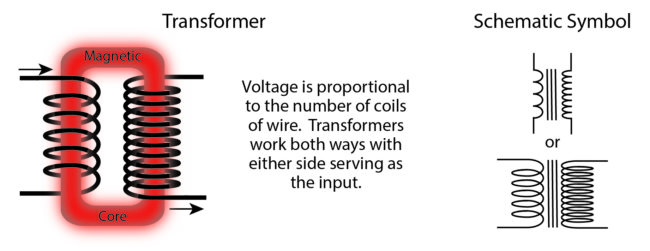
Transformers are essential electronic components that store energy in a magnetic field. They transfer electrical energy between circuits using magnetic induction. The core of a transformer is made of magnetic material, which holds the magnetic field. This field temporarily stores energy as the current flows through the coils wrapped around the core.
The magnetic field storage in transformers is key for their function. It enables efficient energy transfer and helps maintain voltage levels in power systems. Understanding this storage helps in designing better transformers for various applications.
Energy Transfer Efficiency
Transformers use magnetic fields to move energy from one coil to another. This process is very efficient, often above 95%. The magnetic core reduces energy loss by guiding the magnetic field. Copper or aluminum coils carry the current with minimal resistance. Efficient energy transfer means less power is wasted as heat. This saves energy and improves the transformer’s performance.
Design Variations
Transformer designs vary based on their use and size. Some use laminated steel cores to reduce energy loss. Others use ferrite cores for high-frequency applications. The shape of the core also affects magnetic field storage. Common shapes include E-cores and toroidal cores. Designers choose materials and shapes to improve energy storage and reduce losses.
Impact On Power Systems
Transformers play a crucial role in power systems. They step voltage levels up or down for safe transmission and use. The magnetic field storage allows transformers to handle large amounts of power smoothly. Reliable transformers help prevent power outages and damage. Their efficiency reduces overall energy consumption in power grids.
Comparison With Capacitive Energy Storage
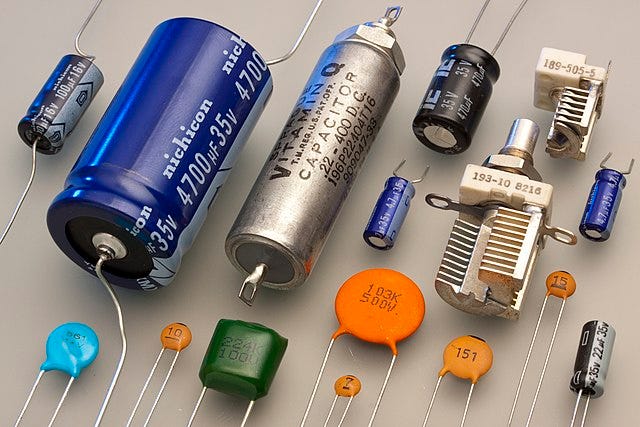
Energy storage in electronic components happens in two main ways: magnetic fields and electric fields. Inductors store energy using magnetic fields, while capacitors use electric fields. Both types have unique features and uses. Comparing them helps understand their roles in circuits and devices.
Magnetic Vs. Electric Fields
Inductors store energy in a magnetic field created by current flow. Capacitors store energy in an electric field formed by voltage across two plates. Magnetic energy depends on current strength and coil properties. Electric energy depends on voltage and capacitor size. Magnetic fields spread around coils; electric fields exist between capacitor plates.
Pros And Cons
- Inductors:Good for smooth current flow and energy transfer. Can handle high currents. Bulky and may cause energy loss due to resistance.
- Capacitors:Store energy quickly and release it fast. Compact and easy to use. Limited by voltage rating and can leak energy over time.
Use Case Scenarios
- Inductors work well in power supplies and filters to control current.
- Capacitors are common in timing circuits and energy backup systems.
- Inductors are preferred where steady current and magnetic energy storage matter.
- Capacitors fit better in fast energy release and voltage stabilization tasks.
Challenges In Magnetic Energy Storage
Storing energy in a magnetic field presents several challenges. These obstacles affect the efficiency and practicality of magnetic energy storage devices. Understanding these issues helps in improving designs and applications.
Material Limitations
Magnetic energy storage depends heavily on core materials. These materials must handle strong magnetic fields without losing energy. Many materials suffer from high electrical resistance and magnetic losses. Finding materials with low losses and high magnetic permeability is difficult. Such materials also need to be stable under different temperatures and conditions.
Size And Scalability Issues
Magnetic energy storage devices often require large coils and cores. This size can limit their use in compact systems. Scaling up these devices to store more energy increases weight and volume. Large devices are harder to install and maintain. Designers face trade-offs between size, energy capacity, and efficiency.
Economic Considerations
Cost is a major factor in magnetic energy storage adoption. High-quality materials and complex manufacturing raise prices. Maintenance and safety measures add to long-term costs. These expenses make it tough to compete with other energy storage options. Reducing costs remains a key goal for wider use.
Future Of Magnetic Energy Storage
Magnetic energy storage holds a promising place in the future of electronics and power systems. It offers a way to store energy efficiently using magnetic fields. This method is gaining attention due to its fast response and durability. Its development could change how we store and use energy in many devices and systems.
Technological Advances
New materials improve magnetic energy storage capacity. Researchers explore superconductors to reduce energy loss. Miniaturization helps fit these components into smaller devices. Advanced manufacturing techniques lower production costs. Sensors and control systems enhance performance and safety.
Potential Applications
- Power grids for balancing energy supply and demand
- Electric vehicles for faster charging and longer life
- Renewable energy systems to store wind and solar power
- Consumer electronics needing quick energy bursts
- Medical devices requiring reliable energy storage
Sustainability And Environmental Impact
Magnetic storage uses fewer harmful materials than batteries. It supports cleaner energy by integrating with renewables. The long lifespan reduces electronic waste significantly. Energy efficiency means less power consumption overall. Recycling of components is easier and safer.

Credit: www.electronicsandyou.com
Credit: www.blackstone-ney.com
Frequently Asked Questions
What Electronic Component Stores Energy In A Magnetic Field?
An inductor stores energy in a magnetic field when electric current passes through it. It consists of a coil of wire that generates a magnetic field, storing energy efficiently for various electronic applications.
How Does An Inductor Store Magnetic Energy?
An inductor stores energy by creating a magnetic field around its coil when current flows. The energy is held in this magnetic field and released when the current changes or stops.
Why Are Inductors Important In Electronic Circuits?
Inductors control current flow and filter signals by storing magnetic energy. They help in power regulation, noise reduction, and energy storage in circuits like transformers and radios.
Can Capacitors Store Energy Like Inductors?
No, capacitors store energy in an electric field, not a magnetic field. Inductors uniquely store energy magnetically, making them essential for specific energy storage and filtering tasks.
Conclusion
The electronic component that stores energy in a magnetic field is the inductor. Inductors are common in many electronic devices and circuits. They help control current and store energy temporarily. Understanding inductors can improve your knowledge of electronics. This knowledge can help you design or fix circuits better.
Remember, energy storage in magnetic fields is different from batteries. Inductors do this by creating magnetic fields when current flows. This simple concept plays a big role in electronics today.
Leave a Reply