Have you ever wondered if your radon mitigation system needs regular care? You might think once it’s installed, you can forget about it.
But the truth is, your home’s safety depends on how well you maintain this system. Ignoring maintenance could mean you’re still at risk without even knowing it. You’ll discover why keeping your radon mitigation system in top shape is crucial—and how simple steps can protect your family’s health every day.
Keep reading to find out what you need to do to ensure your system works just as well years from now as it does today.
Radon Mitigation System Basics
Understanding the basics of radon mitigation systems is crucial before diving into maintenance questions. These systems work quietly but effectively to reduce radon gas levels in your home. Knowing how they function helps you spot potential issues early and decide when to call a professional.
What Is A Radon Mitigation System?
A radon mitigation system is designed to lower radon gas concentrations inside your house. Radon is a naturally occurring radioactive gas that can seep through cracks in the foundation. The system typically captures this gas and vents it safely outside before it accumulates indoors.
Key Components Of The System
- Vent Pipe:A pipe that draws radon gas from beneath your home and directs it outdoors.
- Fan:Positioned in the vent pipe, it creates suction to pull radon gas up and out.
- Sealing Materials:Used to close cracks and openings in your foundation where radon might enter.
How Does It Operate Daily?
Once installed, the fan runs continuously to keep radon levels low. The vent pipe channels the gas above the roofline, where it disperses harmlessly. You might hear a faint noise from the fan, which shows the system is working.
Signs Your System Might Need Attention
- Unusual noises or silence from the fan.
- Sudden increase in radon levels detected by your test kits.
- Visible damage to vent pipes or seals.
Have you checked your radon levels recently? Staying informed helps you protect your home and health effectively.
Importance Of Regular Maintenance
Regular maintenance of your radon mitigation system is crucial to keep it working effectively. Without routine checks, the system’s performance can decline, allowing dangerous radon levels to rise unnoticed in your home. Staying proactive helps you protect your family’s health and ensures peace of mind.
How Maintenance Keeps Your System Effective
Radon mitigation systems rely on mechanical parts like fans and pipes. Over time, these components can wear out or get blocked. Regular maintenance helps spot these issues early and fix them before they reduce the system’s ability to remove radon gas.
What Happens If You Skip Maintenance?
Ignoring maintenance may cause your system to fail without warning. You might not notice the increase in radon until it reaches unsafe levels. This delay can put your family at risk and lead to costly repairs later.
Signs Your Radon System Needs Attention
- Unusual noises from the fan or motor
- Visible cracks or damage to pipes
- Sudden rise in radon test results
Spotting these signs early means you can call a professional before the problem worsens.
Easy Steps To Maintain Your System
- Check the fan operation monthly
- Keep the suction point clear of debris
- Schedule professional inspections every 1-2 years
- Test radon levels regularly to ensure system effectiveness
These simple actions keep your system running smoothly without much hassle.
Have You Checked Your Radon System Lately?
Think about the last time you checked your radon mitigation system. Could it be time for a quick inspection? Staying on top of maintenance could save you from serious health risks and unexpected expenses.
Signs Your System Needs Attention
Radon mitigation systems work quietly to keep your home safe. Yet, they need care like any other system. Watch for signs that your system may need attention. Catching problems early helps keep radon levels low and your family safe.
Unusual Noises
Strange sounds coming from your radon system can signal trouble. A loud hum or rattling noise may mean the fan is wearing out. Listen for changes in sound that seem different from usual. These noises suggest it is time for a checkup.
Increased Radon Levels
Radon levels rising inside your home is a clear warning sign. Testing regularly shows if the system works well. Higher readings mean the system might be failing or blocked. Act quickly to retest and inspect your mitigation system.
Visible Wear Or Damage
Look for cracks, holes, or loose pipes in your system. Damage can reduce its ability to lower radon levels. Check the fan and pipes outside for signs of rust or wear. Fixing these issues early keeps the system effective and safe.
Routine Checks To Perform
Radon mitigation systems need regular checks to keep working well. Routine checks help spot problems early. This saves money and keeps your home safe. Simple inspections can ensure the system runs smoothly. Here are key areas to check regularly.
Fan Functionality
The fan is the heart of the radon system. It pulls radon gas out from below your home. Check if the fan is running quietly and without vibration. Listen for unusual noises or a sudden stop. Feel the airflow at the vent pipe. Weak airflow may mean the fan needs service or replacement.
Pipe Inspection
Look over the pipes for cracks, holes, or loose joints. Damaged pipes can let radon leak back into your home. Ensure pipes are firmly connected and sealed well. Check for any signs of wear or weather damage outside. Replace or repair damaged sections quickly to maintain system efficiency.
Sealing Integrity
Seals around the system must stay tight to block radon gas. Check seals on floor cracks, sump covers, and pipe entry points. Look for gaps, peeling caulk, or broken sealant. Reseal areas showing wear to keep radon from entering your home. Good sealing supports the entire system’s success.
Diy Maintenance Tips
Radon mitigation systems work best when kept clean and checked regularly. Simple maintenance helps your system run smoothly and protects your home. You can do basic upkeep yourself without special tools. Following a few easy steps keeps radon levels low and your system efficient.
Cleaning The System
Dust and debris can build up on system parts. Clean the fan and vent pipes gently with a dry cloth. Avoid using water or harsh chemicals. Keep the area around the system clear of clutter. This helps air flow and prevents damage. Check for spider webs or nests that block vents. Clean these away carefully to maintain airflow.
Checking Pressure Levels
Pressure levels show if the system works well. Locate the manometer, a small gauge on the system. The needle should stay in the normal range marked on the gauge. A drop in pressure means the fan may not work properly. Check the fan for unusual noise or vibration. If pressure is low, call a professional to inspect the system.

Credit: www.angi.com
When To Call A Professional
Knowing when to call a professional for your radon mitigation system can save you from costly repairs and ensure your home stays safe. Some issues might seem minor but could be signs of bigger problems. Recognizing the right time to get expert help is key to maintaining a healthy living environment.
Complex Repairs
If your radon mitigation system suddenly stops working or makes unusual noises, it’s time to contact a professional. Simple fixes like replacing a fan might seem easy, but complex repairs often require specialized tools and knowledge.
Attempting to fix electrical components or ductwork on your own can lead to more damage or ineffective radon reduction. Have you noticed water leaks, broken pipes, or strange odors near your system? These are clear signs professionals should handle the repair to avoid health risks.
Annual Inspections
Scheduling an annual inspection with a certified radon specialist is one of the best ways to keep your system in top shape. Professionals check for wear and tear, verify the fan’s performance, and test radon levels to ensure everything functions correctly.
Even if your system seems fine, small issues can go unnoticed without a thorough check. Think about it: would you skip an annual health checkup just because you feel okay? Your radon system deserves the same attention.
Cost Considerations
Understanding the cost considerations of maintaining a radon mitigation system can help you plan better and avoid unexpected expenses. Maintenance is not just about keeping the system running; it also protects your investment and your health. Being aware of the costs involved allows you to budget appropriately and make informed decisions.
Budgeting For Maintenance
Maintenance for radon mitigation systems typically involves regular inspections and filter replacements. On average, you might spend between $100 and $300 annually, depending on your system’s complexity and local service rates.
Think about scheduling these costs as part of your home maintenance budget, similar to HVAC servicing or chimney cleaning. Setting aside a small monthly amount can make these expenses easier to handle when they arise.
Have you checked if your radon system warranty covers any maintenance work? Some warranties include free inspections for a set period, which could reduce your out-of-pocket costs.
Potential Repair Costs
Repairs can be more costly if the system suffers damage or malfunctions. Common issues like fan failures or pipe leaks might cost anywhere from $200 to $600 to fix.
Ignoring minor problems can lead to bigger expenses later on. For example, a small crack in a pipe could lead to ineffective radon reduction, requiring more extensive repairs.
Consider asking your radon service provider about typical repair costs upfront. Knowing what to expect can prevent surprises and help you decide if a service contract is worth it.

Credit: www.angi.com
Long-term Benefits Of Maintenance
Maintaining your radon mitigation system is more than just a routine task—it’s an investment in your home’s safety and your peace of mind. Regular upkeep ensures the system works effectively over time, protecting your family from harmful radon exposure. Neglecting maintenance can lead to reduced efficiency and unexpected costs down the road.
Improved System Efficiency
Keeping your radon mitigation system in good shape means it operates at peak performance. Filters, fans, and pipes can wear out or get clogged, which lowers the system’s ability to reduce radon levels.
Imagine a fan running slower than it should—radon gas will build up instead of being vented out. Regular checks help you spot these issues early and fix them before they become serious problems.
Cost Savings Over Time
Skipping maintenance might save you money today but can lead to bigger expenses later. A small repair caught early is often cheaper than replacing major components or dealing with radon-related health issues.
Think about how a simple cleaning or replacing a worn-out fan can prevent expensive breakdowns. Are you ready to spend more money fixing preventable problems?
Longer Lifespan Of Your System
Just like any home equipment, radon mitigation systems last longer when cared for properly. Regular maintenance helps avoid unnecessary wear and tear.
You wouldn’t let your car run without oil changes, so why let your radon system work without a tune-up? This care extends its life, giving you more value for your investment.
Consistent Indoor Air Quality
Radon levels can fluctuate without a properly maintained system. Regular inspections ensure your home stays safe and comfortable.
Have you noticed changes in air quality or unexplained health symptoms? Maintenance helps keep radon levels consistently low, protecting your family’s health every day.
Peace Of Mind For Your Household
Knowing your radon system is regularly checked offers real comfort. You can relax, knowing you’re actively protecting your loved ones from invisible risks.
Wouldn’t you want that reassurance every time you walk through your door? Maintenance turns uncertainty into confidence.
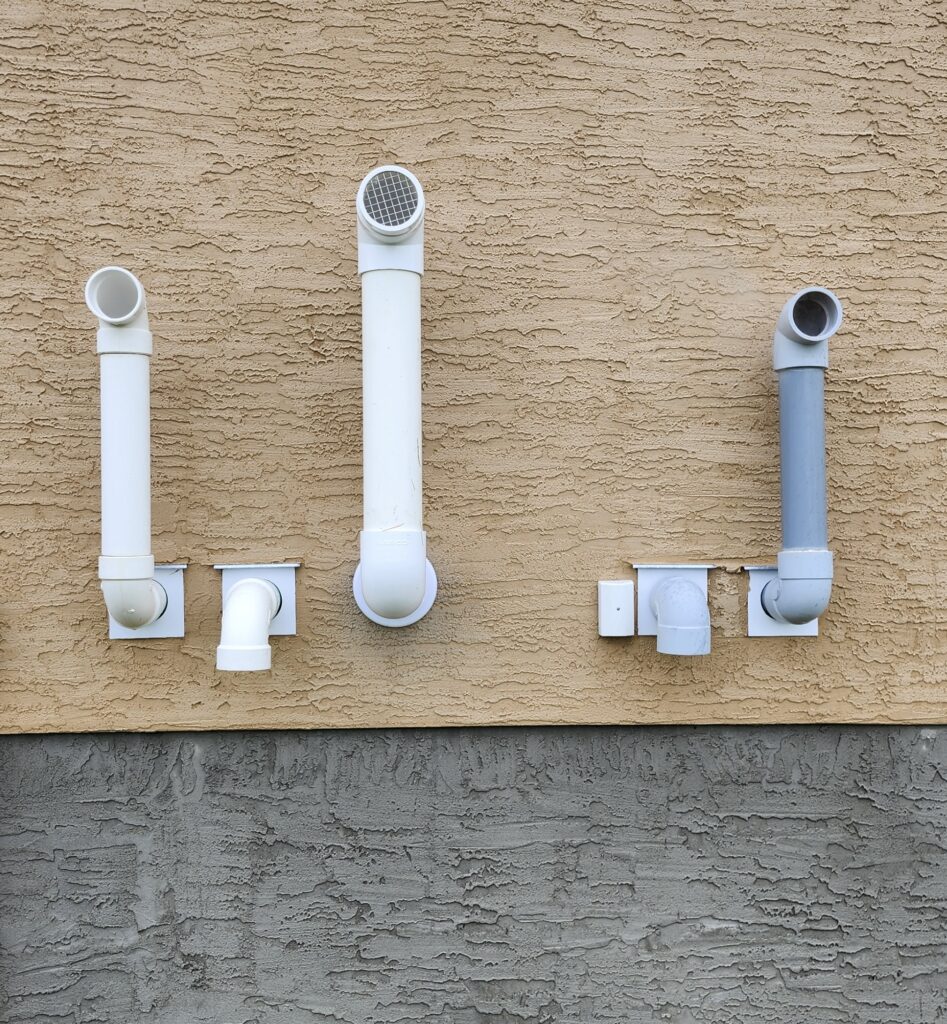
Credit: radoncare.ca
Frequently Asked Questions
How Often Should Radon Mitigation Systems Be Inspected?
Radon mitigation systems should be inspected annually to ensure they work properly. Regular checks prevent system failures and keep radon levels low.
What Maintenance Does A Radon Mitigation System Require?
Maintenance includes checking the fan operation, seals, and pipes for damage. Clean or replace filters if applicable to maintain airflow and system efficiency.
Can I Maintain My Radon System Myself?
Basic visual inspections can be done by homeowners. However, professional maintenance is recommended yearly for thorough system evaluation and repairs.
How Do I Know If My Radon System Needs Repair?
Signs include increased radon levels, unusual noises, or visible damage to system parts. Regular testing helps detect issues early for timely repairs.
Conclusion
Radon mitigation systems work best with regular care. Check the system at least once a year. Clean or replace parts as needed to keep it running well. Testing your home for radon levels helps catch issues early. A well-maintained system keeps your family safer from radon gas.
Small efforts now can prevent big problems later. Don’t forget—keeping the system in good shape matters a lot. Stay safe and breathe easier with proper maintenance.
Leave a Reply