Are you curious about what it takes to keep airplanes flying safely? Understanding an Associate in Aircraft Maintenance Technology could be your first step toward an exciting career in aviation.
This degree opens doors to hands-on work with aircraft systems, engines, and safety checks. If you want to know how this program can shape your future and what skills you’ll gain, keep reading. By the end, you’ll see why this path might be the perfect fit for your goals.
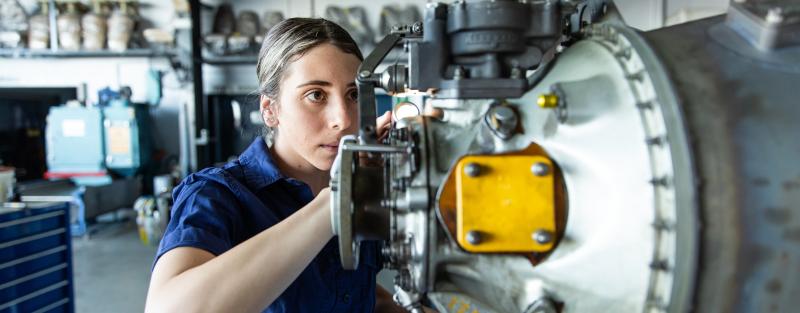
Credit: www.aims.edu
Aircraft Maintenance Technology Basics
Aircraft Maintenance Technology Basics delves into the essential knowledge and skills necessary for maintaining and repairing aircraft. As someone intrigued by aviation, you might wonder how these colossal machines stay in the sky. It’s not just about fixing what’s broken; it’s about ensuring every component functions flawlessly.
Core Skills And Knowledge
Understanding the core skills and knowledge in Aircraft Maintenance Technology is crucial. You’ll learn about the mechanical and electronic systems that keep aircraft operational. Mastery in areas like hydraulics, pneumatics, and avionics is vital.
Attention to detail is your best ally. Spotting a minor flaw could prevent major mishaps. Imagine having the power to keep a plane safe and functional—it’s both a responsibility and a privilege.
Regular training keeps your skills sharp. The aviation industry evolves, and so should your expertise. Are you ready to embrace continuous learning?
Roles In Aircraft Maintenance
In the world of aircraft maintenance, roles are diverse yet interconnected. You could be a technician focusing on preventive maintenance, ensuring aircraft operate smoothly without hiccups. Or you might specialize in diagnostics, identifying issues that others might miss.
Each role demands precision and dedication. Whether you’re replacing an engine component or checking the landing gear, every task matters. Can you see yourself as part of a team that keeps aviation safe?
Collaboration is key. Working alongside engineers, pilots, and other specialists, you contribute to seamless aviation operations. Your role, no matter how small, plays a part in the bigger picture of flight safety.
Associate Degree Overview
The Associate in Aircraft Maintenance Technology degree prepares you for a hands-on career in aviation. This program equips you with essential skills to inspect, repair, and maintain aircraft, ensuring safety and compliance with industry standards. Understanding the structure and coursework of the program helps you decide if this path fits your goals.
Program Duration And Structure
Typically, the program takes about two years to complete if you attend full-time. Some schools offer flexible schedules, including evening and weekend classes, to fit your lifestyle. You’ll split your time between classroom learning and practical lab work, balancing theory with real-world application.
Many programs also include internships or cooperative training opportunities. These experiences let you work alongside licensed aircraft mechanics, offering valuable insights and networking chances. Ask yourself: How important is hands-on experience to your learning style?
Typical Coursework
The coursework covers a range of topics essential to aircraft maintenance. You’ll study:
- Aircraft systems and components
- Basic electricity and electronics
- Engine repair and troubleshooting
- Airframe structures and materials
- Federal Aviation Regulations (FARs) and safety protocols
Labs complement lectures by letting you practice skills like engine disassembly and avionics troubleshooting. This mix ensures you not only understand how things work but can also fix them when they don’t. Consider which subjects excite you most—this insight can guide your future specialization.
Key Subjects Covered
The Associate in Aircraft Maintenance Technology program covers a variety of subjects essential to building your expertise in aircraft upkeep and repair. These key topics ensure you gain both the theoretical knowledge and hands-on skills needed to excel in this field. Understanding what you will study helps you prepare for the challenges you’ll face in aircraft maintenance careers.
Aerodynamics And Systems
Learning about aerodynamics gives you insight into how aircraft fly and respond to different forces. You will study the principles behind lift, drag, thrust, and weight, which helps you understand why certain maintenance tasks are crucial. Additionally, courses cover aircraft systems such as engines, hydraulics, and electrical setups, making you familiar with the complex machinery you will work on.
Have you ever wondered how a tiny fault in a hydraulic system can affect an entire flight? Knowing these systems inside and out prepares you to identify and fix problems before they become safety risks.
Maintenance Procedures
This subject teaches you the step-by-step processes needed to inspect, repair, and maintain aircraft components. You will learn how to use diagnostic tools and follow manufacturer guidelines strictly. Practical exercises emphasize accuracy and attention to detail, which are critical for preventing failures.
Imagine being responsible for the safety of hundreds of passengers because you performed a single maintenance check. Mastering these procedures ensures you carry out your duties with confidence and precision.
Safety Protocols
Safety is the foundation of every maintenance task you perform. This subject covers regulations, best practices, and emergency protocols to keep you and the aircraft safe. You will also learn about hazardous materials handling and personal protective equipment.
Do you know how a small oversight in safety steps could lead to severe consequences? Understanding and applying safety protocols protects lives and maintains the integrity of the aircraft.
Certification And Licensing
Certification and licensing are crucial steps after completing an Associate in Aircraft Maintenance Technology. They validate your skills and allow you to work legally on aircraft. Without proper certification, your knowledge remains just theoretical, limiting your career opportunities.
Faa Certification Process
The Federal Aviation Administration (FAA) oversees the certification of aircraft maintenance technicians in the United States. To get certified, you must pass written, oral, and practical exams that test your knowledge and hands-on skills.
Usually, you’ll start with the Airframe and Powerplant (A&P) certification, which covers the major components of aircraft. Before applying, the FAA requires you to complete 18 months of practical experience on airframes or powerplants, or 30 months for both combined.
Think about how this experience deepens your understanding beyond textbooks. It prepares you for real-world challenges you’ll face on the job. Are you ready to commit to this level of hands-on learning?
Benefits Of Certification
- Legal Authorization:Certification lets you legally perform maintenance on aircraft, a must in this regulated industry.
- Career Growth:Certified technicians often earn higher salaries and have better job stability.
- Employer Trust:Employers prefer certified professionals because they meet industry standards and reduce liability risks.
- Personal Confidence:Certification proves your competence, boosting your confidence in handling complex repairs.
Without certification, you might miss out on many job offers or promotions. It’s not just a piece of paper; it’s your passport to a professional career in aircraft maintenance. What’s stopping you from taking this important step?
Career Opportunities
Career opportunities in Aircraft Maintenance Technology are varied and promising. Graduates can find roles in many parts of the aviation industry. These jobs require technical skills and attention to detail. The demand for skilled aircraft technicians remains steady as air travel grows worldwide.
Job Roles And Responsibilities
Aircraft maintenance technicians inspect and repair aircraft systems. They check engines, electronics, and structural parts. Technicians ensure planes are safe for flight. Regular maintenance helps prevent accidents and delays. Some common job titles include:
- Aircraft Maintenance Technician
- Avionics Technician
- Line Maintenance Technician
- Quality Control Inspector
Responsibilities often involve troubleshooting issues, replacing parts, and performing routine checks. Accurate record-keeping is essential. Technicians follow strict safety regulations and procedures.
Employment Sectors
Graduates can work in various sectors of the aviation industry. These include:
- Commercial Airlines
- Private Aviation Companies
- Aircraft Manufacturing Firms
- Maintenance, Repair, and Overhaul (MRO) Centers
- Government and Military Aviation Units
Each sector offers unique challenges and work environments. Job locations vary from airports to specialized workshops. The skills gained open doors to global career paths.
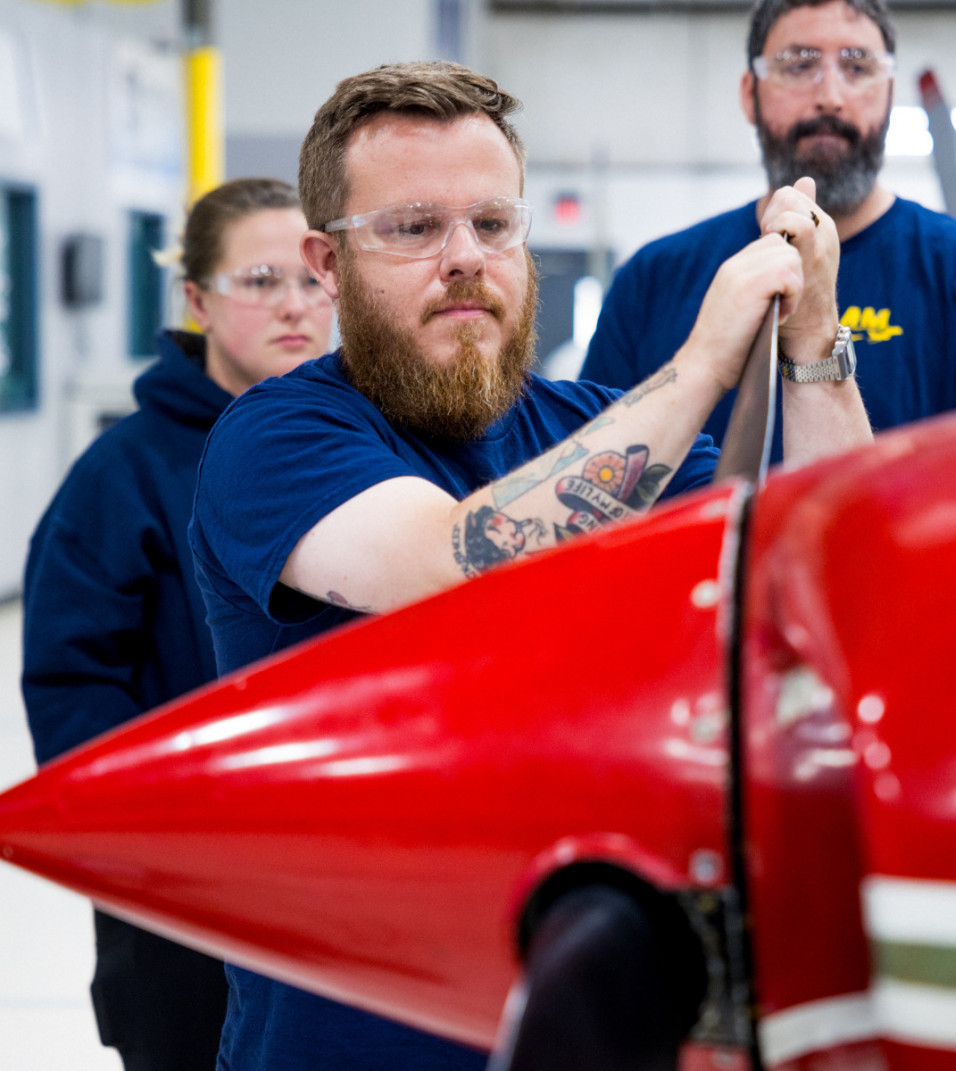
Credit: aviationmaintenance.edu
Skills For Success
Success in aircraft maintenance technology depends on a mix of skills. These skills help you work safely and efficiently. They also ensure aircraft stay reliable and safe for passengers. Developing these abilities prepares you for the demands of the job.
Technical Abilities
Technical skills are essential for aircraft maintenance. You learn to read blueprints and manuals clearly. Understanding engines, electrical systems, and hydraulics is important. Hands-on skills include using tools and testing equipment. Precision and attention to detail keep aircraft in top shape. These abilities ensure every part works as it should.
Problem-solving And Communication
Problem-solving skills help you find and fix issues fast. You analyze problems to decide the best fix. Clear communication with team members improves safety and work quality. You explain technical information in simple terms. Listening carefully to feedback avoids mistakes. These skills make teamwork smooth and effective.
Choosing The Right Program
Choosing the right Associate in Aircraft Maintenance Technology program is a crucial step toward a successful career in aviation. The program you select can shape your skills, job opportunities, and long-term growth. What factors should you weigh carefully to ensure your investment pays off?
Accreditation Importance
Accreditation is more than just a certificate on the wall. It guarantees that the program meets industry standards and provides quality education.
Employers often prefer graduates from accredited programs because they trust the training aligns with federal aviation regulations. You might spend time and money on a program only to find your certificate isn’t recognized by the FAA or potential employers.
Always check if the program has accreditation from reputable agencies like the FAA or the Aviation Accreditation Board International (AABI). This step ensures your education counts where it matters most.
Hands-on Training Options
Theoretical knowledge alone won’t make you a skilled aircraft maintenance technician. You need hands-on experience to understand the real-world challenges of maintaining aircraft.
Look for programs that offer practical labs, internships, or partnerships with airlines and maintenance facilities. These opportunities allow you to work directly with aircraft systems and tools.
Ask current students or alumni how much time they spent actually working on planes versus just reading textbooks. Your confidence and competence grow with every real-life task you perform.
Salary Expectations
Understanding salary expectations is crucial when considering an Associate in Aircraft Maintenance Technology. Your earnings can shape your career decisions and lifestyle choices. Knowing what to expect helps you plan better and negotiate confidently.
Entry-level Salaries
Starting salaries for those with an associate degree in aircraft maintenance typically range between $40,000 and $55,000 annually. This depends on the employer and location. In some cases, smaller companies or regional airports may offer lower wages, while larger airlines often pay more.
Early in your career, gaining hands-on experience can boost your value quickly. I once knew a technician who increased his salary by 15% after just one year on the job by earning additional certifications. Are you ready to invest in yourself to speed up your salary growth?
Factors Influencing Pay
Several factors affect how much you can earn in this field. Location plays a significant role; cities with busy airports tend to offer higher pay. Your certifications and specializations also make a difference—having FAA certifications or expertise in specific aircraft models can increase your salary.
Years of experience matter too. Employers often reward those who have demonstrated reliability and skill over time. Additionally, the type of employer—commercial airlines, private companies, or government agencies—can influence your paycheck. How will you leverage these factors to maximize your earnings?
Advancement And Further Education
The Associate in Aircraft Maintenance Technology opens many doors for career growth. It provides a strong base for further learning and skill development. Advancing in this field helps you stay current with new aviation technologies and standards. It also increases job opportunities and potential earnings.
Continuing Education Paths
After earning an associate degree, several education paths are available. Many choose to pursue a bachelor’s degree in aerospace engineering or aviation management. Others attend specialized courses or certification programs to enhance their knowledge. These options help technicians gain advanced skills and qualify for higher positions.
Some common continuing education paths include:
- Bachelor’s degree in aviation-related fields
- FAA certification courses
- Technical workshops and seminars
- Online training programs
Specialization Opportunities
Specializing in a specific area of aircraft maintenance can improve expertise and job prospects. Many technicians focus on areas like avionics, propulsion systems, or airframe repair. Specialization often requires additional training or certification. It allows technicians to work on complex systems or in niche roles.
Popular specialization fields include:
- Avionics technician
- Powerplant mechanic
- Structural repair specialist
- Quality control inspector
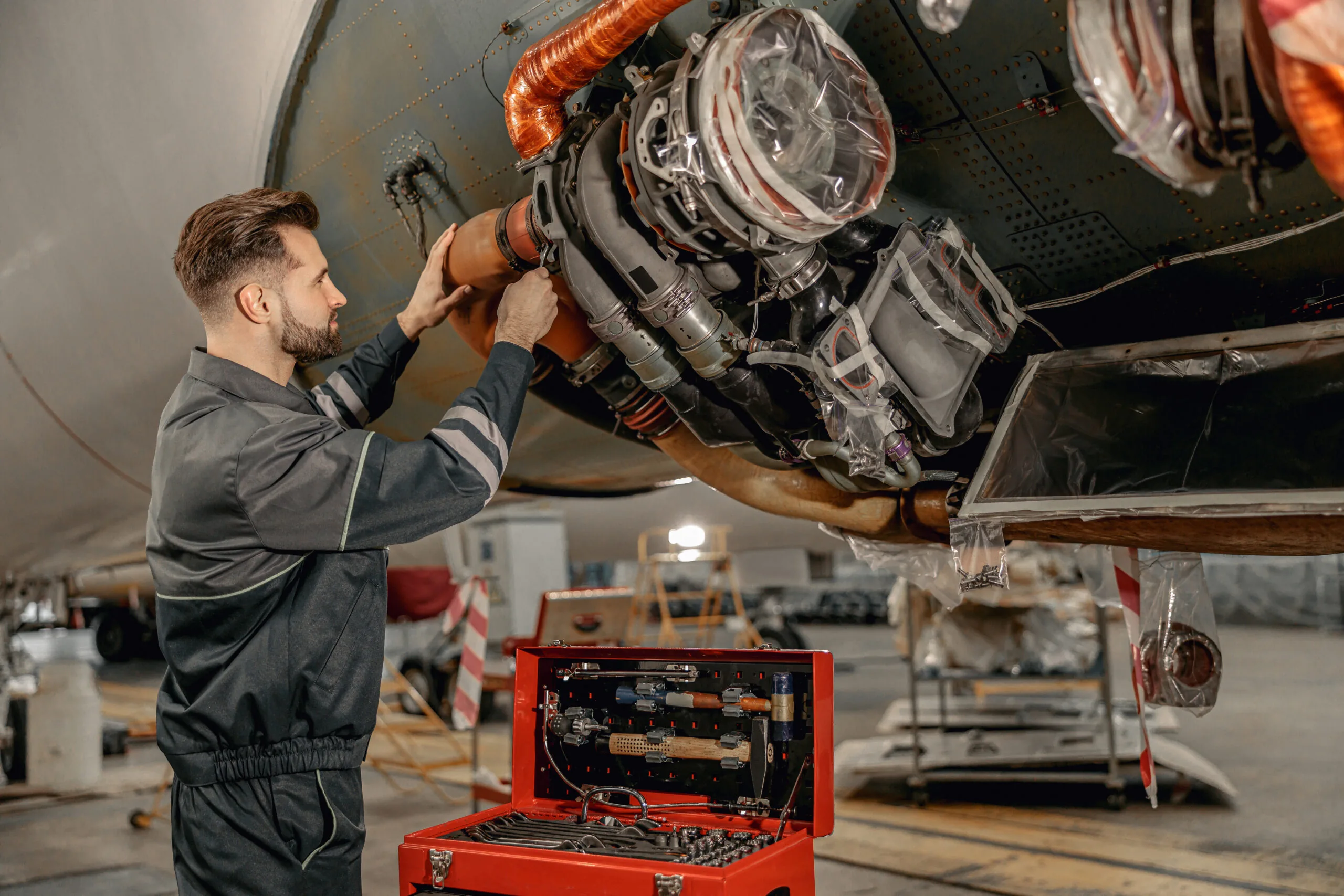
Credit: calaero.edu
Frequently Asked Questions
What Is An Associate In Aircraft Maintenance Technology?
An Associate in Aircraft Maintenance Technology is a two-year degree focusing on aircraft inspection, repair, and maintenance. It prepares students for FAA certification and careers in aviation maintenance.
How Long Does The Program Usually Take?
The program typically takes about two years to complete. It includes both classroom learning and hands-on training.
What Skills Do You Learn In This Degree?
You learn skills in aircraft systems, troubleshooting, repair, safety protocols, and FAA regulations. These skills prepare you for real-world aviation maintenance tasks.
Can This Degree Lead To Faa Certification?
Yes, the program meets FAA requirements. Graduates are eligible to take the FAA Airframe and Powerplant (A&P) certification exams.
Conclusion
An Associate in Aircraft Maintenance Technology teaches key skills for aircraft care. It prepares students to keep planes safe and working well. This degree opens doors to jobs in aviation repair and inspection. Training includes hands-on work with engines and electronics.
Graduates play a vital role in air travel safety. Choosing this path can lead to a steady and rewarding career. Many find it a smart step toward a future in aviation. A clear understanding of this degree helps make informed career choices.
Leave a Reply