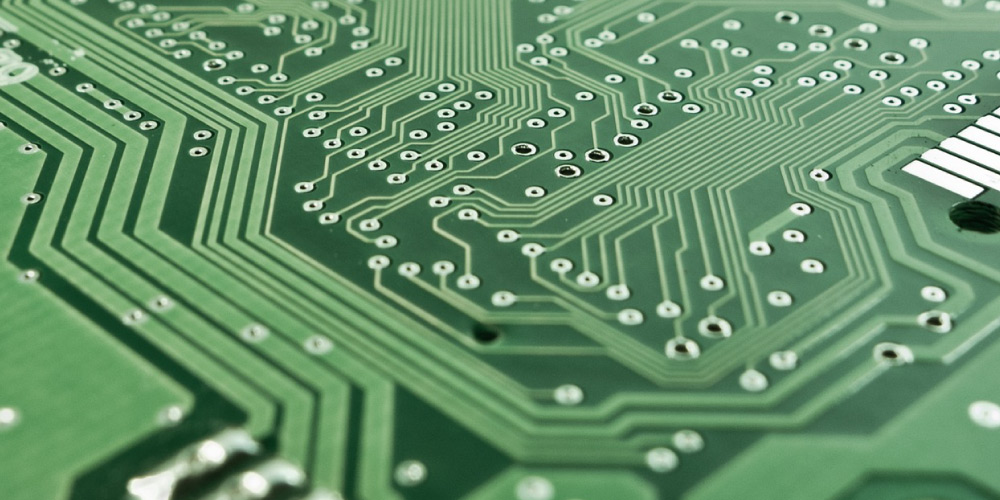
Have you ever wondered what makes your smartphone, laptop, or TV work so smoothly? The secret lies in tiny pieces of precious metal hidden inside these devices.
These metals are not just shiny—they play a crucial role in keeping your electronics fast, reliable, and durable. If you want to know which precious metal is at the heart of your favorite gadgets, keep reading. Understanding this can give you a new appreciation for the technology you use every day.
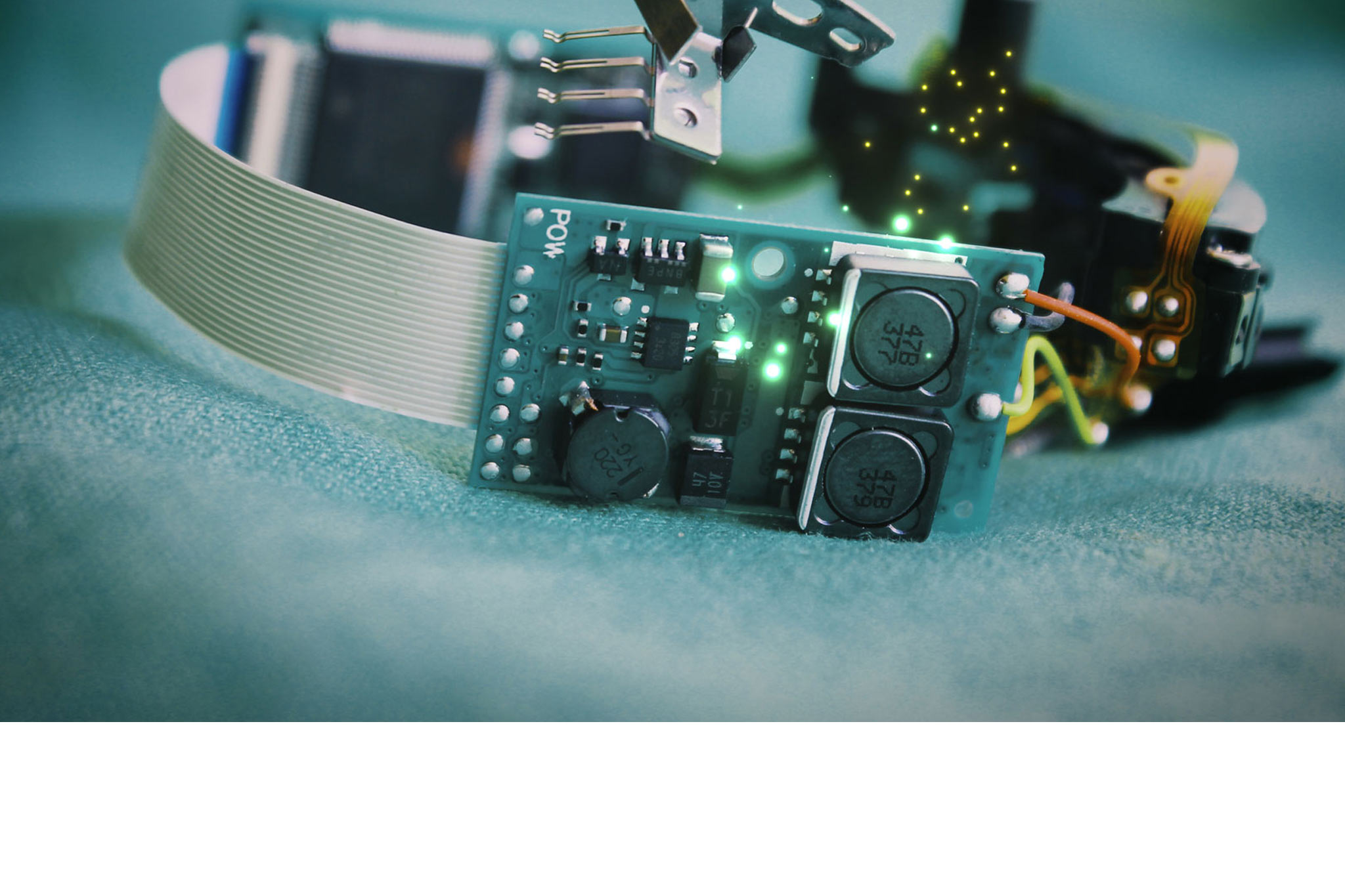
Credit: recomgmbh.com
Precious Metals In Electronics
In our fast-paced digital world, the significance of precious metals in electronics cannot be overstated. These metals are the unsung heroes behind the seamless operation of your gadgets. They ensure that your devices are not only efficient but also long-lasting.
Why Precious Metals Matter
Have you ever wondered why your smartphone charges quickly or your laptop runs smoothly? It’s because precious metals like gold and silver are excellent conductors of electricity. They help in reducing energy loss and improving performance.
But it’s not just about efficiency. These metals are also highly resistant to corrosion, making them perfect for enhancing the durability of electronic components. Imagine having to replace your device every year due to rust or wear and tear—quite inconvenient, right?
Moreover, precious metals play a crucial role in miniaturization. Their properties allow manufacturers to create smaller and more compact devices without compromising functionality. So, the next time you’re amazed by a sleek gadget, thank the precious metals hidden inside.
Commonly Used Metals
Gold is undoubtedly the superstar among precious metals used in electronics. Its excellent conductivity and resistance to tarnish make it ideal for connectors and circuit boards. That’s why your smartphone likely has a tiny bit of gold in it.
Silver comes next, known for its superior conductivity. It’s often used in switches and contacts, ensuring your device responds quickly to your commands. Imagine typing a message and having to wait for each letter to appear—thankfully, silver prevents that lag.
Palladium, though less talked about, is equally important. It’s used in multilayer ceramic capacitors, which are essential for stable power supply in your devices. Without palladium, your gadgets might not handle power fluctuations well.
These metals might sound exotic, but they play a practical role in your everyday life. Next time you use your favorite device, take a moment to appreciate the precious metals at work behind the scenes. How different would your world be without them?
Credit: www.samaterials.com
Gold In Electronics
Gold plays a vital role in electronics. Its unique traits make it ideal for tiny electronic parts. The metal does not corrode or rust, which helps devices last longer. Its excellent ability to conduct electricity ensures efficient performance. Gold’s use in electronics increases reliability and durability.
Properties That Suit Electronics
- Highly conductive, allowing smooth electrical flow
- Resists corrosion and tarnish over time
- Soft and malleable, easy to shape in small parts
- Stable under various temperatures and environments
- Non-reactive, preventing interference with signals
Applications In Components
Gold is common in connectors and switches. It coats contacts to improve signal quality. Thin gold layers appear on circuit board connectors. Microchips often use gold wiring for connections. Gold bonding wires link tiny parts inside chips. It also finds use in mobile phones, computers, and other gadgets.
Silver’s Role In Electronics
Silver plays a vital role in making electronic components. It is a precious metal highly valued for its unique properties. Silver’s excellent conductivity and durability make it an ideal choice for various electronic parts. This section explores how silver supports the electronics industry and why it remains essential in modern devices.
Conductivity And Benefits
Silver has the highest electrical conductivity of all metals. This means it allows electric current to pass through it with very little resistance. Its thermal conductivity is also superior, helping electronics manage heat better. Silver resists corrosion and tarnish, which ensures long-lasting performance. These benefits improve the reliability and efficiency of electronic components.
Typical Uses
Silver is widely used in several electronic parts. It appears in:
- Printed circuit boards (PCBs) for connecting circuits
- Conductive inks and pastes in flexible electronics
- Contacts and switches to ensure smooth electrical flow
- Silver plating on connectors to reduce wear and corrosion
- Soldering alloys for strong, conductive joints
Its use helps devices run smoothly and last longer.
Platinum And Palladium Uses
Platinum and palladium play crucial roles in the electronics industry due to their unique properties. These precious metals enhance the performance and longevity of various electronic components. Understanding their uses can help you appreciate the value they add to your everyday devices.
Durability And Stability
Platinum and palladium are highly resistant to corrosion and oxidation. This quality ensures that electronic components last longer even under harsh conditions. Their excellent conductivity combined with stability makes them ideal for critical parts in electronics.
Have you ever wondered why some electronics withstand heat better than others? The answer often lies in these metals’ ability to maintain performance without degrading. This durability saves you money by reducing the need for frequent repairs or replacements.
Where They Appear
You’ll find platinum and palladium in several key electronic parts. They are commonly used in multilayer ceramic capacitors, which regulate voltage and filter signals in devices. Also, these metals appear in connectors and contacts, ensuring reliable electrical connections.
- Hard disk drives and other data storage devices
- Fuel cell components in emerging electronic applications
- Catalytic converters in certain electronic sensors
Next time you handle your phone or computer, consider the tiny but vital role these metals play. Their use might be invisible, but their impact on your device’s functionality is undeniable. What other hidden elements in your gadgets do you think deserve more attention?
Other Metals In Electronics
Besides the well-known precious metals like gold and silver, several other metals play key roles in electronics. These metals may not be as famous, but they offer unique properties that make your devices work better and last longer. Understanding these metals can give you a new appreciation for the complexity inside your phone or computer.
Rhodium And Ruthenium
Rhodium and ruthenium belong to the platinum group metals and are essential in electronics for their durability and resistance to corrosion. Rhodium is often used to coat electrical contacts because it can handle high temperatures and prevent wear. Ruthenium, on the other hand, is valuable for improving the performance of resistors and memory chips.
When I learned about rhodium’s role, I was surprised to find it in something as everyday as my car’s sensors. This tiny amount of metal helps keep signals accurate, which matters when safety depends on it. Have you ever thought about how these hidden metals impact your daily tech?
Emerging Alternatives
With rising costs and supply risks, researchers are looking for new metals and materials to replace traditional precious metals in electronics. Some alternatives focus on cheaper metals that still offer good conductivity and stability. Others explore innovative materials like graphene and conductive polymers that might change the way components are made.
Imagine if your next smartphone contained less rare metal but worked even better. Could these emerging materials make electronics more affordable and eco-friendly? Staying informed about these developments helps you understand the future of technology and its impact on your choices.
Recycling Precious Metals
Recycling precious metals from electronic components is more than just a smart choice—it’s a necessity. These metals, like gold, silver, and palladium, are rare and valuable, yet they often end up as waste in discarded gadgets. Recovering them not only saves resources but also reduces the environmental footprint of mining and manufacturing.
Methods Of Recovery
Several techniques exist to extract precious metals from electronic waste efficiently. Mechanical processes, such as shredding and sorting, separate valuable parts from non-valuable materials. Chemical methods then dissolve metals from circuit boards using acids or specialized solutions.
One method gaining popularity is bioleaching, where microbes help break down metals, offering a greener alternative. Have you ever wondered how your old phone could be a goldmine? With the right process, even tiny traces of metals can be recovered and reused.
Environmental Impact
Recycling precious metals reduces the need for mining, which often damages ecosystems and consumes vast energy. However, improper recycling can release toxic chemicals harmful to both people and the environment. It’s crucial that recycling facilities follow strict guidelines to minimize pollution and safely handle hazardous materials.
By choosing to recycle your electronics responsibly, you directly contribute to a cleaner planet. What steps are you taking to ensure your discarded devices don’t harm the environment?
Future Trends In Metal Use
The future of metal use in electronics is evolving rapidly. As technology pushes boundaries, the demand for smarter, smaller, and more efficient components grows. This change challenges the industry to find metals that not only perform well but also meet new environmental and economic needs.
Innovations In Materials
New alloys and metal composites are emerging to replace traditional choices like gold and silver in electronic components. These innovations aim to reduce costs while improving conductivity and durability. For example, researchers are experimenting with graphene-based materials that might one day outperform copper in circuits.
Have you noticed how your devices are getting thinner yet more powerful? This is partly due to these advanced metals, which allow manufacturers to pack more functionality into smaller spaces. You can expect continued improvements that will make your gadgets lighter and longer-lasting.
Sustainability Focus
Recycling precious metals from old electronics is becoming a top priority. It’s a practical way to reduce mining impacts and secure a steady supply of valuable materials. Companies are investing in technologies that recover metals like palladium and platinum more efficiently from discarded devices.
Think about how many electronics you replace each year. What if those devices could give their metals a second life? This shift not only helps the environment but can also lower production costs, benefiting both manufacturers and consumers like you.

Credit: cen.acs.org
Frequently Asked Questions
What Precious Metal Is Commonly Used In Electronics?
Gold is the most commonly used precious metal in electronics. It offers excellent conductivity and resists corrosion. These properties make it ideal for connectors, switches, and circuit boards.
Why Is Gold Preferred In Electronic Components?
Gold resists tarnishing and corrosion, ensuring long-lasting performance. It also provides reliable electrical conductivity. These traits make gold a preferred choice for critical electronic parts.
Are Other Precious Metals Used In Electronics?
Yes, silver and platinum are also used in electronics. Silver has the highest conductivity but tarnishes easily. Platinum is used in specialized components due to its stability and durability.
How Does Gold Improve Electronic Device Performance?
Gold enhances signal quality by reducing resistance and signal loss. Its corrosion resistance ensures stable connections over time. This leads to better device reliability and efficiency.
Conclusion
Gold, silver, and copper play key roles in electronics. These metals carry electricity well and resist damage. Gold prevents corrosion, keeping devices reliable. Silver offers excellent conductivity at a lower cost. Copper is common for wiring and connections. Choosing the right metal improves device performance and lifespan.
Understanding these metals helps appreciate the tech we use daily. Precious metals may cost more, but they ensure quality. Electronics depend on these elements to work smoothly and last.
Leave a Reply