Have you ever wondered how your body turns the food you eat into the energy you need every day? At the heart of this process is something called the electron transport chain, working silently inside your cells.
But what makes it so efficient? The answer lies in the membrane components that support and control this vital energy system. Understanding why these membrane parts are important can change the way you see energy production in your body—and why it matters for your health and vitality.
Keep reading to discover the key role these components play and how they keep your life powered up.
Credit: link.springer.com
Role Of Membrane In Electron Transport
The electron transport chain (ETC) is the powerhouse of cellular energy production. But have you ever wondered what makes it all possible? The secret lies in the membrane components that play a crucial role. These components are not just passive structures; they actively participate in the energy conversion process, ensuring efficiency and precision. Let’s dive into the fascinating roles they play in electron transport.
Membrane Structure And Composition
The membrane is a dynamic structure composed of a lipid bilayer embedded with proteins. Its unique composition provides the perfect environment for electron transport. The lipid bilayer ensures fluidity, allowing proteins to move and interact efficiently.
Proteins embedded within the membrane act as complexes that facilitate electron transfer. This structure is not random. It is finely tuned to support the electron transport chain’s intricate processes. Without this precise structure, the energy transfer would be far less efficient.
Localization Of Electron Transport Complexes
Have you ever thought about why the electron transport chain is so effective? It’s all about location. The complexes involved in electron transport are strategically located within the membrane. This spatial arrangement allows for optimal interaction and electron flow.
The proximity of these complexes ensures that electrons are transferred quickly and efficiently. Imagine a relay race where runners are perfectly spaced to pass the baton without delay. This precise localization is crucial for maintaining the chain’s momentum and energy output.
Reflect on this: How different would cellular energy production be without this meticulous organization? The membrane not only hosts these complexes but also orchestrates their function, ensuring your cells have the energy needed to thrive.

Credit: library.fiveable.me
Key Membrane Components
The electron transport chain (ETC) is a vital process in cellular energy production, and its efficiency hinges on specific membrane components. These components work together to transfer electrons and pump protons, creating the energy currency your cells need. Understanding these key players helps you appreciate why the ETC functions smoothly and what could happen if any part malfunctions.
Protein Complexes And Their Functions
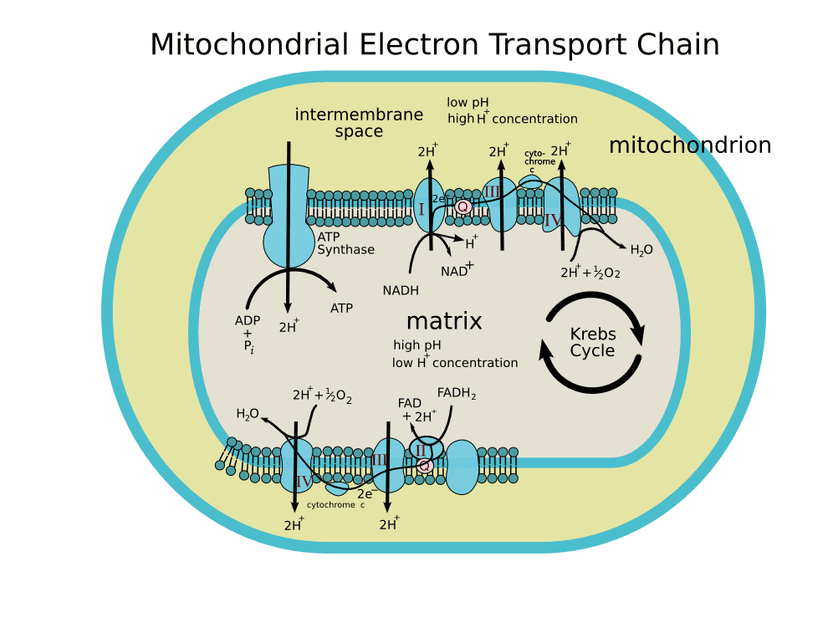
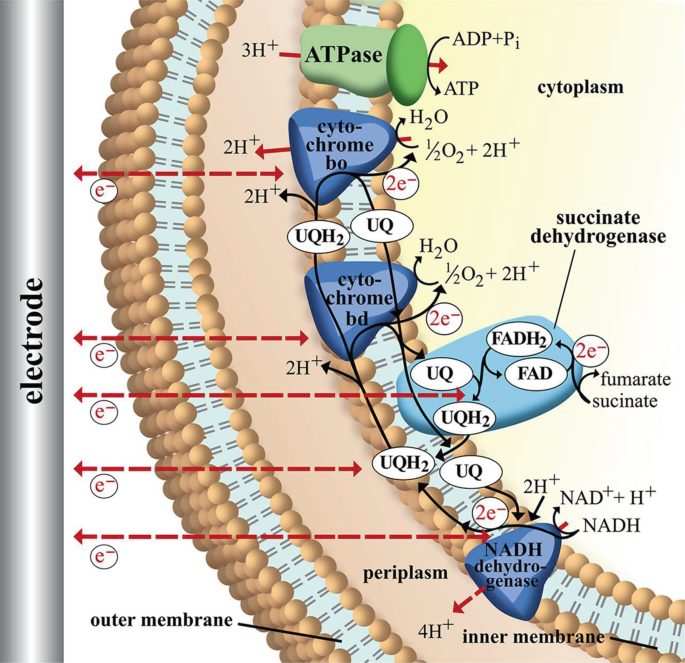
The ETC relies on several protein complexes embedded in the inner mitochondrial membrane. Each complex has a unique role in transferring electrons and moving protons across the membrane.
- Complex I (NADH dehydrogenase):accepts electrons from NADH and pumps protons into the intermembrane space, starting the energy conversion process.
- Complex II (Succinate dehydrogenase):feeds electrons from FADH2 into the chain but does not pump protons.
- Complex III (Cytochrome bc1 complex):transfers electrons from ubiquinol to cytochrome c and pumps protons to strengthen the proton gradient.
- Complex IV (Cytochrome c oxidase):completes the chain by transferring electrons to oxygen, forming water and pumping additional protons.
Each of these complexes acts like a station in a factory line, passing electrons along while building the energy gradient your cells depend on. Have you ever considered how a single defective complex could disrupt your entire energy production?
Lipid Environment And Its Impact
The inner mitochondrial membrane isn’t just a passive barrier—it’s packed with lipids that create the perfect environment for protein complexes to function. Cardiolipin, a special lipid, plays a critical role here.
Cardiolipin stabilizes protein complexes and helps them stay in the right shape and place. Without this lipid, the complexes might lose efficiency or even fall apart.
Think about the last time you tried to assemble a puzzle on an uneven surface—it’s harder to keep the pieces in place. Similarly, the lipid environment ensures that protein complexes fit perfectly to keep the electron transport chain running smoothly.
Electron Flow And Proton Gradient
The electron transport chain (ETC) depends heavily on membrane components. These components guide electrons through a series of proteins and complexes. This electron flow creates a proton gradient across the membrane. The proton gradient stores energy needed for ATP production. Understanding this process explains why membranes are vital for cell energy.
Electron Transfer Pathways
Electrons move through specific proteins embedded in the membrane. These proteins include Complex I, II, III, and IV. Each complex passes electrons in a stepwise manner. This transfer releases energy gradually, preventing loss as heat. Electrons come from molecules like NADH and FADH2.
The membrane’s structure holds these complexes in the right order. This setup ensures smooth electron flow and efficient energy use. Without this organization, electrons would scatter, reducing energy production.
Proton Pumping Mechanism
As electrons move, some complexes pump protons across the membrane. This action creates a higher proton concentration outside the inner membrane. The difference in proton concentration forms an electrochemical gradient.
This gradient acts like a battery. Protons flow back into the mitochondrial matrix through ATP synthase. This flow drives ATP synthesis, the cell’s main energy source.
Membrane components are crucial for proton pumping. They provide the path and structure for proton movement. Without these components, the proton gradient cannot form, and ATP production stops.

Credit: www.dreamstime.com
Energy Conversion Efficiency
Energy conversion efficiency is a key factor in how cells generate the power they need to survive and function. The electron transport chain (ETC) is central to this process, transforming energy from nutrients into a usable form—ATP. Understanding the role of membrane components reveals how cells optimize this energy transformation with remarkable precision.
Role Of Membrane Integrity
The mitochondrial membrane acts like a gatekeeper, maintaining the environment required for efficient energy conversion. If the membrane loses its integrity, protons leak back across, reducing the proton gradient essential for ATP production.
Think about a dam holding back water: if cracks appear, water escapes and energy potential drops. Similarly, a compromised membrane lowers the cell’s ability to convert energy efficiently, leading to wasted resources.
You might wonder how delicate this balance is—just a slight disruption can cause significant energy loss. This highlights why preserving membrane integrity is crucial for optimal cell function.
Coupling Electron Transport To Atp Synthesis
The membrane’s structure enables the ETC to pump protons into the intermembrane space, creating a gradient. This stored energy drives ATP synthase to add phosphate groups to ADP, forming ATP—the cell’s energy currency.
Without the membrane’s tight control, electron transport and ATP synthesis would become uncoupled. The energy from electrons would dissipate as heat rather than being captured as ATP.
Have you ever noticed how your body feels when energy is low? That’s your cells signaling inefficient ATP production. Ensuring the membrane components function properly keeps this coupling intact, supporting your energy needs effectively.
Membrane Dynamics And Adaptations
The membrane components in the electron transport chain (ETC) are not static. They change and adapt to keep the chain working efficiently. These adaptations help the cell respond to different needs and stresses. Membrane dynamics ensure the ETC can maintain energy production under various conditions.
Membrane Fluidity Effects
Membrane fluidity affects how proteins and lipids move within the membrane. This movement is essential for the ETC complexes to interact properly. Higher fluidity allows better diffusion of molecules like coenzyme Q and cytochrome c. It helps the electron carriers pass electrons smoothly between complexes.
Temperature changes influence membrane fluidity. At low temperatures, membranes become rigid, slowing down electron transport. Cells adjust lipid composition to keep membranes fluid. They add more unsaturated fatty acids to prevent stiffness. This keeps the electron transport chain active even in cold conditions.
Response To Environmental Changes
ETC membranes adapt to oxygen levels and nutrient availability. Low oxygen triggers changes in membrane proteins to optimize energy use. Cells may produce alternative enzymes or shift electron flow pathways. This helps survive low oxygen or stress.
Stress from toxins or pH changes can damage membrane components. Cells repair or replace damaged lipids and proteins quickly. This repair protects the ETC and maintains energy production. Membrane adaptation is a key survival mechanism for cells facing harsh environments.
Implications For Cellular Metabolism
The membrane components of the electron transport chain play a key role in cellular metabolism. These components help move electrons through the chain and create a proton gradient. This gradient powers ATP production, the cell’s main energy source. Without well-functioning membrane parts, cells cannot produce energy efficiently.
Energy production directly affects how cells grow, divide, and perform vital tasks. Changes in membrane components can disturb this process and reduce energy output. Such disruptions can slow down metabolism and impair overall cell function. Understanding these implications helps explain the link between electron transport and health.
Impact On Respiratory Efficiency
Membrane components control the flow of electrons and protons. Proper function ensures maximum ATP output from oxygen and nutrients. If these components fail, electron flow becomes inefficient. This lowers ATP production and increases harmful byproducts like reactive oxygen species.
Poor respiratory efficiency means cells have less energy to perform tasks. High energy demand tissues, like muscles and the brain, suffer most. Efficient membranes help balance energy needs with oxygen use, supporting healthy cell function.
Relation To Metabolic Disorders
Faulty membrane components link to many metabolic disorders. Problems in the electron transport chain cause energy deficits and oxidative stress. These effects contribute to diseases such as diabetes and neurodegenerative disorders.
Research shows that mutations or damage to these components disrupt metabolism. This disruption leads to symptoms like fatigue, muscle weakness, and organ dysfunction. Targeting membrane health offers potential for new treatments in metabolic diseases.
Frequently Asked Questions
What Role Do Membrane Components Play In Electron Transport?
Membrane components anchor electron carriers, enabling efficient electron transfer. They create a controlled environment for energy conversion in cells.
Why Is Membrane Fluidity Crucial In Electron Transport Chain?
Membrane fluidity allows electron carriers to move and interact. This movement is essential for proper electron flow and ATP production.
How Do Membrane Proteins Contribute To Energy Production?
Membrane proteins facilitate electron transfer and proton pumping. They help generate the proton gradient needed for ATP synthesis.
Can Electron Transport Occur Without Membrane Components?
No, membrane components are essential for organizing and supporting electron carriers. Without them, energy production in cells is disrupted.
Conclusion
Membrane components play a key role in the electron transport chain. They help move electrons and create energy efficiently. Without these parts, cells cannot produce enough energy to survive. They keep the process organized and fast. This makes life possible for all organisms.
Understanding their importance helps us learn how cells work. It also shows why energy production is steady and reliable. These tiny parts make a big difference in living things.
Leave a Reply