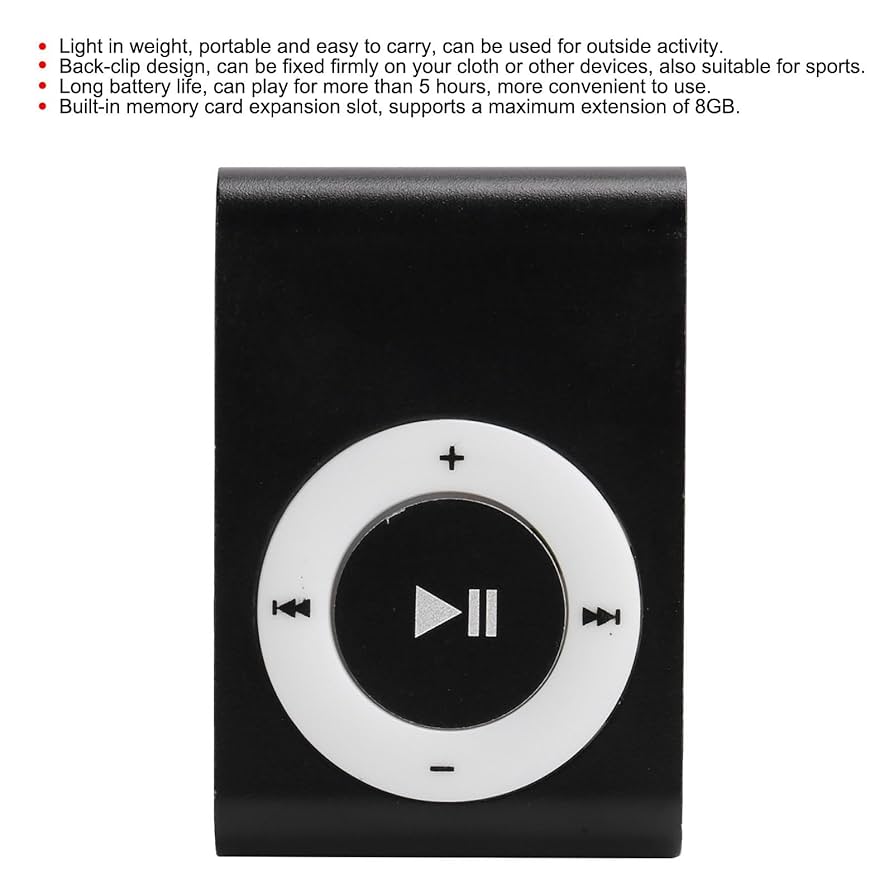
Have you ever wondered what makes your MP3 player work so smoothly? Behind every song you enjoy, there’s a complex world of electronic components working together.
If you’re curious about how a manufacturer builds these devices, this article will give you a clear look inside. You’ll discover the key parts that bring your favorite music to life and why each component matters. Keep reading to understand how your MP3 player truly comes alive.
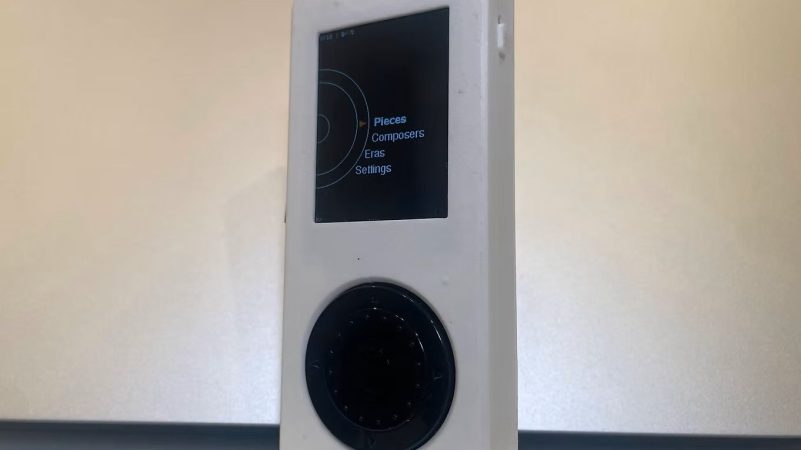
Credit: hackaday.com
Role Of Electronic Components
Electronic components play a crucial role in the manufacturing of MP3 players. These tiny parts form the backbone of the device, ensuring it functions smoothly. Each component contributes to the overall performance and quality of the MP3 player.
Key Components In Mp3 Players
MP3 players rely on several key electronic components to operate effectively:
- Microprocessor:Acts as the brain, processing audio files.
- Memory Storage:Stores music files for playback.
- Digital-to-Analog Converter (DAC):Converts digital files to sound.
- Battery:Powers the device for portable use.
- Amplifier:Boosts sound signals for headphones or speakers.
- Display Screen:Shows track information and settings.
Advancements In Component Technology
Technology advancements have improved MP3 player components. Modern processors are faster and more efficient. They handle larger files and support multiple formats. Storage capacities have increased, allowing more songs to be stored. This means users enjoy longer playlists.
Battery technology has also evolved. Newer batteries last longer and charge faster. Improved DACs deliver higher sound quality. This enhances the listening experience for audiophiles. Display screens now offer better resolution and touch capabilities. This makes navigating the device simpler and more intuitive.
Innovation In Mp3 Design
Innovation in MP3 design drives the development of better devices. Manufacturers use advanced electronic components to enhance user experience. These improvements focus on size, power, and functionality. The goal is to deliver compact, long-lasting, and easy-to-use MP3 players. Below are key areas of innovation in MP3 design.
Miniaturization And Portability
MP3 players have become smaller and lighter. Electronic components shrink without losing power or quality. This miniaturization allows devices to fit easily in pockets or bags. Users enjoy carrying music anywhere without bulk. Smaller circuit boards and microchips play a big role. Designers focus on making every part compact and efficient.
Improved Battery Efficiency
Long battery life is essential for MP3 players. Advances in battery technology provide longer playback times. Low-power electronic parts reduce energy use during operation. Efficient power management helps players run for hours on a single charge. This means more music and less time charging. Users benefit from reliable, all-day performance.
Impact On User Experience
The electronic components used in manufacturing MP3 players directly shape how you experience music. Every chip and circuit impacts the clarity, responsiveness, and ease of use. Let’s look at how these elements influence your daily interaction with these devices.
Enhanced Sound Quality
High-quality electronic components improve sound clarity and reduce distortion. You can hear details in your favorite songs that were previously masked by noise or poor audio processing. This means richer bass, clearer vocals, and a more immersive listening experience.
Think about the last time you noticed a crisp guitar riff or a subtle background harmony on your MP3 player. That’s the result of precise components working behind the scenes. If your device uses inferior parts, you might miss out on these nuances.
Would you prefer a player that makes every song sound like a live concert or one that flattens the music to a dull playback? The choice of components answers that question every time you press play.
User Interface Improvements
Electronic components also affect how smoothly your MP3 player responds to your commands. Better sensors and processors mean menus load faster, buttons react instantly, and touchscreen controls feel natural. This reduces frustration and enhances overall enjoyment.
Imagine navigating through your playlists without lag or accidental skips. Smooth user interfaces let you focus on the music, not on fighting the device. Components that support intuitive interaction make your MP3 player feel like an extension of yourself.
How often have you quit using a gadget because it was too clunky to operate? Investing in quality components can prevent that, keeping you connected with your music longer.

Credit: www.amazon.com
Challenges In Component Sourcing
Sourcing electronic components for MP3 player manufacturing comes with many challenges. Finding the right parts in time is difficult. Delays can stop production and raise costs. Components must meet strict quality standards to ensure device reliability. Manufacturers face constant pressure to balance cost, quality, and delivery speed.
Supply Chain Constraints
Supply chains for electronic parts are complex and often fragile. Shortages of key components cause production delays. Shipping issues and customs hold-ups add more problems. Some parts depend on rare materials, increasing risk. Disruptions in one region can affect the whole supply chain. Manufacturers must plan carefully to avoid running out of parts.
Quality Control Measures
Maintaining high quality in components is essential. Faulty parts can cause product failures and returns. Manufacturers test components at multiple stages. They work only with trusted suppliers. Regular audits ensure suppliers keep quality high. Strict quality control reduces waste and improves customer trust.
Future Trends In Mp3 Technology
The world of MP3 players is evolving fast. New technology shapes how these devices work and interact. Electronic components play a key role in this change. Future MP3 players will offer more than just music playback. They will connect with other gadgets and focus on being kind to the environment.
Integration With Smart Devices
MP3 players will connect easily with smartphones and smartwatches. This helps users control music without switching devices. Voice commands and touch controls will become common. Syncing playlists and sharing files will be simple and quick. This integration makes MP3 players more useful and fun.
Sustainability And Eco-friendly Components
Manufacturers are choosing parts that reduce waste and energy use. Batteries will last longer and be safer for the planet. Recycled materials will be used in device shells and packaging. This helps lower pollution and saves resources. Eco-friendly MP3 players will appeal to buyers who care about the environment.

Credit: www.amazon.com
Frequently Asked Questions
What Electronic Components Are Used In Mp3 Players?
MP3 players use components like microcontrollers, memory chips, DACs, and batteries. These parts enable audio processing and playback.
How Do Electronic Components Affect Mp3 Player Quality?
High-quality components improve sound clarity, battery life, and durability. They ensure consistent performance and user satisfaction.
Why Choose Specific Components For Mp3 Manufacturing?
Choosing the right components balances cost, efficiency, and performance. It impacts production quality and device reliability.
How Do Manufacturers Source Electronic Components?
Manufacturers source components from trusted suppliers to ensure quality. They verify specifications and test parts before assembly.
Conclusion
Electronic components shape the quality and function of MP3 players. Manufacturers choose parts carefully to ensure durability and sound clarity. Small chips, batteries, and screens work together inside each device. This teamwork delivers music to listeners clearly and reliably. Understanding these parts helps appreciate how MP3 players operate.
The industry keeps improving components to meet users’ needs. Simple parts create complex devices we enjoy every day.
Leave a Reply