Imagine having everything you need for your next electronics project all in one place. A packet of 10 electronic components can save you time, money, and frustration.
Whether you’re a beginner or an experienced hobbyist, this simple kit can unlock new possibilities and make building circuits easier than ever. Ready to discover what’s inside and how these components can power your creativity? Keep reading—you won’t want to miss it.
Key Components In The Packet
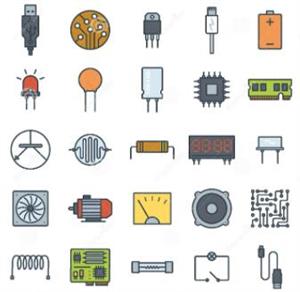
Embarking on a journey into electronics can be thrilling, especially when you have a packet of 10 electronic components in your hands. These are the building blocks of countless devices and innovations. Let’s dive into the key components in this packet, each holding a unique function and potential to bring your electronic projects to life.
Resistors And Their Functions
Resistors are fundamental. They control the flow of electric current, ensuring your circuit functions safely. Imagine them as tiny traffic regulators, maintaining order in the bustling pathways of electricity.
Capacitors For Energy Storage
Capacitors temporarily store electrical energy. They’re like small batteries, ready to release their charge when needed. This function is vital in smoothing out voltage fluctuations in your circuits.
Diodes And Their Uses
Diodes allow current to flow in one direction. They act as gatekeepers, preventing backflow that could disrupt your circuit. Use them to protect sensitive components and ensure efficient operation.
Transistors As Switches And Amplifiers
Transistors are versatile components. They can switch electrical signals on and off or amplify them. Think of them as the silent workhorses behind many electronic functions, from turning on a light to boosting sound.
Integrated Circuits Overview
Integrated circuits, or ICs, are compact powerhouses. They contain multiple components like resistors and transistors on a single chip. This integration allows for complex operations in a tiny package.
Leds And Display Applications
LEDs (Light Emitting Diodes) are more than just light sources. They’re efficient, bright, and come in various colors. Use them to create eye-catching displays or indicate power and signal presence in your projects.
Inductors In Circuits
Inductors resist changes in current, storing energy in a magnetic field. They’re essential for filtering signals and managing energy flows. Picture them as the quiet stabilizers, ensuring smooth performance.
Switches And Buttons
Switches and buttons provide user control. They allow you to turn devices on or off or send signals with a simple press. Their tactile feedback can make your project interactive and user-friendly.
Sensors Included
Sensors detect environmental changes like temperature or light. Integrate them to make your projects responsive and smart. What new capabilities could you unlock by adding a sensor?
Connectors And Headers
Connectors and headers are the links between components. They ensure reliable connections, making assembly and disassembly straightforward. These humble parts are essential for maintaining the integrity and flexibility of your circuits.
Choosing Components For Projects
Choosing the right electronic components is key to project success. Each project has unique demands. Picking components without thinking can lead to poor results or failure. Understanding what your project needs helps you select parts wisely. This saves time and money while ensuring functionality.
Matching Components To Project Needs
Identify your project goals clearly. Consider the function each component must perform. Check if components fit the size and shape limits. Think about the environment where your project will work. Components must suit these conditions for durability and performance.
Use a list to compare options:
- Functionality
- Size and shape
- Durability
- Cost
Considerations For Power Requirements
Know the voltage and current your project needs. Components must handle power safely without damage. Too much power can burn parts, too little can cause failure. Check power ratings on datasheets. Use components with ratings slightly above your needs for safety.
Think about power sources too. Batteries, adapters, or USB ports have limits. Match components to power sources to avoid issues.
Signal Types And Compatibility
Understand the signals your project uses. Digital or analog signals require different components. Components must accept and send the correct signal types. Mismatched signals cause errors or no response.
Check pinouts and connectors for compatibility. Ensure components communicate smoothly. Use datasheets to verify signal types and interfaces. Proper matching improves project reliability and performance.
Basic Tools For Handling Components
Handling a packet of 10 electronic components requires more than just knowing what each part does. Having the right tools at your disposal makes the entire process smoother and less frustrating. These tools not only protect your components but also help you work more efficiently and safely.
Soldering Essentials
Soldering is where your components come to life on a circuit board. A good soldering iron with adjustable temperature settings lets you work with different components without overheating them. Always keep solder wire handy—preferably with a flux core to make connections cleaner and stronger.
Don’t forget a soldering stand and a damp sponge to clean the iron tip regularly. A pair of fine-tipped tweezers can be a lifesaver for positioning tiny components. Have you ever tried holding a small resistor with your fingers while soldering? It’s tricky and can lead to burns or mistakes.
Testing And Measuring Tools
After placing your components, testing is crucial. A digital multimeter is your best friend for checking voltage, resistance, and continuity. It helps verify that each component is working as expected and that your connections are solid.
Consider a small logic probe or oscilloscope if you’re dealing with more complex circuits. These tools give you deeper insight into signal behavior and timing. How often do you find yourself troubleshooting only to discover a simple connection issue?
Storage And Organization Tips
Keeping your packet of components organized saves time and reduces errors. Use small labeled containers or compartmentalized boxes to separate different types like resistors, capacitors, and diodes. Clear labels and easy access prevent confusion when you’re in the middle of a project.
Magnetic trays or anti-static bags add extra protection, especially for sensitive components. Have you ever lost a tiny capacitor and spent more time searching than building? Proper storage stops that frustration before it starts.
Credit: www.flipkart.com
Innovative Project Ideas
A packet of 10 electronic components opens many doors for creative projects. These small parts can help you learn and build useful gadgets. You can start with easy circuits and move to more complex devices. Each project helps develop your skills and understanding of electronics.
Simple Circuits For Beginners
Start by making basic circuits with LEDs, resistors, and batteries. These projects teach how electricity flows and how components work. Try building:
- LED blinking lights
- Simple switches
- Basic buzzer alarms
These activities are perfect for beginners to gain confidence.
Building Sensors And Detectors
Use components like photoresistors or thermistors to make sensors. These detect light, temperature, or other changes. Project ideas include:
- Light-sensitive night lamps
- Temperature-based fans
- Simple motion detectors
Such projects show how sensors interact with the environment.
Creating Interactive Devices
Combine multiple components to build gadgets that respond to users. Examples are:
- Touch-activated lights
- Sound-controlled switches
- Basic alarm systems
These projects make electronics more fun and practical.
Troubleshooting Common Issues
Troubleshooting common issues with a packet of 10 electronic components helps keep your projects running smoothly. Problems often arise from faulty parts, poor connections, or safety oversights. Spotting and fixing these quickly saves time and frustration.
Identifying Faulty Components
Check each component before use. Look for signs like burnt spots, broken leads, or discoloration. Use a multimeter to test resistors, capacitors, and diodes. Compare readings with the component’s specifications. Swap out any parts that show abnormal values or physical damage.
Fixing Connection Problems
Inspect all wires and solder joints closely. Loose or cold solder joints cause intermittent faults. Re-solder connections that look dull or cracked. Make sure wires are firmly attached and not frayed. Clean contacts with isopropyl alcohol for better conductivity.
Ensuring Safety In Projects
Always disconnect power before working on circuits. Use insulated tools to avoid shocks. Keep components within their voltage and current limits. Avoid touching live wires during testing. Wear safety glasses to protect eyes from sparks or debris.
Credit: www.flipkart.com

Credit: www.ebay.ca
Frequently Asked Questions
What Components Are Included In A Packet Of 10 Electronic Parts?
A packet of 10 electronic components typically includes resistors, capacitors, diodes, transistors, LEDs, and sometimes inductors. These parts are essential for basic circuit building and prototyping.
How To Choose The Right Electronic Components Packet?
Select packets based on your project needs, component types, and quality. Check specifications like resistance, capacitance, and voltage ratings to ensure compatibility.
Can Beginners Use A Packet Of 10 Electronic Components?
Yes, these packets are ideal for beginners. They provide essential parts for learning electronics and building simple circuits effectively.
Where To Buy Quality Packets Of Electronic Components?
You can buy quality packets from reputable online stores, electronics shops, or specialized suppliers. Always check reviews and product details before purchasing.
Conclusion
A packet of 10 electronic components offers great value and variety. Each part serves a unique purpose in projects and repairs. Beginners and experts find these packets useful and handy. They save time by providing essential parts all at once.
This helps keep your work organized and efficient. Small, simple parts can make big differences in your circuits. Choose the right components to fit your needs perfectly. This simple packet supports creativity and learning in electronics. Give your projects a solid foundation with these parts.
Easy to use and affordable for everyone.
Leave a Reply