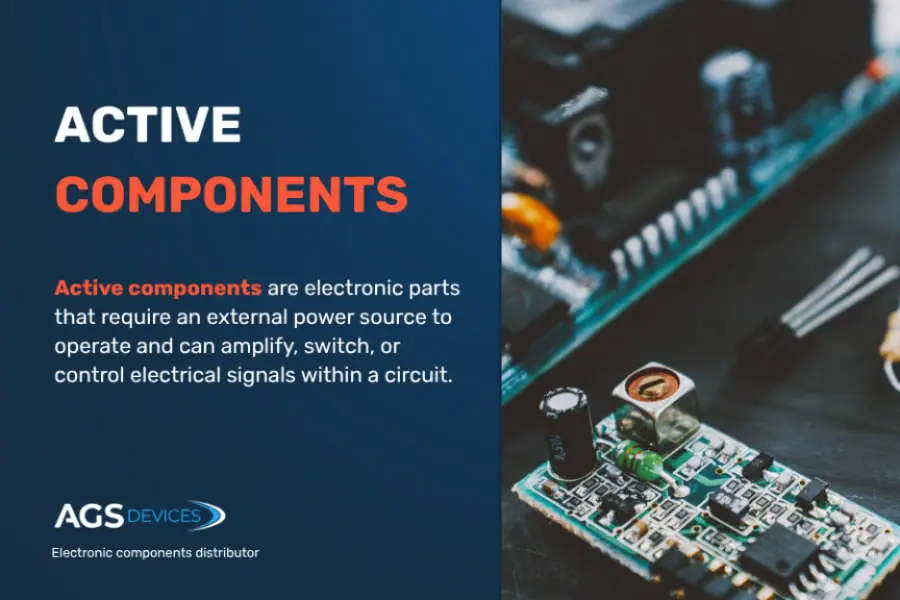
Have you ever wondered what makes your gadgets work? Whether it’s your smartphone, TV, or even a simple remote control, electronic components are the tiny heroes inside.
Understanding these parts can give you a new appreciation for the technology you use every day. You’ll discover the main electronic components that power your devices. By the end, you’ll not only know what they are but also how they work together to create the magic you rely on.
Ready to uncover the secrets inside your electronics? Let’s dive in.
Resistors
Resistors control the flow of electric current in a circuit. They help protect components and manage voltage levels. These small parts are essential in almost all electronic devices.
Resistors are one of the most fundamental components in any electronic circuit. They play a crucial role in controlling the flow of electrical current, acting like a traffic cop for electrons. Without resistors, circuits would be prone to overloads and potential damage.Types Of Resistors
Resistors come in various types, each suited for specific applications. The most common are fixed resistors, which have a set resistance value. Variable resistors, or potentiometers, allow you to adjust the resistance manually. There are also specialized resistors like thermistors, which change resistance with temperature, and light-dependent resistors (LDRs) that respond to light intensity. Understanding these types helps you choose the right resistor for your project.How Resistors Work
A resistor works by limiting the amount of current that can pass through it. It does this by providing a specific amount of resistance, measured in ohms. The higher the resistance, the less current flows through the circuit. Think of it like squeezing a garden hose: the tighter you squeeze, the less water comes out. Resistors use materials like carbon or metal films to create this resistance.Common Uses
Resistors are ubiquitous in electronics, used in everything from simple LED circuits to complex computer systems. They help set signal levels and divide voltages. In LED circuits, they prevent the LED from receiving too much current and burning out. In audio equipment, resistors adjust signal levels for better sound quality. Ever noticed how the brightness of your screen can be adjusted? That’s resistors at work, managing the current to change the light intensity. Resistors are silent heroes, ensuring your gadgets work smoothly and safely. So next time you tinker with electronics, remember how crucial these tiny components are. What’s the most interesting resistor application you’ve come across?
Credit: www.extremetech.com
Capacitors
Capacitors are fundamental electronic components that store and release electrical energy. They play a key role in managing voltage and current in circuits, acting like tiny energy reservoirs. Understanding capacitors helps you grasp how electronic devices control power and signal flow.
Capacitor Varieties
Capacitors come in different types, each suited for specific tasks. Some common varieties include:
- Ceramic Capacitors:Small, affordable, and used in high-frequency applications.
- Electrolytic Capacitors:Larger, polarized capacitors ideal for filtering and power supply smoothing.
- Tantalum Capacitors:Known for stability and reliability in compact sizes.
- Film Capacitors:Durable with low losses, often used in audio and precision circuits.
Have you noticed how different devices seem to need different capacitor types? This variety ensures the right balance of performance and cost.
Function In Circuits
Capacitors store electrical charge and release it when needed, smoothing out voltage fluctuations. They block direct current (DC) but allow alternating current (AC) to pass, making them vital in signal processing. You might not see them, but capacitors help keep your electronics stable and responsive.
Think about your phone’s power supply. Capacitors reduce noise and prevent sudden voltage drops that could cause crashes. Without them, your device might behave unpredictably.
Applications
Capacitors have a wide range of uses in everyday electronics and industrial equipment. Common applications include:
- Power supply filters to smooth out voltage.
- Timing circuits in clocks and timers.
- Signal coupling and decoupling in audio and radio devices.
- Energy storage in camera flashes.
Next time you use a device, try to spot where capacitors might be helping behind the scenes. How different would your experience be without these small but powerful components?
Diodes
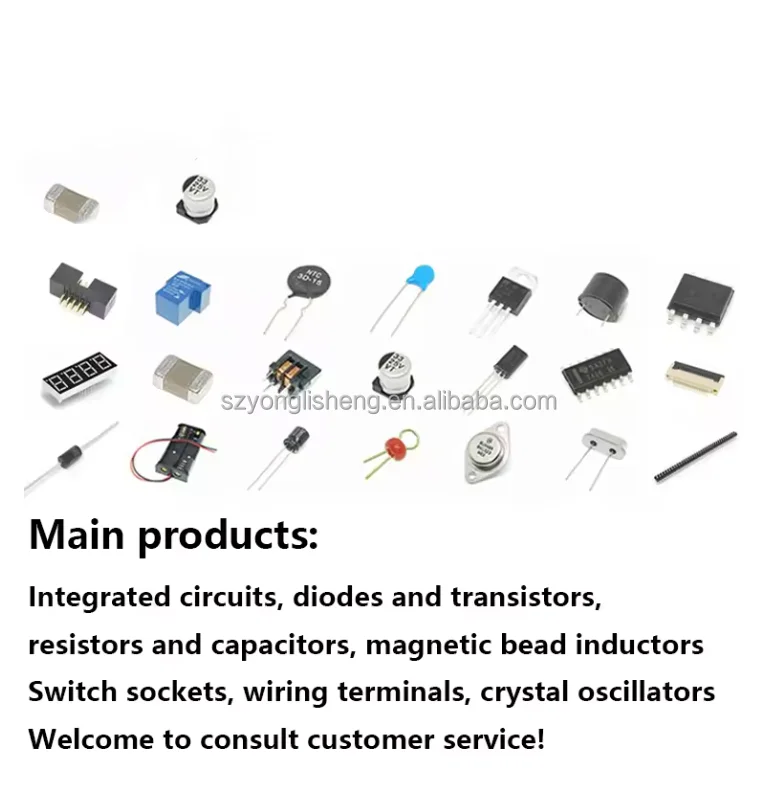
Diodes are essential electronic components that control the direction of electric current. They allow current to flow in one direction only. This simple property makes diodes vital in many electronic circuits. Their function helps protect circuits and convert signals efficiently.
Different Diode Types
- Rectifier Diodes: Used to convert alternating current (AC) to direct current (DC).
- Zener Diodes: Maintain a fixed voltage level by allowing current to flow backward at a specific voltage.
- Light Emitting Diodes (LEDs): Emit light when current passes through them.
- Schottky Diodes: Known for fast switching and low voltage drop.
- Photodiodes: Generate current when exposed to light.
Role In Electronics
Diodes act as one-way gates for electric current. They prevent damage from reverse current flow. Diodes also help in signal modulation and voltage regulation. Their ability to switch quickly makes them useful in digital circuits. They improve circuit efficiency and protect sensitive components.
Typical Uses
- Power supplies to convert AC to DC.
- Protecting circuits from voltage spikes.
- Controlling signal flow in communication devices.
- Lighting in indicators and displays using LEDs.
- Converting light into electrical signals with photodiodes.
Credit: www.alibaba.com
Transistors
Transistors are tiny but powerful electronic components that control the flow of electric current in devices. They act like electronic switches or amplifiers, making them essential in almost every modern electronic gadget you use. Understanding transistors helps you grasp how devices process signals and power.
Transistor Types
You’ll find several types of transistors, each designed for specific functions. The most common ones are:
- Bipolar Junction Transistors (BJT):These use both electron and hole charge carriers. They come in two types: NPN and PNP.
- Field Effect Transistors (FET):These use an electric field to control the current. MOSFETs are a popular subtype widely used in digital circuits.
Choosing the right type depends on your circuit’s needs—whether you want to handle high power, high speed, or low noise.
Switching And Amplifying
Transistors can switch currents on and off, much like a light switch controls a lamp. This switching ability is crucial in digital circuits where signals need to be either fully on or off.
They also amplify weak signals. For example, your voice in a microphone is converted to a small electric signal, which a transistor then amplifies so speakers can play it loudly.
Have you ever wondered how your phone’s tiny microphone picks up sound so clearly? That’s the magic of transistor amplification at work.
Where They’re Used
Transistors are everywhere—from the tiny chips in your smartphone to the power controls in electric cars.
- Computers:Processors use millions of transistors to handle complex calculations.
- Audio devices:Amplifiers and mixers rely on transistors to enhance sound quality.
- Power supplies:They regulate voltage and current to protect circuits.
Next time you use any electronic device, think about the countless transistors making it work smoothly.
Integrated Circuits
Integrated circuits are tiny electronic chips that control many devices. They combine many components into a single small package. This makes electronics smaller, faster, and more reliable.
These chips are essential in computers, phones, and many gadgets. Understanding integrated circuits helps explain how modern electronics work.
What’s Inside
An integrated circuit contains transistors, resistors, and capacitors. These parts connect by tiny wires inside the chip. The whole setup fits on a small piece of silicon.
Transistors act like switches or amplifiers. Resistors control the flow of electric current. Capacitors store and release electrical energy quickly.
Types And Functions
- Digital ICs:Process binary data using logic gates.
- Analog ICs:Handle continuous signals like sound or light.
- Mixed-Signal ICs:Combine digital and analog functions.
Each type serves a specific role in electronics. Digital ICs perform calculations and data processing. Analog ICs manage real-world signals. Mixed-signal chips bridge both worlds.
Examples In Devices
- Microprocessors:The brain of computers and smartphones.
- Memory chips:Store data in phones, cameras, and laptops.
- Amplifiers:Boost audio signals in speakers and headphones.
- Voltage regulators:Maintain steady power in devices.
Integrated circuits make devices smarter and more efficient. They are key to the technology people use daily.
Inductors
Inductors are key components in many electronic devices. They store energy in a magnetic field when electric current flows through them. Inductors control current and voltage in circuits. Their unique properties make them useful in various applications, from radios to power supplies.
Inductor Basics
An inductor is a coil of wire usually wrapped around a core. The core can be air, iron, or another magnetic material. Inductors resist changes in current. This resistance is called inductance. The unit of inductance is the henry (H).
How They Operate
When current flows through an inductor, it creates a magnetic field. This field stores energy temporarily. If the current changes, the magnetic field changes too. The inductor opposes the change by creating a voltage. This effect smooths out current fluctuations in circuits.
Common Applications
- Filters in audio and radio equipment
- Energy storage in power supplies
- Transformers in electrical systems
- Chokes to block high-frequency signals
- Inductive sensors in industrial devices
Sensors
Sensors are vital electronic components that detect changes in the environment. They convert physical signals into electrical signals. Sensors help devices understand temperature, light, motion, and more. These components play a key role in modern technology and automation. Their use ranges from everyday gadgets to industrial machines.
Sensor Varieties
- Temperature sensors measure heat levels.
- Light sensors detect brightness or color.
- Motion sensors track movement or vibration.
- Pressure sensors sense force or weight.
- Proximity sensors identify nearby objects without contact.
- Humidity sensors measure moisture in the air.
How Sensors Work
Sensors detect physical changes using a sensing element. This element reacts to changes like heat or pressure. It creates an electrical signal proportional to the change. The signal is processed and sent to other electronics. This allows devices to react or record data accurately.
Use Cases
- Smartphones adjust screen brightness based on light sensors.
- Thermostats use temperature sensors to control heating.
- Security systems rely on motion sensors to detect intruders.
- Cars use pressure sensors for tire monitoring.
- Weather stations measure humidity and temperature for forecasts.
- Robots depend on proximity sensors to avoid obstacles.
Credit: www.wintechpcbassembly.com
Connectors And Switches
Connectors and switches are vital parts of almost every electronic device. They allow different components to join and control the flow of electricity. Without them, circuits would not function properly. These components make it easy to assemble, repair, and maintain electronic systems.
Types Of Connectors
Connectors come in many shapes and sizes. They connect wires, cables, and devices to one another. Common types include:
- Pin connectors – small pins fit into matching holes.
- USB connectors – used for data and power transfer.
- Coaxial connectors – carry high-frequency signals.
- Terminal blocks – secure wires with screws.
- Ribbon cable connectors – link flat cables in computers.
Each type fits specific needs, such as data speed or power level. Choosing the right connector ensures a strong, reliable connection.
Switch Mechanisms
Switches control the flow of electricity by opening or closing circuits. Different mechanisms include:
- Toggle switches – flip between on and off positions.
- Push-button switches – activate when pressed.
- Slide switches – move a slider to change states.
- Rotary switches – rotate a knob to select options.
- Micro switches – trigger with very little force.
Switches vary by design and function. They help users turn devices on or off and select settings easily.
Importance In Circuits
Connectors and switches are crucial for circuit operation. Connectors join parts to allow electric flow. Switches control whether current flows or stops.
They improve safety by preventing accidental contact with live parts. These components also make repairs faster by allowing parts to be disconnected. Both ensure devices work efficiently and last longer.
Frequently Asked Questions
What Are The Main Types Of Electronic Components?
The main types include resistors, capacitors, inductors, diodes, and transistors. Each serves a specific function in circuits. They control current, store energy, or amplify signals to ensure proper device operation.
How Do Resistors Function In Electronic Circuits?
Resistors limit electrical current flow and divide voltage. They protect components from damage by controlling current levels. This helps maintain circuit stability and performance.
Why Are Capacitors Important In Electronics?
Capacitors store and release electrical energy quickly. They smooth power supply fluctuations and filter signals. This ensures devices run efficiently and without interruption.
What Role Do Transistors Play In Electronics?
Transistors act as switches or amplifiers in circuits. They control electrical signals and power flow. This enables complex computing and signal processing in electronic devices.
Conclusion
Electronic components form the heart of all devices we use daily. Resistors, capacitors, and transistors shape how circuits work. Each part has a clear role and purpose. Understanding these basics helps in learning electronics better. Small parts create big effects in machines.
With this knowledge, exploring more complex topics becomes easier. Keep exploring and practicing to gain confidence. Electronics is a useful skill for many jobs and hobbies. Start simple, stay curious, and enjoy the process.
Leave a Reply