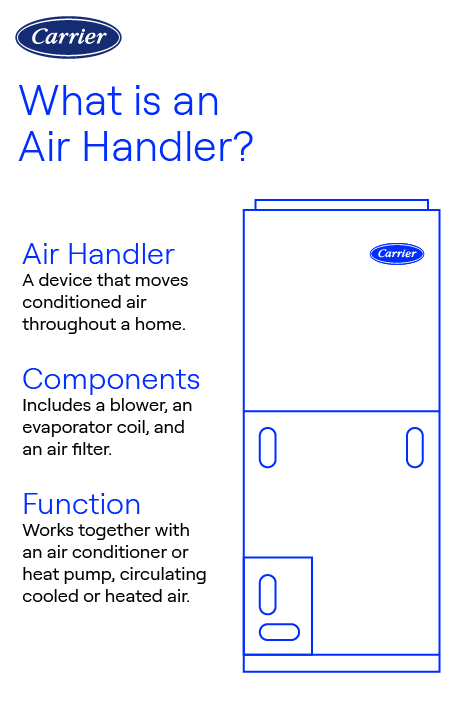
Have you ever wondered how electronic air cleaners keep the air in your home fresh and free from dust, pollen, and other harmful particles? Understanding the key components inside these devices can help you see why they are so effective at improving your indoor air quality.
You’ll discover exactly what makes up a typical electronic air cleaner and how each part works together to protect your health and comfort. By the end, you’ll feel confident about choosing the right air cleaner for your space and maintaining it properly.
Keep reading to unlock the secrets behind cleaner, healthier air!
Basic Structure
Understanding the basic structure of a typical electronic air cleaner can help you appreciate its functionality and efficiency. These devices are designed to improve your indoor air quality by removing pollutants like dust, pollen, and smoke. Let’s dive into the essential components that make up their basic structure.
Outer Casing
The outer casing acts as the protective shell of the electronic air cleaner. It’s typically constructed from durable materials like metal or high-grade plastic, ensuring longevity and sturdiness. The design is often sleek, blending seamlessly with modern home decor, while also providing easy access for maintenance and filter replacement.
Control Panel
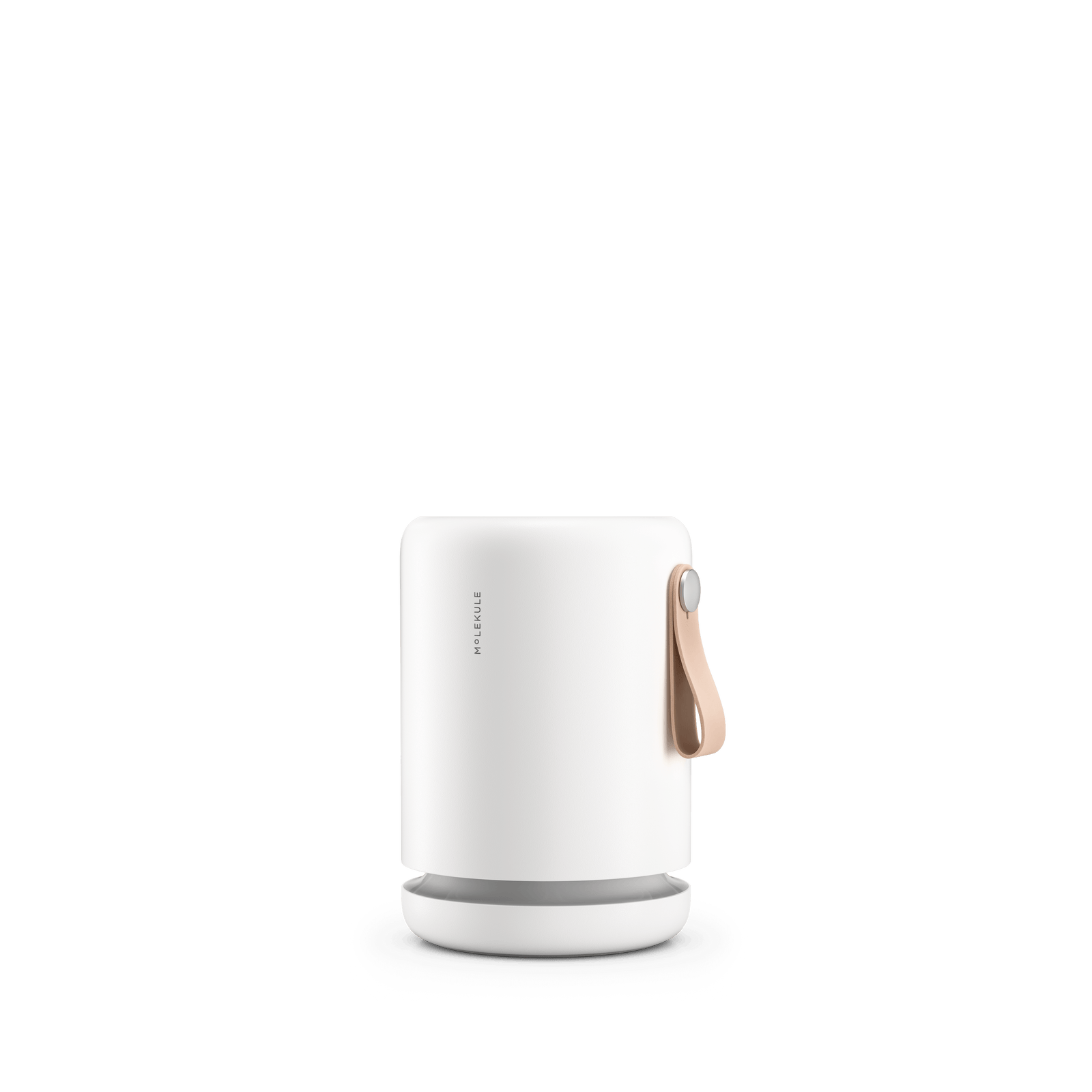
The control panel is the interface between you and the air cleaner. It usually includes buttons or a touchscreen for adjusting settings such as fan speed and ionization levels. Some advanced models feature digital displays, giving you real-time feedback on air quality and filter status. Have you ever wondered how much control you actually have over your indoor air? With intuitive control panels, managing air quality becomes a breeze.
Credit: molekule.com
Ionizing Section
The ionizing section is the heart of a typical electronic air cleaner. It’s where particles in the air get charged, making it easier for the system to trap them. Without this step, dust, pollen, and other pollutants would slip right through.
Ionizing Wires
Ionizing wires are thin metal strands that carry a high voltage current. As air passes over these wires, they release electrons that attach to airborne particles, giving them an electrical charge.
This charging process is crucial because it turns neutral particles into charged ones. Once charged, these particles can be attracted to collection plates, similar to how a magnet pulls in metal.
Have you ever noticed dust sticking to surfaces near an electronic air cleaner? That’s the ionizing wires at work, charging particles to prepare them for capture.
High-voltage Power Supply
The high-voltage power supply fuels the ionizing wires by providing the necessary electrical energy. It converts standard electrical current into a much higher voltage, often thousands of volts.
This power supply must be stable and reliable. If the voltage fluctuates, the ionizing wires won’t charge particles effectively, reducing the air cleaner’s performance.
Think about how a flickering light bulb disrupts your focus. Similarly, inconsistent voltage can prevent your air cleaner from working at its best. Ensuring this component is functioning well can dramatically improve air quality in your space.
Collection Section
The collection section plays a vital role in an electronic air cleaner. It captures and holds airborne particles like dust, pollen, and smoke. This section uses electrical charges to attract and trap pollutants effectively.
The design ensures cleaner air moves through your home or office. Understanding the collection section helps you see how these devices improve air quality.
Collection Plates
Collection plates are flat metal sheets that capture particles. They are charged with an electrical current to attract dust and allergens. The plates are arranged in rows to maximize surface area.
Particles stick to these plates as air passes through. The plates need to be made of conductive material for proper electrical function. Their size and spacing affect how well the air cleaner works.
Plate Cleaning Mechanism
Cleaning the collection plates is essential for maintaining efficiency. Some units have an automatic cleaning system that washes the plates with water. This keeps the plates free from buildup without manual effort.
Other models require manual cleaning by removing and washing the plates. Regular cleaning prevents clogging and keeps airflow steady. A clean collection section means better air quality and longer device life.
Power Components
The power components in an electronic air cleaner are essential for its operation. They supply and regulate the electricity needed to charge the particles in the air. Without these parts working correctly, the cleaner won’t perform well, and you might notice less effective air purification.
Transformer
The transformer changes the voltage from your home’s electrical system to a level suitable for the air cleaner. It steps down the high voltage to a safer, lower voltage that powers the ionizing section. This is crucial because too much voltage could damage the unit or pose a safety risk.
Think about how a transformer in your air cleaner is like a gatekeeper controlling the energy flow. If this component fails, the air cleaner might stop working or work inconsistently. Have you ever experienced your air cleaner shutting off unexpectedly? A faulty transformer might be the cause.
Electrical Connections
Electrical connections link the transformer to other parts of the air cleaner. These include wires, terminals, and connectors that must be secure and free from corrosion. Loose or damaged connections can cause power interruptions or even short circuits.
Maintaining clean and tight electrical connections can extend the life of your air cleaner. If you notice flickering lights or inconsistent operation, checking the wiring could solve the problem. Are you confident that your air cleaner’s internal wiring is in good condition?
Airflow System
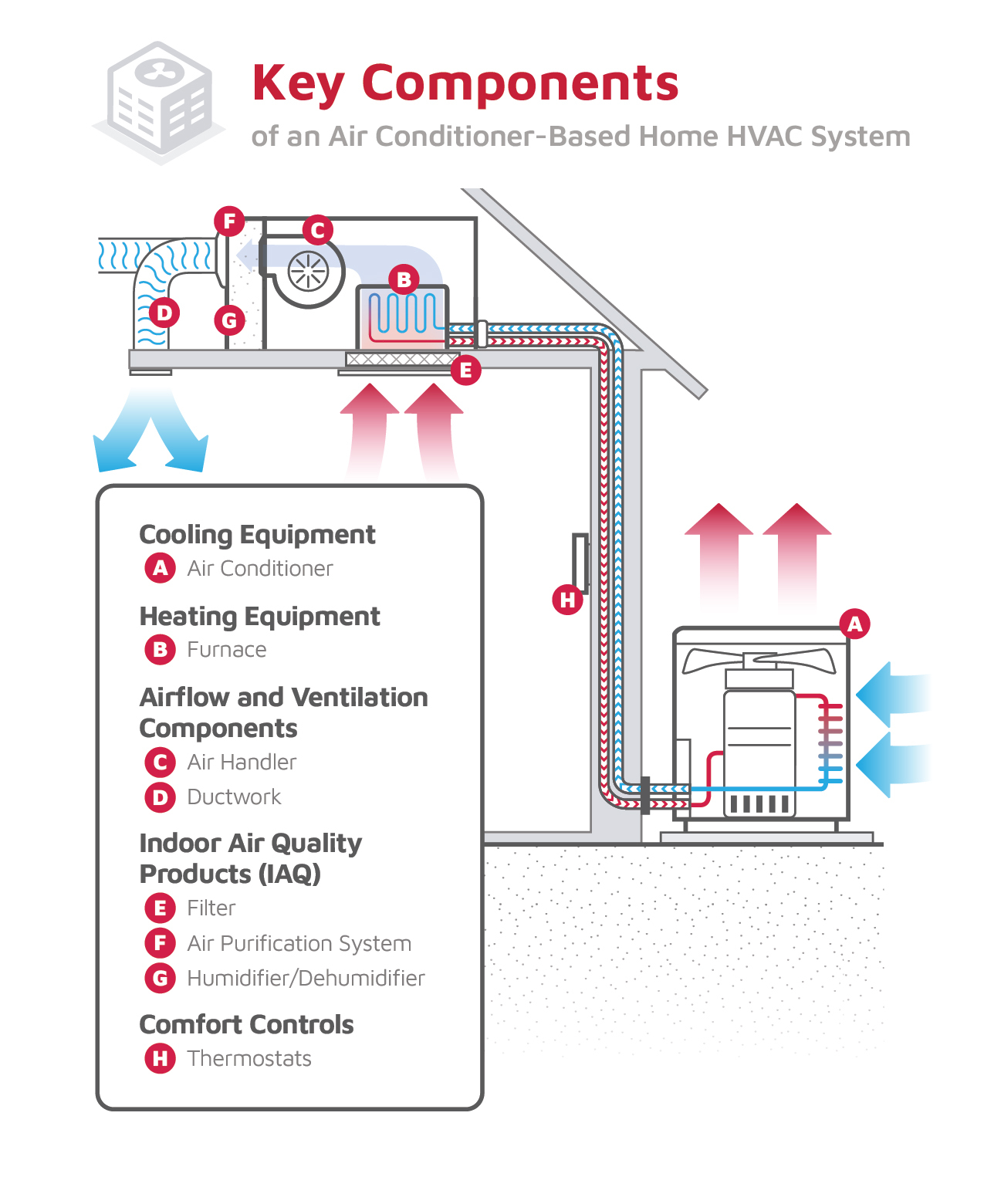
The airflow system is a key part of an electronic air cleaner. It moves air through the device to clean it effectively. Proper airflow ensures pollutants pass through the cleaning elements. Without good airflow, the air cleaner cannot work well. This system uses fans, blowers, and air passages to keep air moving smoothly.
Fans And Blowers
Fans and blowers push air through the air cleaner. They create pressure to pull air from the room. Fans are often smaller and quieter. Blowers can move larger amounts of air faster. Both help trap dust, smoke, and pollen inside the cleaner. The right fan or blower keeps airflow steady and strong.
Air Intake And Outlet
The air intake pulls in dirty air from the environment. It usually has a grill or vent to catch large particles. After air passes through filters and cleaning cells, it leaves through the outlet. The outlet directs clean air back into the room. Well-designed intakes and outlets reduce noise and improve air circulation.
Credit: www.lennox.com
Safety Features
Safety features in electronic air cleaners protect both the device and your home. These features prevent electrical hazards and ensure the cleaner works efficiently without causing damage. Understanding these safety components helps you maintain your air cleaner with confidence.
Grounding System
The grounding system is crucial for preventing electrical shocks. It directs any stray electricity safely into the ground, reducing the risk of electric shock. Without proper grounding, you might face dangerous electrical faults that could harm you or damage your air cleaner.
Have you ever noticed a slight shock when touching an electronic device? That’s often due to poor grounding. Ensuring your air cleaner has a reliable grounding system keeps you safe and helps the device run smoothly.
Overload Protection
Overload protection prevents the air cleaner from drawing too much electrical current. This feature stops the device from overheating or causing a fire when something goes wrong. It acts like a circuit breaker by cutting power if it detects excessive current flow.
Imagine your air cleaner running non-stop during a dust storm. Overload protection steps in to prevent damage from extra stress on the electrical components. This safety feature not only protects your device but also extends its lifespan.

Credit: www.tejjy.com
Frequently Asked Questions
What Are The Main Parts Of An Electronic Air Cleaner?
An electronic air cleaner mainly has a power supply, ionizing section, and collection plates. The power supply charges particles. The ionizing section creates ions to capture contaminants. Collection plates trap charged particles, cleaning the air effectively.
How Does The Ionizing Section Work In Air Cleaners?
The ionizing section generates electrical ions that attach to airborne particles. This process charges dust, pollen, and smoke particles. Charged particles then move toward collection plates for removal from the air, improving indoor air quality.
Why Are Collection Plates Important In Electronic Air Cleaners?
Collection plates attract and capture charged particles from the ionizing section. They hold dust, allergens, and pollutants, preventing them from circulating. Regular cleaning of plates maintains the cleaner’s efficiency and prolongs its lifespan.
What Role Does The Power Supply Play In Air Cleaners?
The power supply provides necessary voltage for ionizing and collection processes. It ensures consistent electrical charge generation. This enables effective particle charging and collection, which is crucial for air cleaning performance.
Conclusion
Electronic air cleaners have key parts that work together well. The ionizer charges the particles in the air. The collector plates catch these charged particles. A fan moves air through the system. Each part plays a role in cleaning the air.
Understanding these components helps you see how air cleaners work. Clean air means a healthier home or office. Knowing what’s inside can guide your choices. Simple parts, big impact.
Leave a Reply