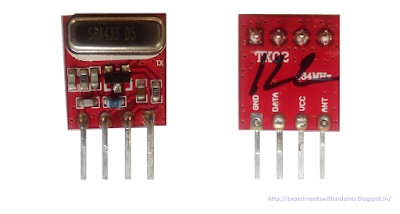
Have you ever wondered how your radio, TV, or smartphone picks up signals from the air and turns them into sounds and images you can understand? At the heart of this amazing process is a special electronic component that acts like a translator for invisible radio waves.
Understanding what this component is and how it works can give you a new appreciation for the technology you use every day. Keep reading, and you’ll discover the key player that makes wireless communication possible—and why it matters to you.
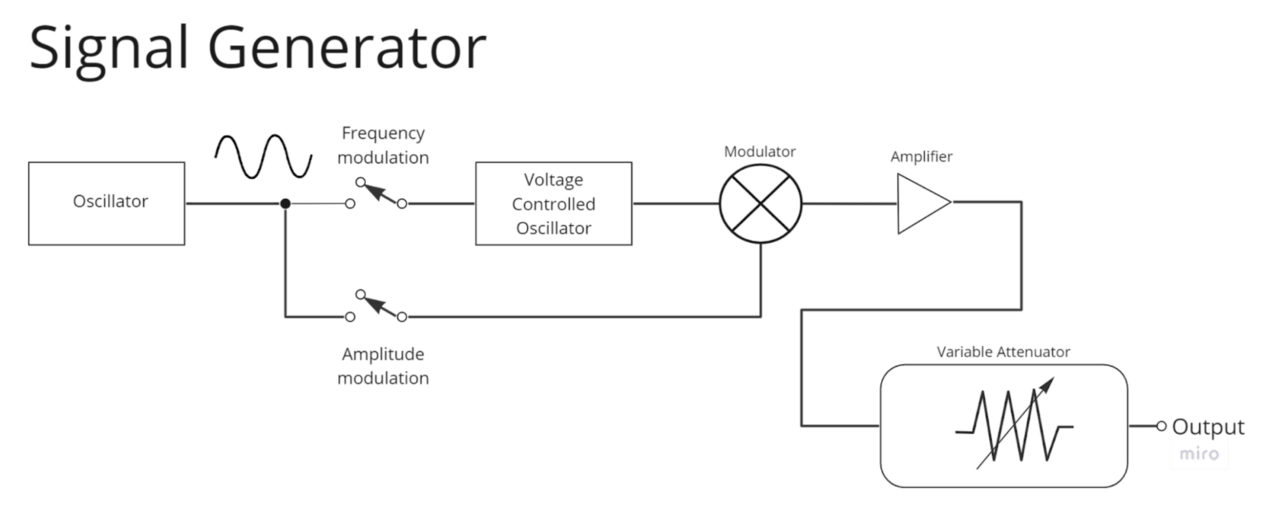
Credit: www.keysight.com
Radio Wave Reception Basics
Radio wave reception is a fascinating process. It allows electronic devices to capture and interpret signals. This plays a crucial role in wireless communication. Understanding the basics of radio wave reception is essential. It helps in grasping how devices like radios and televisions work.
Nature Of Radio Waves
Radio waves are a type of electromagnetic radiation. They travel at the speed of light. These waves have different frequencies and wavelengths. Lower frequencies have longer wavelengths. Higher frequencies have shorter wavelengths. Radio waves are used for broadcasting audio and video signals.
How Radio Signals Travel
Radio signals travel through the air. They move from a transmitter to a receiver. The transmitter sends out waves in all directions. Receivers capture these waves using antennas. Antennas are designed to pick up specific frequencies. Once captured, these signals are converted into audio or video. This conversion is made possible by electronic components. These components translate the radio waves into understandable formats.
Key Electronic Component
The key electronic component that translates radio waves into usable signals is essential for any wireless communication device. Without it, the signals your devices receive would remain just invisible waves, unintelligible and useless. This component captures, processes, and converts radio waves into sounds, images, or data you can understand and use.
Role Of The Receiver
The receiver acts as the frontline device that picks up radio waves from the air. Think of it as a catcher waiting to grab a ball thrown from far away. Its job is to detect the specific frequency carrying the information you want.
Receivers filter out unwanted signals and noise, focusing only on the target transmission. If you’ve ever fiddled with a radio and struggled to get a clear signal, you’ve experienced how crucial a good receiver is. It sets the stage for the next step—turning those waves into meaningful content.
Introduction To The Demodulator
Once the receiver catches the radio waves, the demodulator steps in to extract the actual information. It separates the data from the carrier wave, making it understandable for your device.
Imagine listening to a song hidden inside static; the demodulator finds that melody. Different types of demodulators work for various signals, such as AM or FM radio. Understanding this component helps you appreciate how your phone or radio delivers crystal-clear audio or sharp images from seemingly random waves.
How The Demodulator Works
The demodulator plays a key role in receiving radio signals. It extracts the original information from the radio waves. This process is essential for radios, televisions, and many wireless devices. The demodulator changes the modulated radio waves into a clear electrical signal. These signals can then be used to produce sound, images, or data.
Converting Radio Waves To Electrical Signals
Radio waves carry information by changing their amplitude, frequency, or phase. The demodulator detects these changes. It separates the information from the carrier wave. This process turns the radio waves into usable electrical signals.
The demodulator often uses electronic components like diodes or transistors. These parts help to filter and decode the signals. The output is a clean electrical signal ready for further processing.
Types Of Demodulators
- Amplitude Demodulator (AM):Works by detecting changes in signal strength.
- Frequency Demodulator (FM):Detects variations in the signal’s frequency.
- Phase Demodulator (PM):Extracts information from phase shifts in the wave.
- Digital Demodulators:Used for digital signals, converting them into binary data.
Each type serves a specific purpose. The choice depends on the signal type and application.
Common Demodulator Components
Common demodulator components play a crucial role in converting radio waves into usable audio or data signals. These components work together to extract the original information embedded in the radio frequency carrier wave. Understanding these parts helps you grasp how radios, TVs, and wireless devices receive clear signals despite interference.
Diodes In Signal Detection
Diodes are the simplest and most essential components in demodulators. They allow current to flow in one direction only, which helps separate the audio or data signal from the high-frequency carrier wave.
In practical terms, the diode acts like a gatekeeper. It clips off the negative half of the radio wave, leaving behind the variations that represent the original sound or data. This process is called rectification.
Have you ever noticed static on your radio? Sometimes, a faulty diode can cause this by failing to properly detect the signal. That’s why the quality and type of diode matter.
Transistors And Signal Amplification
After the diode extracts the signal, transistors step in to amplify it. The original signal is often too weak to be heard or processed, so transistors boost its strength without distorting the information.
Transistors can also act as switches and mixers, making them versatile in demodulator circuits. They improve clarity and range, allowing your device to pick up signals from further away or through obstacles.
Imagine trying to hear a whisper in a noisy room. The transistor is like a microphone that makes that whisper loud enough to understand. Without it, the detected signal would remain faint and unusable.
Applications Of Radio Wave Translation
Understanding how radio waves are translated into usable signals opens a window into many technologies you interact with daily. This translation happens through electronic components that convert invisible waves into sound, data, or images. The impact of this process extends across various fields, shaping communication and detection systems worldwide.
Broadcast Radio
Broadcast radio is one of the most familiar uses of radio wave translation. When you tune your radio, the device’s receiver translates radio waves into the music or talk shows you hear. This simple yet powerful process allows information to travel across cities, countries, and even continents.
Have you ever wondered how a radio station in a distant city reaches your car stereo with clear sound? It’s all thanks to these translating components working flawlessly behind the scenes. Without them, your favorite radio programs wouldn’t reach your ears.
Wireless Communication
Wireless communication relies heavily on translating radio waves into data. Your smartphone, Wi-Fi router, and Bluetooth devices all use this technology to send and receive information. The electronic components inside translate the radio signals into commands, texts, or internet data that you can use instantly.
Think about how frustrating it would be if your phone couldn’t convert signals into clear calls or messages. These components keep you connected to the world, enabling fast and reliable communication wherever you go.
Radar Systems
Radar systems use radio wave translation for detecting objects and measuring distances. Airports, weather stations, and even some cars use radar to track planes, storms, or obstacles. The system sends out radio waves and then translates the reflected waves to create useful information.
Next time you see a weather forecast or notice a car automatically braking, consider how radio wave translation is working behind the scenes. These systems provide safety and awareness by transforming radio signals into critical data you can trust.
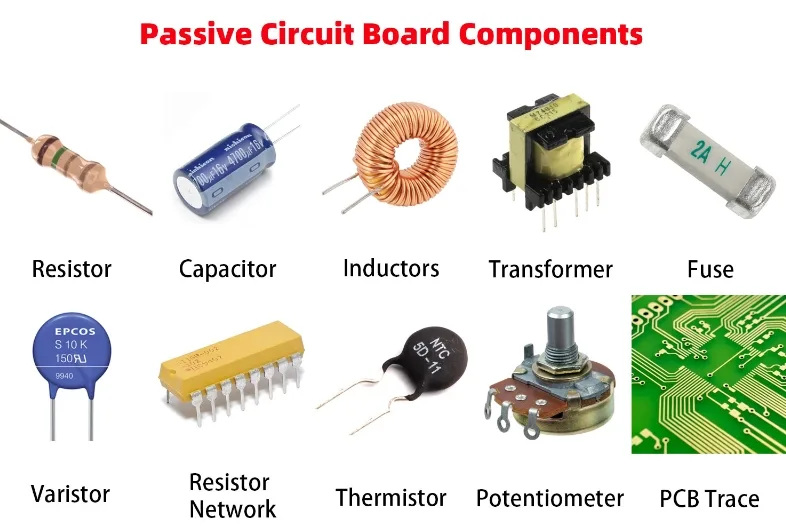
Credit: www.lstpcb.com
Advancements In Demodulation Technology
The world of demodulation technology is evolving rapidly, changing how electronic components translate radio waves into usable signals. These advancements have made devices more efficient, flexible, and powerful. Understanding these changes can help you appreciate the technology behind your everyday wireless gadgets.
Digital Signal Processing
Digital Signal Processing (DSP) plays a crucial role in modern demodulation. Instead of relying on analog circuits, DSP uses algorithms to extract the original information from radio waves.
This approach allows for greater accuracy and adaptability. For example, DSP can filter out noise and correct errors in real time, improving signal quality dramatically.
If you’ve ever noticed your phone maintaining a clear call in a noisy environment, DSP is likely at work. It’s a practical tool that enhances your experience without you even realizing it.
Software-defined Radios
Software-Defined Radios (SDRs) have transformed traditional radio receivers by shifting much of the hardware functionality into software.
This means you can update or change the way your radio processes signals simply by installing new software. It offers incredible flexibility and makes it easier to support multiple communication standards on one device.
Imagine owning a radio that can switch from AM to FM to digital broadcasts without changing any hardware. That’s the power of SDRs, giving users more control and adaptability in how signals are decoded.

Credit: www.etei.com
Frequently Asked Questions
What Electronic Component Translates Radio Waves Into Signals?
A radio receiver uses an electronic component called a demodulator. It converts radio waves into usable audio or data signals. This process enables devices to receive and interpret wireless communications efficiently.
How Does A Demodulator Work In Radio Communication?
A demodulator extracts information from modulated radio waves. It separates the audio or data from the carrier wave. This makes the transmitted message understandable for radios, TVs, and wireless devices.
Why Is A Diode Important In Radio Wave Translation?
Diodes act as demodulators in simple radio receivers. They rectify the alternating current signal, allowing extraction of audio signals from radio waves. This makes diodes crucial for early and basic radio technology.
Can Transistors Enhance Radio Wave Translation?
Yes, transistors amplify weak signals after demodulation. They improve the clarity and strength of the received audio or data. Transistors are key components in modern radio receivers for better performance.
Conclusion
The electronic component that translates radio waves is called a receiver. It changes invisible signals into sounds or data we can use. This process helps us listen to radios, watch TV, and use wireless devices. Understanding this part shows how technology connects us daily.
Simple but essential. Now you know how radios and many gadgets work. Keep exploring to learn more about electronics.
Leave a Reply