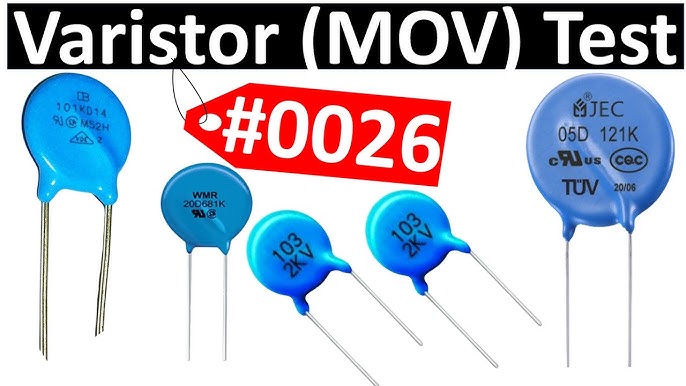
Have you ever wondered how your electronic devices protect themselves from sudden power surges? The secret often lies in a small but powerful part called the MOV electronic component.
If you’ve heard the term but aren’t quite sure what it means or why it matters, this article is for you. Understanding MOVs can help you grasp how your gadgets stay safe and last longer. Keep reading, and you’ll discover what MOVs are, how they work, and why they’re essential in everyday electronics.
Your devices depend on them more than you might think.

Credit: www.allelcoelec.com
Mov Electronic Component Basics
MOV (Metal Oxide Varistor) is a small electronic part that protects circuits from sudden voltage spikes. It works by quickly changing resistance to block extra electricity and keep devices safe. This component is common in many electrical devices for surge protection.
MOV Electronic Component Basics Understanding MOV electronic components is crucial for electronics enthusiasts and professionals. These components play an essential role in safeguarding electronic devices. MOV stands for Metal-Oxide Varistor. It helps protect electrical circuits from voltage spikes. Let’s explore the fundamentals of MOV electronic components.What Is An Mov?
An MOV is a type of resistor with variable resistance. It responds to voltage changes. When exposed to a high voltage, its resistance decreases. This allows it to absorb excess voltage, protecting devices. MOVs are widely used in surge protectors. They prevent damage from power surges.Key Characteristics
MOVs have several key characteristics. They include: – Fast response time to voltage changes – High energy absorption capability – Ability to handle large voltage surges These features make them ideal for over-voltage protection. They are reliable and efficient.Common Materials Used
MOVs are made from several materials. Zinc oxide is a primary component. It is mixed with other metal oxides. These materials include: – Bismuth oxide – Manganese oxide – Cobalt oxide These materials enhance the MOV’s properties. They improve its performance in high-stress conditions. This makes MOVs durable and effective.
Credit: www.allelcoelec.com
How Movs Work
Understanding how Metal Oxide Varistors (MOVs) work can change the way you protect your electronic devices. These tiny components play a huge role in guarding circuits against unexpected voltage spikes. Let’s break down their operation into simple parts, so you know exactly what happens inside your devices during electrical surges.
Voltage Clamping Mechanism
The core job of an MOV is to clamp voltage at a safe level. It stays inactive during normal voltage conditions, letting electricity flow without interruption.
But when voltage rises above a set threshold, the MOV quickly changes from a high-resistance state to a low-resistance state. This sudden change clamps the voltage to a safer level, preventing damage to other components.
Response To Surges
Imagine a sudden power surge hitting your home electronics. The MOV detects this spike instantly and reacts within nanoseconds.
Its fast response time is crucial because even a brief surge can fry sensitive parts. By activating rapidly, the MOV diverts excess voltage away from your device’s critical circuits.
Energy Absorption
Besides clamping voltage, MOVs absorb the energy from surges to protect your devices effectively.
This energy is dissipated as heat inside the MOV, which is why these components can get warm during heavy surges.
Have you ever noticed a slightly warm surge protector after a storm? That’s your MOV doing its job, sacrificing itself to save your electronics.
Types Of Movs
Mov electronic components come in different types, each designed to meet specific needs in protecting circuits from voltage spikes. Understanding these types helps you pick the right MOV for your project or repair job. Let’s look at the main varieties and what makes each unique.
Standard Movs
Standard MOVs are the most common type you’ll find in everyday electronics. They protect devices by clamping down on voltage surges and preventing damage. These are ideal for household appliances and small electronic gadgets.
They usually handle moderate energy levels and operate within typical voltage ranges. If your application doesn’t involve extreme conditions, standard MOVs offer reliable and cost-effective protection.
High Energy Movs
High energy MOVs are built to absorb much larger surges. Think of lightning strikes or industrial power spikes that carry significant energy. These MOVs can handle those intense bursts without failing.
Choosing a high energy MOV is crucial when you need robust protection in harsh environments. Have you ever experienced a power surge that fried your expensive equipment? High energy MOVs are your best defense against that.
High Voltage Movs
High voltage MOVs are designed for circuits operating at voltages higher than usual. They can tolerate and clamp voltage spikes in systems like power transmission or specialized industrial machinery.
If your device runs on high voltage or is connected to large electrical networks, these MOVs provide the necessary safeguard. Ignoring the voltage rating can lead to MOV failure and costly damages.

Credit: www.allelcoelec.com
Applications Of Movs
Metal Oxide Varistors (MOVs) play a crucial role in protecting electronic devices from sudden voltage spikes. Their ability to absorb high-energy surges makes them indispensable across various fields. Let’s take a closer look at how MOVs safeguard your equipment in different applications.
Surge Protection In Electronics
Have you ever wondered why your expensive gadgets rarely get damaged during lightning storms? MOVs are often the hidden heroes inside surge protectors, clamping down voltage spikes before they reach your devices.
They respond instantly to voltage surges, diverting excess energy away from sensitive components. This quick action helps prevent failures in devices like computers, TVs, and gaming consoles.
Power Supply Protection
Your power supply units face unpredictable voltage variations every day. MOVs act as a frontline defense, stabilizing voltage levels to keep your equipment running smoothly.
In power supplies, MOVs are placed across the input lines to absorb sudden surges caused by switching or faults. This reduces downtime and extends the lifespan of your power systems.
Telecommunication Equipment
Telecom systems rely heavily on clean, stable power to maintain communication. MOVs protect these systems from voltage spikes caused by storms or switching operations.
By installing MOVs, telecom providers ensure uninterrupted service, preventing costly outages and equipment damage. Have you noticed fewer disruptions during bad weather? MOVs might be the reason.
Industrial Uses
Industries often operate heavy machinery that generates electrical noise and surges. MOVs are essential here to safeguard control systems and automation equipment.
They help maintain operational safety and efficiency by minimizing unexpected equipment failures. If you work around industrial equipment, understanding MOVs could help you spot potential electrical protection issues.
Advantages And Limitations
Metal Oxide Varistors (MOVs) protect electronic devices from voltage spikes. They are widely used in circuits for surge protection. Like any component, MOVs have clear advantages and some limitations. Understanding both helps in choosing the right protection for your devices.
Benefits Of Using Movs
- Absorb sudden voltage spikes effectively.
- Protect sensitive electronic parts from damage.
- Cost-effective and easy to install.
- Respond quickly to voltage changes.
- Operate without needing external power.
- Compact size fits well in many devices.
Common Failures
- Wear out after repeated voltage surges.
- Can degrade silently over time.
- May fail short and cause circuit issues.
- Exposure to extreme heat reduces lifespan.
- Physical damage during installation can occur.
Maintenance Tips
- Regularly check MOVs for discoloration or damage.
- Replace MOVs after strong voltage surges.
- Ensure proper ventilation to avoid overheating.
- Use MOVs rated correctly for your circuit.
- Test MOVs with suitable tools periodically.
Selecting The Right Mov
Selecting the right Metal Oxide Varistor (MOV) is essential for protecting your electronic devices from voltage spikes. The correct MOV safeguards circuits and enhances device lifespan. Choosing a wrong MOV can cause device failure or inadequate protection.
Key Specifications To Consider
- Voltage Rating:The MOV must match or exceed the circuit’s maximum voltage.
- Energy Absorption:Check the MOV’s ability to absorb surge energy without damage.
- Clamping Voltage:Lower clamping voltage offers better protection but may wear out the MOV faster.
- Response Time:Faster response times react quickly to voltage spikes.
- Current Rating:Ensure the MOV can handle the peak surge current expected.
Matching Movs To Applications
Different devices need different MOV types. Power supplies require MOVs with high energy absorption. Communication devices need MOVs with low clamping voltage to protect sensitive circuits. Industrial equipment often uses MOVs with higher current ratings. Home electronics usually use general-purpose MOVs.
Safety Standards
Always select MOVs that meet international safety standards. Look for certifications like UL, IEC, or RoHS. These standards ensure quality and reliability. Certified MOVs reduce risks of failure and hazards. Compliance helps in meeting regulatory requirements for your devices.
Frequently Asked Questions
What Is An Mov Electronic Component Used For?
An MOV (Metal Oxide Varistor) protects circuits from voltage spikes. It absorbs excess voltage, preventing damage to electronic devices.
How Does An Mov Protect Electronic Circuits?
MOVs clamp high voltage surges by changing resistance. They divert excess current, safeguarding sensitive components from electrical damage.
Where Are Movs Commonly Applied In Electronics?
MOVs are used in power strips, surge protectors, and appliances. They prevent damage from lightning and electrical surges in these devices.
What Materials Make Up A Metal Oxide Varistor?
MOVs consist mainly of zinc oxide grains between metal contacts. This structure allows them to control voltage by changing resistance.
Conclusion
MOV electronic components protect devices from high voltage spikes. They act fast to stop damage. These components are small but very important. Knowing how MOVs work helps keep electronics safe. Use them in circuits to avoid costly failures. They are common in many gadgets and appliances.
Understanding MOVs makes handling electronics easier and safer. Keep these points in mind when working with electronic parts. MOVs are a simple, effective way to guard your devices.
Leave a Reply