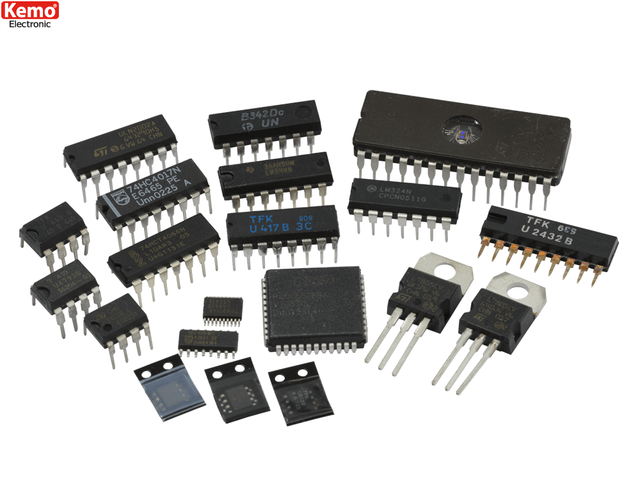
Have you ever struggled to understand the tiny details about an electronic part you want to use? Maybe you wondered if it will fit your project or handle the power you need.
That’s where electronic component datasheets come in. These documents hold the key to unlocking everything you need to know about a component’s performance and limits. If you want to make smarter choices and avoid costly mistakes, understanding datasheets is a must.
Keep reading, and you’ll discover how to read and use them like a pro, saving you time and frustration in your next project.

Credit: forum.digikey.com
Electronic Component Datasheets Basics
Electronic component datasheets are crucial documents in the electronics field. They provide essential details about electronic components. Engineers and hobbyists use them to understand component specifications. This knowledge ensures components work correctly in circuits. Let’s explore the basics of electronic component datasheets.
Purpose Of Datasheets
Datasheets serve as a guide for electronic components. They help users select the right components for projects. They also detail how to use components safely and effectively. Engineers rely on them to avoid costly errors in designs.
Key Information Included
Datasheets contain vital information about components. This includes:
- Electrical Characteristics:Voltage, current, and power ratings.
- Physical Dimensions:Size and package type.
- Environmental Limits:Temperature and humidity ranges.
- Pin Configuration:Layout and function of pins.
- Performance Graphs:Data on efficiency and response times.
Common Formats And Standards
Datasheets follow specific formats and standards. They ensure consistency and clarity. Common formats include PDF and HTML. Standards often follow industry guidelines. This uniformity helps users understand and compare components easily.
Reading Datasheet Sections
Reading an electronic component datasheet can seem overwhelming at first, but focusing on key sections helps you get the exact information you need quickly. Each part of the datasheet serves a specific purpose, guiding your design choices and ensuring your project runs smoothly. Understanding how to navigate these sections turns a dense document into a practical tool.
Electrical Characteristics
This section tells you how the component behaves under different electrical conditions. It lists important values like voltage, current, power consumption, and switching speeds. Knowing these helps you ensure your circuit will operate safely and efficiently without damaging the component.
Think about the last time you tried powering a device without checking its voltage limits—you probably risked frying it. The electrical characteristics prevent that by setting clear operational boundaries.
Mechanical Drawings
Mechanical drawings show the physical size and shape of the component. These include dimensions, mounting hole locations, and package type. This info is crucial if you’re designing a PCB or need to fit parts into a tight space.
Imagine ordering a component only to find it doesn’t fit on your board. The mechanical drawings section saves you from such costly mistakes.
Pin Configuration And Functions
This part explains what each pin on the component does. It typically includes a diagram and a table describing the function of every pin, like power input, ground, or signal output. Understanding pin functions is essential for correct wiring and avoiding damage.
Have you ever connected a pin incorrectly and wondered why your circuit failed? Double-checking this section can prevent those frustrating errors.
Absolute Maximum Ratings
Absolute maximum ratings define the limits beyond which the component may be permanently damaged. These include maximum voltage, current, temperature, and other stress parameters. Staying within these limits ensures your component’s reliability and longevity.
Ignoring these ratings might seem harmless, but even brief exposure to extreme conditions can ruin your component. Are you confident your design respects these critical limits?
How To Use Datasheets Effectively
Using datasheets effectively is key to choosing the right electronic components. These documents hold detailed information about each part. Knowing how to read and use them saves time and avoids mistakes. Datasheets help ensure your design works as planned.
Selecting Components For Your Design
Start by checking the basic specifications. Look for parameters like voltage, current, and power ratings. Confirm the component meets your project’s needs. Pay attention to the package type and pin configuration. This ensures physical fit and easy integration.
Consider the operating temperature range. Select parts that work well in your environment. Look for manufacturer recommendations and application notes. They offer useful tips for real-world use.
Verifying Compatibility
Check if the component matches other parts in your circuit. Confirm voltage levels and signal types are compatible. Look for maximum ratings to avoid damage. Cross-reference datasheets for interface requirements.
Ensure the component’s timing and frequency specs fit your design. Verify power supply needs and grounding methods. Proper compatibility prevents circuit failures.
Interpreting Graphs And Tables
Datasheets include graphs showing performance under different conditions. Study these to understand behavior changes with temperature, voltage, or frequency. Tables list detailed values like pin functions and electrical limits.
Focus on typical and maximum values. Use graphs to predict how components react in real use. This helps in selecting parts with reliable performance.

Credit: www.reddit.com
Datasheet Symbols And Terminology
Understanding datasheet symbols and terminology is essential when working with electronic components. These symbols and terms provide a universal language that helps you quickly grasp the component’s capabilities and limitations. Without this knowledge, you might misinterpret crucial information, leading to design errors or component failure.
Common Electrical Symbols
Datasheets use a variety of symbols to represent electrical characteristics and features. Recognizing these symbols saves you time and reduces confusion. Some common ones include:
- V– Voltage
- I– Current
- R– Resistance
- C– Capacitance
- L– Inductance
- Tj– Junction Temperature
These symbols often appear next to values or graphs, guiding you through the component’s behavior under different conditions. Have you ever been stuck trying to decode a datasheet? Learning these symbols first makes that process much smoother.
Technical Terms Explained
Datasheets are filled with technical terms that might seem overwhelming at first. Key terms to know include:
- Forward Voltage (Vf):The voltage drop across a component when it’s conducting current.
- Maximum Rating:The highest limits of voltage, current, or temperature the component can safely handle.
- Gain (hFE):A measure of how much a transistor amplifies current.
- Rise Time (tr):The time it takes for a signal to go from low to high.
Understanding these terms helps you predict how the component performs in real circuits. Think about how different your projects would be if you ignored these specs. Would your circuits still function as expected?
Units Of Measurement
Units give meaning to the numbers you see in datasheets. Knowing the units helps you compare components and avoid mistakes. Common units include:
| Parameter | Unit | Example |
|---|---|---|
| Voltage | Volts (V) | 5 V, 12 V |
| Current | Amperes (A) | 0.1 A, 2 A |
| Resistance | Ohms (Ω) | 220 Ω, 1 kΩ |
| Capacitance | Farads (F) | 10 µF, 100 nF |
| Frequency | Hertz (Hz) | 60 Hz, 1 MHz |
When you understand units, you can better judge if a component fits your design needs. What if you mix up milliamps and amps? The consequences can be costly or dangerous.
Sources For Reliable Datasheets
Finding reliable electronic component datasheets is key to making informed design decisions. The quality and accuracy of these datasheets directly impact your project’s success. Knowing where to look can save you time and prevent costly errors.
Manufacturer Websites
Manufacturer websites are the most trustworthy source for datasheets. They provide the latest and most accurate information straight from the source. You can often find additional resources like application notes, reference designs, and software tools.
Visiting the official site of a component brand ensures you’re getting datasheets that reflect the current product specs. Have you ever downloaded a datasheet only to realize it was outdated? Manufacturer sites help you avoid that issue.
Authorized Distributors
Authorized distributors like Digi-Key, Mouser, and Arrow are reliable sources as well. They host datasheets vetted by the manufacturers themselves. Plus, these sites often include stock availability and pricing details.
Using distributors can be a double win: you get trustworthy datasheets and can order parts immediately. This saves you from searching multiple sources and wondering if the datasheet matches the actual product.
Third-party Databases
Third-party databases such as Octopart or Datasheet Archive collect datasheets from many manufacturers. They offer convenience by aggregating multiple datasheets in one place. However, the risk is that some datasheets might be outdated or incomplete.
Always cross-check datasheets from third-party sites with official sources. Have you checked a datasheet on a third-party site only to find inconsistencies later? Use these databases as a starting point, not your sole reference.
Tips To Avoid Datasheet Misinterpretation
Datasheets are packed with critical information, but misreading them can lead to costly mistakes in your projects. Avoiding common pitfalls starts with a careful and informed approach. Here are some practical tips to help you interpret datasheets accurately and confidently.
Checking Revision History
Datasheets often get updated as manufacturers improve their components or correct errors. Always check the revision history section to ensure you’re using the latest version. Using outdated specs can cause compatibility issues or performance problems.
Have you ever noticed a part behaving differently than expected? It might be due to changes in the datasheet that you missed. Staying updated saves you time and prevents unexpected troubleshooting.
Cross-referencing Multiple Sources
Relying on a single datasheet can be risky. Sometimes, different manufacturers or distributors provide slightly different information. Comparing datasheets from multiple sources helps you spot inconsistencies and verify critical parameters.
For example, if the maximum voltage rating varies between datasheets, cross-referencing helps you choose the safest value. This practice boosts your confidence in the component’s true capabilities.
Consulting Application Notes
Application notes are like detailed guides that explain how to use a component in real-world scenarios. They often clarify ambiguous datasheet terms and provide practical design tips. Don’t skip these documents—they can answer questions the datasheet leaves open.
Imagine trying to design a power circuit without guidance on handling thermal issues. Application notes often provide that crucial insight. Have you checked if there’s an application note for your component before finalizing your design?

Credit: datasheet99.wordpress.com
Frequently Asked Questions
What Is An Electronic Component Datasheet?
An electronic component datasheet provides detailed technical specifications. It includes electrical characteristics, mechanical dimensions, and application guidelines. Engineers use it to ensure proper component selection and circuit design. Datasheets help avoid errors and improve device performance.
Why Are Datasheets Important For Electronic Components?
Datasheets offer critical data for design accuracy. They help engineers understand component limits and capabilities. Using datasheets reduces risk of malfunction or failure. They guide proper usage and ensure compatibility within circuits.
What Key Information Is Found In Datasheets?
Datasheets include voltage, current, power ratings, pin configuration, and package details. They also provide thermal characteristics and typical performance graphs. This information assists in precise circuit design and component integration.
How Do Engineers Use Datasheets In Design?
Engineers analyze datasheets to select suitable components. They check parameters like tolerance, max ratings, and operating conditions. Datasheets help in simulating circuits and ensuring reliability before production.
Conclusion
Electronic component datasheets provide key details about parts. They help you understand specifications, limits, and uses. Reading datasheets saves time and avoids mistakes. Datasheets guide you in choosing the right component. Every engineer and hobbyist benefits from knowing datasheet basics.
Keep datasheets handy for clear, accurate information. They make working with electronics easier and safer. Datasheets are a simple tool for smarter decisions. Use them to build better, reliable projects.
Leave a Reply