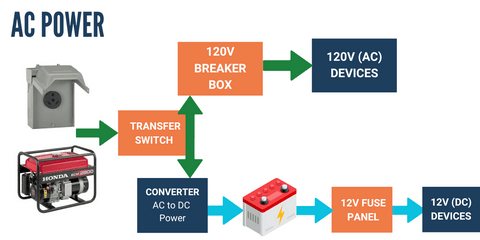
Have you ever wondered what keeps your RV’s gadgets running smoothly on the road? Understanding what an RV electronic component is can change the way you manage your vehicle’s systems.
These small but powerful parts work behind the scenes to power everything from your lights to your entertainment system. If you want to make sure your RV stays reliable and comfortable, knowing about these components is a must. Keep reading, and you’ll discover how these electronic pieces play a crucial role in your RV experience—and how you can keep them in top shape.
Rv Electronics Basics
Understanding the basics of RV electronics can make a huge difference in how you manage your vehicle’s systems. These components control everything from lighting to navigation, ensuring comfort and safety on the road. Knowing what each part does helps you troubleshoot issues and make smarter upgrades.
Main Functions
RV electronic components serve several key purposes:
- Power management:They regulate electricity from your batteries and external sources to keep everything running smoothly.
- Control systems:These allow you to operate appliances, lighting, and climate controls with ease.
- Communication:Components like radios and GPS units keep you connected and on track.
- Safety features:Sensors and alarms monitor your vehicle’s health and alert you to potential problems.
Have you ever wondered why some RVs feel like moving homes? It’s the careful coordination of these functions that makes living on the road comfortable.
Common Systems
Several electronic systems are standard in most RVs, each with its own role:
- Battery and charging system:Keeps your RV powered whether you’re plugged in or off-grid.
- Lighting control:Manages interior and exterior lights, often with energy-saving features.
- Entertainment systems:Includes TVs, radios, and speakers designed for mobile use.
- Climate control:Thermostats, air conditioners, and heaters to keep your space comfortable.
- Navigation and safety:GPS units, backup cameras, and tire pressure monitors help you drive safely.
Think about your last trip—did you rely on any of these systems? Understanding how they work can help you improve your next adventure.
Power Sources
Power sources are the backbone of any RV electronic system. Without reliable energy, your devices and appliances won’t work properly, leaving you disconnected or uncomfortable on the road. Understanding the different types of power sources can help you choose the best setup for your needs and travel style.
Batteries
Batteries store electrical energy and provide power when you’re off the grid. Most RVs use deep-cycle batteries because they can discharge and recharge repeatedly without damage.
Lead-acid and lithium-ion are the two most common types. Lithium-ion batteries last longer and weigh less but come with a higher upfront cost.
Think about how long you typically camp without hookups. That will guide you on the battery capacity you need to avoid running out of power unexpectedly.
Inverters
Inverters convert the DC power from your batteries into AC power used by most household appliances. Without an inverter, many of your devices simply won’t run.
Choosing the right inverter depends on what you want to power. A pure sine wave inverter is better for sensitive electronics, while a modified sine wave inverter works for simpler devices.
Have you checked the wattage requirements of your devices? Matching your inverter’s capacity to your needs ensures you won’t overload your system.
Solar Panels
Solar panels offer a renewable way to recharge your batteries while parked or driving. They can extend your time away from electrical hookups and reduce reliance on generators.
Solar power effectiveness depends on panel size, placement, and sunlight availability. Even on cloudy days, solar panels provide some charge, but optimal positioning matters a lot.
Consider your travel destinations and how much sun you expect. Adding solar panels might seem costly upfront, but the freedom they provide can be worth every penny.
Control Components
RV electronic components control and manage electrical systems in recreational vehicles. They ensure smooth operation of lights, motors, and other devices inside the RV. These parts are essential for safe and comfortable travel.
Control components are crucial for the smooth operation of RV electronic systems. They manage the flow of electricity, ensuring your RV remains safe and functional. Understanding these components can help you troubleshoot issues and make informed upgrades. Curious about how these components work? Let’s explore their roles in more detail.Switches And Relays
Switches and relays are the gatekeepers of electricity in your RV. Switches allow you to manually control the power flow to various appliances. Imagine flipping a switch to turn on your RV lights; that’s the switch at work. Relays, on the other hand, are automatic switches controlled by electrical signals. They enable low-current circuits to control high-current circuits, essential for things like starting your RV’s engine with a small ignition switch.Circuit Breakers
Circuit breakers are the unsung heroes of your RV’s electrical system. They automatically stop the electrical flow in case of an overload, preventing potential fires. Think of them as the bouncers at a club, ensuring only the right amount of electricity enters the party. If your microwave suddenly stops mid-cooking, a tripped circuit breaker might be the culprit. Resetting it is often as easy as flipping a switch back on.Fuses
Fuses are safety devices designed to protect your RV’s circuits. They break the circuit if the current gets too high, similar to circuit breakers, but need replacing once blown. Picture them as the sacrificial components, taking the damage to save the rest of the system. Keeping a stock of spare fuses in your RV is a smart move. When a fuse blows, swapping it out can be a quick fix to restore functionality. Understanding these control components can empower you to maintain and troubleshoot your RV’s electrical system effectively. Have you ever had to replace a fuse or reset a circuit breaker on the road? Share your experience in the comments!
Credit: rvcomponents.visonerv.com
Lighting Elements
Lighting elements are crucial electronic components in an RV. They not only provide illumination but also improve safety and ambiance. Choosing the right lighting can make your RV feel more like home and enhance your travel experience.
Led Lights
LED lights are popular in RVs due to their energy efficiency and long lifespan. They consume less power, which helps preserve your battery during trips. Plus, LEDs produce less heat, making them safer to use in small spaces.
Think about the last time you upgraded to LED lighting in your RV. Did you notice how much brighter and clearer the space became? LEDs come in various colors and brightness levels, so you can customize your lighting exactly how you want it.
Interior And Exterior Lighting
Interior lighting in an RV includes ceiling lights, reading lamps, and accent lights. These lights create a comfortable and functional living space. You can use dimmable options to adjust the mood depending on the time of day or activity.
Exterior lighting is just as important for safety and convenience. It includes porch lights, awning lights, and security lights around the RV. Well-placed exterior lights help you navigate around your RV at night and deter unwanted visitors.
- Interior lighting improves comfort and usability inside your RV.
- Exterior lighting enhances safety and visibility outside.
- Choosing the right type of lighting can save energy and extend battery life.
Have you checked if your RV lighting setup matches your travel habits? Small changes in your lighting system can make your trips safer and more enjoyable.
Communication Devices
Communication devices are essential electronic components in an RV, keeping you connected and informed during your travels. These devices ensure you can reach help, get updates, and navigate unfamiliar areas with ease. Understanding how these tools work can help you choose the right setup for your adventure.
Radios And Antennas
Radios play a key role in RV communication, offering a reliable way to stay in touch over long distances. CB radios are popular among RVers for their simplicity and range, especially in areas without cell service. Pairing your radio with a quality antenna improves signal strength, letting you communicate clearly even in remote locations.
Think about the last time you lost phone signal on a road trip. A good radio setup could have kept you connected with fellow travelers or emergency services. Choosing the right frequency and antenna type depends on where you plan to roam and how far you want your signal to reach.
Gps Systems
GPS devices guide you through unfamiliar routes and help you avoid getting lost. Unlike smartphones, dedicated GPS systems don’t rely on cellular networks, so they work well in remote areas. Many RV GPS units include features tailored for large vehicles, like route planning that avoids low bridges and narrow roads.
Have you ever found yourself stuck on a road not meant for RVs? A specialized GPS can save you from costly mistakes and stressful detours. Investing in a reliable GPS ensures you arrive safely and on time, making your journey smoother and more enjoyable.
Entertainment Electronics
Entertainment electronics in an RV bring comfort and joy on the road. These components transform your vehicle into a cozy space where you can relax and enjoy your favorite media. Whether you’re parked at a scenic spot or on a long journey, having reliable entertainment options makes all the difference.
Audio Systems
Audio systems in RVs include speakers, amplifiers, and receivers designed to deliver clear sound in a compact space. Many RV owners add Bluetooth connectivity to stream music directly from their phones or tablets. You might find it surprising how a good audio setup can elevate your camping experience, making evenings around the campfire even better with your favorite tunes.
Consider installing soundbar systems or multi-speaker setups to cover both indoor and outdoor areas. This way, you won’t miss out on music whether you’re inside the RV or enjoying fresh air outside. Have you ever thought about how sound quality affects your mood during travel?
Television And Monitors
TVs and monitors in RVs are often compact but packed with features like LED screens, smart capabilities, and built-in streaming apps. Many come with swivel mounts or can be tucked away when not in use, saving valuable space. Having a TV lets you catch up on shows or watch movies during downtime, adding a familiar home touch to your travels.
Some RV models include external monitors for outdoor viewing, perfect for movie nights under the stars. Choosing the right size and resolution depends on your space and viewing preferences. What shows or movies would you want to keep handy on your next trip?
Sensors And Monitors
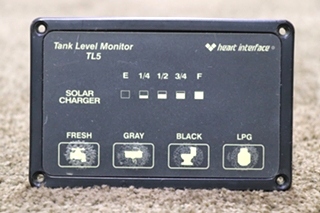
Sensors and monitors are the silent guardians of your RV’s electrical system. They keep a constant watch on critical components, helping you avoid unexpected breakdowns and maintain peak performance. Understanding these devices can save you both time and money on the road.
Battery Monitors
Battery monitors track the health and charge level of your RV’s battery. They provide real-time information about voltage, current, and state of charge, so you know exactly when to recharge or replace your battery.
Imagine being miles away from a service station and your monitor alerts you to a dropping battery voltage. That heads-up could prevent being stranded without power. Plus, some advanced monitors even estimate how many hours of power remain based on your current usage.
Choosing the right battery monitor means considering your battery type and capacity. Look for easy-to-read displays and compatibility with your RV’s electrical system. Have you ever had to guess your battery status only to find out it was dead? A good monitor takes away that guesswork.
Temperature Sensors
Temperature sensors measure the heat levels in your RV’s battery compartment, engine area, or other critical components. Overheating can cause serious damage or reduce the lifespan of your electronics.
These sensors help you catch temperature spikes early, allowing you to take action before things get dangerous. For example, if your battery compartment gets too hot, a temperature sensor can trigger a fan or send an alert to your control panel.
Installing temperature sensors is a smart move if you travel through extreme climates. Have you noticed your RV’s performance dipping on hot days? Monitoring temperature can explain why and help you protect your investment.
Wiring And Connectors
Wiring and connectors are the backbone of any RV electronic system. They ensure that power and signals move safely and efficiently throughout your vehicle. Choosing the right wiring and connectors can prevent many common electrical issues that RV owners face.
Types Of Wiring
Not all wires are the same. In RVs, the most common types include:
- Stranded Wire:Flexible and ideal for areas that require bending or movement.
- Solid Wire:Rigid and best for permanent, fixed wiring.
- Coaxial Cable:Used for TV and internet connections.
- Thermoplastic Wire:Resistant to heat, perfect for engine compartments.
Choosing the right gauge is crucial. Thicker wires handle more current but are less flexible. Have you checked if your wiring matches your system’s power needs?
Connectors And Terminals
Connectors link wires to devices or other wires, ensuring a secure connection. Common types include:
- Crimp Connectors:Easy to install with a crimping tool; great for quick repairs.
- Soldered Connections:Offer strong, durable bonds but require more skill.
- Blade Connectors:Snap in and out easily, useful for frequently disconnected parts.
- Ring Terminals:Attach securely to screws or bolts, ideal for grounding.
Using the wrong connector can cause shorts or poor connections. Have you inspected your connectors for corrosion or looseness lately?
Maintenance Tips
Keeping your RV electronic components in top shape is essential for smooth travels and avoiding unexpected breakdowns. Regular maintenance helps you spot small issues before they turn into costly repairs. Let’s look at some practical tips that you can easily apply to extend the life of your RV’s electronics.
Regular Inspections
Make it a habit to check your RV’s electronic components every few weeks. Look for loose connections, frayed wires, or corrosion around terminals. These small problems can cause big headaches if ignored.
Try to keep a checklist of key parts to inspect, such as the battery terminals, wiring harness, and fuse box. Paying attention to the condition of these parts can save you time and money later.
Have you noticed any unusual flickering lights or slow system responses? These might be early signs that a component needs attention during your inspection.
Troubleshooting Common Issues
If an electronic device in your RV isn’t working properly, start by isolating the problem. Check the power source first—batteries, fuses, and circuit breakers often cause issues.
Use a multimeter to test voltage levels and continuity. This simple tool can quickly tell you if a wire is broken or a fuse is blown.
Sometimes, resetting a system or disconnecting and reconnecting a component can fix glitches. Don’t overlook the power of a quick reboot.
What’s the last electronic problem you fixed yourself? Reflecting on your experience can help you troubleshoot faster next time.

Credit: rveliteparts.com
Credit: rvcomponents.visonerv.com
Frequently Asked Questions
What Is An Rv Electronic Component?
An RV electronic component is a device used in recreational vehicles for electrical functions. It includes sensors, controllers, and wiring essential for RV systems like lighting, power management, and safety features.
How Do Rv Electronic Components Improve Vehicle Functionality?
They enhance comfort, safety, and efficiency by controlling lighting, battery management, and climate systems. These components automate tasks and monitor vehicle status, making RV travel more convenient and reliable.
Where Are Rv Electronic Components Commonly Used?
They are found in RVs’ electrical panels, lighting systems, HVAC controls, and battery monitors. These components support essential functions such as power distribution, temperature regulation, and security systems.
Why Is Maintenance Of Rv Electronic Components Important?
Proper maintenance ensures reliability and prevents system failures. Regular checks and cleaning extend component life, avoid costly repairs, and keep all RV electronics functioning optimally during travel.
Conclusion
RV electronic components help keep your vehicle’s systems working smoothly. They control lights, sensors, and safety features inside the RV. Understanding these parts makes it easier to troubleshoot problems. They play a key role in comfort and safety during travel.
Knowing what each component does saves time and money. This knowledge helps you enjoy your RV trips without worry. Keep your RV’s electronics in good shape for a better experience. Simple care and regular checks can prevent many issues.
Leave a Reply