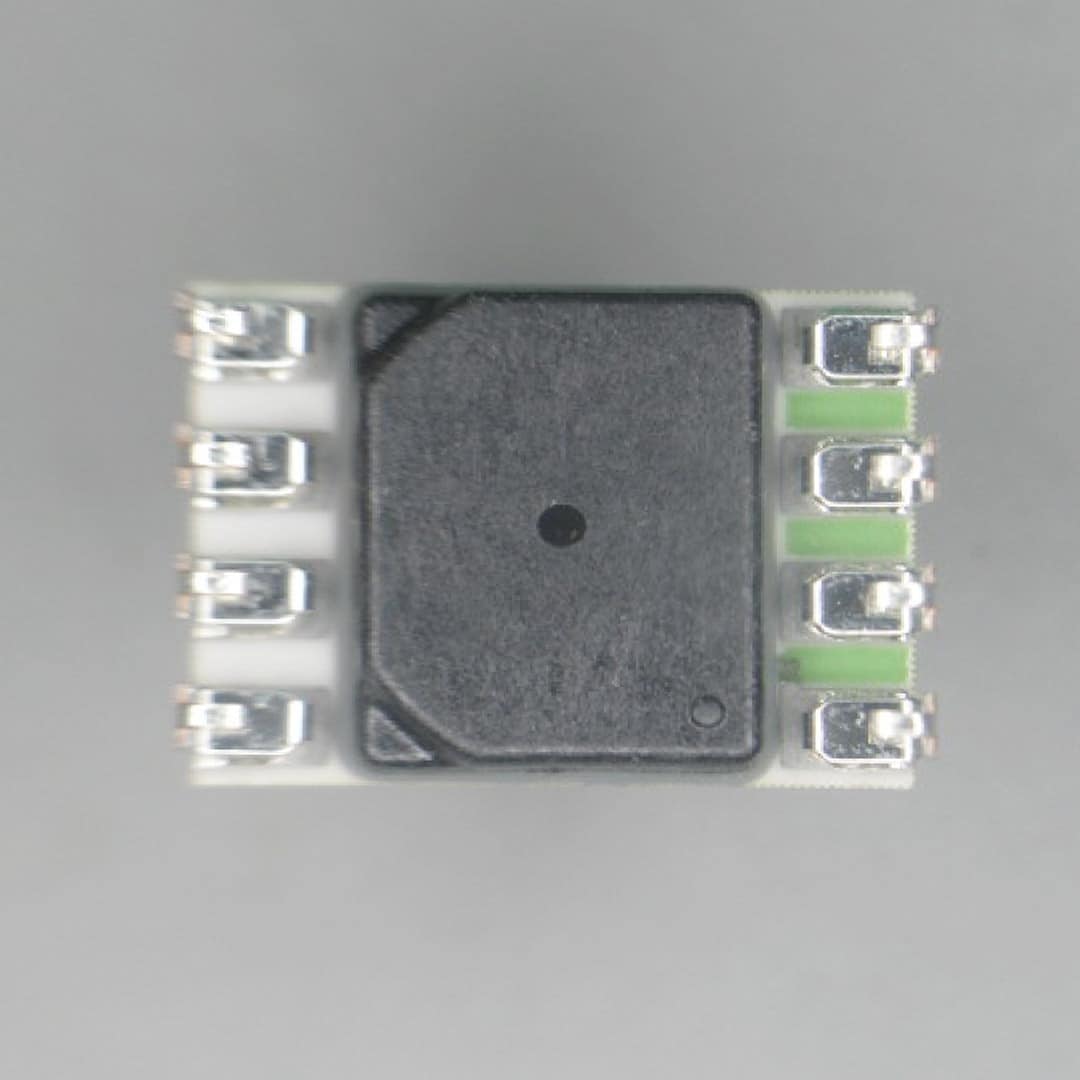
Have you ever wondered if the electronic parts you use are genuine or fake? Using counterfeit electronic components can cause serious problems, from device failure to safety risks.
Knowing how to spot these fake parts can save you time, money, and headaches. You’ll discover simple and effective ways to detect counterfeit components before they cause damage. By the end, you’ll feel confident in protecting your projects and investments.
Keep reading to learn how to guard yourself against costly mistakes.

Credit: www.agsdevices.com
Common Signs Of Counterfeit Components
Counterfeit electronic components often show uneven markings or poor print quality. Differences in size, color, or shape compared to genuine parts also indicate fake items. Inspecting packaging and labels carefully helps spot suspicious components quickly.
Detecting counterfeit electronic components is crucial to ensuring the reliability and safety of your devices. Counterfeit components can lead to malfunctions, safety hazards, and costly recalls. Spotting these fakes might seem daunting, but by knowing the common signs, you can protect your projects and investments. Here’s how to identify these counterfeit components using some practical techniques.Visual Inspection Techniques
Begin with a thorough visual inspection. Look for inconsistencies in the component’s appearance. Genuine components usually have a uniform look, with clean lines and finishes. Use a magnifying glass to examine the component closely. Check for rough edges, discoloration, or mismatched parts. These can be indicators of poor manufacturing standards, common in counterfeit products. Compare the suspect component with a known genuine one. Differences in shape, size, or color can reveal counterfeit items. Trust your instincts—if something looks off, it probably is.Packaging And Label Anomalies
Packaging can tell you a lot about a component’s authenticity. Genuine products come with high-quality packaging that protects them from damage. Inspect labels for spelling errors, incorrect logos, or unusual fonts. Manufacturers take great care in their branding, so mistakes can be a red flag. Check for missing information. Authentic labels include detailed specs and compliance marks. If any of these are absent, question the component’s legitimacy.Marking And Logo Irregularities
Markings and logos are more than just branding; they’re authenticity markers. Counterfeiters often struggle to replicate these precisely. Examine the logos for clarity and precision. Blurry or misaligned logos suggest counterfeit origins. Look for unusual markings or codes. Genuine components have specific markings that adhere to industry standards. Any deviation from these can be a sign of counterfeit goods. Being vigilant and informed can save you from the pitfalls of counterfeit components. By employing these techniques, you not only safeguard your projects but also gain confidence in your component sourcing. Are you ready to put your detective skills to the test?Testing Methods For Authenticity
Testing electronic components helps confirm their authenticity. These tests reveal if parts meet genuine quality standards or if they are counterfeit. Using proper testing methods reduces risks in manufacturing and repairs.
Several techniques check different aspects of components. Each method targets specific features, from electrical behavior to internal structure. Combining tests improves accuracy in detecting fake parts.
Electrical Performance Testing
This test measures how the component operates under normal conditions. It checks parameters like voltage, current, resistance, and signal response. Genuine parts show consistent electrical behavior as per specifications.
Counterfeit parts often fail or show irregular readings. Testing includes:
- Functional testing on test benches
- Measuring operating voltage and current
- Checking timing and signal integrity
These tests are quick and cost-effective for initial screening.
X-ray And Microscopy Analysis
X-ray imaging reveals internal structures without damaging components. It shows solder joints, wire bonds, and packaging details. Genuine parts have precise, neat internal layouts.
Microscopy examines surface features at high magnification. It detects irregular markings, scratches, or mismatched fonts on labels. Counterfeit parts often show poor craftsmanship under the microscope.
- Inspecting solder joints and ball grid arrays
- Checking for hidden defects or modifications
- Comparing images to known genuine samples
Decapsulation And Die Inspection
This method removes the component’s outer casing to expose the silicon die inside. Experts examine the die for manufacturing marks and design details. Genuine dies have unique patterns and logos.
Counterfeit parts may have reused or altered dies. Die inspection detects tampering or substitution. This test requires specialized tools and experienced technicians.
- Removing packaging chemically or mechanically
- Visual inspection of die surface
- Comparing die images to authentic references
Sourcing From Reliable Suppliers
Sourcing electronic components from reliable suppliers is crucial to avoid counterfeit parts that can jeopardize your projects. Reliable suppliers maintain strict quality controls and traceability, giving you confidence in the authenticity of what you receive. Have you ever received a batch of components that just didn’t perform as expected? The root cause often lies in where those parts came from.
Authorized Distributors And Manufacturers
Authorized distributors and manufacturers are your safest bet for genuine components. These suppliers have direct relationships with the original manufacturers and follow strict protocols to ensure product authenticity.
Buying from them means you get the proper documentation, such as certificates of conformity and traceability records. These documents are essential if you need to verify the origin or quality of parts later on.
Consider signing up for alerts or newsletters from authorized distributors to stay updated on product recalls or changes. This proactive approach can save you from unknowingly purchasing counterfeit parts.
Avoiding Gray Market Channels
Gray market channels often lure buyers with attractive prices or quick availability, but they come with significant risks. These suppliers may sell genuine-looking parts that are actually recycled, counterfeit, or refurbished without disclosure.
Ask yourself: is the price too good to be true? If yes, it probably is. You might think you’re saving money upfront, but the cost of failure and replacement can be much higher.
Stick to suppliers who openly share their sourcing policies and have visible reputations in the industry. Reading reviews and seeking recommendations can help you steer clear of risky gray market vendors.
Supplier Verification Practices
Verifying your supplier before making a purchase is a step you can’t skip. Start by checking their certifications, such as ISO 9001 or industry-specific approvals that demonstrate quality management.
Request sample components for testing before committing to large orders. This hands-on check can reveal inconsistencies or irregularities early.
Use online tools and databases to confirm the legitimacy of supplier licenses and business registrations. Don’t hesitate to ask for references or past client feedback. These small checks help you avoid costly mistakes and build trust with your suppliers.
Using Technology To Detect Fakes
Technology plays a key role in spotting fake electronic parts. It adds layers of security and helps verify authenticity quickly. Using smart tools reduces risks and saves money for businesses.
These tools track parts from creation to delivery. They use data, records, and smart systems to confirm genuine components. This section explains some popular tech solutions for detecting counterfeit electronics.
Serial Number Tracking Systems
Every electronic part has a unique serial number. Tracking systems record these numbers along the supply chain. This creates a digital trail for each component.
By checking serial numbers against a database, companies confirm if parts are real. Fake parts often have missing or duplicated numbers. Tracking systems flag these issues fast.
This method helps prevent fake components from entering the market. It also makes recalls and audits easier and more accurate.
Blockchain For Supply Chain Transparency
Blockchain stores data in a secure and unchangeable way. It records every step a part takes from manufacturer to buyer.
This transparency helps buyers trust the origin of parts. Each transaction is visible and verified by many users.
Blockchain reduces chances of fake parts slipping through. It also improves accountability across the supply chain.
Ai And Machine Learning Applications
Artificial intelligence can analyze large data sets quickly. Machine learning models spot unusual patterns and signs of fake parts.
AI inspects images and specifications to detect subtle differences. It learns from past cases to improve accuracy over time.
This technology supports manual inspections and speeds up verification. It helps companies stay ahead of sophisticated counterfeit methods.
Preventive Measures For Businesses
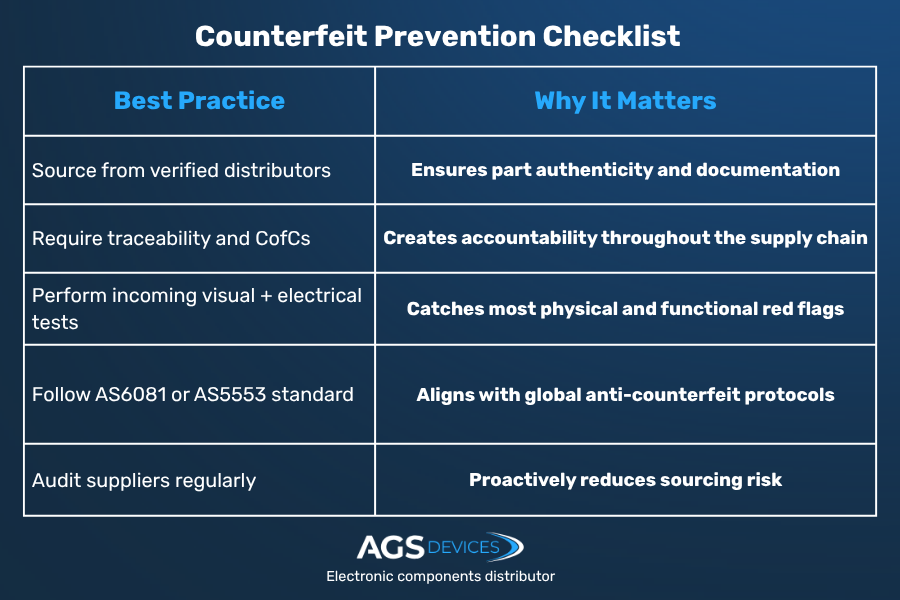
Businesses face serious risks from counterfeit electronic components. These fake parts can cause device failures and damage a company’s reputation. Preventive measures help reduce these risks by spotting problems early and keeping quality high. Setting up strong defenses protects both the product and the customer.
Employee Training And Awareness
Train employees to identify counterfeit parts. Teach them common signs such as unusual markings or poor packaging. Encourage vigilance during inspections and receiving shipments. Regular workshops help keep knowledge fresh. Well-informed staff act as the first line of defense against fake components.
Establishing Component Traceability
Track parts from suppliers to final products. Use serial numbers and batch codes to verify origin. Maintain detailed records for every component. Traceability allows quick action if counterfeit parts appear. It builds trust with customers and helps meet industry standards.
Implementing Quality Control Protocols
Set strict testing rules for incoming components. Include visual checks, electrical testing, and material analysis. Use trusted labs for advanced inspections. Reject suspicious parts immediately. Quality control ensures only genuine components reach production lines.
Credit: www.agsdevices.com

Credit: suntsu.com
Frequently Asked Questions
What Are Common Signs Of Counterfeit Electronic Components?
Counterfeit components often have inconsistent markings, poor build quality, and unusual packaging. Check for spelling errors, faded logos, and irregular shapes. Verify serial numbers with manufacturers to ensure authenticity.
How Can I Verify Electronic Component Authenticity?
Use visual inspection, cross-check datasheets, and employ X-ray or decapsulation tests. Purchase from authorized distributors and request certificates of authenticity to reduce counterfeit risks.
Why Is Detecting Counterfeit Components Important?
Counterfeit parts can cause device failure, safety hazards, and financial loss. Ensuring genuine components improves product reliability and protects brand reputation.
What Tools Help Identify Fake Electronic Parts?
Magnifying glasses, microscopes, X-ray machines, and decapsulation equipment help reveal inconsistencies. Software tools can verify serial numbers and compare datasheets effectively.
Conclusion
Detecting fake electronic parts saves money and prevents failures. Always inspect labels, packaging, and markings closely. Test components with simple tools when possible. Buy from trusted suppliers to reduce risks. Staying alert helps protect your projects and devices. Use these tips to spot counterfeits early.
Small steps make a big difference in quality. Keep learning to stay one step ahead. Your careful checks ensure safe, reliable electronics every time.
Leave a Reply