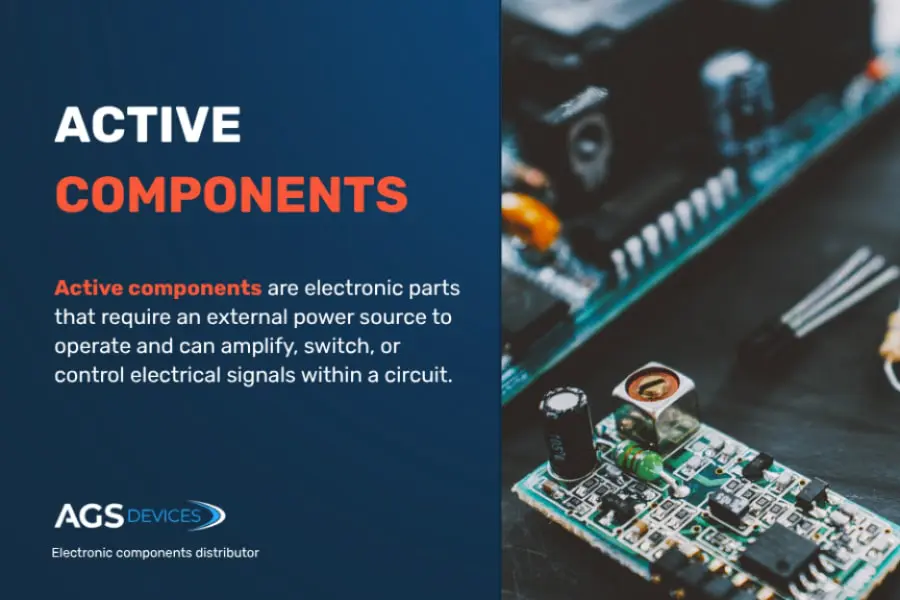
Have you ever wondered how electronic devices actually work? At the heart of every gadget you use lies a network of electronic components.
But what makes these components come alive and communicate with each other? The answer often boils down to one simple question: is a physical connection between electronic components really necessary? If you want to understand how your devices function and why these connections matter, keep reading.
This article will clear up the mystery and show you why physical links might be more important than you think.
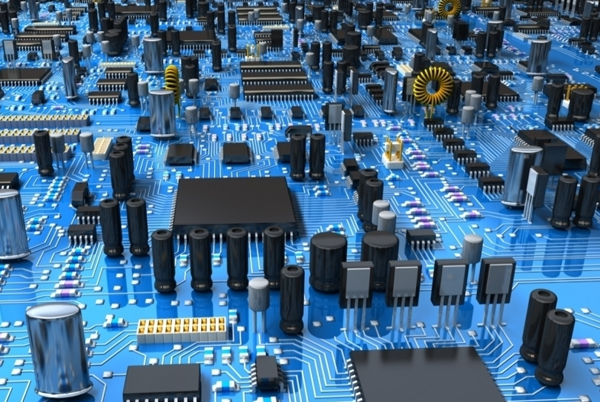
Credit: www.topfastpcb.com
Role Of Physical Connections
Physical connections in electronic components are like the unsung heroes of technology. They ensure that different parts of a device communicate effectively. Without them, your gadgets simply wouldn’t function. Imagine trying to call a friend without a phone line or a network connection. That’s how crucial these connections are in the world of electronics. Whether it’s a smartphone, computer, or your new smart fridge, each relies on these links to operate seamlessly. Let’s dive into the various roles these physical connections play.
Types Of Physical Connections
Physical connections can be broadly categorized into two types: wired and wireless. Wired connections, such as USB, HDMI, and Ethernet, use physical cables to transmit data. They are often preferred for stable and high-speed data transfer.
Wireless connections, on the other hand, include Bluetooth, Wi-Fi, and infrared. These eliminate the need for cables, offering flexibility and convenience. However, they may sometimes compromise on speed compared to their wired counterparts.
Impact On Signal Integrity
Signal integrity is crucial for maintaining the quality of data transmission. Physical connections play a significant role in ensuring signals remain strong and clear. A poor connection can lead to data loss or corruption.
Think about the times when a loose HDMI cable resulted in a fuzzy TV screen. Ensuring tight and secure connections helps maintain signal quality, providing a better user experience.
Connection Durability
The durability of a connection affects how long it can function without failure. Consider the number of times you plug and unplug your phone charger. Each time, the connection is tested for durability.
High-quality materials and design enhance the lifespan of these connections. Investing in durable connections means fewer replacements and repairs, saving you time and money in the long run.
Have you ever thought about how often you rely on these connections throughout your day? Every time you charge your phone, watch TV, or connect to Wi-Fi, you’re interacting with these essential components. Ensuring they are robust and reliable can significantly enhance your tech experience.
Alternatives To Physical Connections
Alternatives to physical connections offer exciting ways to link electronic components without the need for wires or direct contact. These options can make your designs more flexible and reduce clutter. Understanding these alternatives can help you choose the best fit for your project’s needs.
Wireless Communication Methods
Wireless communication lets components exchange data without cables. Common options include Wi-Fi, Bluetooth, and Zigbee, each serving different ranges and power needs.
Imagine controlling a robot with your phone through Bluetooth—no tangled wires involved. This not only adds convenience but also increases mobility in your design.
- Wi-Fi:Best for high-speed data transfer over longer distances.
- Bluetooth:Ideal for short-range communication and low power consumption.
- Zigbee:Used in sensor networks where low data rates and energy efficiency matter.
Have you considered how cutting the cord could simplify your setup and reduce maintenance?
Optical And Magnetic Links
Optical and magnetic links provide physical connection alternatives that don’t rely on traditional wires. Optical methods use light, like infrared or lasers, to transmit data between components.
Magnetic links use magnetic fields to transfer power or signals, which can be handy in sealed or moving parts where wires might fail.
- Infrared communication:Common in remote controls and short-distance data transfer.
- Laser links:Offer precise, high-speed connections but require line-of-sight.
- Magnetic induction:Often used in wireless charging pads and data transfer in rotating devices.
Could optical or magnetic links be the secret to overcoming tough wiring challenges in your project?
Challenges With Non-physical Links
Non-physical connections come with their own set of hurdles. Signal interference, limited range, and power consumption are common issues you might face.
For example, Wi-Fi can suffer from congestion in crowded spaces, and infrared requires clear line-of-sight, which isn’t always practical.
Security is another concern—wireless signals can be intercepted if not properly encrypted. You need to weigh these challenges against the benefits.
How will you address these obstacles to ensure reliable performance in your design?
Reliability Factors Beyond Connections
When evaluating the reliability of electronic systems, it’s easy to focus solely on the physical connections between components. However, the dependability of these systems extends far beyond just wiring and solder joints. Understanding other critical factors can help you create more robust and long-lasting electronics.
Component Quality And Design
The quality of each electronic component plays a major role in overall system reliability. Cheaper parts might save you money upfront but can fail sooner, causing costly downtime or repairs.
Good design also matters. Components designed with tolerance to voltage fluctuations and heat stress will perform better under real-world conditions. Have you ever experienced a device that fails shortly after purchase? Often, poor design and low-quality components are the culprits.
Environmental Influences
Environmental conditions like temperature, humidity, and vibration impact electronic components significantly. Even the best connections can degrade if exposed to extreme heat or moisture.
Consider where your device will be used. Electronics in harsh industrial settings need extra protection compared to those in controlled indoor environments. Do you know the environmental challenges your project will face?
Error Detection And Correction
Connections might be perfect, but errors can still occur during data transmission or processing. Implementing error detection and correction techniques can greatly enhance reliability.
- Checksums and parity bits help identify corrupted data.
- Advanced methods like ECC memory automatically correct errors on the fly.
- These systems reduce the risk of silent failures that are hard to diagnose.
Have you built error-checking into your designs? Adding this layer of protection can save you from unexpected system crashes or data loss.
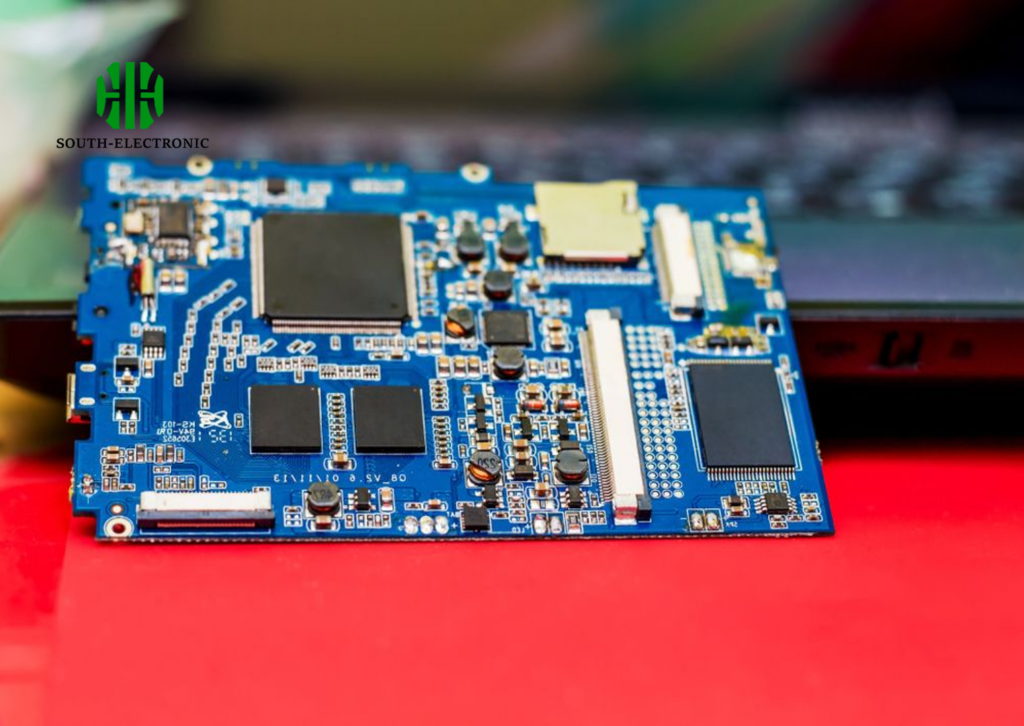
Credit: southelectronicpcb.com
Use Cases Favoring Physical Connections
Physical connections between electronic components remain essential in many scenarios. They offer reliability and performance that wireless or purely digital links sometimes can’t match. Let’s look at where these wired connections truly make a difference.
High-speed Data Transfer
When you need to move large amounts of data quickly, physical connections often outperform wireless solutions. Cables like HDMI, Thunderbolt, or Ethernet provide consistent speeds with minimal delay.
Imagine editing 4K videos directly from an external drive. A wired connection ensures smooth playback and fast file transfers without buffering.
Can wireless networks handle this level of performance without interruptions? Often, they struggle under heavy loads or interference.
Critical Safety Systems
In environments where safety is non-negotiable, physical connections offer greater stability and predictability.
Systems such as fire alarms, emergency shutdown controls, and medical devices rely on wired links to avoid failure risks. A dropped wireless signal could have serious consequences.
Have you considered how a loose or interrupted connection might affect emergency responses? Wired setups reduce that risk dramatically.
Industrial Applications
Factories and industrial plants often depend on physical connections for machinery and control systems. These environments present challenges like heavy metal interference and harsh conditions.
Wired connections maintain consistent communication between sensors, controllers, and actuators despite electrical noise or physical obstacles.
In your operations, could wireless signals handle the constant vibrations, temperature changes, and electromagnetic interference as reliably as a physical cable?
Future Trends In Connectivity
The future of connectivity in electronic components is rapidly evolving. New trends focus on improving speed, reliability, and flexibility. Innovations will change how devices connect physically and wirelessly. These developments aim to meet growing demands for faster data transfer and better performance.
Advancements In Wireless Reliability
Wireless connections are becoming more stable and secure. Technologies like 5G and Wi-Fi 6 improve signal strength and reduce interruptions. This means devices can communicate without physical wires more effectively. Better error correction and interference handling boost overall reliability.
Hybrid Connection Approaches
Combining physical and wireless connections offers the best of both worlds. Hybrid systems use wires for power and wireless for data transfer. This approach reduces cable clutter and increases flexibility. Devices can switch between connection types based on need and environment.
Emerging Materials And Technologies
New materials improve physical connectors by making them smaller and more durable. Conductive polymers and flexible circuits allow bending without breaking. Nanotechnology helps create connections with higher precision and lower resistance. These advances enhance performance and device lifespan.

Credit: www.anypcba.com
Frequently Asked Questions
What Is A Physical Connection In Electronic Components?
A physical connection links electronic parts using wires or solder. It allows signals and power to flow between components directly and reliably.
Why Is Physical Connection Important In Electronics?
Physical connections ensure stable communication and power transfer. They maintain circuit integrity and prevent signal loss or interference.
How Do Physical Connections Affect Electronic Device Performance?
Good physical connections reduce resistance and noise. This leads to efficient operation, better signal quality, and longer device lifespan.
Can Electronic Components Work Without Physical Connections?
Some components communicate wirelessly, but most need physical connections for power and data transfer in circuits.
Conclusion
Physical connections keep electronic components working well together. They allow signals to pass clearly and power to flow smoothly. Without these links, devices cannot function properly or communicate. Choosing the right connection type matters for performance and durability. This simple step helps avoid errors and saves time.
Understanding how components physically connect improves your electronic projects. It brings reliability and ease to your work. Small details in connections make a big difference overall.
Leave a Reply