
Are you confused about whether to choose electronic download or home delivery when getting your favorite products? You’re not alone.
Both options have their perks, but knowing the key differences can save you time, money, and hassle. You’ll discover what sets electronic downloads apart from home delivery, so you can make the best choice for your needs. Keep reading to find out which option fits your lifestyle perfectly!

Credit: www.ikea.com
Electronic Download Basics
The digital world has transformed the way we access content. Understanding the basics of electronic downloads is essential as they become increasingly integrated into our daily lives. Whether it’s music, movies, or software, electronic downloads offer a convenient and immediate way to access what you need. But how do they work, and what types of content are available for download? Let’s dive into the essentials.
How Electronic Downloads Work
Electronic downloads function through the internet, allowing you to transfer digital files from a server to your device. This process requires an internet connection and a compatible device to store and access the content. Once you purchase or acquire the file, a link is typically provided to initiate the download.
Imagine you just bought a new album from your favorite artist online. Instead of waiting for a physical CD to arrive, you instantly receive a link to download the tracks directly to your smartphone or computer. This immediacy is one of the biggest advantages of electronic downloads.
Types Of Downloadable Content
- Music and Audio Files:Platforms like iTunes and Amazon offer downloadable songs and albums, allowing you to build your music library easily.
- Movies and TV Shows:Services such as Netflix and Amazon Prime Video provide downloadable options for offline viewing on your devices.
- Software and Applications:Whether it’s productivity tools from Microsoft or creative suites from Adobe, software downloads are a staple of the digital landscape.
- eBooks and Digital Publications:Kindle and other eBook platforms provide a vast library of downloadable reading materials at your fingertips.
Have you ever wondered why your device sometimes feels overloaded? It might be time to evaluate the types of content you’re downloading and storing. By understanding these categories, you can better manage your digital library and make informed decisions about what you truly need.
Electronic downloads are more than just a modern convenience—they’re a gateway to a world of content at your fingertips. By grasping the basics and exploring the types available, you can enhance your digital experience and make the most of what technology has to offer.
Home Delivery Essentials
Home delivery is a popular way to receive goods directly at your doorstep. It saves time and effort by bringing items straight to your home. This method suits many people who prefer convenience over visiting stores. Understanding how home delivery works helps make better choices for shopping.
Process Of Home Delivery
The home delivery process begins with placing an order online or by phone. The seller then prepares the item for shipment. A delivery service picks up the package from the seller’s location. The package is transported to your area through various routes. Finally, the delivery person brings the item to your home. You may need to sign for the package upon arrival.
Common Items Delivered At Home
- Groceries like fruits, vegetables, and dairy products
- Clothing and shoes from fashion retailers
- Electronics such as phones, laptops, and accessories
- Books, magazines, and educational materials
- Household essentials like cleaning supplies and toiletries
- Furniture and home décor items
Speed And Accessibility
Speed and accessibility are key factors when choosing between electronic downloads and home delivery. They affect how quickly you get your product and how easy it is to access it. These differences matter for buyers who want convenience and fast service.
Instant Access With Downloads
Electronic downloads provide immediate access after purchase. No waiting for shipping or handling. You can start using the product right away. Downloads work well for digital items like software, music, or ebooks.
Accessibility is simple. Just a device and internet connection are needed. You can download files anytime and anywhere. This makes it ideal for people who need quick solutions or travel often.
Delivery Timeframes For Home Shipping
Home delivery depends on shipping methods and location. It can take from a few hours to several days. Standard shipping usually takes 3-7 business days. Express options may reduce this time but often cost more.
Accessibility is limited by address and delivery hours. You must be home or arrange a pickup spot. Packages can face delays due to weather or logistics. Physical delivery suits items that cannot be downloaded.
Cost Factors
Understanding the cost factors between electronic downloads and home delivery can help you make smarter purchasing decisions. Each option has its own pricing structure that affects your overall expense. Let’s break down these costs so you know exactly what you’re paying for.
Pricing Of Electronic Downloads
Electronic downloads often come with a straightforward price tag. Since there’s no physical product or shipping involved, the price usually reflects just the value of the content itself.
You might find that digital versions are cheaper than physical copies because companies save on materials and logistics. However, some exclusive digital products or software can be priced higher due to added features or licensing.
Think about the last time you bought an eBook or software online. Did you notice how the price compared to the physical version? This direct pricing can save you money if you don’t mind skipping the tangible item.
Shipping Fees And Handling Charges
Home delivery comes with extra costs beyond the product price. Shipping fees vary depending on your location, the size and weight of the package, and the delivery speed you choose.
Handling charges can also add up. This includes packaging, labor, and sometimes insurance. These fees might seem small individually but can increase the final cost significantly.
Ever ordered something online and been surprised by the checkout total? Those extra fees can turn a seemingly good deal into a pricey purchase. It’s worth checking the shipping policy before you commit.
Convenience And User Experience
Convenience and user experience play a big role in choosing between electronic downloads and home delivery. Both methods aim to provide ease and satisfaction but offer different experiences. Understanding these differences helps users decide what suits their needs best.
Ease Of Access And Use For Downloads
Electronic downloads offer instant access to products. Users can download files anytime, without waiting. This method suits those who want quick results.
- Available 24/7 from anywhere with internet.
- No physical storage needed, saving space.
- Easy to use on multiple devices like phones, tablets, and computers.
- Downloads often come with simple instructions to follow.
Users can start using the product immediately after download. This removes the hassle of delivery times or shipping delays.
Home Delivery Convenience And Challenges
Home delivery brings products right to the doorstep. It suits people who prefer physical items or don’t like digital files. Delivery offers a tactile experience many enjoy.
- No need to download or install anything.
- Good for gifts or shared use in households.
- Requires waiting time, sometimes days or weeks.
- Risk of lost, damaged, or delayed packages.
- May require someone to be home to receive it.
Home delivery adds a layer of anticipation but includes possible inconveniences. Users must plan around shipping schedules and package handling.
Environmental Impact
The environmental impact of choosing between electronic downloads and home delivery is more complex than it seems. Both options affect the planet differently, and understanding these effects can help you make greener choices. Let’s take a closer look at the digital footprint of downloads and the carbon footprint of physical delivery.
Digital Footprint Of Downloads
Downloading digital files uses energy, mostly from data centers and your device. These data centers run around the clock, consuming electricity to store and transmit data.
Think about streaming a movie or downloading a video game. The electricity powering servers and your internet connection adds up. However, this energy use is often less than the fuel required for physical delivery.
Have you ever considered how many gigabytes you download monthly? Even small downloads, multiplied by millions of users, create a significant digital footprint. Choosing smaller file sizes or compressing files can reduce this impact.
Carbon Footprint Of Physical Delivery
Home delivery involves transportation, packaging, and logistics, all of which emit greenhouse gases. Trucks, vans, and planes burn fuel, contributing directly to carbon emissions.
Packaging materials, especially plastics and cardboard, add to the environmental toll. They require resources to produce and often end up as waste, polluting landfills and oceans.
Delivery routes and frequency also influence emissions. Consolidated deliveries with multiple items reduce carbon output compared to individual shipments.
Ask yourself: Could you minimize your carbon footprint by bundling orders or choosing local pickup instead of home delivery? Small changes can lead to bigger environmental benefits.
Security And Privacy
Security and privacy are key concerns when choosing between electronic downloads and home delivery. Each option presents unique challenges that can affect your personal data and the safety of your purchase. Understanding these differences helps you make smarter choices about how you receive your products.
Risks In Electronic Downloads
Electronic downloads expose you to certain digital risks. Hackers may intercept your data if the download site isn’t secure, putting your personal information at risk.
Malware hidden in downloaded files can infect your device, causing damage or data loss. This makes it crucial to download only from trusted sources.
Have you ever wondered if your payment details are safe when downloading? Using secure payment methods and checking for HTTPS in the website address can protect you.
Safety In Home Delivery
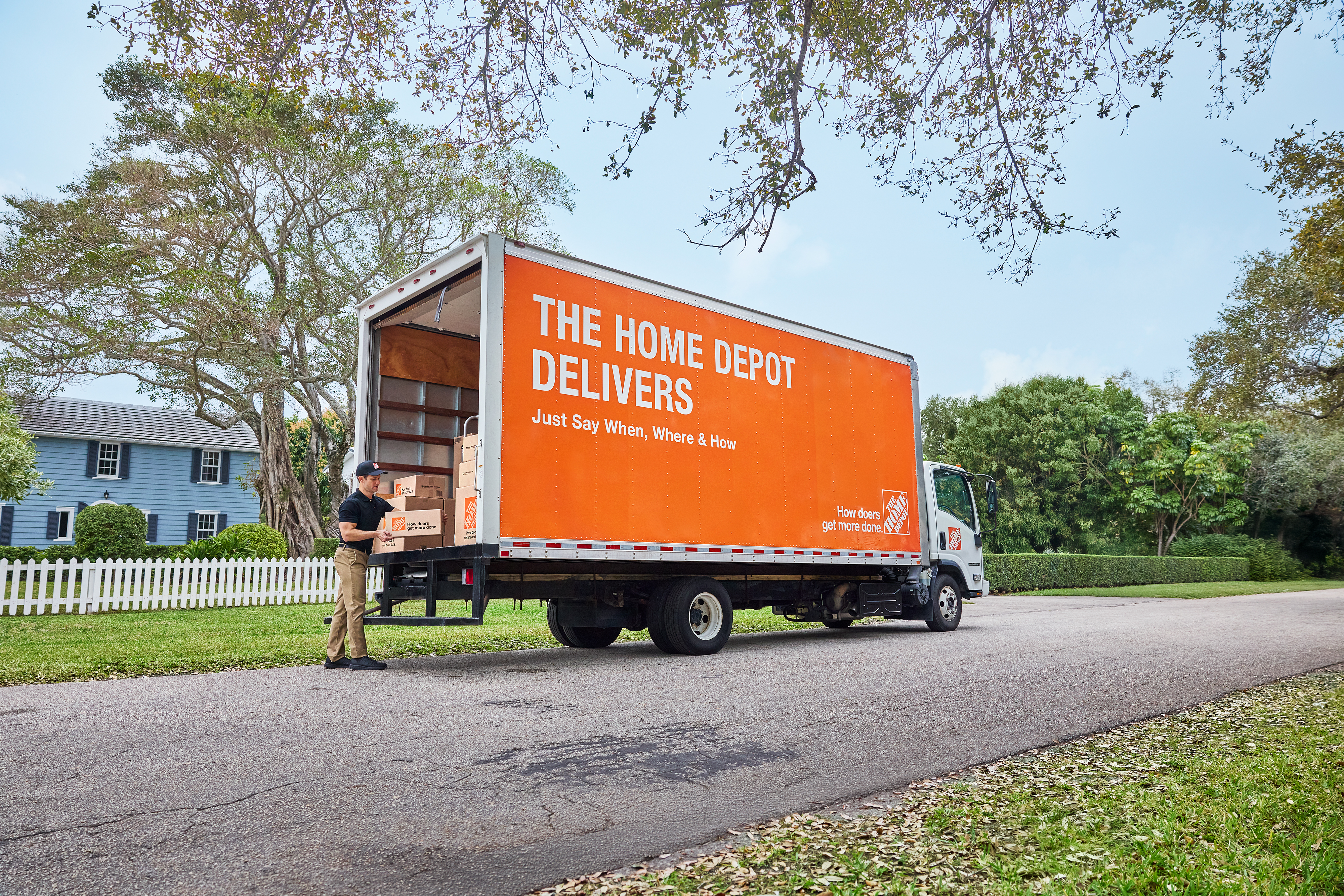
Home delivery offers a different kind of security. Physical packages can get lost or stolen, especially if you live in an area without secure drop-off spots.
However, home delivery keeps your payment and personal information offline, reducing the risk of cyber theft. You can also track your package in real-time, giving you more control.
To enhance safety, consider requesting signature confirmation or using delivery lockers. These options add layers of protection for your privacy and your purchase.
)
Credit: www.homedepot.com
Suitability For Different Products
Choosing between electronic downloads and home delivery depends greatly on the type of product you need. Some items fit perfectly into digital formats, while others require physical shipping. Understanding which products suit each method helps you save time, money, and avoid unnecessary hassle.
Best Uses For Electronic Downloads
Electronic downloads work best for products you can access instantly on your devices. Think about software programs, eBooks, music, and video games. These products don’t need packaging or shipping and you get them immediately after purchase.
If you need quick access, like grabbing a new app for work or reading material on a trip, downloads are unbeatable. They also eliminate waiting times and shipping costs. Have you ever bought a song or movie and started enjoying it within minutes? That’s the power of electronic downloads.
Ideal Products For Home Delivery
Home delivery suits physical products that you want to hold, use, or wear. Clothes, furniture, kitchen gadgets, and groceries all fall into this category. These items need to be shipped because digital copies don’t exist or wouldn’t make sense.
Imagine ordering a new pair of shoes or a coffee maker. You can’t download those, right? Home delivery ensures you receive the exact product you chose. It’s also the better option for gifts or items requiring a tactile experience before use.
Credit: www.goodrx.com
Frequently Asked Questions
What Is Electronic Download Delivery?
Electronic download delivery allows users to receive digital files instantly. It eliminates shipping time and physical packaging. Users can access products like software, music, or eBooks directly on their devices. This method is quick, convenient, and eco-friendly compared to traditional delivery.
How Does Home Delivery Work?
Home delivery involves shipping physical products to a customer’s address. It requires packaging, courier service, and transit time. Customers receive items like books, groceries, or electronics at their doorstep. This method suits products that can’t be digitized or require physical handling.
Which Is Faster: Electronic Download Or Home Delivery?
Electronic download is significantly faster since it offers instant access. Home delivery depends on shipping time and can take days. Downloads are immediate once purchased, while home delivery depends on logistics and location.
Are Electronic Downloads More Cost-effective Than Home Delivery?
Yes, electronic downloads often cost less because they avoid shipping and packaging fees. Home delivery includes expenses for transport, handling, and materials. Digital products usually have lower overall costs, benefiting both sellers and buyers.
Conclusion
Electronic download lets you get content fast, right to your device. Home delivery brings physical items to your door, which takes time. Digital files need no shipping fees or waiting. Physical goods offer a hands-on experience and can be kept forever.
Choosing depends on your needs and how soon you want the item. Both methods serve different purposes. Understanding these differences helps you decide what fits best. Easy and clear choices make shopping simple and stress-free.
Leave a Reply