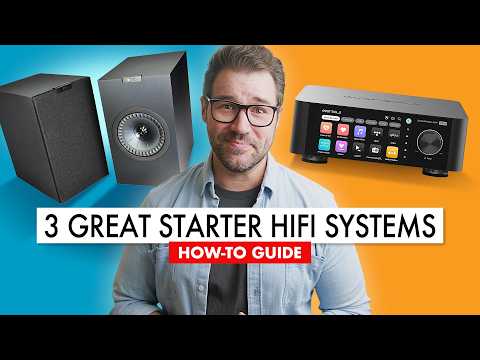
Are you eager to master the world of home sound system electronics but don’t know where to start? Imagine being able to set up, fix, and customize your own sound system with confidence.
This guide will break down complex ideas into simple steps, making it easy for you to learn and apply. Whether you want better sound for your movies, music, or gaming, understanding the basics will save you time and money. Keep reading, and you’ll discover how to turn your home into the perfect audio haven.
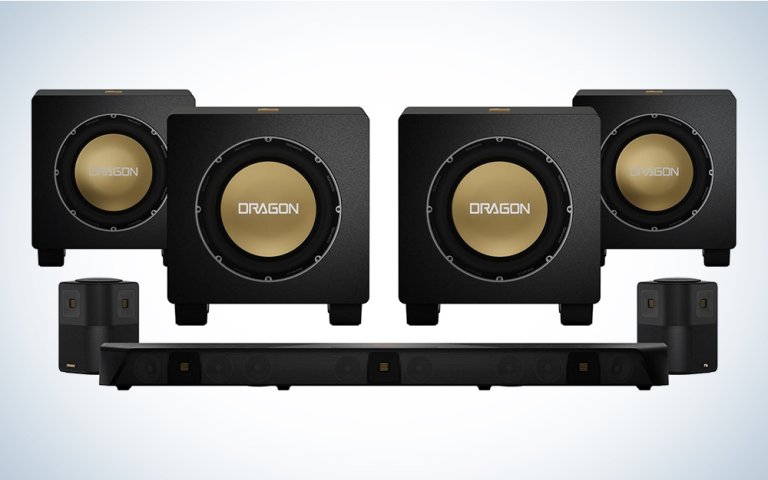
Credit: www.popsci.com
Basics Of Home Sound Systems
Understanding the basics of home sound systems can transform your audio experience from average to extraordinary. Whether you’re a novice or have dabbled in electronics, knowing the core components and terminology is essential. Imagine being able to tweak your own system to get that perfect sound for movie nights or parties, all from the comfort of your home.
Key Components Explained
Every home sound system is built from a few key components that work together to deliver sound.
- Speakers:These are the most visible parts, turning electrical signals into audible sound.
- Amplifiers:They boost the audio signal, allowing your speakers to produce sound at higher volumes.
- Receivers:Often the hub of a sound system, they process input from various sources like TVs, gaming consoles, and media players.
- Subwoofers:These provide the deep bass that enriches your listening experience, making it feel more immersive.
Each component has a specific role, and understanding these roles helps you identify what might be missing or needs upgrading in your setup.
Types Of Home Audio Setups
Different setups cater to different needs and spaces. It’s crucial to choose one that matches your environment and listening habits.
- Soundbars:Ideal for small spaces, these are compact and easy to install, providing decent sound quality without much hassle.
- 2.1 Channel Systems:Comprising two speakers and a subwoofer, these are great for moderate spaces and offer a balanced audio experience.
- 5.1 Surround Sound:This is perfect for home theaters, providing an enveloping experience with multiple speakers placed around the room.
Consider your room size and personal preferences when deciding on an audio setup. What suits your friend’s living room might not work for yours.
Common Terminology
Understanding common audio terms can make you feel less overwhelmed and more in control of your sound system setup.
- Wattage:This indicates the power output of your system. More watts can mean louder sound, but it’s not the only factor in quality.
- Impedance:Measured in ohms, this affects compatibility between speakers and amplifiers. Matching these ensures optimal performance.
- Frequency Response:This range, measured in hertz, tells you how well a speaker can reproduce different sounds. A wider range usually means better sound quality.
- Decibel (dB):A unit measuring the intensity of sound. Higher dB levels indicate louder sounds.
Grasping these terms allows you to make informed decisions when purchasing or adjusting your sound system. It’s like learning a new language; once you know the basics, you can start communicating effectively with your audio gear.

Credit: www.wired.com
Essential Electronics Concepts
Grasping essential electronics concepts is key to learning home sound system electronics. These basics help you understand how devices work together. Knowing these ideas makes troubleshooting easier. It also helps in choosing the right components for your system.
Understanding Circuits
Circuits form the foundation of all electronic devices. They are paths for electric current to flow. A simple circuit has a power source, wires, and components like resistors or capacitors. Each part controls how electricity moves. Learning to read circuit diagrams shows how parts connect. This skill is crucial for building or fixing sound systems.
Signal Flow And Processing
Signal flow means how audio signals move through a system. Signals start at a source, like a microphone or player. They travel through cables and devices, changing along the way. Processing shapes the sound using equalizers, mixers, or effects. Understanding this flow helps you improve sound quality. It also guides correct device setup.
Amplification Basics
Amplification makes audio signals stronger so speakers can play sound loudly. Amplifiers boost weak signals without changing the original sound. Different types include tube and solid-state amplifiers. Knowing amplifier power and impedance ensures compatibility with speakers. Proper amplification prevents distortion and damage to equipment.
Selecting The Right Equipment
Selecting the right equipment is key to building a great home sound system. The right gear enhances sound quality and fits your space perfectly. Understanding each component helps you make smart choices. Focus on speakers, amplifiers, and cables for the best setup.
Choosing Speakers
Speakers deliver the sound you hear. Choose speakers based on room size and listening style.
- Bookshelf speakers fit small rooms and desks.
- Floor-standing speakers fill larger spaces with rich sound.
- Consider speaker sensitivity and frequency range for clear audio.
- Test speakers to ensure they sound good to you.
Amplifiers And Receivers
Amplifiers power your speakers. Receivers add extra functions like radio and streaming.
- Match amplifier power to speaker requirements to avoid damage.
- Receivers offer inputs for various devices like TV and phone.
- Look for features like Bluetooth or Wi-Fi for wireless play.
- Simple controls help beginners manage sound easily.
Cables And Connectors
Cables carry sound signals between devices. Good cables keep sound clear and strong.
- Use speaker cables with proper thickness for longer distances.
- RCA connectors are common for analog audio.
- Optical cables provide high-quality digital sound.
- Keep cables organized to avoid interference and damage.
Hands-on Learning Techniques
Hands-on learning techniques are essential for mastering home sound system electronics. They let you connect theory with real-world experience, making complex concepts easier to grasp. Engaging directly with components helps build confidence and sharpens your problem-solving skills.
Building Simple Circuits
Start by assembling basic circuits using breadboards and common electronic parts like resistors, capacitors, and transistors. This lets you see how signals flow and how components interact in a sound system.
Try creating a basic amplifier or a simple tone control circuit. You’ll quickly learn how tweaking component values affects sound quality and system performance. This hands-on work solidifies your understanding far better than just reading diagrams.
Testing And Troubleshooting
Learning to test your circuits is crucial. Use a multimeter to check voltages and continuity, and an oscilloscope to visualize signals.
When circuits don’t work, resist the urge to guess blindly. Instead, follow a logical process: verify power supply, check connections, and isolate sections of the circuit. This approach not only saves time but also builds your diagnostic skills.
Using Simulation Software
Simulation tools like LTspice or TINA-TI let you design and test circuits virtually before building them physically. This saves components and allows quick experimentation with different designs.
Simulations help you predict how changes affect your system’s behavior. Have you tried tweaking component values in a simulator and noticed unexpected results? It’s a powerful way to deepen your understanding without risk.
Tuning And Optimizing Sound
Tuning and optimizing your home sound system enhances audio clarity and richness. It involves adjusting settings and positioning to suit your room. Proper tuning helps you enjoy music and movies as intended.
Room Acoustics Tips
Room shape and materials affect sound quality. Hard surfaces reflect sound, causing echoes. Soft materials like curtains absorb sound and reduce echo. Place rugs or carpets on floors to soften reflections.
Furniture also impacts sound waves. Large sofas and cushions help absorb sound. Avoid placing speakers near corners, as bass can become too strong there. Test your room by clapping hands and listening for echoes.
Equalization Methods
Equalizers adjust sound frequencies to balance audio output. They raise or lower bass, mids, and treble. Use a graphic equalizer with sliders for each frequency band. A parametric equalizer offers more precise control.
Start with flat settings, then adjust small changes. Raise bass slightly for deep sounds. Reduce mid frequencies to clear vocals. Increase treble for brightness but avoid harshness. Many sound systems have built-in equalizers or apps for easy tuning.
Speaker Placement Strategies
Speaker position affects sound stage and clarity. Place speakers at ear level for best sound. Keep them at least one foot away from walls to reduce reflections. Angle speakers slightly toward your listening spot.
Maintain equal distance between speakers and listening position. Avoid placing speakers too close together; this narrows the sound field. Use stands or shelves to keep speakers stable and vibration-free. Experiment with placement to find the best sound.
Resources For Fast Mastery
Finding the right resources helps you learn home sound system electronics quickly. Quality materials make complex ideas easier to understand. You can gain practical skills and theory by choosing good guides.
Books, online courses, and communities offer diverse ways to study. Each resource type brings unique benefits for fast learning. Use a mix of these to build strong knowledge.
Recommended Books And Guides
- “Audio Engineering 101” by Tim Dittmar: Clear and beginner-friendly explanations.
- “The Sound Reinforcement Handbook” by Gary Davis: Practical advice for sound setup.
- “Home Recording Studio” by Rod Gervais: Focus on home electronics and sound quality.
- “Electronics for Audio” by Thomas W. Benson: Covers basic electronics concepts for audio.
Online Courses And Tutorials
- Coursera and Udemy offer courses on audio electronics fundamentals.
- YouTube channels like “ElectroBOOM” and “DIY Audio” explain concepts visually.
- Khan Academy has free lessons on basic electronics principles.
- Interactive tutorials allow hands-on practice with virtual circuits.
Communities And Forums
- Reddit’s r/audiophile and r/diyaudio provide helpful discussions.
- AVS Forum has sections focused on home theater audio systems.
- DIYAudio.com connects beginners and experts for advice.
- Participate in Q&A to solve problems and share projects.
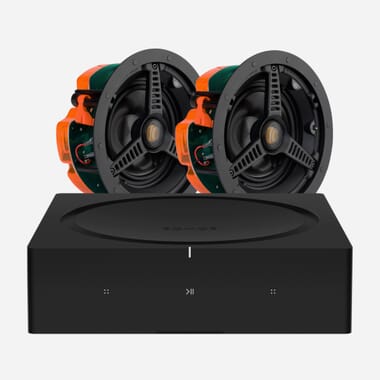
Credit: www.smarthomesounds.co.uk
Frequently Asked Questions
What Basics Should I Learn In Home Sound System Electronics?
Start with understanding audio signal flow, components, and wiring basics. Learn about amplifiers, speakers, and receivers. Study how these parts connect and work together for optimal sound.
How Can I Improve My Home Sound System Setup?
Focus on proper speaker placement, cable quality, and room acoustics. Calibrate your system with a sound meter or app. Regularly update firmware and use quality audio sources for best results.
What Tools Are Essential For Home Sound System Electronics?
Basic tools include a multimeter, wire strippers, screwdrivers, and soldering kit. These help in testing, connecting, and repairing components efficiently. Having the right tools ensures safe and accurate work.
How Do I Troubleshoot Common Home Sound System Issues?
Check all connections for loose or damaged wires. Test each component separately to isolate the problem. Use a multimeter to verify voltage and continuity. Replace faulty parts as needed.
Conclusion
Learning home sound system electronics takes time and practice. Start with basic parts and how they work together. Try small projects to build your skills step by step. Ask questions and read simple guides often. Keep experimenting to understand sound better.
This knowledge helps you enjoy your music and movies more. Stay patient and curious, and progress will come naturally. Sound systems can be fun and rewarding to learn. Your effort will make your home audio clearer and more enjoyable. Keep going, and you will see results soon.
Leave a Reply