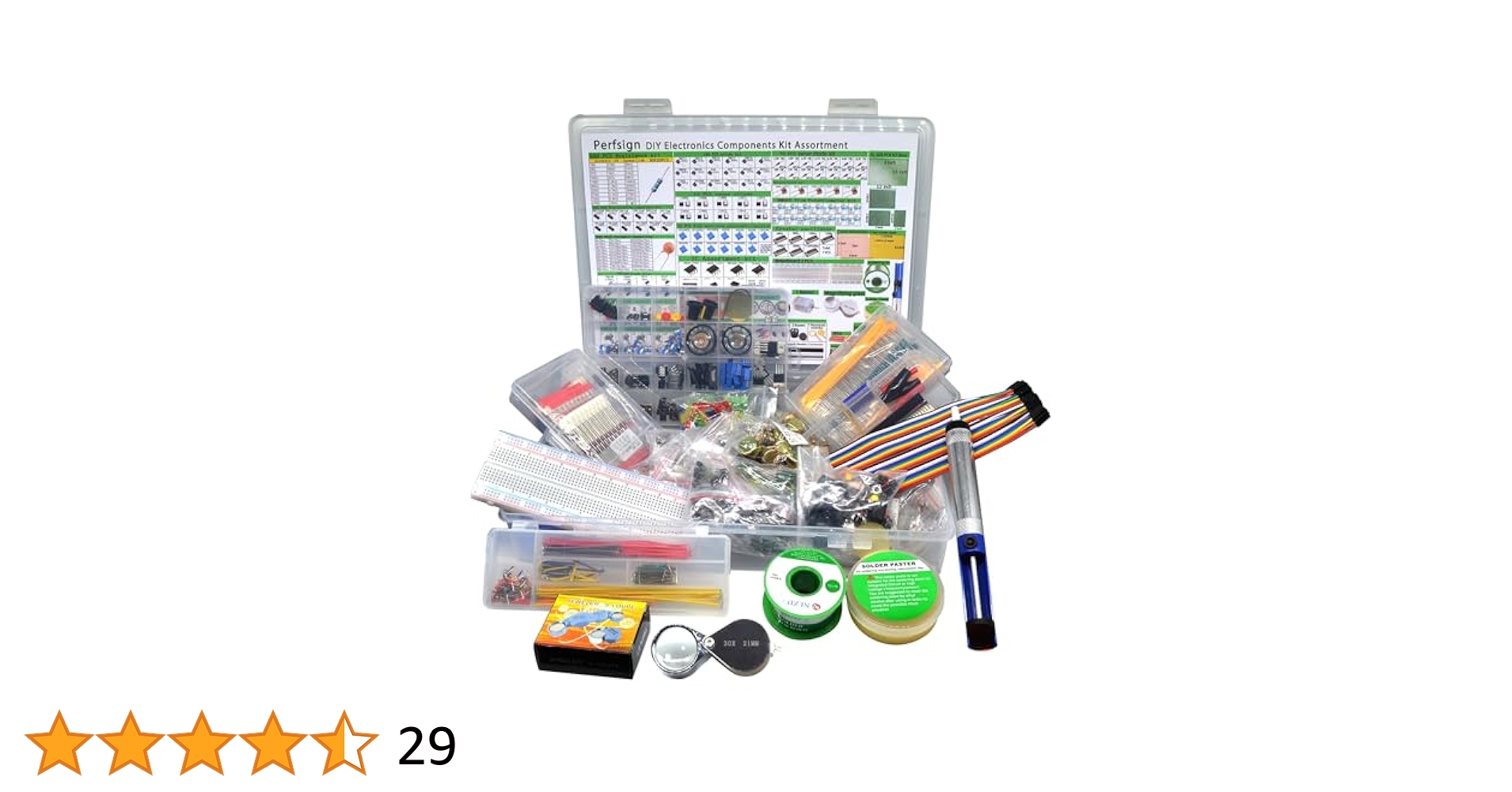
Are you looking to buy an electronic DIY kit but don’t know where to start? Finding the right place can feel overwhelming with so many options out there.
Whether you’re a beginner eager to learn or an experienced maker ready for your next project, getting the best kit is key to your success. You’ll discover the top spots to buy electronic DIY kits that fit your needs and budget.
Keep reading, and you’ll be one step closer to bringing your ideas to life!

Credit: www.amazon.ca
Best Online Stores For Diy Kits
Finding the right place to buy electronic DIY kits online can save time and effort. The best stores offer a variety of kits for beginners and advanced users. These shops provide quality products, good prices, and reliable shipping. Here are some top options for purchasing DIY electronics kits online.
Amazon’s Diy Electronics Selection
Amazon has a vast collection of electronic DIY kits. From simple projects to complex circuits, you can find many options. User reviews help choose the best kits. Fast delivery and easy returns make shopping hassle-free. Amazon also offers kits from popular brands and new sellers.
Ebay For Unique Kits
eBay is a great place to find rare and unique DIY kits. Many sellers offer vintage and hard-to-find electronics kits. Auctions and fixed-price options provide flexibility. Buyer protection ensures safe transactions. eBay suits hobbyists looking for special or discontinued kits.
Specialized Electronics Retailers
Specialized electronics stores focus on DIY kits and components. These retailers offer expert advice and detailed product descriptions. Kits often come with manuals and support. They stock high-quality parts suitable for learning and projects. Examples include Adafruit, SparkFun, and Micro Center.
Top Physical Stores To Visit
Finding the right place to buy an electronic DIY kit can make all the difference in your project’s success. Physical stores offer the chance to see components firsthand and get advice on the spot. Visiting these stores can also spark new ideas and connect you with a community of makers.
Local Electronics Shops
Local electronics shops are often treasure troves for DIY enthusiasts. You can find a variety of components like resistors, capacitors, sensors, and sometimes even complete kits. Staff in these shops usually have hands-on experience and can guide you toward the best parts for your project.
Have you ever walked into a shop and discovered a component you didn’t even know you needed? That’s the kind of unexpected find local stores offer. Plus, buying locally supports your community and reduces wait times compared to online orders.
Hobby And Craft Stores
Hobby and craft stores have expanded their electronics sections to cater to the growing interest in DIY kits. These stores often carry beginner-friendly kits, microcontrollers like Arduino or Raspberry Pi, and accessories to customize your projects. You might find kits designed for kids or educators that simplify complex concepts.
One time, I found a robotics kit in a craft store that included everything needed to build a small moving robot. It made me realize these stores can be surprisingly well-stocked for electronics projects. Could your next project start in a place you usually think of for glue and paint?
Maker Spaces And Workshops
Maker spaces and workshops are more than just places to buy kits—they’re hubs for creativity and learning. Many offer kits and components for sale, along with tools and expert guidance. Visiting these spaces lets you test your ideas, get feedback, and even collaborate with others who share your interests.
If you want to try a new kit but aren’t sure it’s right for you, a maker space might let you experiment before committing to a purchase. Have you considered that buying your kit could also be a chance to join a community and gain hands-on support?
Factors To Consider Before Buying
Before you buy an electronic DIY kit, it’s important to think about a few key factors that can make or break your experience. Choosing the right kit means matching it to your skills, ensuring the parts are reliable, and knowing you can get help if needed. These points help you avoid frustration and get the most out of your project.
Kit Complexity And Skill Level
Ask yourself how much experience you have with electronics. Some kits are designed for beginners and come with simple instructions, while others need advanced skills and knowledge.
If you pick a kit that’s too complex, you might get stuck and lose interest. On the other hand, a kit that’s too easy might not challenge you enough or help you learn new things.
Think about your goals: do you want to learn basic soldering, or are you ready for microcontrollers and programming? This will guide your choice.
Component Quality And Brand Reputation
The quality of parts in the kit affects how well your project will work and last. Cheap components can cause errors or stop working quickly.
Look for kits from brands known for good quality and consistency. These brands usually test their kits thoroughly and provide accurate parts lists.
Sometimes, the price reflects quality. Paying a bit more often means better components and fewer headaches during assembly.
Customer Reviews And Support
Reading reviews from other buyers gives you real insights into the kit’s strengths and weaknesses. Look for comments about the clarity of instructions, quality of parts, and overall satisfaction.
Good customer support is crucial, especially if you hit a problem. Check if the seller offers help through email, forums, or video tutorials.
Have you ever felt stuck on a project with no one to ask? Choosing a kit with solid support saves you from that frustration and keeps your momentum going.

Credit: www.amazon.ca
Popular Diy Kit Categories
Electronic DIY kits come in many types, each serving different interests and skill levels. Choosing the right category helps beginners and experts enjoy their projects. Popular categories attract hobbyists who want to build useful and fun gadgets.
Robotics And Automation Kits
These kits focus on building robots and automated devices. They include motors, sensors, and controllers. Users learn to program movements and responses. Robotics kits are great for understanding mechanics and coding basics. Projects range from simple moving robots to complex automated machines.
Audio And Music Electronics
Audio kits allow users to create sound-based devices. They include amplifiers, synthesizers, and radio kits. These kits teach about sound waves and electronics. Users can build speakers, radios, and musical instruments. Ideal for those interested in music and sound engineering.
Microcontroller And Sensor Kits
Microcontroller kits include small computers for controlling electronics. Sensor kits add inputs like light, temperature, and motion detection. These kits help users build smart devices and gadgets. They are perfect for learning programming and real-world applications. Projects include weather stations, alarms, and data loggers.
Tips For Safe And Successful Projects
Working on electronic DIY kits can be exciting but also challenging if you’re not prepared. Ensuring your projects are both safe and successful depends on several key factors. Paying attention to the right tools, following instructions carefully, and knowing how to handle common issues will make a big difference in your experience.
Essential Tools And Accessories
Having the right tools makes assembling your electronic DIY kit easier and safer. Basic items like a soldering iron, wire cutters, and a multimeter are must-haves. Don’t forget safety gear such as goggles and heat-resistant gloves to protect yourself during soldering.
Organizing your workspace with a non-slip mat and small containers for components helps prevent losing tiny parts. Are you equipped to handle delicate electronics without proper tools? Investing in quality accessories upfront saves frustration later.
Following Instructions Accurately
Instructions are your roadmap to success. Read each step carefully before starting. Skipping details or rushing through can lead to mistakes that are hard to fix.
Keep your work area well-lit and use a magnifying glass if needed to clearly see tiny components and circuit diagrams. Have you ever missed a tiny step that caused a project to fail? Taking your time reduces errors and builds your confidence.
Troubleshooting Common Issues
It’s normal for things not to work perfectly on the first try. Start by double-checking all connections and components against the instructions. A loose wire or reversed polarity is often the culprit.
Use a multimeter to test continuity and voltage at different points in your circuit. If something still doesn’t work, try isolating sections of your project to identify where the problem lies. What’s your plan when your circuit refuses to power on? Developing troubleshooting skills helps you learn faster and makes your projects more rewarding.

Credit: www.amazon.ca
Frequently Asked Questions
Where Can I Buy Electronic Diy Kits Online?
You can buy electronic DIY kits from websites like Amazon, eBay, and specialized electronics stores. These platforms offer a wide range of kits for beginners and experts. Check reviews and product details before purchasing for the best experience.
Are Electronic Diy Kits Available At Local Stores?
Yes, many local electronics and hobby stores stock electronic DIY kits. Visit stores that specialize in electronics components or educational kits. Local shops provide the advantage of seeing products before buying and getting expert advice.
What Should I Consider When Buying Electronic Diy Kits?
Consider your skill level, project type, and kit complexity. Look for kits with clear instructions and necessary components included. Also, check if customer support and tutorials are available to help you complete the project successfully.
Are Electronic Diy Kits Suitable For Beginners?
Many electronic DIY kits are designed specifically for beginners. They include simple projects with step-by-step guides. Choose beginner kits to learn basic electronics concepts and develop practical skills gradually.
Conclusion
Exploring where to buy electronic DIY kits is exciting. Many options exist for beginners and experts alike. Online marketplaces offer vast selections. Local stores provide hands-on experience. Comparing prices ensures good deals. Reading reviews helps make informed choices. Consider what suits your project best.
Availability and shipping times matter too. Always check for support and warranties. Find a kit that sparks creativity. Start building and learning today. Enjoy the process of creating and discovering. Happy tinkering with your new electronic DIY kit!
Leave a Reply