Are you wondering what to do with that old phone or broken laptop gathering dust in your closet? If you’re like most people, you probably have a stash of outdated electronics at home.
Tossing them in the trash isn’t the answer, as these gadgets contain materials that can harm the environment. Instead, why not recycle them? Not only will you be doing your part to protect the planet, but you might also discover a few surprises along the way.
In this guide, you’ll learn simple and effective ways to recycle electronics right from the comfort of your home. Get ready to transform your clutter into a resourceful action that benefits both you and the environment. Stay with us, and you might just find the inspiration you need to make a positive change.

Credit: www.homedepot.com
Why Recycle Electronics
Recycling electronics is important for many reasons. Old devices contain materials that can harm the planet if thrown away. Recycling helps save natural resources and keeps our environment cleaner. It also reduces the amount of waste that ends up in landfills.
Environmental Benefits
Recycling electronics reduces pollution by keeping harmful chemicals out of soil and water. Many devices have metals like lead and mercury that can cause damage. Proper recycling stops these toxins from leaking into the environment.
Recycling also saves energy. Manufacturing new electronics from raw materials uses a lot of power. Using recycled materials means less mining and less energy use. This lowers carbon emissions and helps fight climate change.
Reducing E-waste
E-waste is one of the fastest growing waste types worldwide. Old phones, computers, and TVs pile up quickly. Most of these items can be repaired or recycled instead of thrown away.
Recycling electronics reduces the volume of e-waste in landfills. It recovers valuable metals like gold, silver, and copper. These materials can be reused to make new products. This reduces the need to extract more natural resources.

Credit: www.swalco.org
Common Electronics To Recycle
Many everyday electronics can be recycled at home to reduce waste. Recycling these items helps protect the environment and recovers valuable materials. Knowing which electronics to recycle makes the process easier and more effective.
Phones And Tablets
Phones and tablets contain metals and plastics that can be reused. Old or broken devices should not be thrown in the trash. Many parts inside can be recovered and recycled safely.
- Smartphones
- Tablets
- Accessories like cases and styluses
Computers And Laptops
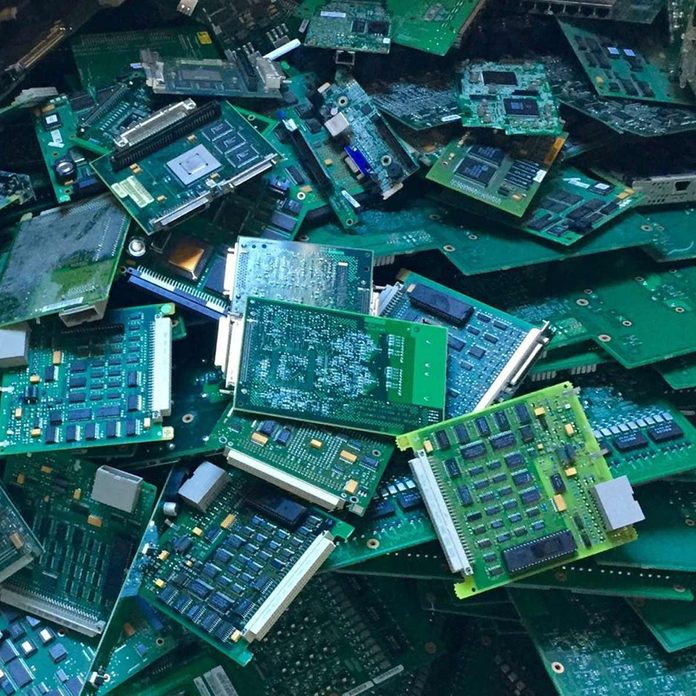
Computers and laptops have many recyclable parts. Circuit boards, metals, and plastics all have value. Remove personal data before recycling to protect privacy.
- Desktops
- Laptops
- Monitors and keyboards
Batteries And Chargers
Batteries and chargers often contain harmful chemicals. Proper recycling prevents pollution and hazards. Separate batteries by type before recycling.
- Rechargeable batteries
- Single-use batteries
- Phone and laptop chargers
Preparing Electronics For Recycling
Preparing electronics for recycling is a key step for safe and effective disposal. It helps protect your personal data and makes recycling easier. Follow simple actions to get your devices ready before handing them over.
Data Backup And Removal
Save important files to a computer or cloud storage. Use external drives or USB sticks for backup. After saving, delete all data from the device. Factory reset phones, tablets, and computers to erase personal information. Check twice to ensure nothing is left behind.
Cleaning Devices
Remove dirt and dust from your electronics. Use a soft cloth and gentle cleaner. Avoid water inside devices to prevent damage. Clean screens, keyboards, and ports carefully. This makes devices easier to handle during recycling.
Removing Batteries
Take out batteries before recycling electronics. Batteries can be hazardous if not removed. Use gloves and proper tools for safety. Store batteries in a cool, dry place. Recycle batteries separately at designated drop-off points.
Credit: www.familyhandyman.com
Safe Disposal Methods
Safe disposal of electronics is key to protecting both the environment and your personal data. Tossing old gadgets in the trash can lead to harmful chemicals leaking into the soil and water. Plus, your sensitive information might still be on those devices, putting you at risk.
Local Recycling Centers
Your community likely has a recycling center that accepts electronics. These centers are equipped to handle devices safely and ensure valuable materials get reused. Before dropping off your items, call ahead or check their website to confirm which electronics they accept and any preparation requirements.
I’ve found that some centers even offer secure data destruction services, which gave me peace of mind when recycling an old laptop. Have you checked if your local center provides this service?
Mail-in Programs
Mail-in recycling programs are a convenient way to dispose of electronics without leaving your home. Companies provide prepaid shipping labels, so you simply pack your old devices and send them off. This option is especially helpful if you have smaller gadgets like phones or tablets.
One time, I used a mail-in program for my outdated smartphone. It was straightforward, and I appreciated the tracking system that kept me updated. Could this hassle-free method work for your next tech cleanup?
Retail Drop-off Locations
Many electronics retailers offer drop-off points for recycling old devices. Stores like Best Buy or Staples often accept a wide range of electronics, sometimes even offering trade-in credits. This approach lets you recycle your tech while shopping or upgrading.
When I brought in my broken printer to a local store, the staff quickly guided me through the process. It felt good to know the device wouldn’t end up in a landfill. Have you spotted a retailer near you that makes recycling this easy?
Tips For Eco-friendly Disposal
Recycling your electronics at home doesn’t have to be complicated. With a few simple tips, you can make sure your old devices leave a positive impact on the environment. Let’s look at how you can dispose of your electronics responsibly and keep harmful waste out of landfills.
Avoiding Landfills
Throwing electronics in the trash adds toxic materials like lead and mercury to landfills. These substances can leak into the soil and water, causing serious environmental harm.
Instead, separate your e-waste from regular garbage. Store broken or unwanted electronics in a dedicated box until you find a proper recycling option. This small habit can reduce pollution and protect natural habitats.
Donating Usable Devices
Many devices you think are outdated still have life left in them. Donating your working electronics to schools, charities, or community centers can extend their usability.
I once donated an old laptop that I no longer used. It ended up helping a student complete their schoolwork. Could your unused device be someone else’s valuable resource?
- Check local nonprofits or online donation platforms.
- Make sure to wipe your personal data before giving away devices.
- Include chargers or accessories to increase the device’s usefulness.
Choosing Certified Recyclers
Not all recyclers handle electronics safely. Look for certified recyclers who follow strict guidelines to protect the environment and your data.
Certifications like R2 or e-Stewards ensure the recycler manages hazardous materials properly and responsibly disposes of unusable parts.
| Certification | What It Means |
|---|---|
| R2 (Responsible Recycling) | Focuses on environmental responsibility and data security. |
| e-Stewards | Guarantees no export of hazardous waste to developing countries. |
Finding a certified recycler near you can make a big difference. Have you checked if your local e-waste collection points meet these standards?
Tracking Your Recycling Impact
Tracking your recycling impact at home helps you see real progress and stay motivated. It turns a simple habit into a powerful way to contribute to the environment. You can learn how much waste you keep out of landfills and how you support a healthier planet by recycling electronics thoughtfully.
Measuring Waste Reduction
Start by keeping a small log of the electronics you recycle each month. Note down items like old phones, batteries, chargers, or broken gadgets. Over time, this simple record shows the volume of waste you’re diverting from the trash.
You might be surprised how quickly these numbers add up. For instance, recycling just one laptop can save over 200 pounds of mining waste and reduce harmful chemicals released into the soil. Have you ever thought about the hidden impact behind recycling a single device?
Use tools like spreadsheets or mobile apps to track your progress easily. Seeing your waste reduction in numbers can inspire you to recycle even more responsibly.
Supporting Sustainability
Recycling electronics doesn’t just reduce waste; it supports the entire sustainability chain. When you recycle, valuable materials like gold, silver, and copper get reused instead of mined again. This reduces environmental damage and conserves natural resources.
Think about how your small actions help create demand for recycled materials. This encourages companies to improve recycling programs and design products that are easier to recycle. Your choices can influence the bigger picture of how electronics are produced and disposed of.
Ask yourself: how can you share your recycling habits with family or friends to multiply this positive impact? Sharing what you’ve learned may inspire others to join you in making smarter recycling decisions.
Frequently Asked Questions
How Do I Prepare Electronics For Home Recycling?
Remove batteries and personal data before recycling. Clean devices to avoid contamination. Check specific recycling guidelines for each item.
Where Can I Recycle Electronics Safely At Home?
Use local e-waste collection points or mail-in recycling programs. Avoid tossing electronics in regular trash to prevent pollution.
What Types Of Electronics Can Be Recycled At Home?
Most small devices like phones, tablets, and laptops can be recycled. Larger items may require special drop-off locations.
Why Is Recycling Electronics Important For The Environment?
Recycling reduces landfill waste and recovers valuable materials. It prevents toxic chemicals from harming soil and water.
Conclusion
Recycling electronics at home helps protect the environment. It keeps harmful materials out of landfills. You save natural resources by reusing parts. It also reduces pollution from manufacturing new devices. Small steps make a big difference for the planet. Start by sorting old gadgets and finding local recycling centers.
Everyone can join in to create a cleaner world. Easy actions today lead to a healthier tomorrow. Keep recycling simple and part of your routine. Together, we build a better future for all.
Leave a Reply