
Imagine having the power to explore the tiniest details of the world around you, right from the comfort of your home. With the right guidance, you can unlock the secrets of the microscopic universe by building your very own electron microscope.
Yes, you read that correctly—an electron microscope at home! This might sound like a daunting task, but with a little patience and creativity, you’ll be amazed at what you can achieve. Are you ready to dive into this fascinating project and discover the hidden wonders that await?
Let’s transform the way you see the world, one electron at a time.
Basics Of Electron Microscopy
Electron microscopy lets us see tiny details invisible to regular microscopes. It uses electrons instead of light to create images. These electrons have much shorter wavelengths. This means they can reveal very small structures. Understanding the basics is key to building a simple electron microscope at home.
How Electron Microscopes Work
Electron microscopes use a beam of electrons to scan objects. These electrons interact with the sample’s surface or pass through it. The interaction creates signals that form an image. The image shows details at a much smaller scale than light microscopes.
Electrons move fast and have short wavelengths. This allows them to see very small things like cells, viruses, and molecules. The microscope needs to work in a vacuum to let electrons travel freely. This setup also helps avoid interference from air particles.
Key Components Explained
- Electron Source:Produces a stream of electrons. Often called the electron gun.
- Electromagnetic Lenses:Focus and direct the electron beam onto the sample.
- Sample Holder:Holds the specimen steady during imaging.
- Vacuum Chamber:Removes air to let electrons travel without hitting particles.
- Detectors:Capture signals from the electrons to create an image.
Each part plays a vital role in creating clear and detailed images. Understanding these components helps you build a basic electron microscope at home.
Materials Needed
Building an electron microscope at home needs specific materials. These parts must work together to create clear images.
Gathering the right tools and components is crucial. Each item plays a role in the microscope’s function.
Essential Tools And Parts
- Vacuum chamber or container to hold low pressure
- Electron gun or filament for emitting electrons
- Magnetic lenses to focus electron beams
- High voltage power supply for electron acceleration
- Fluorescent screen or detector to capture images
- Adjustable mounting platform for samples
- Insulated wiring and connectors
- Basic tools: screwdrivers, pliers, and soldering iron
- Protective gloves and eye protection
Where To Source Components
- Online electronics stores for power supplies and wiring
- Science supply shops for vacuum chambers and lenses
- Secondhand markets for electron gun parts
- Specialty websites selling microscope accessories
- Local hardware stores for basic tools and materials
- Electronics recycling centers for useful components
Building The Electron Microscope
Building your own electron microscope at home is a challenging yet rewarding project. It requires patience, precision, and a clear understanding of each component’s role. Let’s break down how to put together this powerful tool step by step.
Assembling The Electron Source
The electron source is the heart of your microscope. It emits a focused stream of electrons that will scan your sample.
Start by selecting a suitable filament, often tungsten or a sharp metal tip heated to release electrons. Connect it to a low-voltage power supply to control electron emission.
Make sure the filament is securely mounted to avoid vibrations that can blur your images. Have you checked if your power supply provides a stable current? Stability here is key to consistent results.
Constructing The Vacuum Chamber
Electrons need a vacuum to travel without interference from air molecules. Building a vacuum chamber is essential.
You can use a thick glass or metal container with airtight seals. Attach a vacuum pump to remove air and maintain a low-pressure environment.
Ensure all joints are sealed tightly using rubber gaskets or vacuum grease. Ever tried to spot a tiny leak? It’s frustrating but vital to fix before moving on.
Installing The Magnetic Lenses
Magnetic lenses focus and direct the electron beam precisely onto your sample. These are coils of wire wrapped around a core that create a magnetic field when powered.
Wind copper wire evenly around a cylindrical core and connect it to a controllable power source. Adjust the current to fine-tune the strength of the magnetic field.
Position the lenses carefully along the beam path to avoid distortion. Can you imagine how a slight misalignment can ruin your entire image clarity?
Setting Up The Detector
The detector captures electrons that bounce off or pass through the sample, creating the image you’ll analyze.
Common detectors include phosphor screens or CCD cameras placed at the end of the electron path. Connect your detector to a display or computer for real-time viewing.
Test the sensitivity of your detector before finalizing the setup. Are you prepared to tweak settings to catch the faintest signals?
Calibrating Your Microscope
Calibrating your homemade electron microscope is crucial to get clear and accurate images. Without proper calibration, the details you want to observe might be blurry or distorted. This step ensures your microscope performs at its best and reveals the tiny wonders you’re eager to explore.
Aligning The Electron Beam
Start by checking the path of your electron beam. It should travel straight from the electron source to the sample without any deviations.
Use small adjustment screws or magnets (depending on your design) to steer the beam. Make tiny movements and watch how the beam’s position changes on your detection screen or camera.
If the beam isn’t aligned correctly, your images will shift or lose focus. Have you noticed how a slight nudge can make a big difference in where the beam lands? Patience is key here—adjusting it step-by-step gives the best results.
Adjusting Focus And Resolution
Focus controls how sharp your image appears, while resolution defines the smallest detail you can see. Both depend on tuning your lenses and beam parameters.
Begin by adjusting the electromagnetic lenses to sharpen the image. Move the focus knob slowly and observe the changes carefully.
To enhance resolution, experiment with the beam’s energy levels and aperture size. Smaller apertures reduce scattering but may decrease brightness. Have you tried balancing these settings to find the clearest image?
Testing And Using Your Microscope
Testing and using your homemade electron microscope is a rewarding experience that brings science to life right at your fingertips. This stage helps you understand how well your device works and reveals areas for improvement. Getting hands-on with your microscope also teaches you valuable skills in sample handling and image capturing.
Sample Preparation Tips
Good sample preparation is key to getting clear, detailed images. Start by choosing thin, flat samples so electrons can pass through easily. You can slice plant leaves, thin metal foils, or even small insect parts using a sharp blade or a microtome if available.
Keep your samples clean and dry to avoid unwanted artifacts in the images. Placing samples on a conductive surface, like a thin metal grid, helps reduce charging issues during imaging. Have you tried experimenting with different sample types to see which reveal the most interesting structures?
Capturing Clear Images
Clear images depend on steady control of your microscope and proper focus adjustments. Use fine-tuning knobs or screws to slowly adjust the lens and electron beam alignment. Avoid rushing; small movements can make a big difference in image quality.
Lighting also matters—make sure your electron source is stable and properly aligned with the sample. To capture the images, attach a digital camera or a smartphone adapter to your viewing lens. Try taking multiple shots at different focus points to find the sharpest image.
Have you noticed how even slight vibrations can blur your image? Setting up your microscope on a stable surface or using vibration dampeners can significantly improve results. What strategies can you think of to keep your setup steady during imaging?
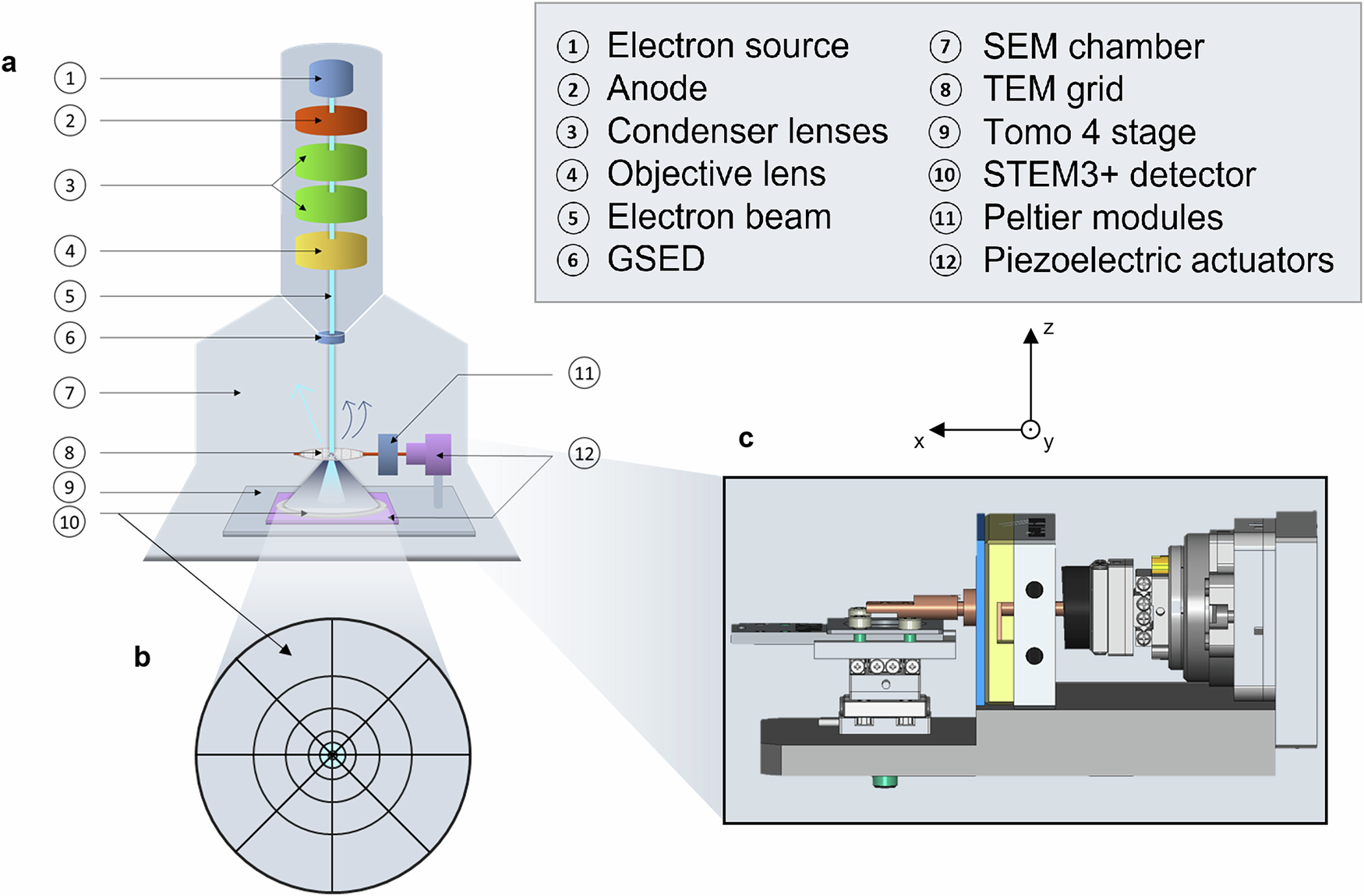
Credit: www.nature.com
Troubleshooting Common Issues
Building an electron microscope at home can be challenging. You may face common issues that affect its performance. Troubleshooting these problems helps improve your results and makes the device more reliable.
Some issues arise from unstable electron beams. Others come from poor image quality. Fixing these is crucial for clear, sharp images.
Beam Instability Solutions
Beam instability causes flickering or drifting in the image. This happens due to electrical noise or mechanical vibrations.
- Use a stable power supply with low ripple voltage.
- Shield cables and components to reduce electrical noise.
- Secure the microscope on a vibration-free surface.
- Check all connections for tightness and good contact.
- Adjust the electron gun’s alignment carefully for steady beam flow.
Improving Image Quality
Image quality depends on focus, contrast, and cleanliness. Any dirt or incorrect settings lower image clarity.
- Clean all lenses and sample holders regularly.
- Use fine focus adjustment to sharpen the image.
- Optimize contrast settings for better detail visibility.
- Ensure the sample is properly prepared and fixed in place.
- Reduce external light sources that may cause glare or reflections.
Safety Precautions
Building an electron microscope at home involves risks that need careful attention. Safety is crucial to avoid accidents and damage. Always prepare your workspace and tools before starting. Follow these safety tips to protect yourself and your equipment.
Handling High Voltage
Electron microscopes use very high voltage to operate. This voltage can cause serious shocks or burns. Never touch wires or components while the device is powered on.
- Use insulated tools and wear rubber gloves.
- Keep your workspace dry and clean.
- Always switch off the power before making adjustments.
- Test connections with a voltage meter before handling.
High voltage parts should be clearly marked. Keep children and pets away from the setup.
Maintaining Vacuum Systems
The vacuum system removes air to allow electrons to travel freely. Creating and maintaining a vacuum involves glass or metal parts under pressure. Handle these parts carefully to prevent breakage.
- Wear safety goggles to protect your eyes.
- Check seals regularly for leaks.
- Do not use cracked or damaged vacuum tubes.
- Release vacuum pressure slowly to avoid sudden changes.
Proper vacuum maintenance ensures safe operation and better microscope performance.

Credit: www.youtube.com

Credit: alliedguru.com
Frequently Asked Questions
What Materials Are Needed To Build A Home Electron Microscope?
To build a home electron microscope, you need a vacuum chamber, electron gun, electromagnetic lenses, and a screen. Additional items include power supplies, wiring, and tools for assembly. Each part plays a crucial role in generating and focusing electron beams for imaging.
How Does An Electron Microscope Work At Home?
A home electron microscope works by emitting electrons from a gun. Electromagnetic lenses focus the electron beam onto a sample. The electrons interact with the sample and create an image on a screen. This process allows for detailed visualization beyond light microscopes.
Is Making An Electron Microscope At Home Safe?
Building an electron microscope at home involves high voltage and vacuum systems, which can be dangerous. Proper safety precautions and knowledge are essential. Always handle electrical components carefully and work in a well-ventilated, controlled environment to reduce risks.
Can A Homemade Electron Microscope Achieve High Magnification?
Yes, a homemade electron microscope can achieve significant magnification. However, it may not match commercial models’ resolution. Precision in assembly and quality of components largely determine the magnification and image clarity.
Conclusion
Building an electron microscope at home takes patience and care. You will learn a lot about science and technology. Small parts and safety matter the most. Testing and adjusting help the microscope work well. This project can spark curiosity and new ideas.
Keep exploring and enjoy the process. Science is fun when you try things yourself.
Leave a Reply