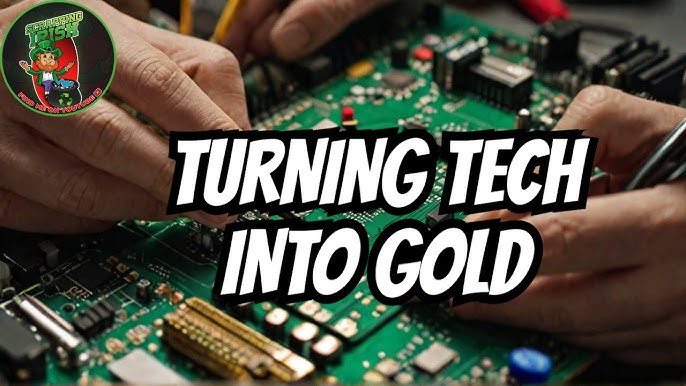
Have you ever wondered about the hidden treasures inside your old electronics? That outdated smartphone or broken laptop sitting in the drawer might be more valuable than you think.
Yes, we’re talking about gold! Many electronic devices contain small amounts of this precious metal, and you can extract it right from the comfort of your home. Imagine turning your e-waste into a shiny little reward. Intrigued? Read on to discover how you can unlock this golden opportunity and learn the simple steps to safely get gold out of electronics.
Prepare to be amazed by what’s hiding in your tech!
Credit: www.vrxrf.com
Sources Of Gold In Electronics
Gold is a valuable metal found in small amounts within many electronic devices you likely have at home. Its excellent conductivity and resistance to corrosion make gold an essential component in electronics. Knowing where to look can help you gather enough material to extract gold efficiently.
Common Devices With Gold Components
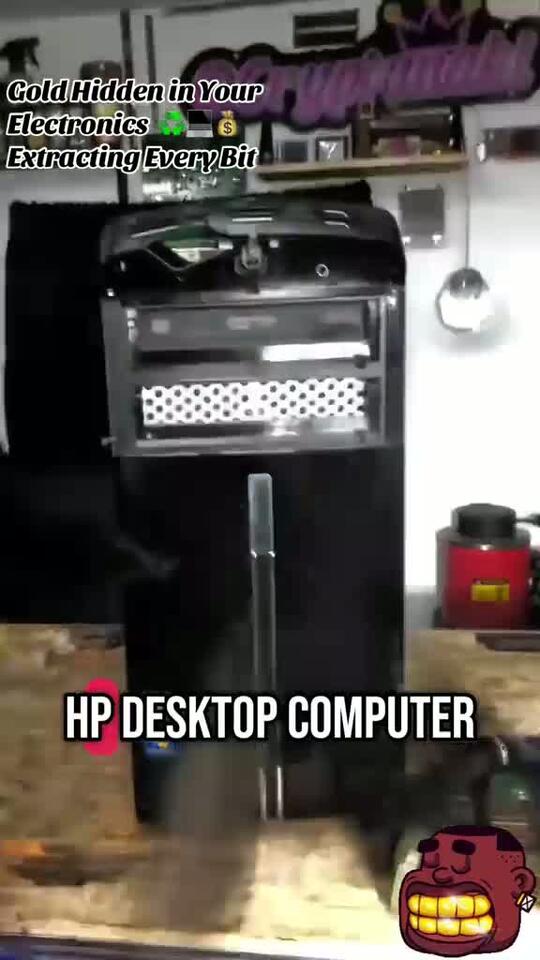
Many everyday gadgets contain gold, often hidden in plain sight. Old cell phones, laptops, and desktop computers are great places to start. You might also find gold in DVD players, gaming consoles, and even some household appliances.
Look for circuit boards and connectors inside these devices. Printers and fax machines often have gold-plated pins and contacts too. The more devices you collect, the better your chances of gathering a meaningful amount of gold.
Identifying Gold-plated Parts
Gold in electronics usually appears as thin plating rather than solid chunks. It’s often found on connectors, pins, and circuit board fingers where reliable conductivity is crucial.
Gold-plated parts have a distinct, shiny yellow color that stands out against silver or copper components. If you spot small, bright, yellowish contacts or strips on circuit boards, you’ve likely found gold plating.
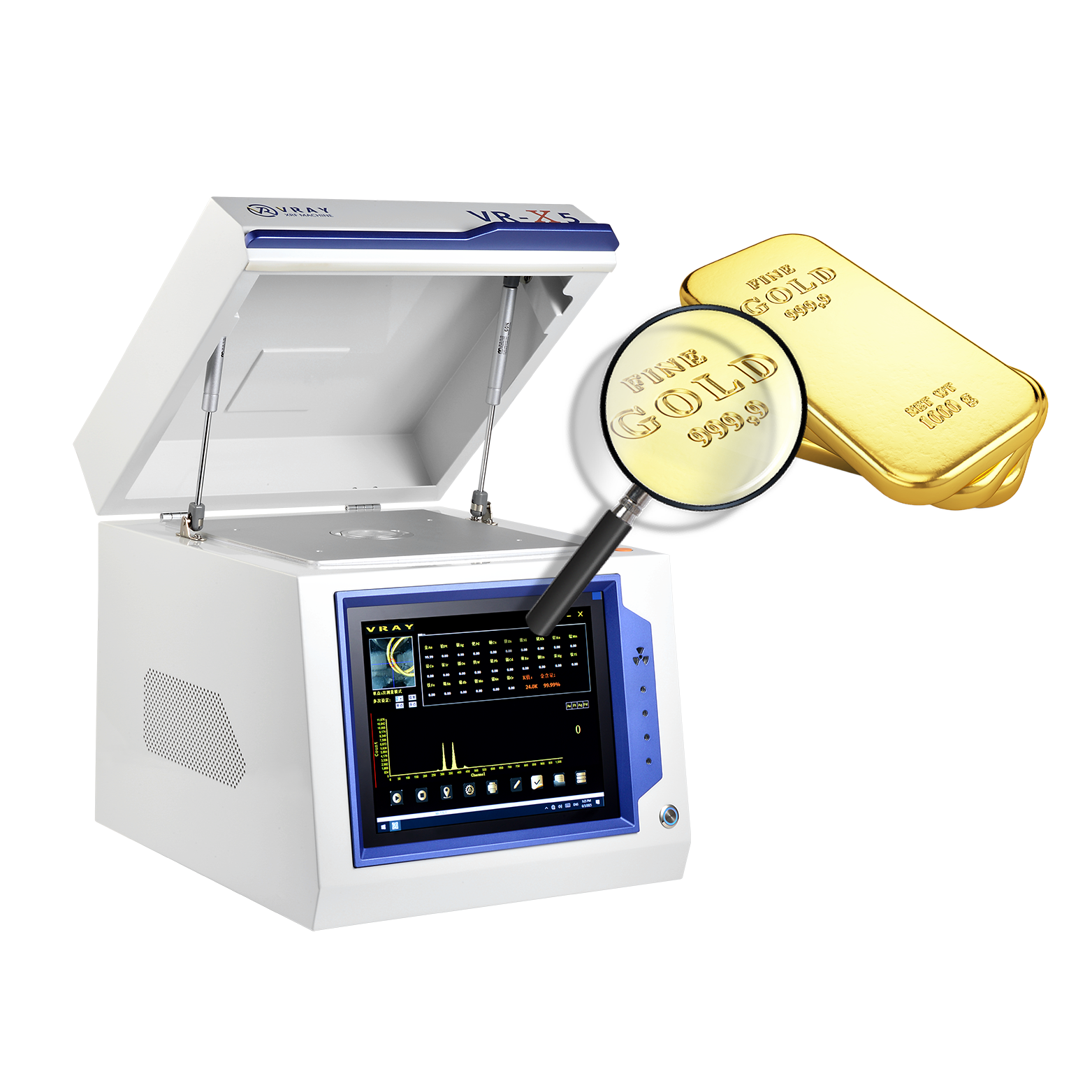
Using a magnifying glass can help you see these tiny parts more clearly. Could you imagine turning that old phone charger or motherboard into a source of precious metal? Identifying these parts correctly is your first step toward successful gold recovery at home.
Credit: www.newsbreak.com
Safety Measures And Equipment
Extracting gold from electronics at home can be rewarding, but it involves handling chemicals and materials that pose real risks. Prioritizing safety is essential not only to protect yourself but also to ensure your workspace remains secure and organized. Before you begin, equip yourself with the right gear and set up a safe environment to minimize hazards.
Protective Gear Essentials
You can’t afford to skip protective gear when working with electronic components and chemicals. At minimum, wear safety goggles to shield your eyes from splashes or dust particles. Use nitrile gloves to protect your hands from corrosive substances and sharp edges.
Consider a respirator mask if you’re dealing with fumes or dust. Even if your workspace is ventilated, inhaling harmful particles is a risk. Don’t forget to wear long sleeves and closed shoes to avoid skin contact with harmful materials.
- Safety goggles or glasses
- Nitrile or latex gloves
- Respirator mask for fumes
- Long-sleeve clothing and closed-toe shoes
Ask yourself: Are you prepared to handle accidental spills or sharp components? Having the right gear reduces the chances of injury and keeps you focused on the task.
Safe Workspace Setup
Your workspace should be clean, well-lit, and well-ventilated. Avoid working in confined spaces where fumes can build up. Setting up near a window or using a fan to circulate air can help keep the environment safe.
Keep your work area free of clutter to prevent accidents. Use a sturdy table covered with a non-porous surface that’s easy to clean. Keep all chemicals in labeled containers and store them away from children and pets.
| Safety Tip | Why It Matters |
|---|---|
| Good ventilation | Prevents buildup of harmful fumes |
| Clear workspace | Reduces risk of spills and accidents |
| Non-porous surface | Easy cleanup and chemical resistance |
| Proper chemical storage | Prevents accidental ingestion or mixing |
Have you checked your workspace for potential hazards? Taking a few minutes to organize and secure your area can save you from serious injuries or mishaps later.
Tools Needed For Extraction
Extracting gold from electronics requires the right tools to ensure safety and efficiency. Having the correct equipment can make the process smoother and help you recover more gold. Whether you’re just starting or looking to upgrade your setup, understanding what tools you need is essential.
Basic Tools For Beginners
If you’re new to gold extraction, start with simple, easy-to-use tools. These will help you get a feel for the process without overwhelming you.
- Protective Gloves and Goggles:Safety first. Handling chemicals or sharp components requires protection.
- Screwdrivers and Pliers:Essential for dismantling electronic devices and accessing gold-plated parts.
- Plastic Containers:Use these for soaking circuit boards or holding small parts during the process.
- Small Wire Brush:Helps clean off corrosion and dirt from circuit boards.
- Magnifying Glass:Makes it easier to spot gold-plated components.
With these tools, you can safely remove gold-plated pins, connectors, and other components. Starting simple lets you understand the basics before moving on to more complex equipment.
Advanced Equipment For Efficiency
Once you feel confident, upgrading to advanced tools can save you time and increase gold recovery. These tools are designed for more precise and faster extraction.
- Hot Plate or Heating Element:Useful for controlled heating during chemical treatments.
- Digital Scale (High Precision):Measures small amounts of recovered gold accurately.
- Ultrasonic Cleaner:Removes dirt and flux from circuit boards efficiently.
- Fume Extractor or Well-Ventilated Workspace Setup:Protects you from harmful fumes during chemical use.
- Chemical Resistant Containers:For safely handling acids and other chemicals.
Using these tools, you can handle larger batches and improve your extraction results. Have you considered how improving your workspace setup might impact your safety and success?
Step-by-step Extraction Process
Extracting gold from electronics at home can seem tricky, but breaking it down into clear steps makes the process manageable. Each part of the extraction has its own focus, from taking apart devices to using chemicals safely. Understanding these steps helps you get the most gold with less hassle.
Disassembling Electronics
Start by gathering old electronics like phones, computers, or circuit boards. Use tools like screwdrivers and pliers to carefully open the devices without damaging the components. Pay attention to small parts, as gold is often found in connectors and chips.
Keep your workspace organized. Separate the pieces that look gold or gold-plated. Handling electronics gently reduces the chance of breaking valuable parts that contain gold.
Removing Gold-plated Parts
Look for areas with shiny gold-colored metal. These usually include pins, connectors, and circuit board fingers. Use a small knife or wire cutters to carefully remove these gold-plated sections.
Sometimes, scraping with a firm tool helps gather gold flakes. Have a container ready to collect these parts. Do you notice how much gold is hidden in tiny, overlooked corners?
Chemical Methods For Gold Recovery
Once you have the gold-plated pieces, chemical processing extracts the gold. A common approach uses a mix of acids like nitric acid and hydrochloric acid to dissolve base metals, leaving gold behind.
Always wear gloves and work in a ventilated area. Pour the acid mixture over the collected parts slowly, watching for reaction signs like bubbling. After the reaction stops, filter the liquid to separate gold particles.
Rinsing the gold residue with water and drying it completes this step. Have you prepared your safety gear and workspace for handling these strong chemicals? Proper care ensures success and safety.
Alternative Extraction Techniques
Extracting gold from electronics at home doesn’t have to involve harsh chemicals or complicated processes. Alternative extraction techniques offer safer, more accessible ways to reclaim gold while minimizing risk to your health and the environment. These methods can be surprisingly effective when you understand the right approach and take proper precautions.
Eco-friendly Methods
Eco-friendly methods rely on less toxic substances and simpler procedures. One popular approach is using a mixture of vinegar and baking soda to help break down the metal layers gently.
This method works best on small circuit boards or connectors with visible gold plating. You soak the parts in vinegar for several hours, then add baking soda to neutralize the acid, which helps loosen the gold.
Another green option is using citric acid, found naturally in lemon juice, combined with hydrogen peroxide. This combo can dissolve base metals, leaving the gold behind. It’s important to monitor the process closely to avoid damaging the gold.
Have you ever thought about how household acids can substitute for industrial chemicals? Using these safer alternatives reduces toxic waste and lets you recycle responsibly.
Using Household Items Safely
You don’t need specialized lab equipment to start extracting gold at home, but safety is crucial. Common household items like salt, baking soda, and vinegar can assist in the process if handled correctly.
For example, a simple saltwater solution can help in electroless plating techniques to recover gold flakes. Combine salt with water and a small amount of household bleach to create a mild etching solution.
Always wear gloves and eye protection. Work in a well-ventilated area to avoid inhaling any fumes. Dispose of your waste responsibly—never pour chemicals down the drain.
Have you prepared your workspace to prevent accidents? Taking small safety steps ensures you can enjoy the process without worry.
Processing And Refining Gold
Once you’ve extracted gold from old electronics, the next crucial phase is processing and refining it. This step transforms raw gold particles into a pure, usable form. The goal is to remove any impurities and prepare your gold for crafting, selling, or storing.
Cleaning Extracted Gold
After extraction, your gold will likely be mixed with dirt, plastic, or other metal residues. Cleaning it carefully improves its quality and value. Start by soaking the gold in warm water with a mild detergent to loosen grime.
Use a soft brush to gently scrub away remaining debris. Avoid harsh chemicals that can damage the gold. If you see stubborn residues, soaking the gold in isopropyl alcohol can help dissolve oils and sticky substances.
Do you have a magnifying glass? Use it to inspect the gold closely. Cleaning thoroughly now means less hassle when refining later.
Purification Techniques
Purifying gold at home is doable but requires caution. One common method is melting the gold using a small crucible and a propane torch. The high heat separates gold from other metals as impurities either burn off or sink to the bottom as slag.
Another technique involves using chemical solutions like aqua regia, which dissolves gold and allows you to re-precipitate it in a purer form. This process needs careful handling and proper ventilation—safety gear is a must.
Electrolysis is also an option if you want very pure gold. It uses an electric current to deposit gold from a solution onto a cathode, leaving impurities behind. This method takes more equipment but yields high-quality gold.
- Choose a method based on your comfort with heat or chemicals.
- Always work in a well-ventilated area and wear protective gear.
- Test small amounts first to avoid wasting gold.
What purification approach feels right for your setup and experience? The key is balancing safety with effectiveness to get the best results at home.
Maximizing Profit From Gold Recovery
Maximizing profit from gold recovery requires more than just extracting gold from electronics. It involves smart selling and understanding the market. Handling the gold carefully and choosing the right buyers can increase earnings. Keeping track of price changes helps decide the best time to sell.
Selling Recovered Gold
Sell gold to trusted buyers or refineries. Check their reputation and payment terms. Avoid quick cash offers that undervalue your gold. Consider local jewelers or online gold buyers. Get multiple quotes to find the best price. Always ask for a detailed invoice and weigh your gold in front of the buyer.
Market Trends And Pricing Tips
Gold prices change daily based on supply and demand. Track prices using financial websites or apps. Sell when prices are high for better profits. Understand karat values and purity levels. Higher purity gold fetches a better price. Watch for market events that affect gold value, like economic news or currency changes.

Credit: www.youtube.com
Common Challenges And Solutions
Extracting gold from electronics at home can present several challenges. These difficulties may slow down the process or cause safety concerns. Understanding common issues and their solutions helps improve your success and safety. This section covers key problems and how to fix them effectively.
Troubleshooting Extraction Issues
Sometimes gold does not separate well from electronic parts. This problem often happens due to poor cleaning or wrong chemicals. Always clean electronic pieces before starting. Dirt and dust block gold particles from detaching.
Use the correct acid type and concentration. Too strong acid can damage gold, while too weak acid won’t dissolve other metals properly. Test small samples to find the right mix.
Temperature also affects extraction. Warm solutions speed up the process but avoid overheating. High heat can cause dangerous fumes and reduce gold quality.
- Check if all equipment is clean and working.
- Use proper protective gear to avoid contamination.
- Stir the solution gently to help gold dissolve evenly.
- Allow enough time for the chemical reaction to complete.
Avoiding Toxic Exposure
Working with chemicals can release harmful fumes and cause skin burns. Always work in a well-ventilated area. Use fans or open windows to improve airflow. Avoid breathing in vapors.
Wear gloves, goggles, and long sleeves to protect your skin and eyes. Never touch acids or chemicals directly. Keep a first aid kit nearby in case of accidents.
Store chemicals safely, away from children and pets. Label all containers clearly. Dispose of waste following local rules to protect the environment.
| Safety Tip | Reason |
|---|---|
| Work outdoors or near open windows | Reduces inhalation of toxic fumes |
| Wear protective gloves and goggles | Prevents skin and eye injuries |
| Use acid-resistant containers | Prevents leaks and spills |
| Label all chemicals properly | Avoids accidental misuse |
| Dispose of waste legally | Protects people and environment |
Frequently Asked Questions
What Electronics Contain The Most Gold?
Old computers, smartphones, and circuit boards hold the highest gold content. Gold is used in connectors and microchips due to its conductivity and resistance to corrosion.
How Can I Safely Extract Gold From Electronics?
Use chemical methods like acid baths or electrolysis with proper safety gear. Avoid inhaling fumes and dispose of chemicals responsibly to prevent harm.
Is Extracting Gold From Electronics Profitable At Home?
Small-scale extraction yields limited gold, often not covering costs. Profitability depends on the volume of electronics processed and efficient recovery methods.
What Tools Do I Need To Get Gold From Electronics?
Essential tools include pliers, screwdrivers, chemical containers, protective gloves, goggles, and a ventilation system for safe chemical handling.
Conclusion
Extracting gold from electronics at home can be safe and rewarding. Follow each step carefully and use the right tools. Protect yourself with gloves and work in a well-ventilated area. Patience is key; rush can cause mistakes or harm. Small amounts of gold add up over time.
This process helps recycle valuable materials and reduce waste. Keep learning and improving your skills with practice. You can turn old gadgets into useful resources. Stay safe and enjoy the process of recovering gold.
Leave a Reply