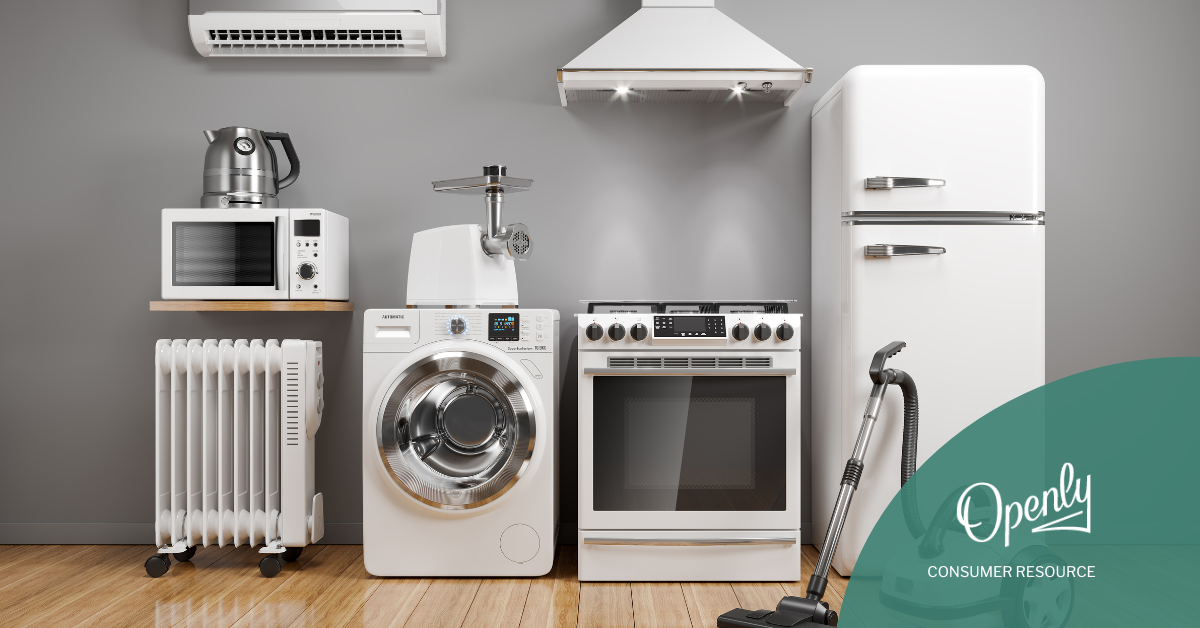
You’ve invested in the latest gadgets—smartphones, tablets, laptops, and maybe even a state-of-the-art home theater system. But have you ever wondered what would happen if those precious electronics were damaged or stolen?
You might think your home insurance has you covered, but do you really know for sure? Understanding the ins and outs of homeowners insurance can be a game-changer for safeguarding your tech investments. We’ll dive into whether your policy protects your electronics and uncover some surprising details you won’t want to miss.
Stick around, because knowing this information could save you a lot of stress—and money—in the long run.
Homeowners Insurance Basics
Homeowners insurance protects your house and belongings from damage and loss. It offers financial help after events like fire, theft, or storms. Understanding the basics helps you know what is covered and what is not.
What Homeowners Insurance Covers
Homeowners insurance usually covers:
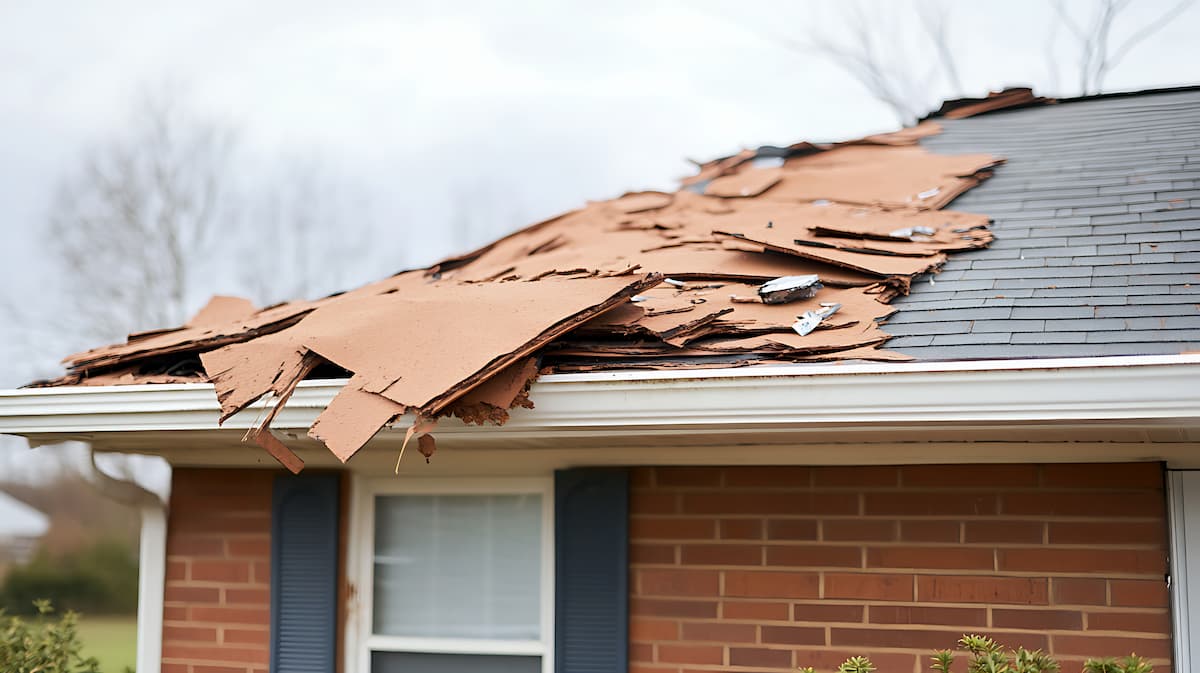
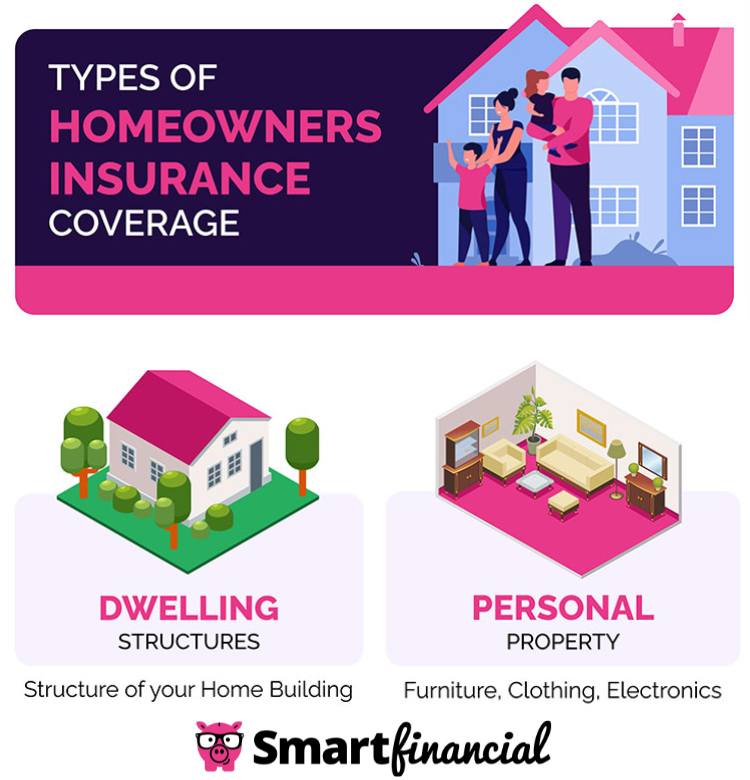
- Damage to the house structure from fire, wind, or hail
- Personal belongings inside the home, including furniture and clothes
- Liability protection if someone is injured on your property
- Additional living expenses if you must live elsewhere during repairs
Electronics are often included under personal property coverage. The amount of coverage depends on your policy limits.
Common Exclusions In Policies
Some events and items are not covered by standard policies. These common exclusions include:
- Damage from floods or earthquakes, usually requiring separate policies
- Wear and tear or damage from pests
- Loss due to theft if the home was left unsecured
- High-value items like expensive electronics may need extra coverage
Always read your policy carefully to understand its limits and exclusions. This helps avoid surprises when filing a claim.
Credit: www.insurance.com
Electronics Coverage Explained
Electronics coverage in homeowners insurance protects valuable devices inside your home. These items include laptops, TVs, gaming consoles, and other gadgets. Understanding what standard policies cover helps avoid surprises during a claim. Coverage often depends on the type of damage and the policy limits. Knowing these details ensures better protection for your electronics.
Standard Protection For Electronics
Homeowners insurance usually covers electronics against risks like fire, theft, and vandalism. Damage from natural disasters may also be included, depending on the policy. Accidental damage, such as dropping or spilling liquid, is rarely covered. Most policies protect against loss or damage inside the home. Some may extend coverage to electronics taken outside for short periods.
Common covered causes include:
- Fire and smoke damage
- Theft or burglary
- Vandalism
- Storm and hail damage
- Water damage from burst pipes
Limits And Deductibles
Insurance policies set limits on how much they pay for electronics. These limits vary by item and policy type. High-value electronics may need extra coverage or endorsements. Deductibles are the amount paid out of pocket before insurance pays. Higher deductibles lower premium costs but increase your expenses after damage. Check your policy to understand specific limits and deductibles for electronics.
Additional Coverage Options
Standard homeowners insurance policies often cover electronics, but the protection might not be enough for high-value or specialized devices. Additional coverage options help fill these gaps, giving you peace of mind that your gadgets are fully protected. Understanding these options can save you from unexpected expenses if your electronics get damaged or stolen.
Personal Property Endorsements
Personal property endorsements allow you to add extra coverage to your existing homeowners policy. This is useful when your electronics exceed the standard coverage limits. You can increase the protection for items like laptops, cameras, and gaming consoles by specifying them in the endorsement.
Think about your most expensive gadget. Would a basic policy cover its full replacement cost? Probably not. Adding an endorsement ensures you won’t be stuck paying out of pocket if something happens.
Keep in mind, endorsements often come with higher premiums but offer a tailored safety net for your valuable electronics. It’s a smart choice if you own several pricey devices or use your electronics professionally.
Scheduled Personal Property Policies
Scheduled personal property policies are separate insurance plans focusing solely on specific high-value items, including electronics. Unlike endorsements, these policies provide broader protection, often covering accidental damage and loss outside your home.
If you travel with your laptop or camera frequently, this option might suit you better. It covers scenarios where your homeowners insurance might fall short, such as theft in a hotel or accidental drops.
Before choosing this policy, list the devices you want covered and compare costs. It might seem like extra hassle, but the enhanced coverage can make a big difference when you need it most.

Credit: www.inkl.com
Claims Process For Electronics
Understanding the claims process for electronics under your homeowner’s insurance can save you time and frustration. Electronics like laptops, smartphones, and TVs are valuable, but filing a claim isn’t always straightforward. Knowing what to expect helps you handle the process confidently and get the compensation you deserve.
Filing A Claim
Start by contacting your insurance company as soon as possible after the damage or loss occurs. Most insurers offer multiple ways to file a claim, including online portals, phone calls, or mobile apps. Be clear and detailed about what happened to your electronic item.
Think about this: Have you ever delayed reporting a claim because you weren’t sure if it was covered? Acting quickly can improve your chances of a smooth claim experience.
Documentation Needed
Gather all documents that prove ownership and value of the electronics. Receipts, credit card statements, or photos of the item are crucial. If you have an inventory list of your belongings, now is the time to use it.
Additionally, provide any repair estimates or police reports if the item was stolen. The more detailed your documentation, the easier it is for the insurer to verify your claim.
Claim Approval Factors
Insurance companies look at several factors before approving claims for electronics. They consider the cause of damage, whether it’s covered under your policy, and if you meet any deductible requirements. Age and condition of the item also affect the payout amount.
Have you checked if your policy has special limits or endorsements for electronics? Understanding these details can help you set realistic expectations before you file a claim.
Tips To Maximize Electronics Protection
Protecting your electronics goes beyond just buying insurance. You need to actively manage your coverage and keep your policy up to date. Taking practical steps can help you avoid surprises when you file a claim and ensure your valuable gadgets are fully covered.
Inventory And Appraisal
Start by creating a detailed list of all your electronics, including brand, model, purchase date, and price. Keeping receipts or photos of your items helps support your claim if something happens. Don’t forget to update this inventory regularly, especially after buying new devices or upgrading old ones.
Getting a professional appraisal for high-value electronics can make a big difference. It shows the true worth of your items and can increase your coverage limits. Have you checked if your insurance requires appraisals for expensive gear?
Policy Reviews And Updates
Review your homeowners insurance policy at least once a year. Policies can change, and your coverage might not reflect your current electronics’ value. Ask your insurance agent about special endorsements or riders that offer extra protection for electronics.
Don’t wait for a claim to find out your policy doesn’t cover certain types of damage or theft. Discuss potential coverage gaps with your agent and adjust your policy accordingly. How often do you update your coverage to match your tech collection?
Common Misconceptions
Many people think homeowners insurance covers all electronics automatically. This is not always true. Misunderstandings can lead to unexpected costs. Knowing what is and isn’t covered helps avoid surprises.
What Isn’t Covered
Standard homeowners insurance usually protects electronics from fire or theft. It often does not cover damage from:
- Accidental drops or spills
- Mechanical breakdown
- Power surges
- Loss or misplacement
These damages might need a separate policy or warranty. Check your policy details carefully.
Understanding Replacement Costs
Many believe insurance pays the full cost to replace electronics. This depends on the coverage type.
- Actual Cash Value (ACV):Pays the item’s value minus depreciation.
- Replacement Cost:Covers the cost to buy a new item of similar kind and quality.
Policies with ACV pay less money. Electronics lose value fast. Replacement cost coverage is better for new devices.
Credit: smartfinancial.com
Frequently Asked Questions
Does Homeowners Insurance Cover All Types Of Electronics?
Homeowners insurance typically covers electronics against risks like theft or fire. However, coverage limits and exclusions vary by policy. High-value electronics may require additional riders or endorsements for full protection. Always check your policy details to understand what electronics are covered and any coverage limits.
Are Accidental Damages To Electronics Covered By Homeowners Insurance?
Most standard homeowners insurance policies do not cover accidental damage to electronics. Coverage usually applies to risks like fire, theft, or natural disasters. For accidental damage protection, consider purchasing a separate electronics or gadget insurance policy or an extended warranty.
How Can I Insure Expensive Electronics Under Homeowners Insurance?
To insure expensive electronics, you may need to add a scheduled personal property endorsement. This endorsement increases coverage limits specifically for high-value items. It ensures full reimbursement in case of loss or damage beyond standard policy limits.
Does Homeowners Insurance Cover Electronics Stolen Outside The Home?
Coverage for electronics stolen outside the home varies by policy. Many homeowners policies provide limited off-premises coverage. Check your policy for specific limits on theft outside the insured location. Consider additional coverage if you frequently carry valuable electronics away from home.
Conclusion
Homeowners insurance can cover some electronics, but not all. Coverage depends on your policy and the cause of damage. Theft, fire, or certain accidents often qualify for claims. Check your policy limits and any special rules for electronics. You may need extra coverage for expensive devices.
Understanding your insurance helps protect your valuable gadgets. Always review your policy carefully and ask questions if unclear. Protect your electronics smartly to avoid surprises later.
Leave a Reply