
Imagine the unsettling feeling of knowing someone might be listening in on your private conversations without your knowledge. With the rise of advanced technology, the threat of electronic eavesdropping has become more common than you might think.
You’re not alone in your concerns—many homeowners share the same worry. So, how can you ensure your personal space remains private and secure? Finding out if your home is electronically bugged might seem daunting, but it’s crucial for maintaining your peace of mind.
In this guide, we’ll walk you through the essential steps to detect any unwanted surveillance devices. Keep reading, and discover how you can take control of your privacy and protect your sanctuary.
Credit: peakpi.com.au
Signs Your Home Might Be Bugged
Signs your home might be bugged can be subtle but important. Detecting these signs early helps protect your privacy. A careful look around your space often reveals clues.
Unusual Sounds And Interference
Hearing strange noises on your phone or radio may signal a bug. Buzzing, clicking, or static sounds during calls are common signs. These sounds happen when electronic bugs interfere with devices. Pay attention if these noises appear suddenly or often.
Unexpected Battery Drain
Devices losing power faster than usual can be suspicious. Bugs often use batteries or your home’s electricity to run. Watch for gadgets draining batteries quickly without heavy use. This could mean a hidden device is active nearby.
Strange Devices Or Wires
Look for unknown gadgets or wires in your rooms. Bugs are sometimes small and blend with everyday items. Check behind furniture, inside smoke detectors, and near electrical outlets. Anything unusual or out of place deserves a closer look.
Common Types Of Electronic Bugs
Electronic bugs come in many shapes and sizes. Each device serves a different spying purpose. Knowing the common types helps you spot them faster.
These bugs often hide in places you least expect. They can capture sound, video, or track movements. Understanding their features is key to protecting your privacy.
Hidden Microphones
These small devices record conversations without being seen. They can fit into everyday objects like clocks or pens. Some use wires, while others send signals wirelessly. Their tiny size makes them hard to detect by sight.
Wireless Cameras
Wireless cameras capture video secretly and send it remotely. They may look like smoke detectors or USB chargers. Some have night vision to record in the dark. These cameras often connect to Wi-Fi or other signals.
Gps Trackers
GPS trackers monitor location in real-time. They attach to vehicles, bags, or other personal items. These devices use satellites to report their position constantly. Finding them requires checking hidden spots carefully.
Tools For Detecting Bugs
Detecting electronic bugs in your home needs the right tools. These devices help find hidden cameras, microphones, or tracking gadgets. Using proper tools increases your chances of spotting these devices quickly. Here are some common tools that can help you check your home for bugs.
Rf Detectors
RF detectors scan for radio frequency signals emitted by wireless bugs. They detect signals from hidden transmitters, even if the devices are small. You simply move the detector around rooms, walls, and furniture. The detector alerts you with sounds or lights when it finds a signal. RF detectors work well for bugs that send live audio or video. They cannot detect devices that are off or use wired connections.
Non-linear Junction Detectors
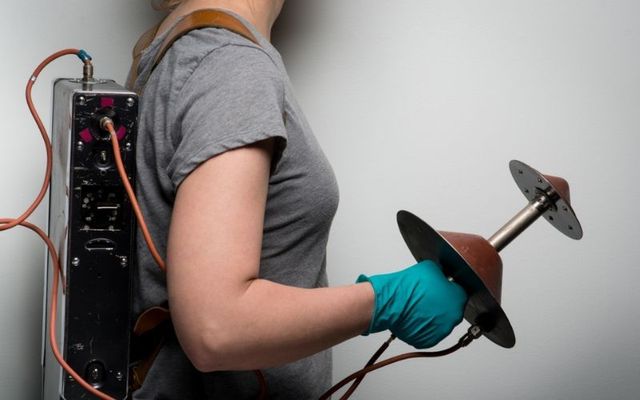
Non-linear junction detectors find electronic components inside devices. These tools send radio waves and listen for a special response from electronic parts. They can detect bugs even if the device is turned off. This tool is useful for finding hidden electronics inside walls or furniture. It requires some skill to use correctly. Non-linear junction detectors are often used by professionals but can be rented or bought.
Smartphone Apps
Smartphone apps offer a quick way to check for bugs using your phone. Some apps scan for unusual Wi-Fi networks or Bluetooth signals nearby. Others use the phone’s camera to detect infrared lights from hidden cameras. These apps are easy to use and cost less than specialized tools. They may not be as accurate but can be a good first step. Always choose apps with good reviews and regular updates.
Step-by-step Bug Sweep Process
Detecting whether your home is electronically bugged requires a careful and systematic approach. The step-by-step bug sweep process helps you uncover hidden devices that might be invading your privacy. This process combines simple observation techniques with advanced technology and expert advice to ensure nothing goes unnoticed.
Visual Inspection
Start by closely examining your living spaces. Look for unusual objects like small holes, strange wires, or tiny devices tucked into corners, light fixtures, smoke detectors, or electrical outlets. Even something as small as a tiny pinhole camera lens can be a sign of surveillance.
Pay attention to anything that seems out of place or newly installed without explanation. Trust your instincts—if something feels off, it probably deserves a second look. Have you ever noticed a device that you can’t identify? That’s your cue to investigate further.
Electronic Scanning
Using an electronic bug detector or RF scanner can reveal hidden transmitters or listening devices. These tools detect radio frequencies that bugs use to send information. Move the scanner slowly around walls, furniture, and electronics to catch any signals.
Keep in mind that some bugs use wired connections or are battery-powered and inactive, so scanning isn’t foolproof. However, it’s a practical step you can take yourself before seeking help. Are you prepared to learn how to interpret the signals these devices pick up?
Professional Consultation
If your inspection and scanning don’t give you confidence, consult a professional. Experts use specialized equipment and techniques like spectral analysis and thermal imaging to uncover even the most well-hidden devices. Their experience can save you time and provide peace of mind.
Professionals can also assess your home’s security setup and suggest improvements. Don’t hesitate to ask questions about their process and how they ensure thorough coverage. Would you want to risk missing a device that could compromise your privacy?
Preventing Future Electronic Surveillance
Preventing future electronic surveillance is crucial once you’ve identified potential threats. Taking proactive steps can protect your privacy and give you peace of mind. The key is to build layers of security that make it hard for anyone to listen in or track your activities.
Securing Wireless Networks
Your wireless network is often the easiest entry point for electronic bugs. Make sure you use a strong password that combines letters, numbers, and symbols. Avoid default router settings—they are like open doors inviting hackers or surveillance devices.
Enable WPA3 encryption if your router supports it. This adds a robust layer of protection. Consider hiding your network’s SSID so it doesn’t broadcast publicly. Regularly update your router’s firmware to patch security holes.
Using Signal Jammers
Signal jammers can block unwanted wireless signals that bugs rely on to transmit information. They create a zone where electronic bugs can’t send data back to their controllers. However, you must check local laws before using them, as jamming devices are restricted in many places.
Even if legal, use jammers selectively and for short periods. Constant jamming can disrupt your own devices and neighbors’ connections. Think of jammers as a tool in your toolbox—not a permanent solution.
Regular Home Checks
Routine sweeps for bugs help catch new threats early. Use simple tools like RF detectors or smartphone apps designed to spot unusual signals. Check common hiding spots like smoke detectors, light bulbs, and electrical outlets.
Make it a habit to inspect your home every few months or after guests stay over. Ask yourself: Have I noticed strange noises, interference, or dead spots on my phone? These small clues can point to electronic surveillance.

Credit: peakpi.com.au
When To Seek Expert Help
Knowing when to call an expert matters a lot if you suspect your home is bugged. Some signs mean the problem is beyond simple checks. Experts can find hidden devices that regular tools miss. They bring skills and equipment for thorough sweeps. Ignoring these signs can risk your privacy and safety.
Complex Bugging Devices
Modern bugs are very small and hard to spot. Some use wireless signals, GPS, or even internet links. They hide inside walls, furniture, or appliances. Detecting these needs special tools and experience. Experts know how to detect and remove these devices safely.
Legal Considerations
Searching for bugs may involve legal rules. Removing or tampering with devices without permission can cause problems. Some devices may belong to authorities or landlords. Experts understand the law and can guide you properly. They keep your actions legal and protect your rights.
Choosing A Security Specialist
Pick someone with good reviews and proven skills. Check their certifications and years of experience. Ask about the tools they use and their process. A trustworthy specialist explains findings clearly and respects your privacy. Choosing the right expert ensures a safe and complete sweep.

Credit: ukspygear.com
Frequently Asked Questions
How Can I Detect If My Home Is Electronically Bugged?
To detect electronic bugs, scan your home with a bug detector or RF scanner. Look for unusual devices, wires, or sounds. Check for unexpected interference on phones or radios. Professional bug sweeping services offer thorough inspections to identify hidden surveillance devices accurately.
What Are Common Signs Of Electronic Surveillance At Home?
Common signs include strange clicking sounds, static on phone lines, unexplained battery drain in devices, and unusual lights on electronics. Also, sudden interference in Wi-Fi or radio signals may indicate bugs. Stay alert to these signs for early detection of electronic surveillance.
Can I Find Bugs Using My Smartphone?
Yes, smartphones can help detect bugs using apps designed for RF signal detection. These apps scan for hidden devices emitting radio frequencies. However, they may not detect all types of bugs. For thorough detection, professional equipment or experts are recommended.
Should I Hire A Professional To Check For Bugs?
Hiring a professional is advisable for comprehensive bug detection. Experts use advanced tools and techniques to locate hidden devices. They ensure privacy and security with detailed inspections. Professional services provide peace of mind beyond basic DIY methods.
Conclusion
Detecting electronic bugs in your home takes patience and care. Start by checking unusual sounds or strange signals. Use simple tools like signal detectors for a basic scan. Stay calm and trust your instincts if something feels off. Protecting your privacy is important and worth the effort.
Taking small steps can bring peace of mind. Stay alert and act quickly if you find anything suspicious. Your home should always feel safe and secure.
Leave a Reply