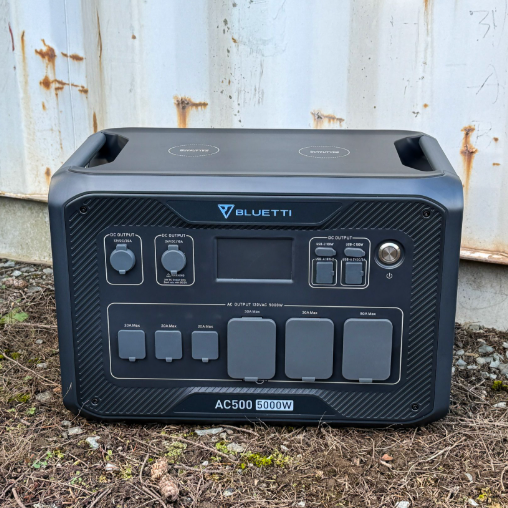
Picture this: a sudden storm hits, and the power goes out. You quickly switch on your home generator, relieved to keep your essentials running.
But then, a worry creeps in—are your electronics safe? You’ve invested time and money into your gadgets, and the thought of them getting damaged is unsettling. We’ll unravel the truth about home generators and their impact on your electronics. Are they truly safe?
Or do they pose hidden risks? Understanding this can save you from costly repairs and heartache. Stay with us to learn how you can protect your valuable devices and ensure they run smoothly, even when the lights go out.
Risks Of Using Generators With Electronics
Using home generators with electronics carries certain risks. These devices often produce unstable power output. This instability can harm your valuable electronics. Understanding these risks helps protect your devices from damage.
Power Surges And Voltage Fluctuations
Generators may cause sudden spikes in electrical power. These power surges can overload circuits in your devices. Voltage fluctuations happen when power levels rise or drop quickly. Such changes stress electronic components and reduce their lifespan.
Harmful Effects On Sensitive Devices
Sensitive electronics like computers and TVs need steady power. Fluctuating voltage can cause data loss or hardware failure. Small changes in power can disrupt device functions. Damage to circuit boards and internal parts may occur.
Common Generator-related Electrical Issues
- Frequency variations causing device malfunction
- Harmonic distortion leading to overheating
- Improper grounding increasing shock risks
- Noise interference affecting audio and video quality
These problems often arise from low-quality or poorly maintained generators. Proper precautions reduce risks and keep electronics safe.

Credit: www.nytimes.com
Choosing The Right Generator
Choosing the right generator is crucial to keep your electronics safe and running smoothly during power outages. The wrong choice can cause damage to sensitive devices or lead to inefficient power supply. Let’s break down the key factors to consider so you can make an informed decision that suits your needs and protects your valuable electronics.
Inverter Vs. Conventional Generators
Inverter generators produce cleaner, more stable power, making them ideal for sensitive electronics like laptops, smartphones, and TVs. They adjust their engine speed to match power demand, which also makes them quieter and more fuel-efficient.
Conventional generators, on the other hand, provide a constant engine speed and can produce more power for larger appliances. However, their power output may contain voltage fluctuations that can harm delicate electronics if not paired with a proper surge protector.
Ask yourself: Do you need quiet, stable power primarily for small electronics, or do you require higher power output for heavy-duty equipment?
Power Output And Compatibility
Check the wattage requirements of all your electronics before choosing a generator. Add up the starting and running watts for each device to find the total power output you need.
Choosing a generator with too low a wattage can cause overload and damage both the generator and your electronics. Too high a wattage might be unnecessary and more expensive.
- Look for generators with built-in overload protection.
- Ensure the generator has the right outlets for your devices.
- Consider extra features like USB ports for direct charging.
Fuel Types And Their Impact
Generators run on various fuels: gasoline, propane, diesel, or natural gas. Each type affects generator performance, maintenance, and safety differently.
Gasoline is widely available but can spoil quickly and requires safe storage. Propane burns cleaner and lasts longer but needs a proper tank setup. Diesel generators are robust and efficient but tend to be noisier and heavier.
Think about your fuel storage options and how often you’ll use the generator. Will you be able to safely store and handle the fuel during emergencies?
Safe Generator Operation Tips
Using a home generator safely protects your electronics and keeps your household secure. Following simple safety tips reduces risks and ensures smooth operation. Proper care extends your generator’s life and prevents damage to devices.
Proper Placement And Ventilation
Place the generator outdoors, away from windows and doors. Avoid enclosed spaces to stop dangerous carbon monoxide buildup. Keep the area clear of debris and dry to prevent fire hazards. Position the generator on a flat, stable surface to avoid tipping.
Avoiding Overloading
Check the generator’s power capacity before use. Connect only essential appliances to avoid overload. Overloading causes voltage drops, harming sensitive electronics. Use a power meter to track electricity use. Turn off unused devices to lower load.
Regular Maintenance Practices
Clean the generator regularly to remove dust and dirt. Change oil and filters as recommended by the manufacturer. Inspect spark plugs and fuel lines for wear or damage. Run the generator monthly to keep parts lubricated. Store fuel safely and replace old fuel to ensure good performance.

Credit: capitalheat.com
Protecting Electronics From Damage
Protecting electronics from damage is crucial when using a home generator. Electronics can be sensitive to power fluctuations. Sudden surges or drops in power can harm devices. Taking simple precautions helps keep gadgets safe and functioning well. The right steps reduce risks and extend the life of your electronics.
Using Surge Protectors And Ups
Surge protectors guard devices against sudden power spikes. They absorb extra electricity before it reaches your electronics. Use a high-quality surge protector with your generator. An uninterruptible power supply (UPS) also helps. It provides backup power and smooths out voltage changes. Plug important devices into a UPS for extra safety.
Correctly Connecting Devices
Connect electronics in the right order to avoid problems. Turn off devices before plugging them into the generator. Avoid overloading the generator with too many devices. Match the power needs of your electronics to the generator’s output. Use proper extension cords and keep connections dry. These steps prevent damage and keep power stable.
Monitoring Generator Performance
Keep an eye on the generator while it runs. Check the power output regularly. Look for unusual noises, smells, or smoke. These signs mean the generator may not be working right. Use a voltmeter to measure voltage levels. Staying alert helps catch problems early and protects your electronics.
Common Myths About Generator Safety
Many people worry about the safety of using home generators with their electronics. There are several myths that can confuse you and make you hesitant to rely on generators during power outages. Let’s clear up some common misunderstandings so you can use your generator safely and keep your devices protected.
Generators And Electrical Fires
One myth is that generators often cause electrical fires. While improper use can lead to hazards, most generators are designed with safety features to prevent fires. Overloading a generator or using faulty extension cords can create risks, so always check the power limits and use heavy-duty cords rated for your generator’s output.
Have you ever wondered why some homes never face fire issues with generators? It’s because their owners follow simple safety rules like keeping the generator dry, maintaining proper ventilation, and avoiding fuel spills near hot surfaces.
Grounding Requirements
People often think every generator must be grounded to prevent electrical shocks. The truth is, many modern portable generators have a built-in grounding system that meets safety standards. However, if you connect your generator to your home wiring, grounding becomes critical to avoid dangerous backfeed and shocks.
Not grounding a generator properly can damage your electronics or injure someone. Always read the manufacturer’s instructions and consult a professional electrician if you’re unsure about grounding your setup.
Running Generators Indoors
A widespread myth is that running a generator indoors is safe if you open a window or door. This is extremely dangerous. Generators produce carbon monoxide, a deadly gas you can’t see or smell. Even a small amount can cause poisoning within minutes.
Have you considered the risks of running a generator in a garage or basement? It’s best to place your generator outside, far from doors and windows, to keep your family safe. Installing a carbon monoxide detector nearby is another smart step you can take.

Credit: tikweld.com
Frequently Asked Questions
Are Home Generators Safe For Sensitive Electronics?
Yes, home generators can be safe if they have built-in surge protectors or use an inverter. Inverter generators provide clean, stable power ideal for sensitive devices. Avoid direct connection without protection to prevent voltage spikes that can damage electronics.
How To Protect Electronics From Generator Power Surges?
Use surge protectors or uninterruptible power supplies (UPS) when connecting electronics. Inverter generators also minimize power fluctuations. Regularly maintain your generator to ensure steady power output and reduce the risk of damaging sensitive devices.
Can Regular Generators Harm Electronic Devices?
Regular generators may produce unstable power with voltage spikes. This can damage sensitive electronics over time. To avoid harm, use a generator with stable output or add surge protection devices when powering electronics.
What Type Of Generator Is Best For Electronics?
Inverter generators are best for electronics. They produce clean, consistent power with minimal voltage fluctuations. This protects sensitive devices like computers, TVs, and smartphones from damage during outages or outdoor use.
Conclusion
Home generators can be safe for electronics with the right precautions. Use surge protectors to guard devices from power spikes. Choose generators with built-in voltage regulation for stable power. Avoid running too many devices at once to prevent overload. Regular maintenance keeps your generator working properly.
Safe use helps protect your electronics during outages. Stay cautious and follow safety tips for peace of mind. Your devices will stay safe when you use generators wisely.
Leave a Reply